Well, it was time to go to Poland, and this trip was a lot less planned than Japan was, but I did get to do most of what I wanted to do.
Flying to Poland
29th July
Ready for departure at Manchester Airport, taking a moment to relax before the flight to Poland.
First off, the flight and the Schengen zone. This was my first trip to Europe by myself to be honest and it was quite a fun one and flying to Krakow John Paul II International Airport was quite a nice easy trip with Lufthansa.
First hop was from Manchester to Frankfurt starting at 6:05 in the morning and landing at 8:50, where I have a 3-hour layover to deal with. During the 3 hours, I entered the Schengen zone and left the airport in search of breakfast, before coming back to catch my 11:50 flight to Krakow.
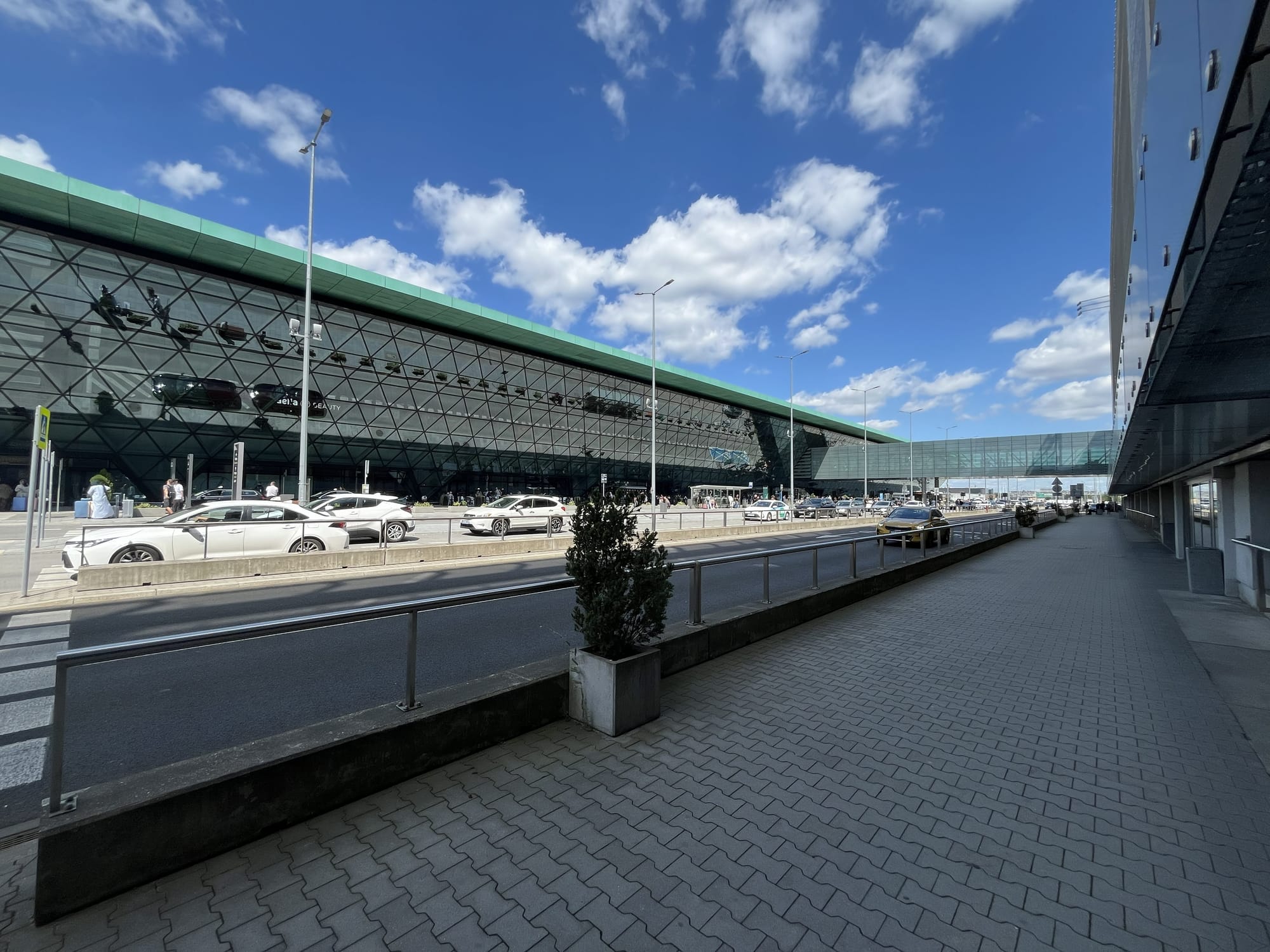
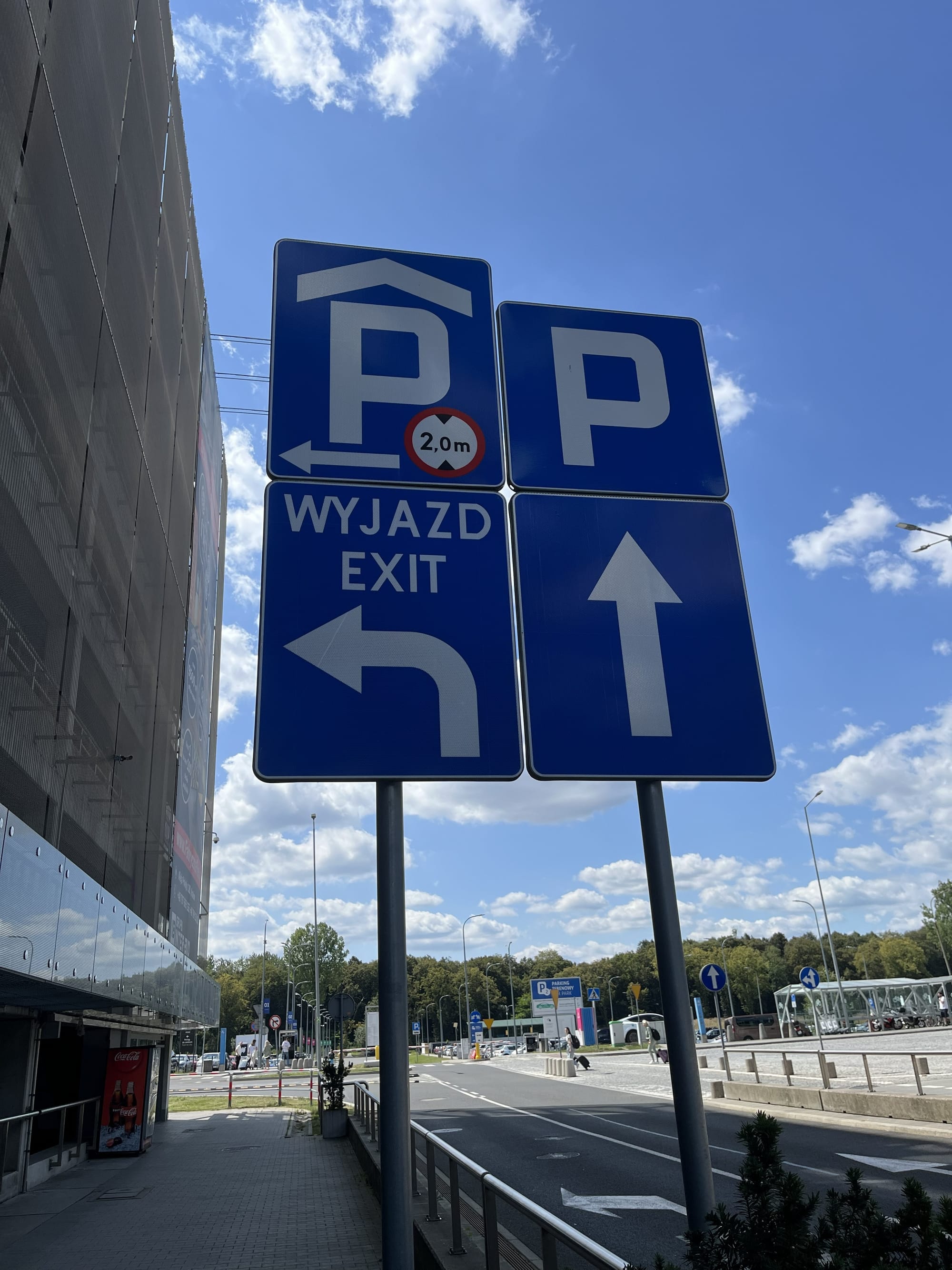
Kraków Airport's modern terminal building on a sunny summer afternoon, marking the start of a visit to southern Poland.Bilingual signage outside Kraków Airport directs drivers to parking areas and the exit, reflecting the airport's international role as a gateway to southern Poland.
I finally landed in Poland at about 13:20 and had a fun drive ahead of me, (especially with the car being left hand drive and me being used to right hand drive) as I wasn't staying in Krakow, I was driving to the border with Germany to a place called Zgorzelec. Why there you might ask, well one it is a border town when you can cross into Germany on foot (more on that later), but it is also about 1 hour away from Żagań.
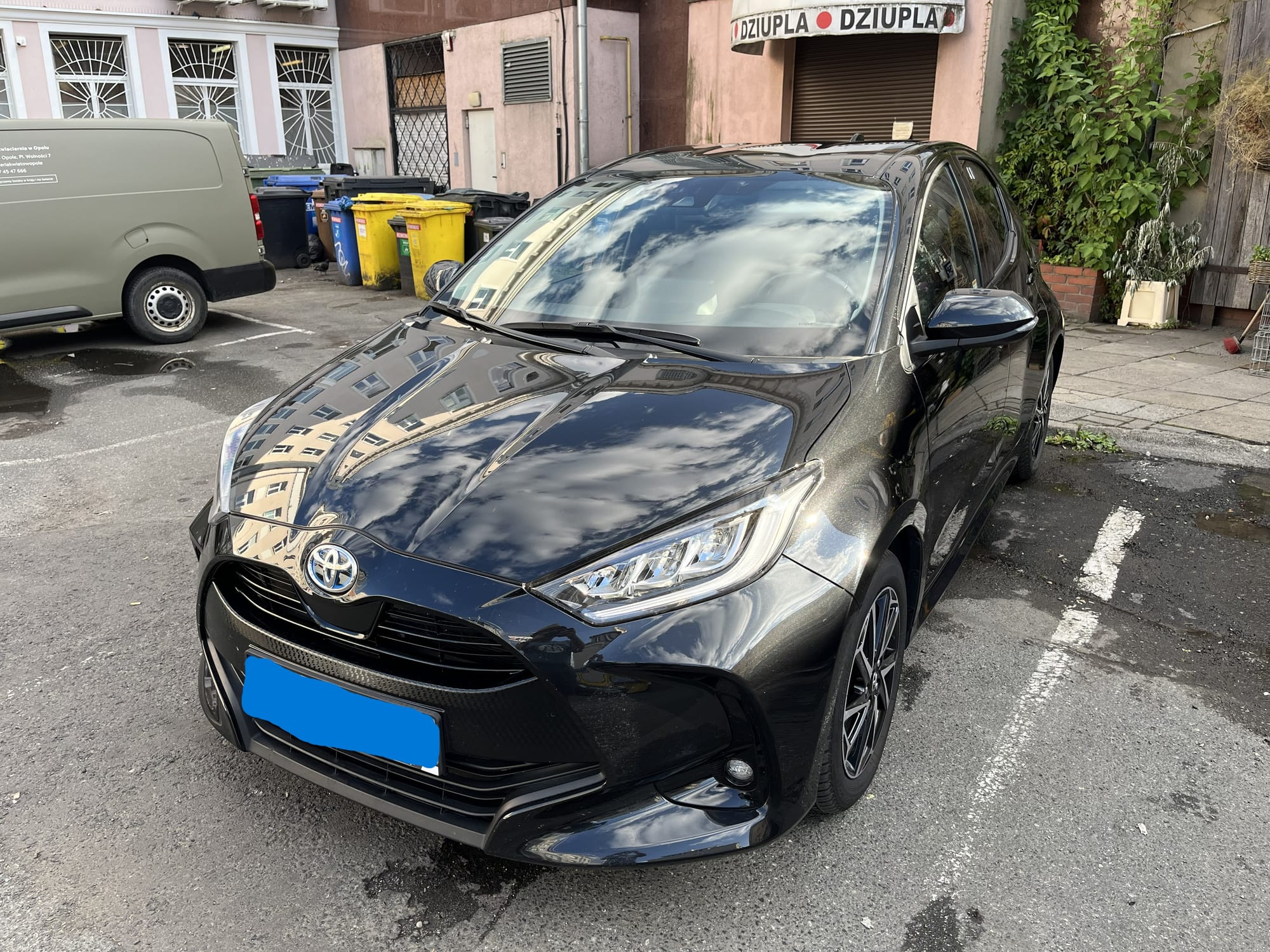
Black Toyota Yaris parked in a city car park, with reflections of nearby buildings and clouds visible across the bonnet and windscreen.
Rest day
30th July
To be honest, after all the travelling the day before to Poland and then driving to the border, it was time to have a rest day.
Zagan and Gorlitz
31st July
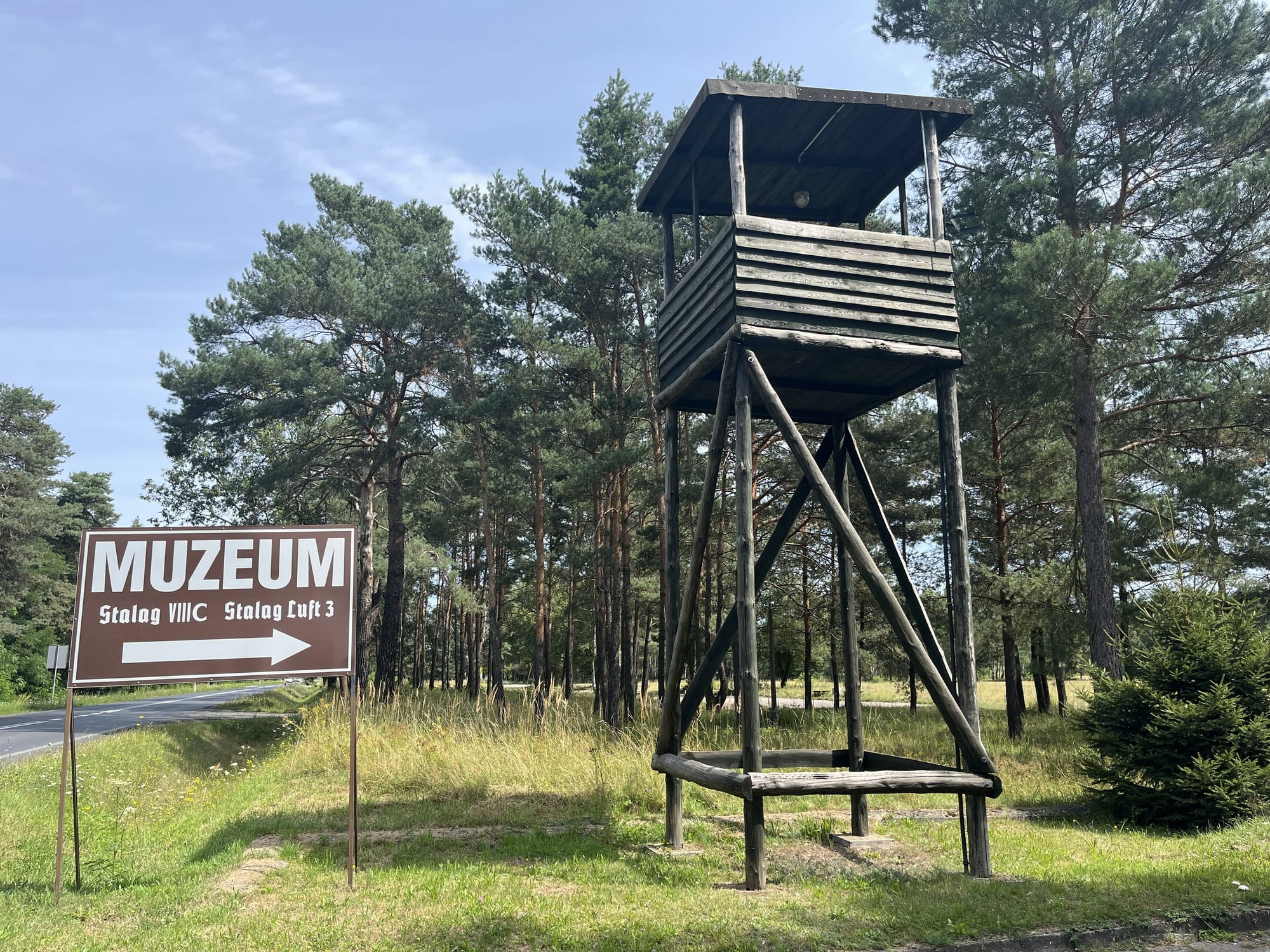
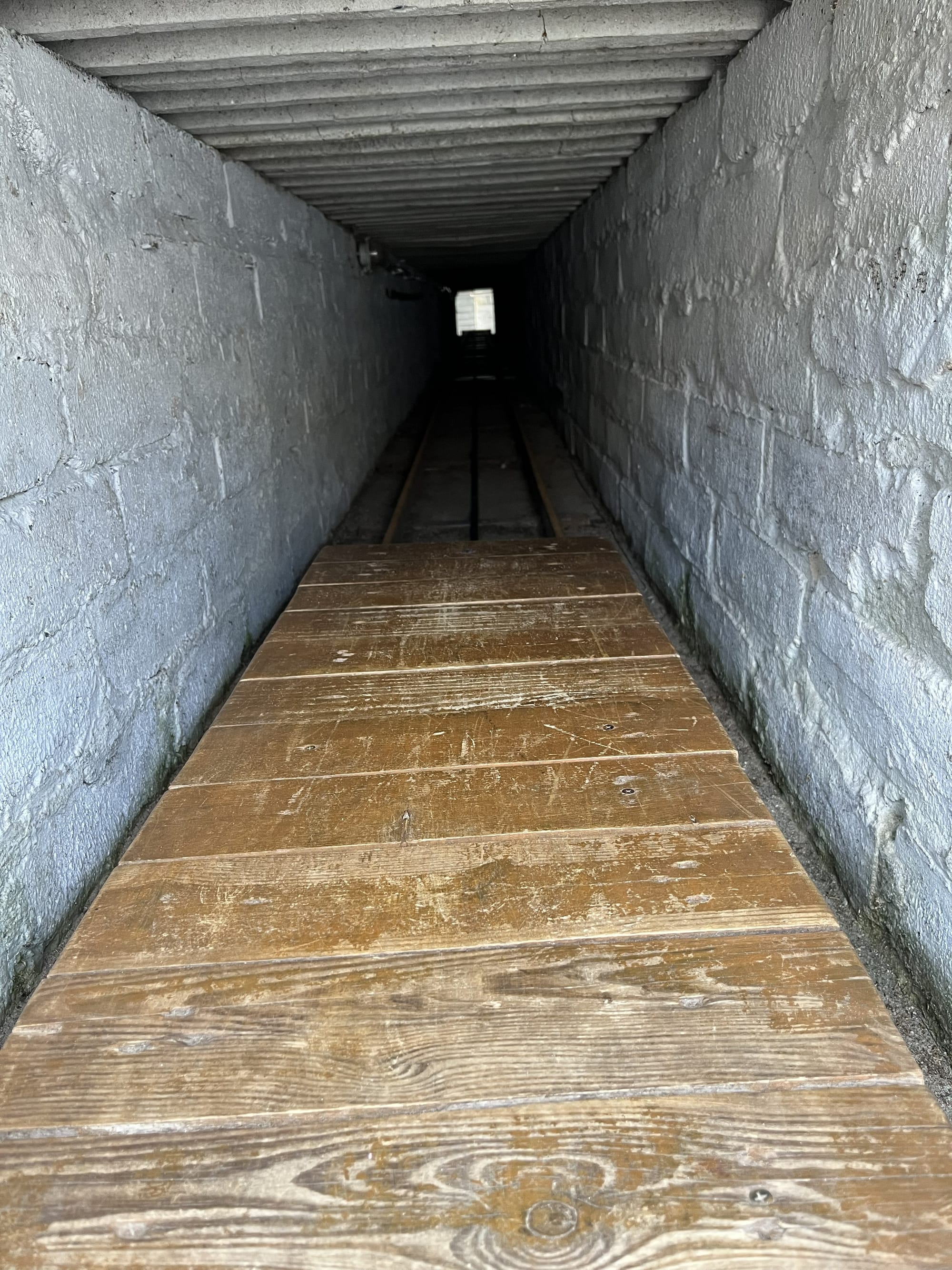
Żagań is the town where Stalag Luft III was and for anyone who doesn't know what it was, it was a POW camp during WW2 that was made famous by the Great Escape. I went to the museum there, which is also where Richard Hammond and Jeremy Clarkson went to, when they did there Eurocrash Grand Tour special. The museum was informative, has a replica of one of the old watchtowers and a replica of the mine cart, track and pulley system they used in the tunnel that they built.
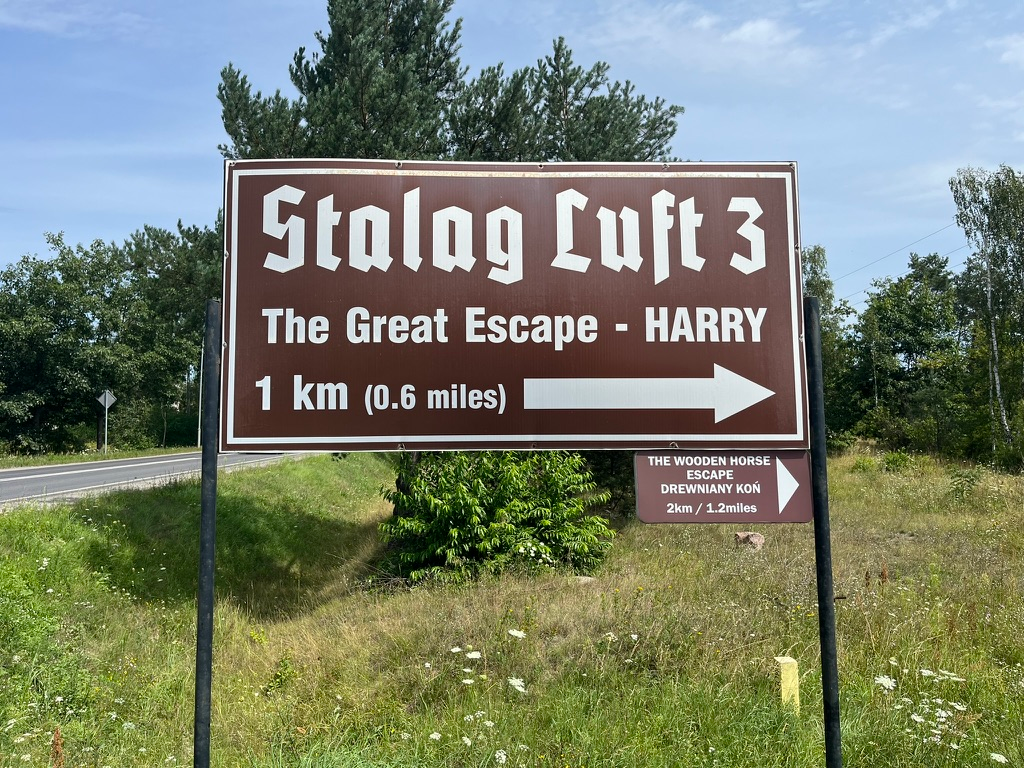
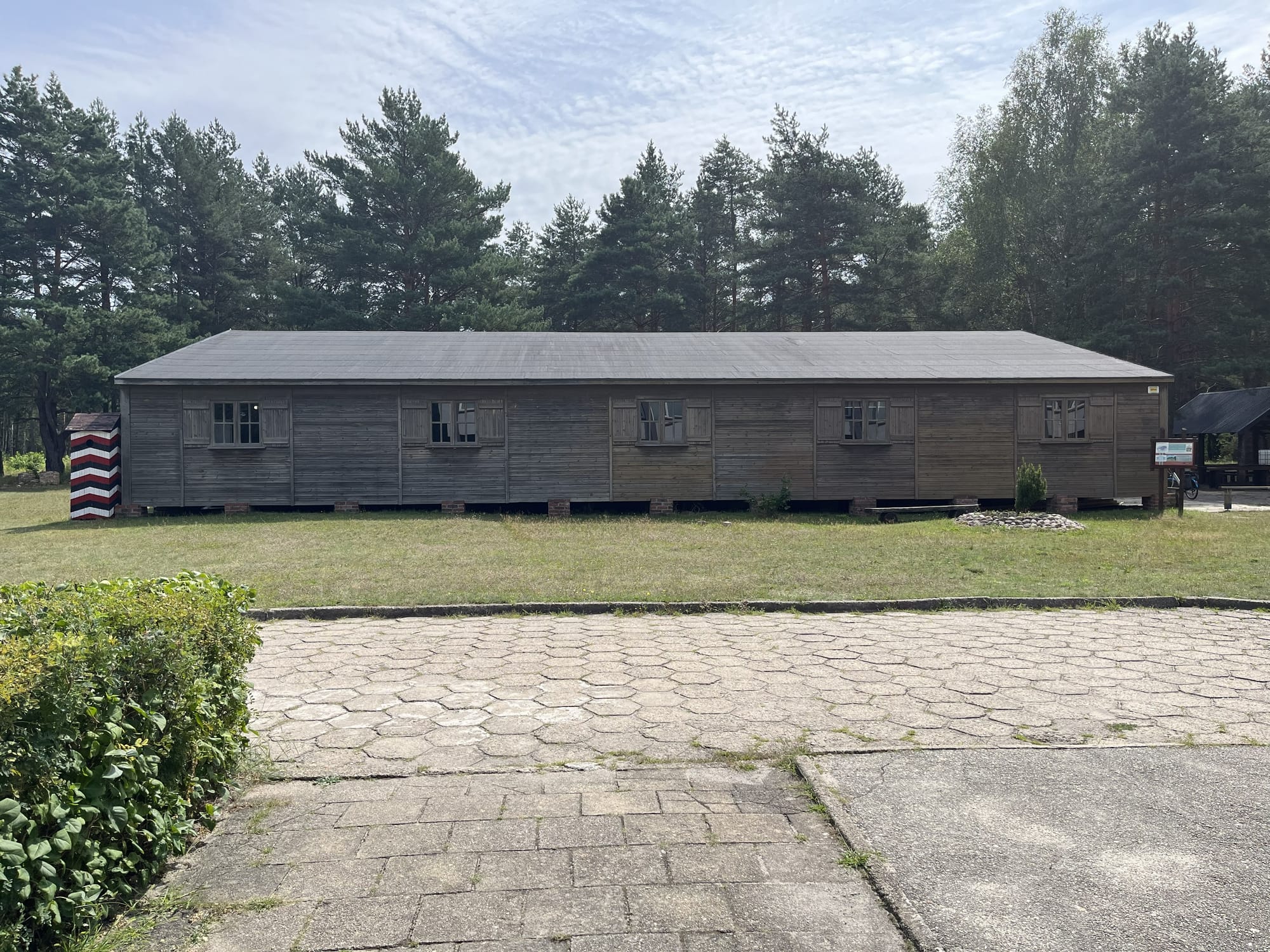
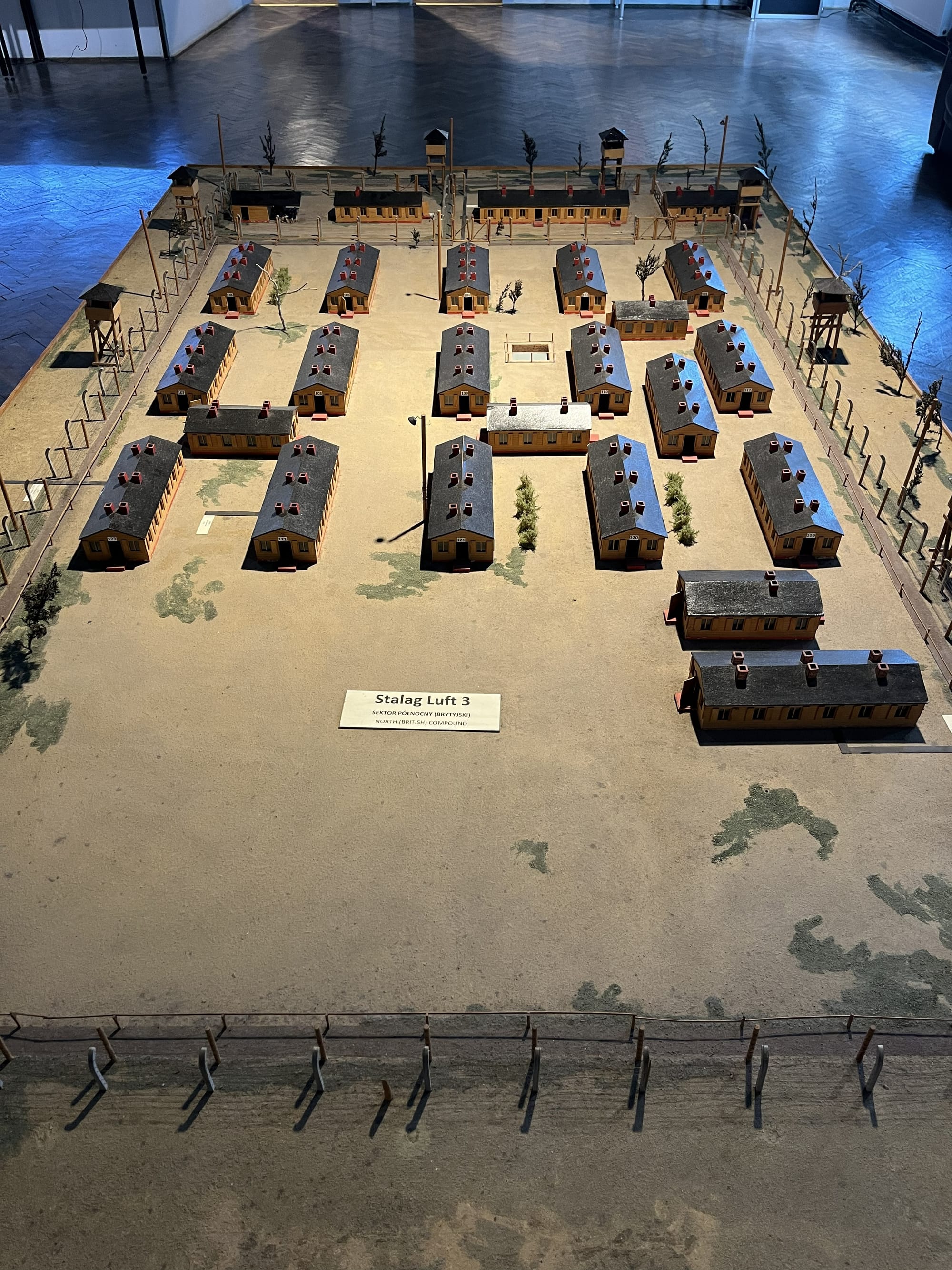
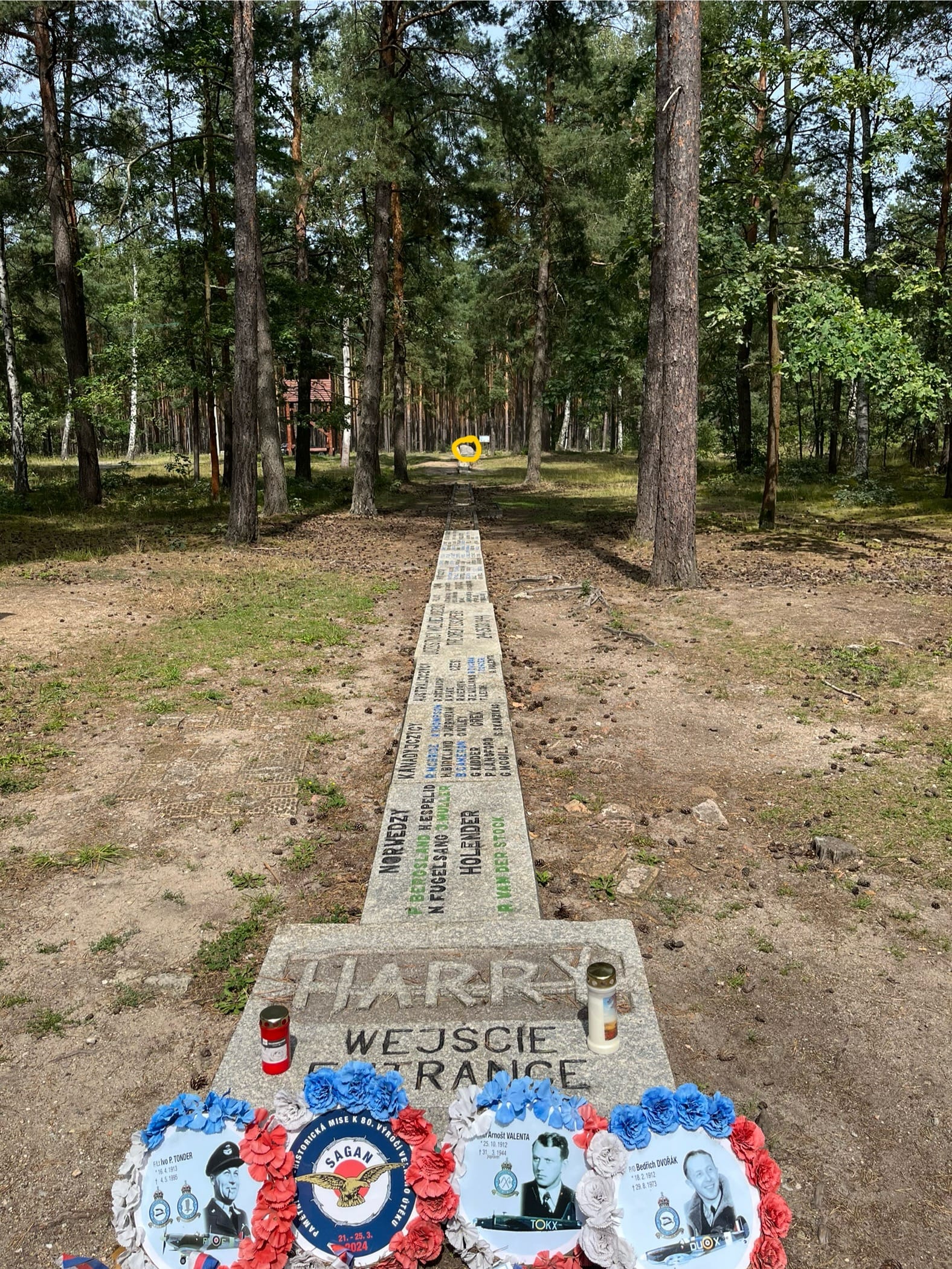
Roadside signage near the former Stalag Luft III prisoner-of-war camp directs visitors to key locations associated with the famous Great Escape and Wooden Horse escape attempts during the Second World War.A reconstructed prisoner barrack at the former Stalag Luft III camp offers visitors a glimpse into the living conditions endured by Allied prisoners of war, including those involved in the Great Escape.Scale model of the North Compound at Stalag Luft III, showing rows of prisoner barracks, watchtowers, perimeter fencing and camp buildings arranged within the former prisoner-of-war camp.A reconstructed guard tower marks the entrance to the Stalag Luft III Museum, preserving the history of the prisoner-of-war camp best known for the Great Escape of March 1944.A replica escape tunnel at the Stalag Luft III Museum demonstrates the cramped conditions faced by Allied prisoners of war who secretly dug tunnels for escape attempts, including those connected to the Great Escape.The memorial at the entrance to Tunnel Harry commemorates the prisoners of war who took part in the Great Escape from Stalag Luft III in March 1944, one of the most famous escape attempts of the Second World War.
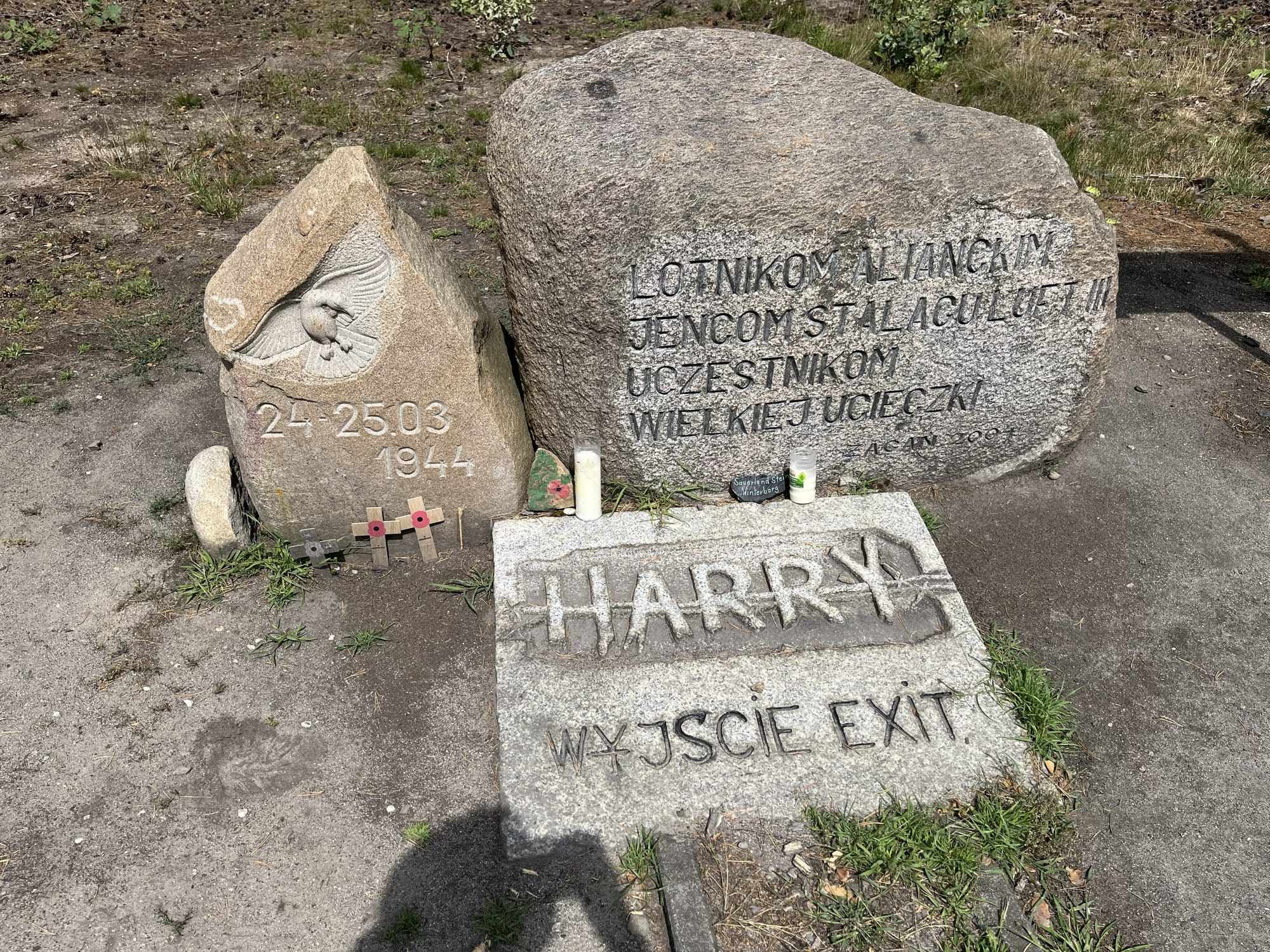
Originally there were 3 tunnels, called Tom, Dick and Harry, but the first two were discovered by the Germans and destroyed. The completed Harry tunnel was about 100 meters in length, was about 9 meters deep and out of the 76 brave POWs that managed to escape, only 3 managed to make it to freedom.
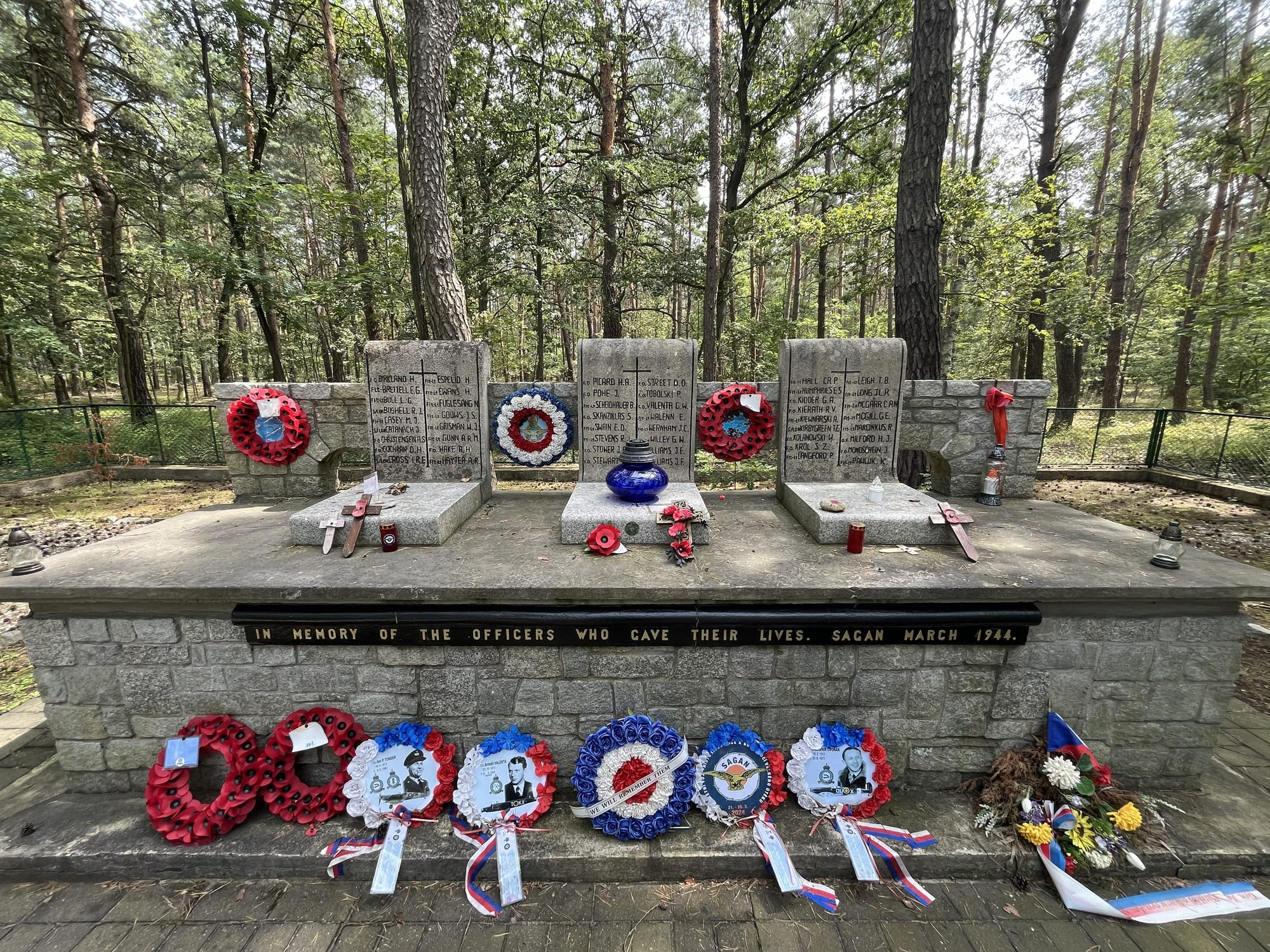
The memorial at the exit of Tunnel Harry commemorates the Allied airmen who escaped from Stalag Luft III during the Great Escape of March 1944, honouring one of the most famous prisoner-of-war escape attempts of the Second World War.The Great Escape Memorial at Stalag Luft III honours the fifty Allied airmen who were recaptured and executed after escaping from the camp in March 1944, commemorating one of the most significant prisoner-of-war stories of the Second World War.
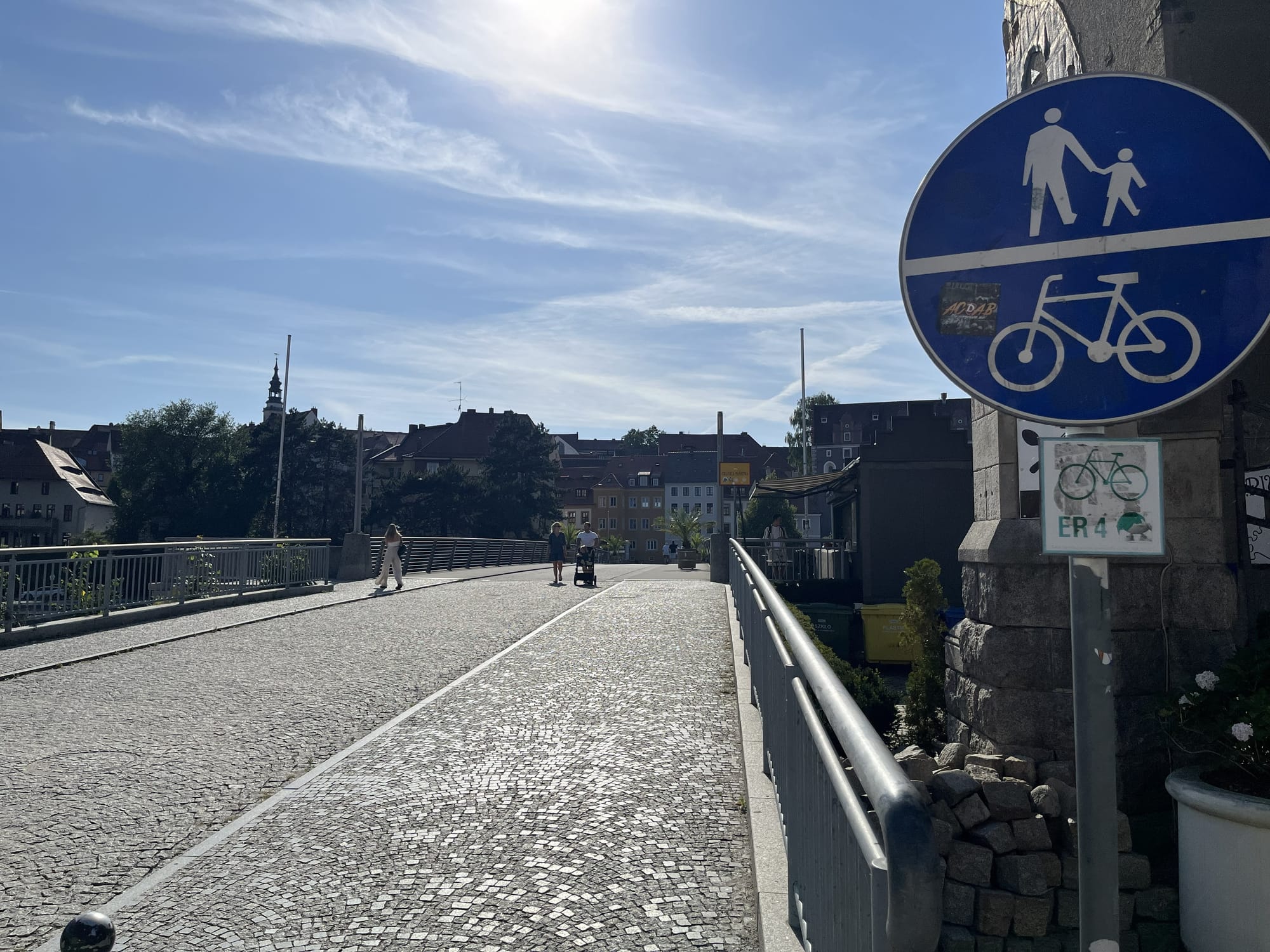
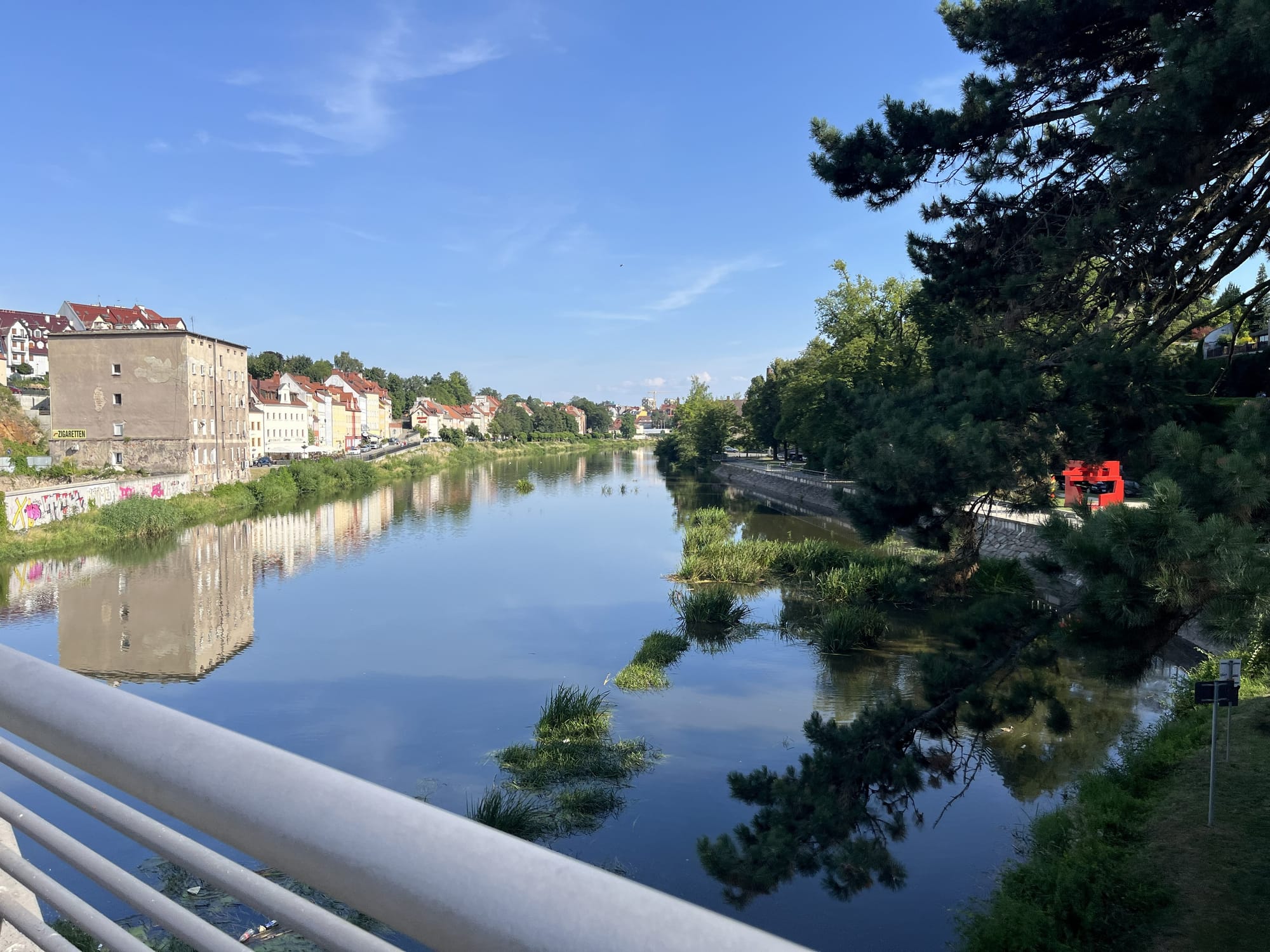
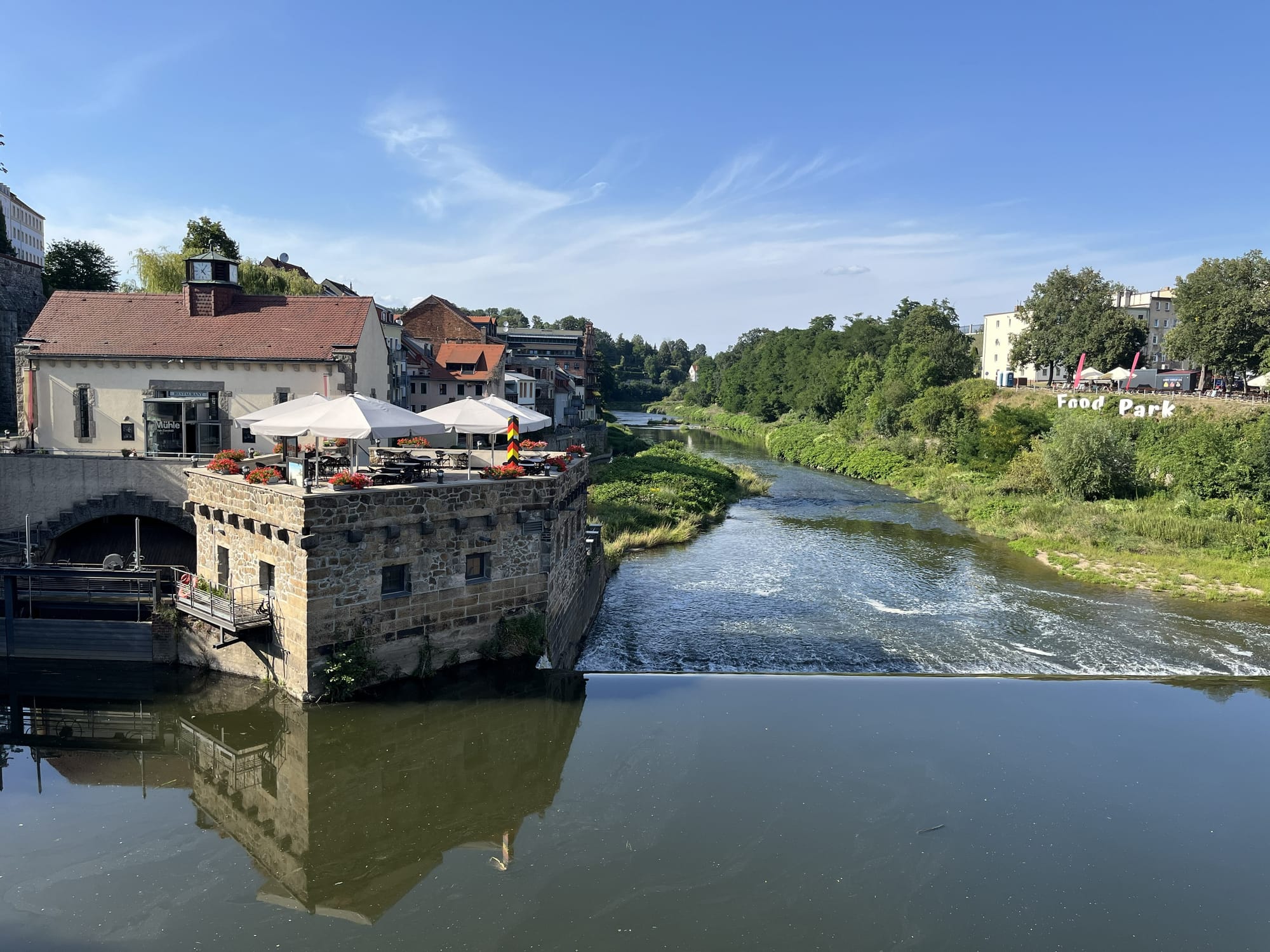
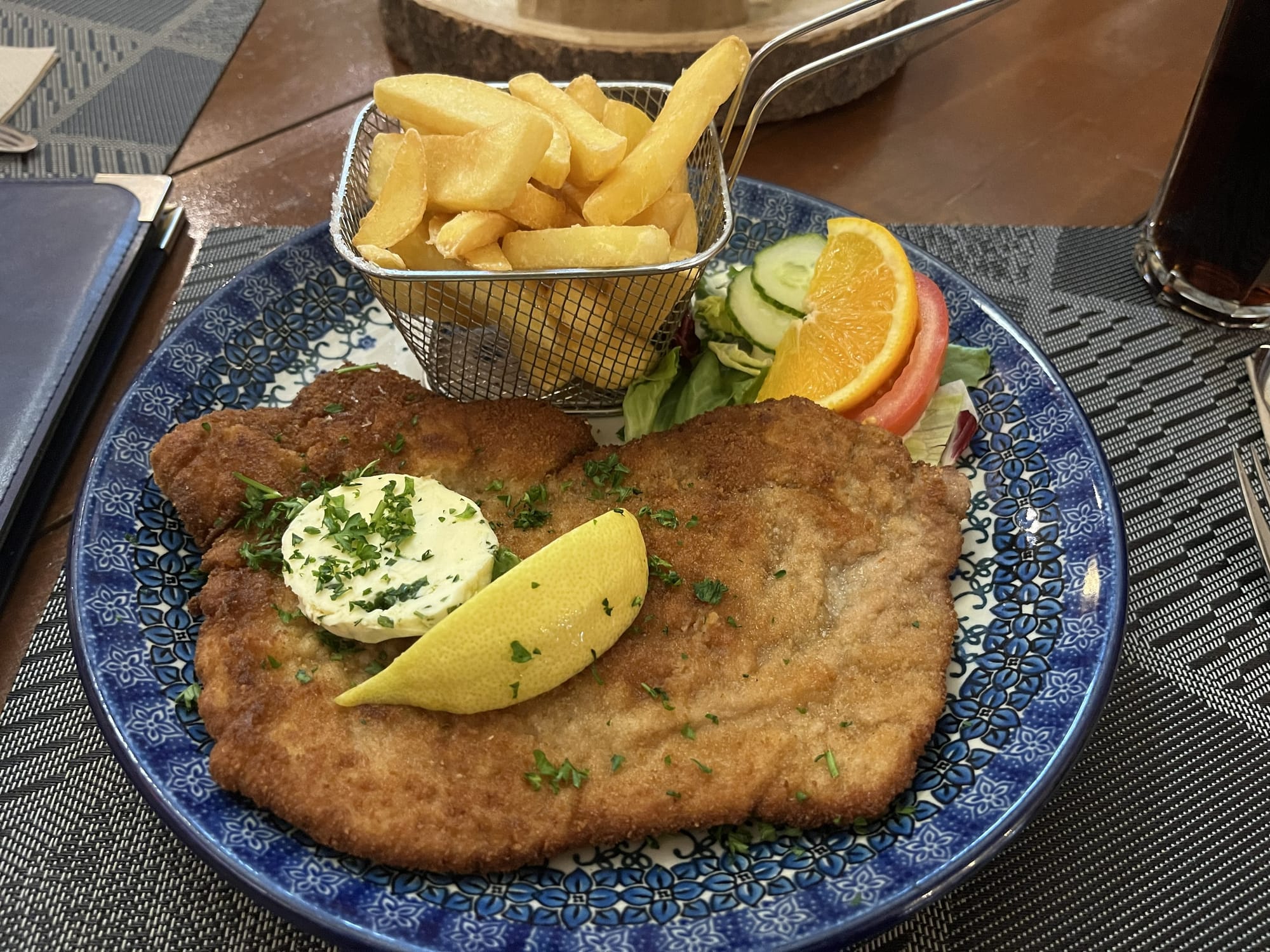
I decided that same evening that I would cross into Germany to Gorlitz (the town opposite the river from Zgorzelec) as I wanted to check out the Germany side of the town as well. Because it is all part of the Schengen zone, it surprised me with how easy it was to walk over a bridge from the Polish side to the German side, though I could compare it to going from England to Scotland. While I was over on the German side, I stopped by a pub and got some proper schnitzel, and it was delicious.
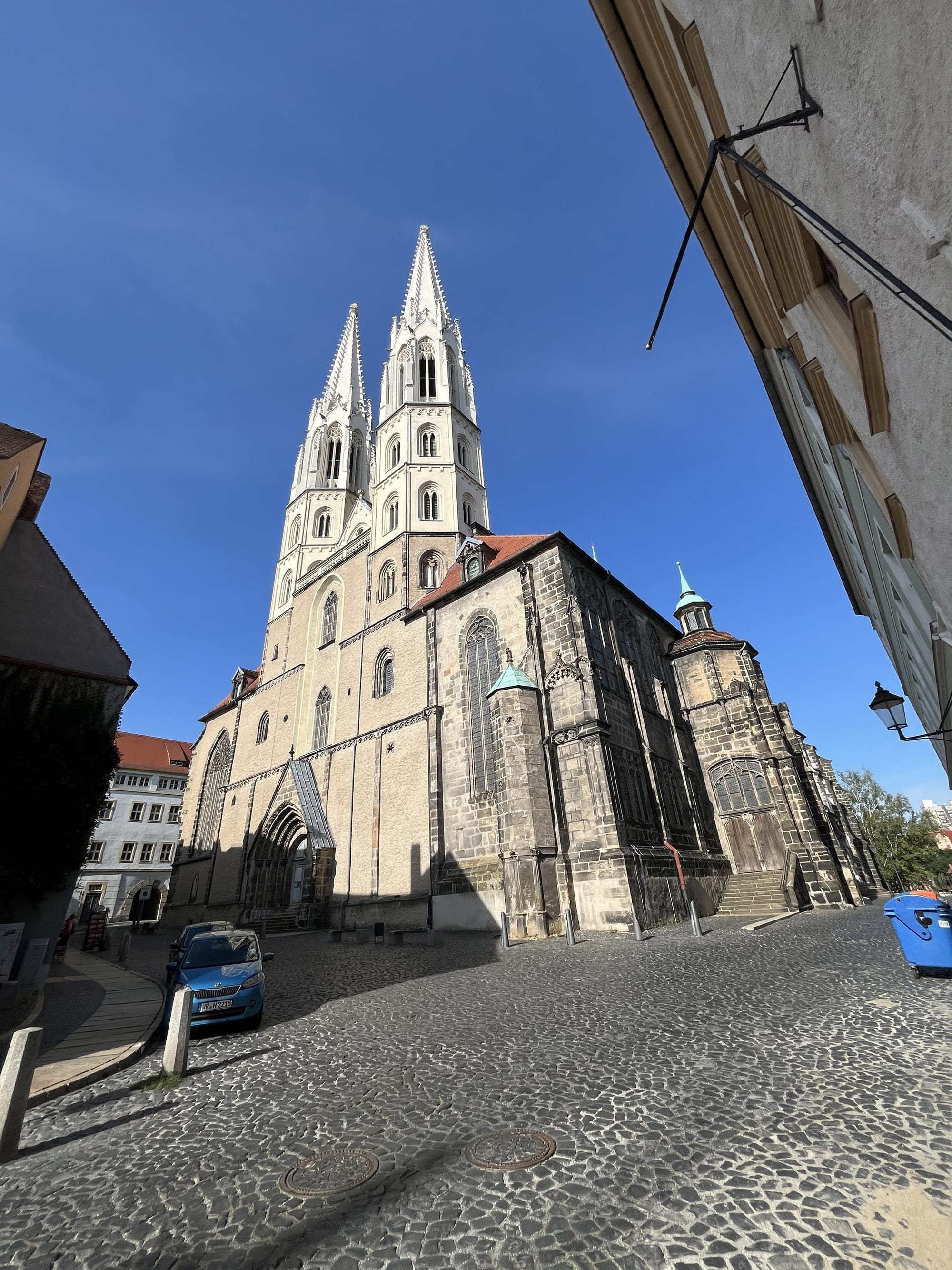
The Old Town Bridge spans the River Neisse between Zgorzelec and Görlitz, reconnecting the historic city divided between Poland and Germany after the Second World War.Looking along the River Neisse from the Old Town Bridge, which links Zgorzelec in Poland with Görlitz in Germany, reconnecting the historic city divided after the Second World War.A picturesque view along the River Neisse from the Old Town Bridge, with the historic riverside architecture of Görlitz and its waterside cafés reflecting the city's well-preserved heritage.The twin towers of St Peter's Church dominate the skyline of Görlitz, reflecting the city's rich medieval heritage and well-preserved historic architecture.Large breaded schnitzel served on a patterned plate with chips, a lemon wedge, herb butter and a small side salad.
One thing to also note, is that because Germany and Poland and both part of the Schengen Zone, it is very easy to pop between the two with no border checks and stuff, just like in the video below. It was definitely a foreign concept to me, living in the UK, but I supposed thinking about it, it is just like going from England to Scotland or Wales like I do every now and then.
0:00
/0:04
Getting ready to cross the Old Town Bridge from Zgorzelec to Görlitz.
0:00
/1:26
Showing how easy it is to cross the border from Zgorzelec, Poland to Görlitz, Germany as they are both in the Schengen Area.
Driving Back to Krakow
1st August
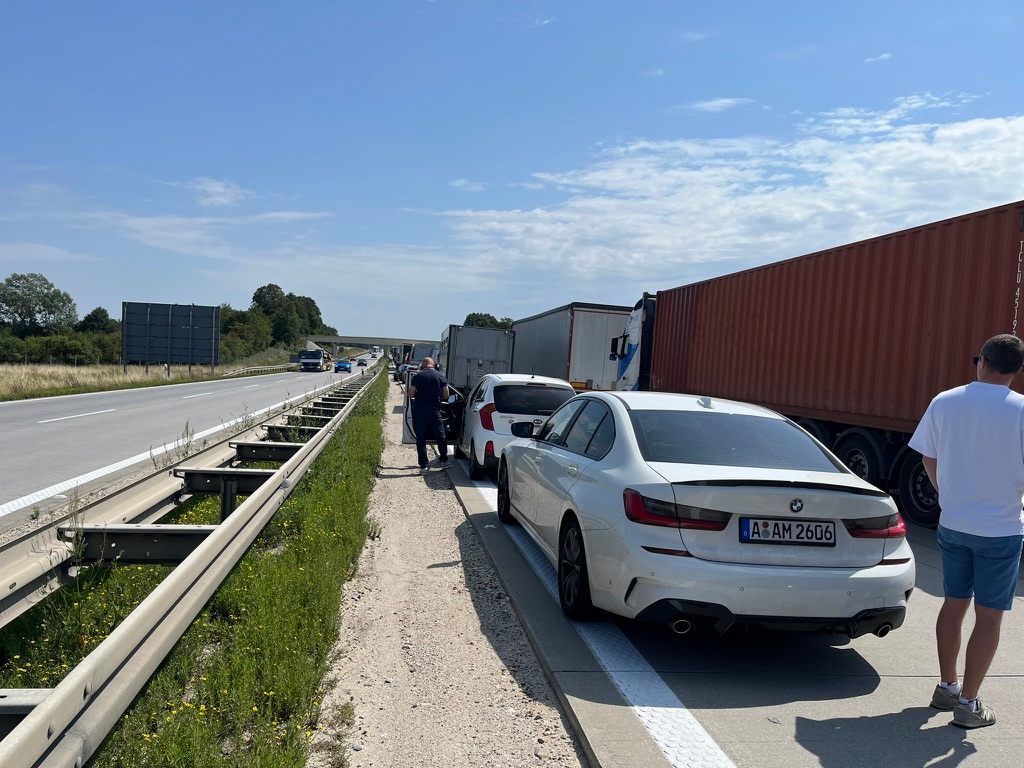
The day after I drove back from the Traditional hotel I was staying at back to Krakow, but like in any country, there had been an accident, and I got stuck on the Express way.
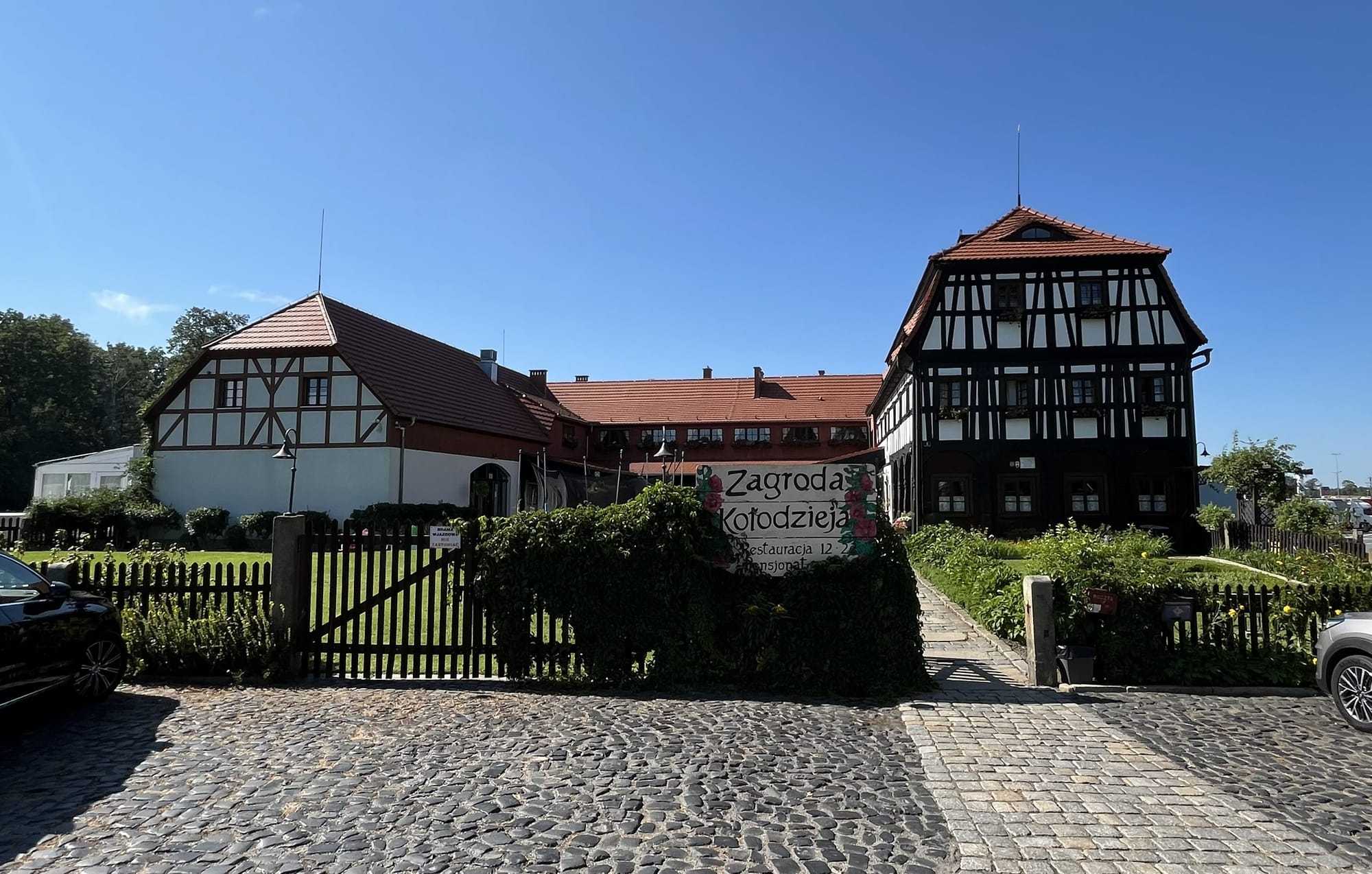
Zagroda Kołodzieja in Zgorzelec, my hotel during a visit to the Polish–German border region, is a beautifully restored Lusatian farmhouse complex showcasing traditional local architecture.Heavy traffic on the E40 near Jarostów while travelling back to Kraków, with long queues of cars and freight vehicles causing significant delays along the route.
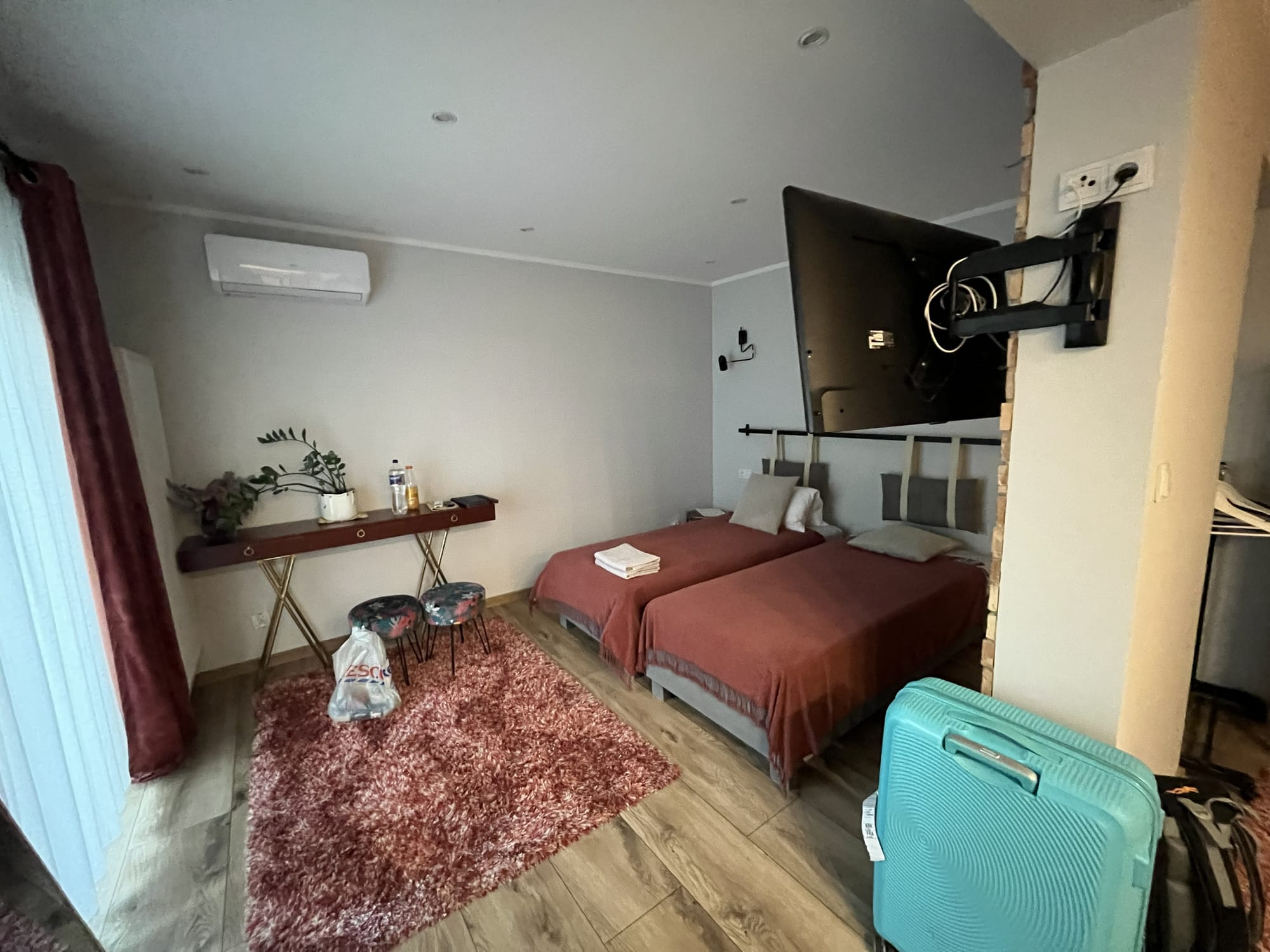
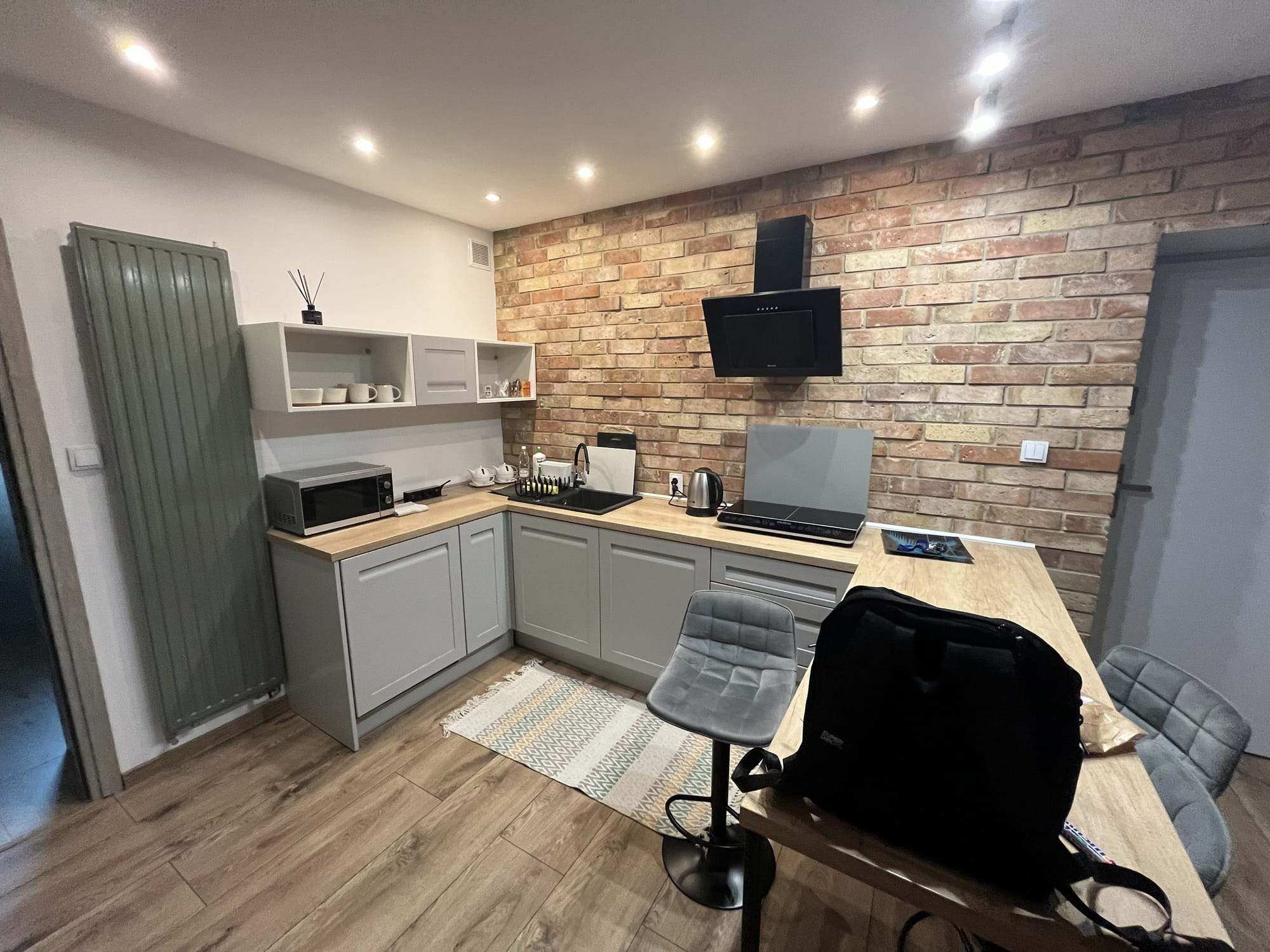
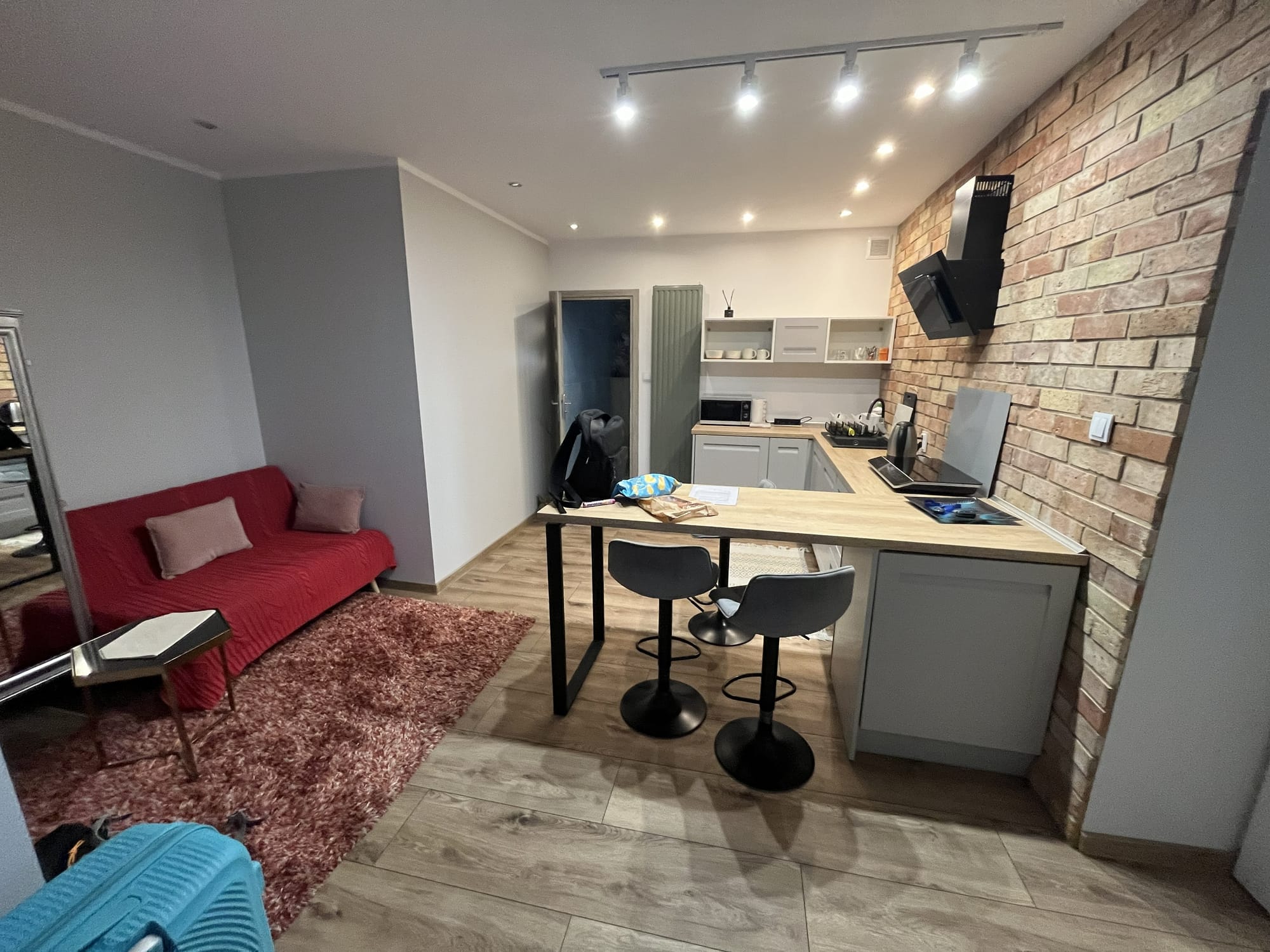
Back in Krakow, the place I stayed in was a very nice apartment, with everything I needed, tram links nearby and an Aldi within walking distance.
My apartment in Kraków near Borek Fałęcki station provided a comfortable base for the final part of the trip, with convenient transport links and easy access to the city.The apartment's well-equipped kitchen and dining area near Borek Fałęcki station in Kraków provided a comfortable space to relax and prepare meals during the final part of the trip.The open-plan living and kitchen area of my apartment near Borek Fałęcki station in Kraków, offering a comfortable space to relax after exploring the city and surrounding region.
Well, there is more to come from my adventure in Poland, including a Theme park. See you all next time!!!