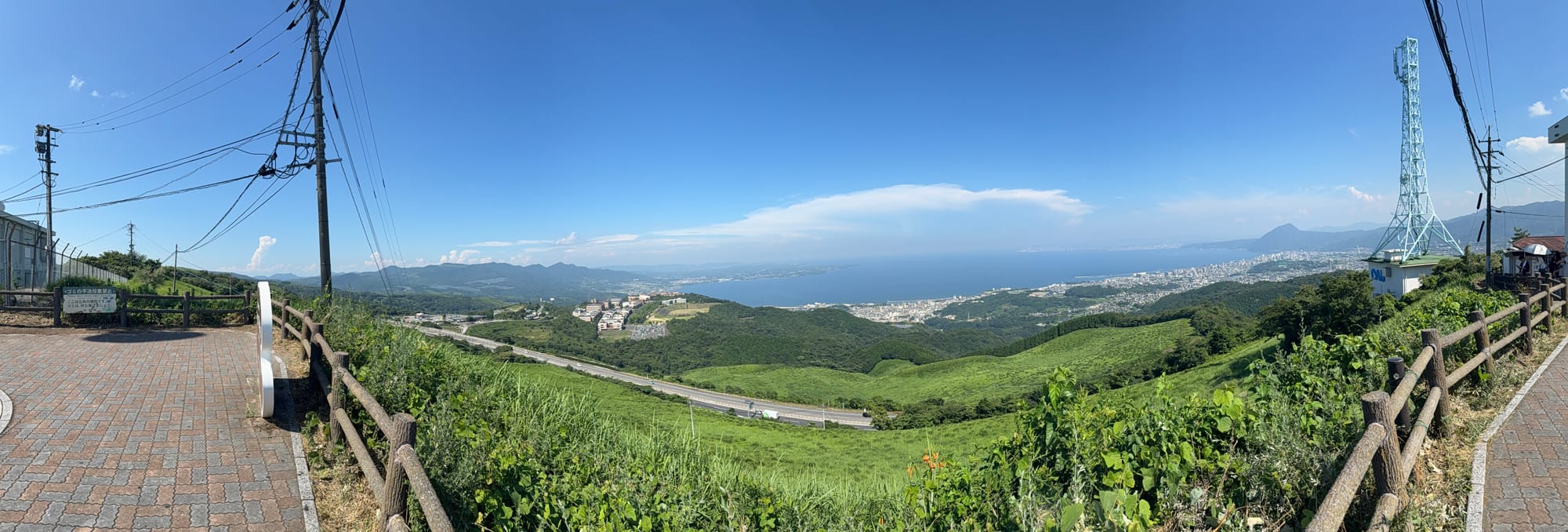
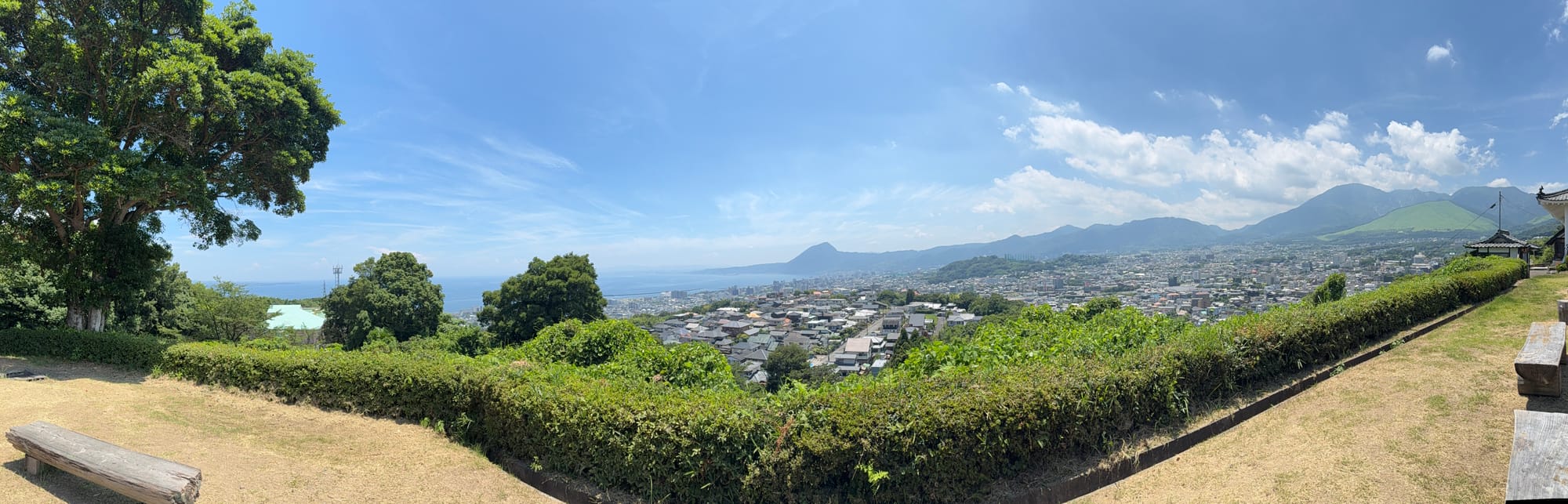
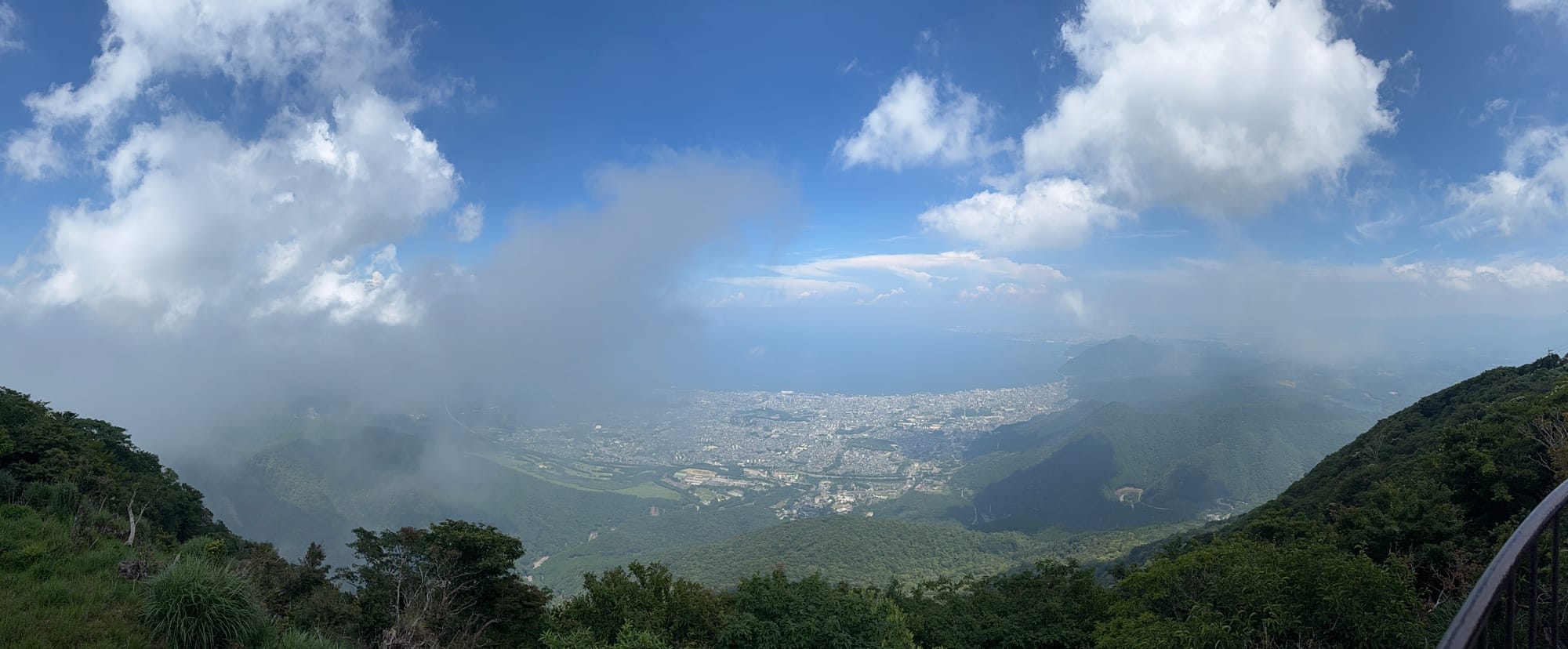
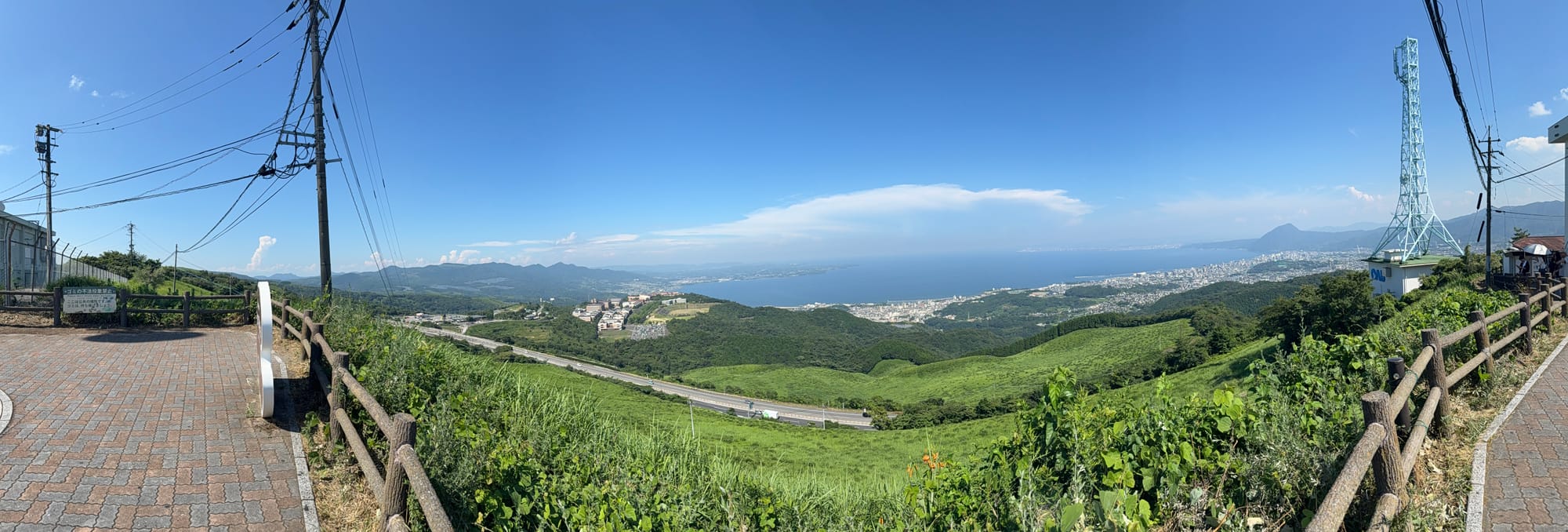
A spectacular panorama above Beppu reveals the city, Beppu Bay and the surrounding mountains, showcasing the dramatic landscape that makes this onsen resort one of Kyushu's most scenic destinations.
Without further ado, it is now time to head up the east coast of Kyushu to head to Beppu.
Heading to Beppu
26th July
Today I am catching 3 trains up the east coast of Kyushu to the hot spring coastal town of Beppu. Beppu does have good rail, plane and bus access to get to it, but it is still a big awkward to get to. The coastal route I am taking was my second choice, although I am not regretting it, sitting here is the nicely air-conditioned Green Class car.
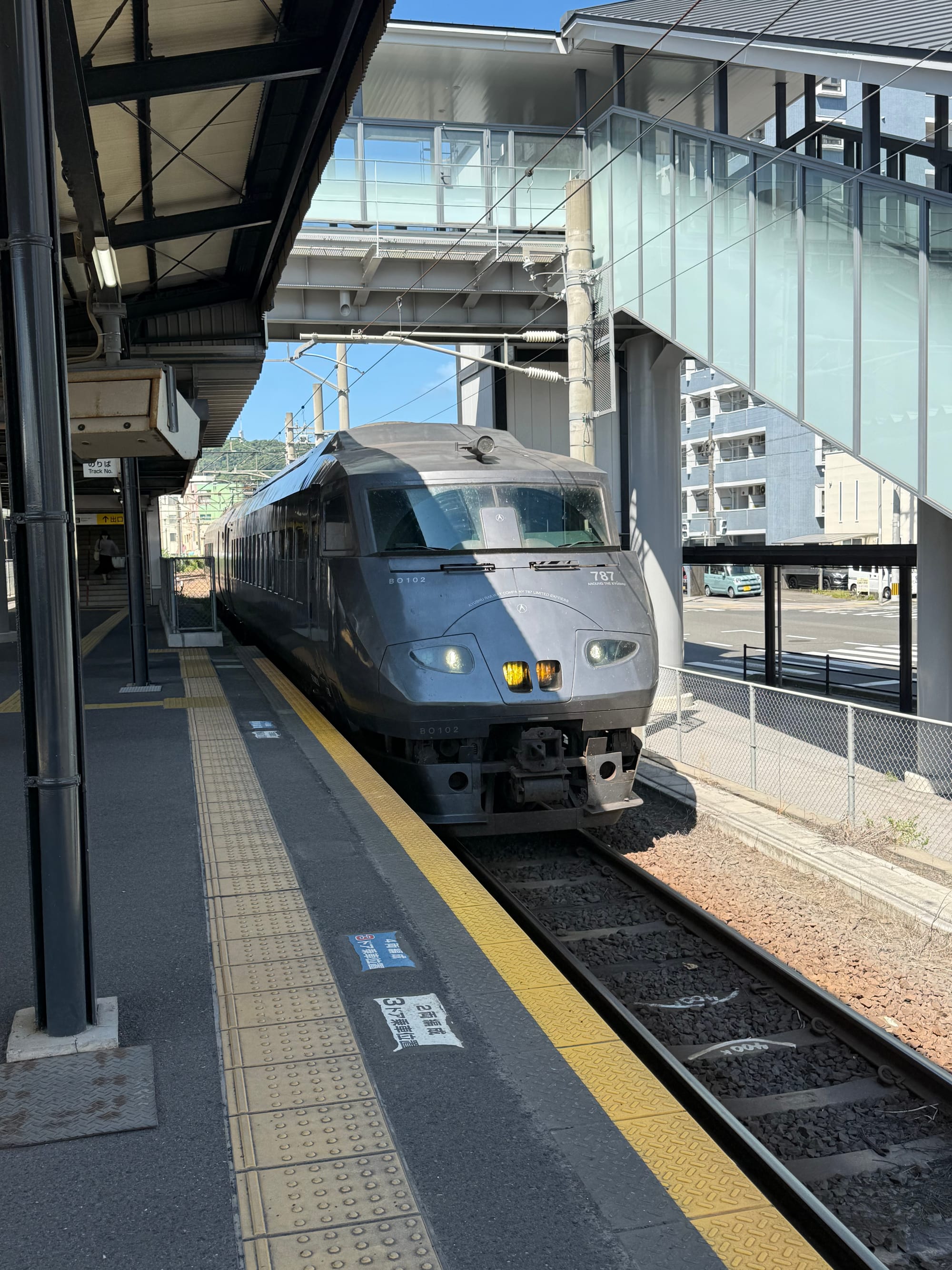
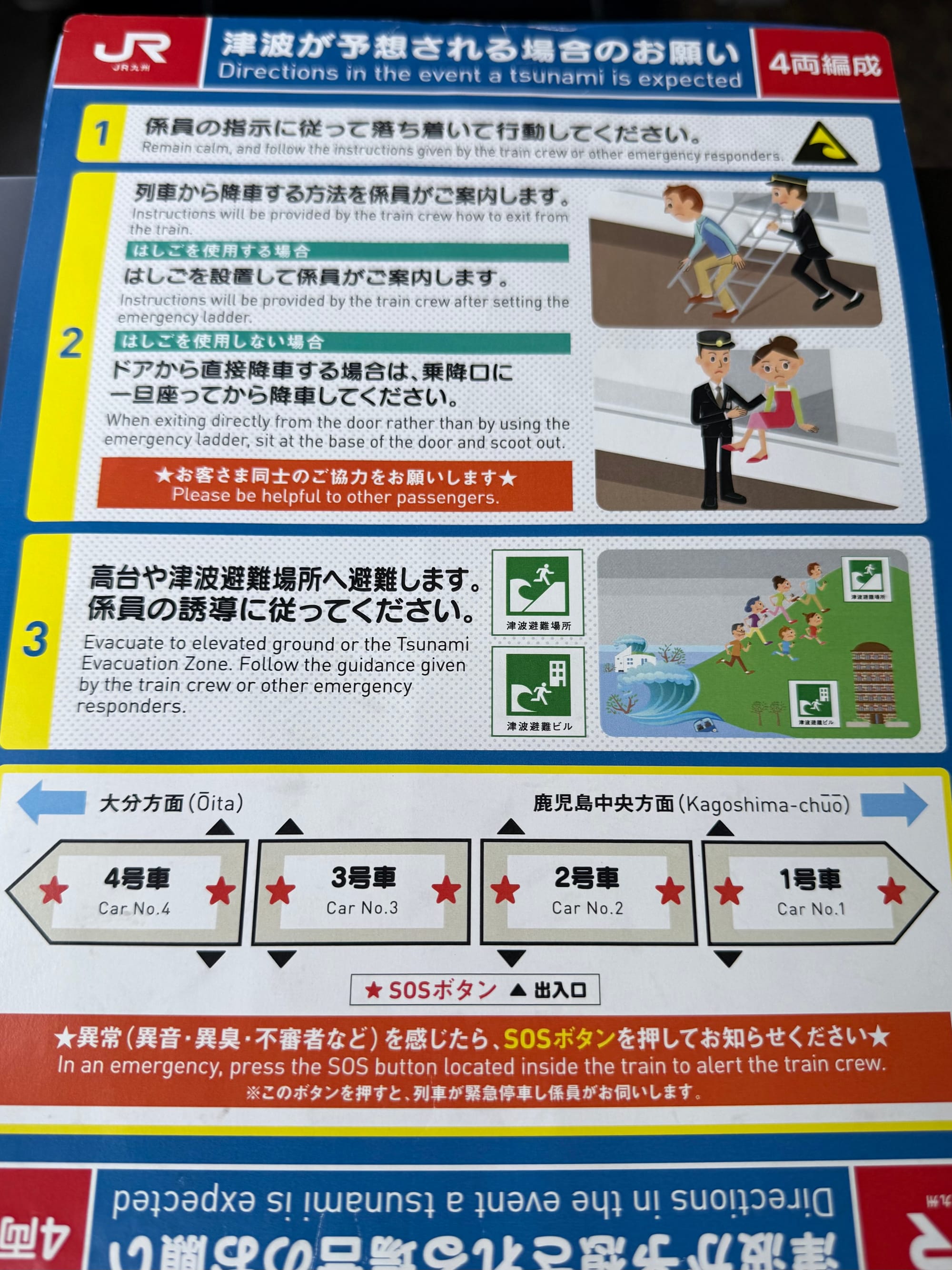
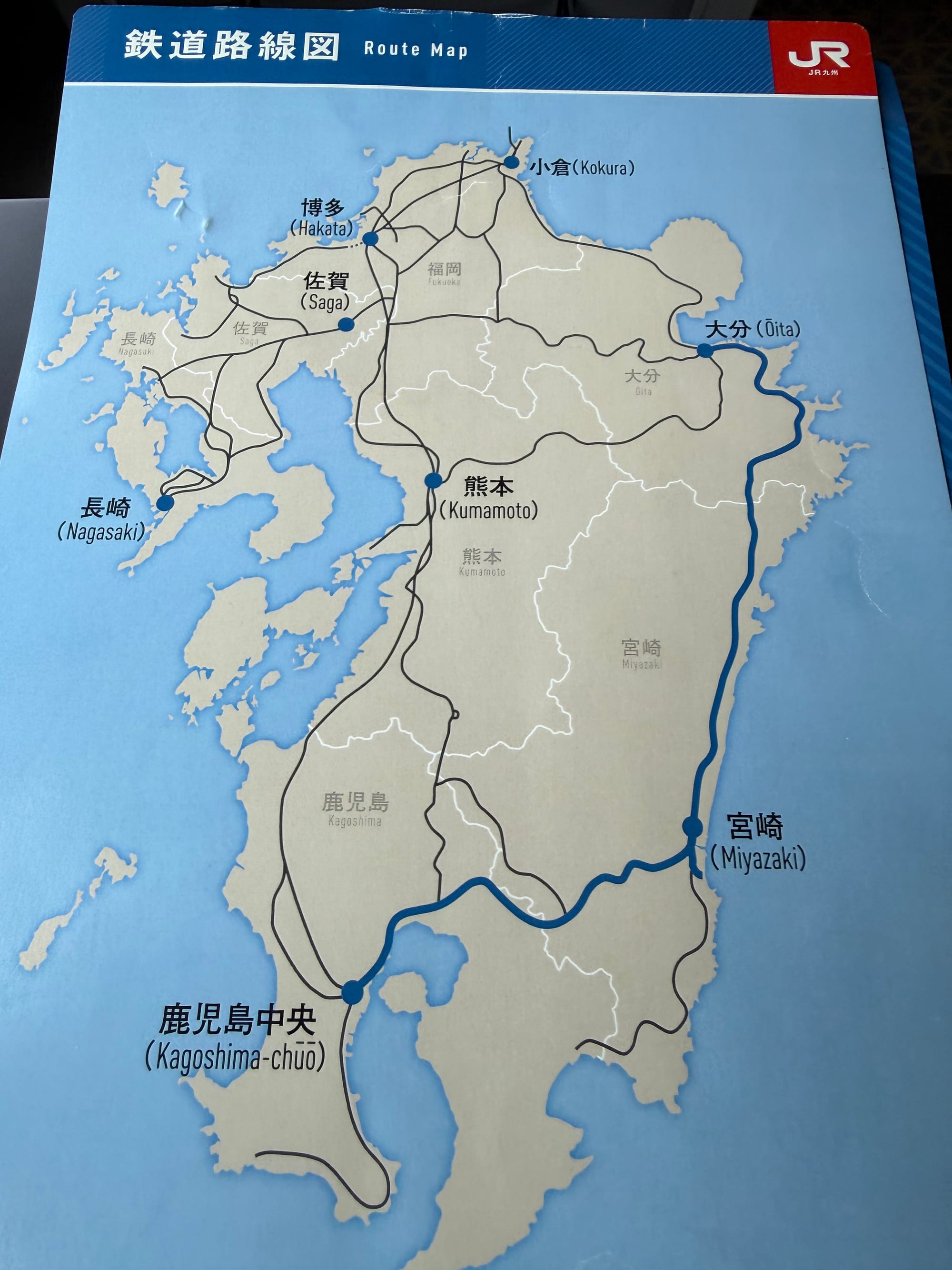
A JR Kyushu 787 Series limited express train waits at the platform in Kagoshima, showcasing one of Kyushu's most distinctive and recognisable train designs before departure.Travelling in the Green Car of a JR Kyushu 787 Series train, enjoying a more comfortable journey through Kyushu while heading north from Kagoshima.A safety notice on board the 787 Series explains the procedures to follow in the event of a tsunami, reflecting the importance of disaster preparedness on Japan's coastal railways.A route map on board the 787 Series illustrates the extensive JR Kyushu rail network, tracing my journey north from Kagoshima through some of Kyushu's major cities and destinations.
Originally, I planned to get the train from Kagoshima-Chuo up to Kumamoto and then get the Aso Boy Limited Express train all the way to Oita, but there is a catch, there are no places to really store luggage on the train as it is more a sightseeing limited express train, rather than a train taking you somewhere faster than a local one.
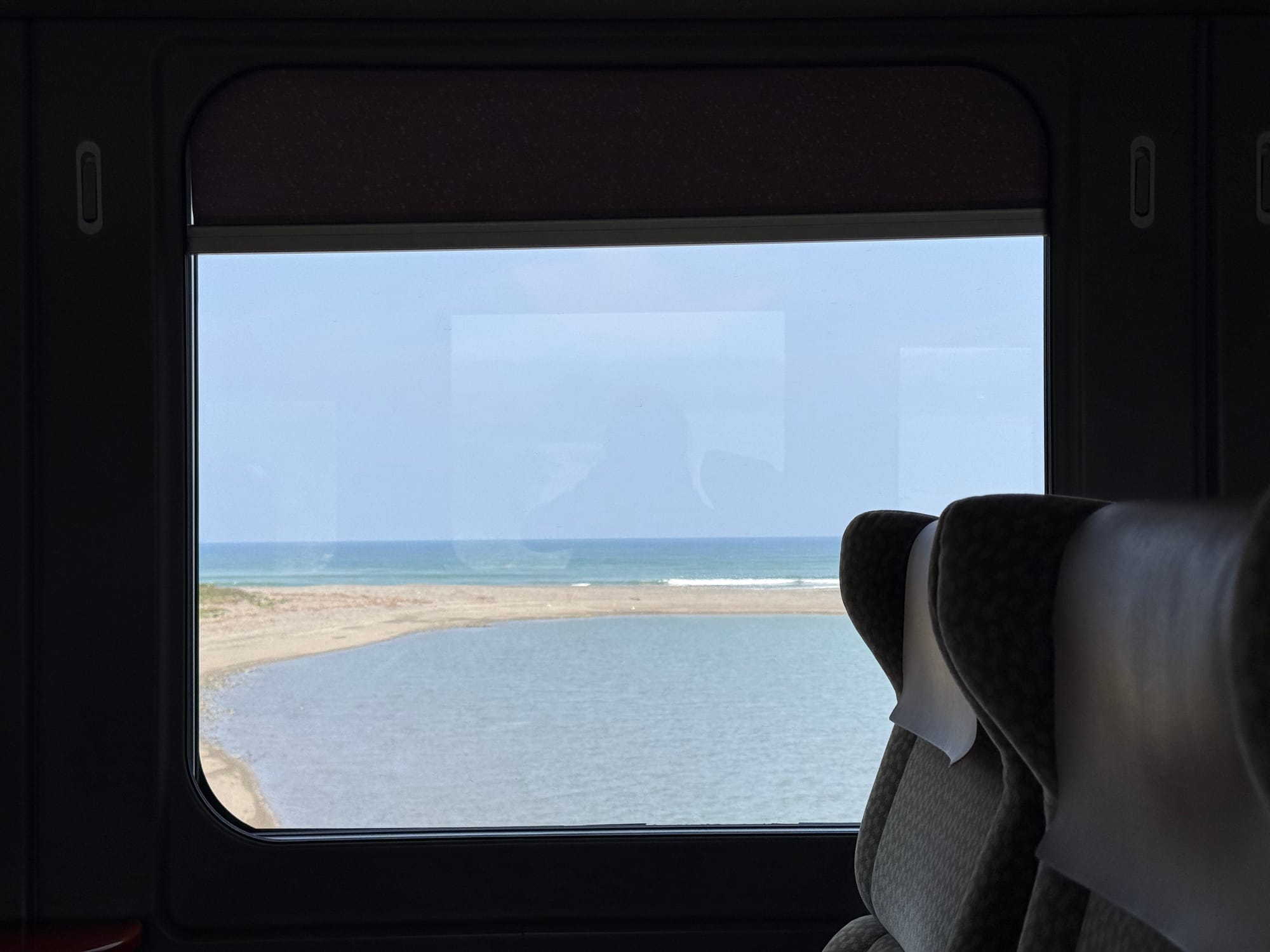
The journey north from Kagoshima follows Kyushu's coastline, offering views of sandy shores, lagoons and the open sea from the comfort of the 787 Series Green Car.
My next stop was Miyazaki where I changed trains to the next one Bound for Oita, which is where the Aso Boy train would have stopped as well.
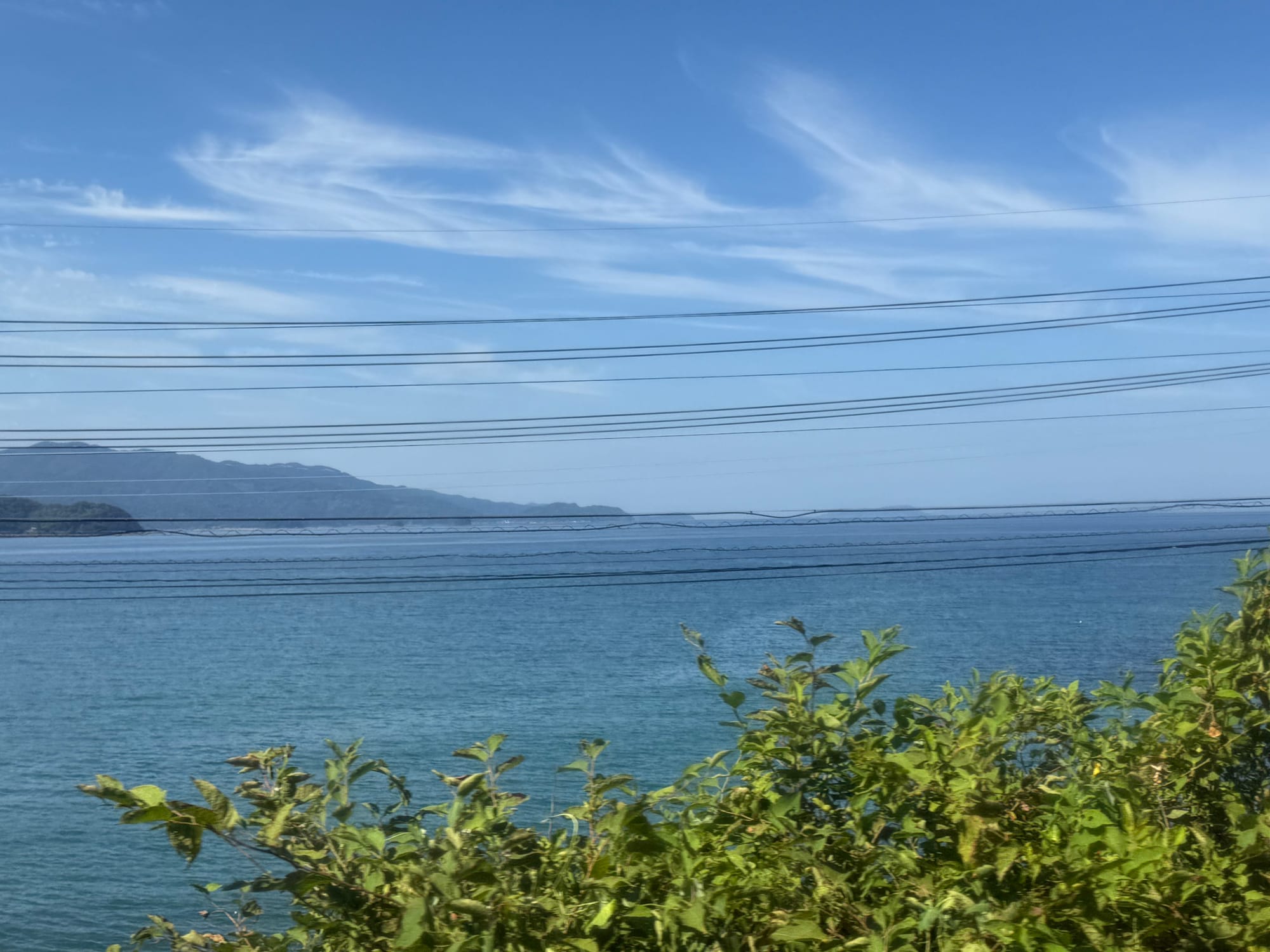
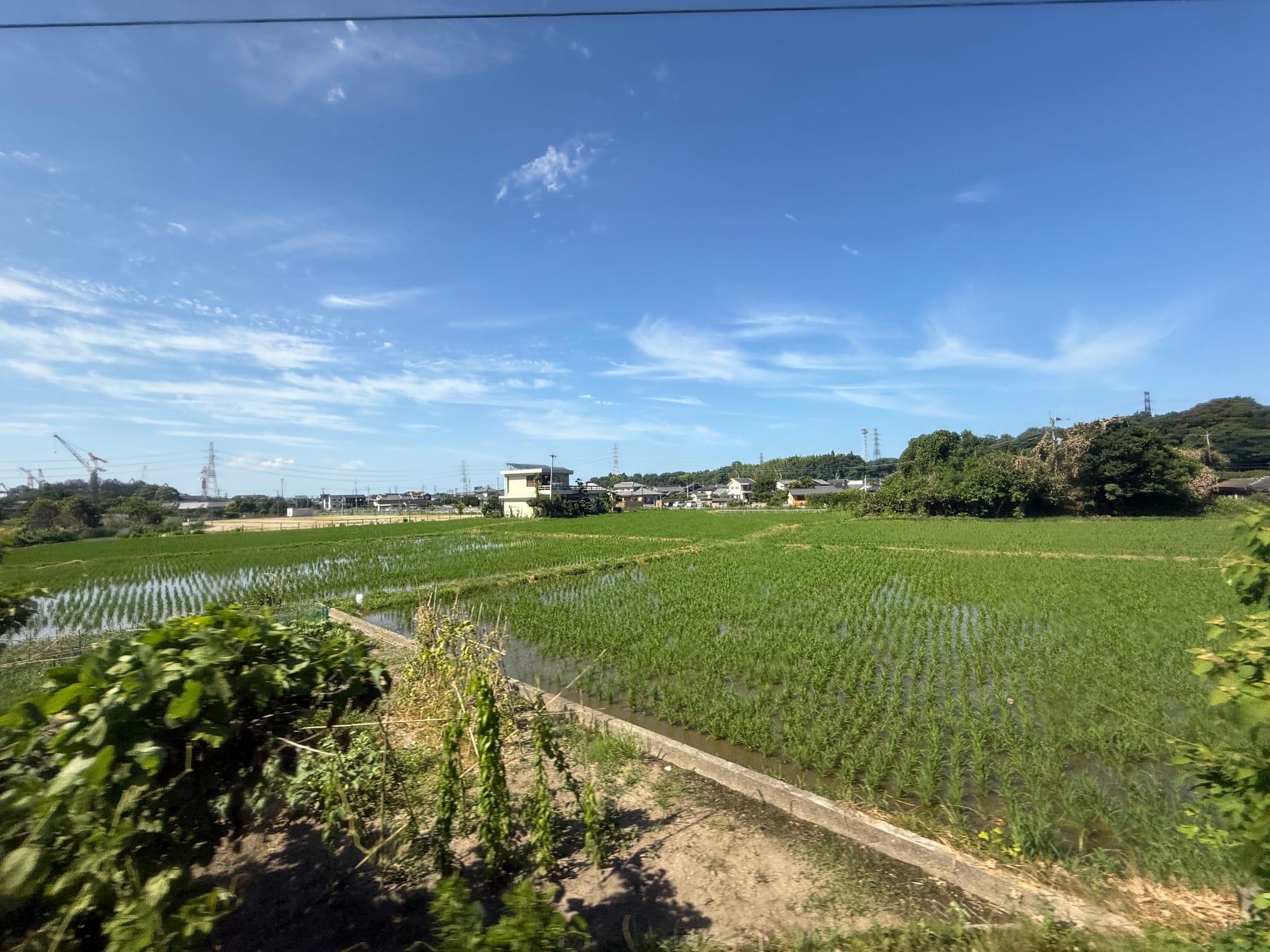
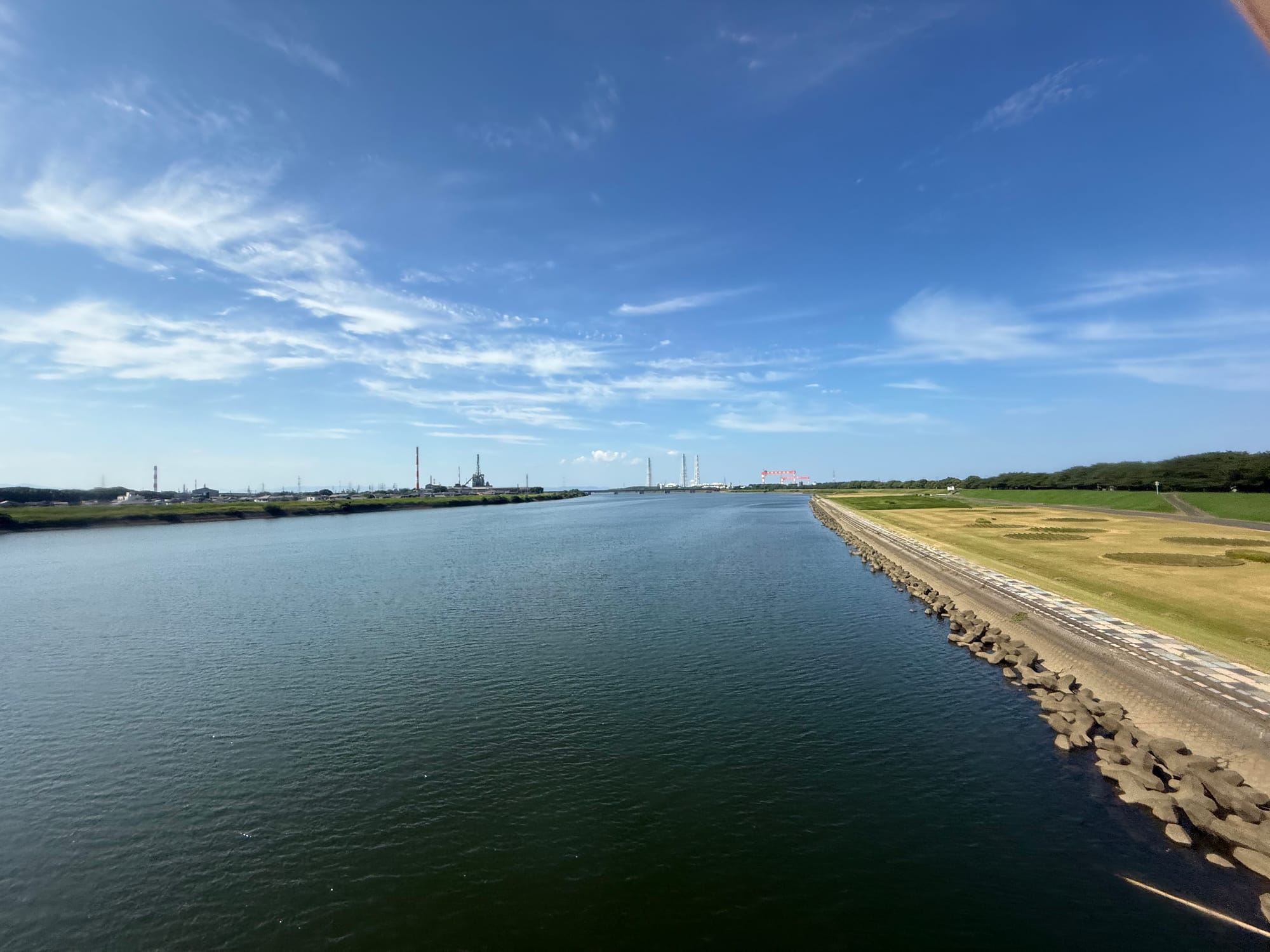
The 787 Series hugs Kyushu's eastern coast, offering beautiful views of the Pacific Ocean, forested headlands and clear summer skies during the journey north from Kagoshima.Travelling through the countryside of Kyushu on board the 787 Series, passing rice fields, rural communities and wide-open landscapes on the journey north from Kagoshima.Crossing a broad river on the journey through Kyushu, with expansive views of the water, riverside landscapes and the region's industrial skyline beneath clear summer skies.
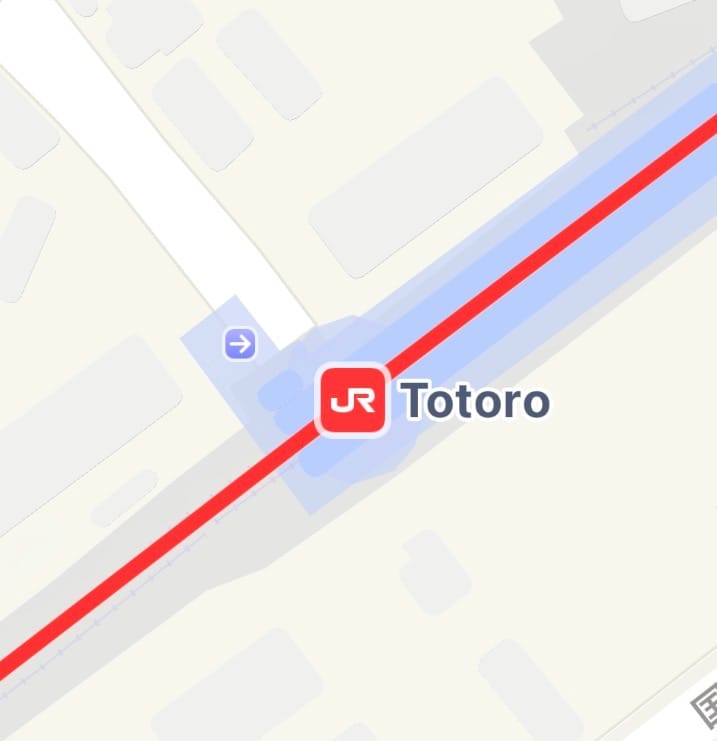
The train also stopped at a JR station called Totoro, which serves the city of Nobeoka. I did wonder if I was going to see a cat bus here or see my neighbour.
Passing through Totoro Station in Miyazaki Prefecture, a small stop on the JR Nippo Main Line that shares its name with the beloved Studio Ghibli character.
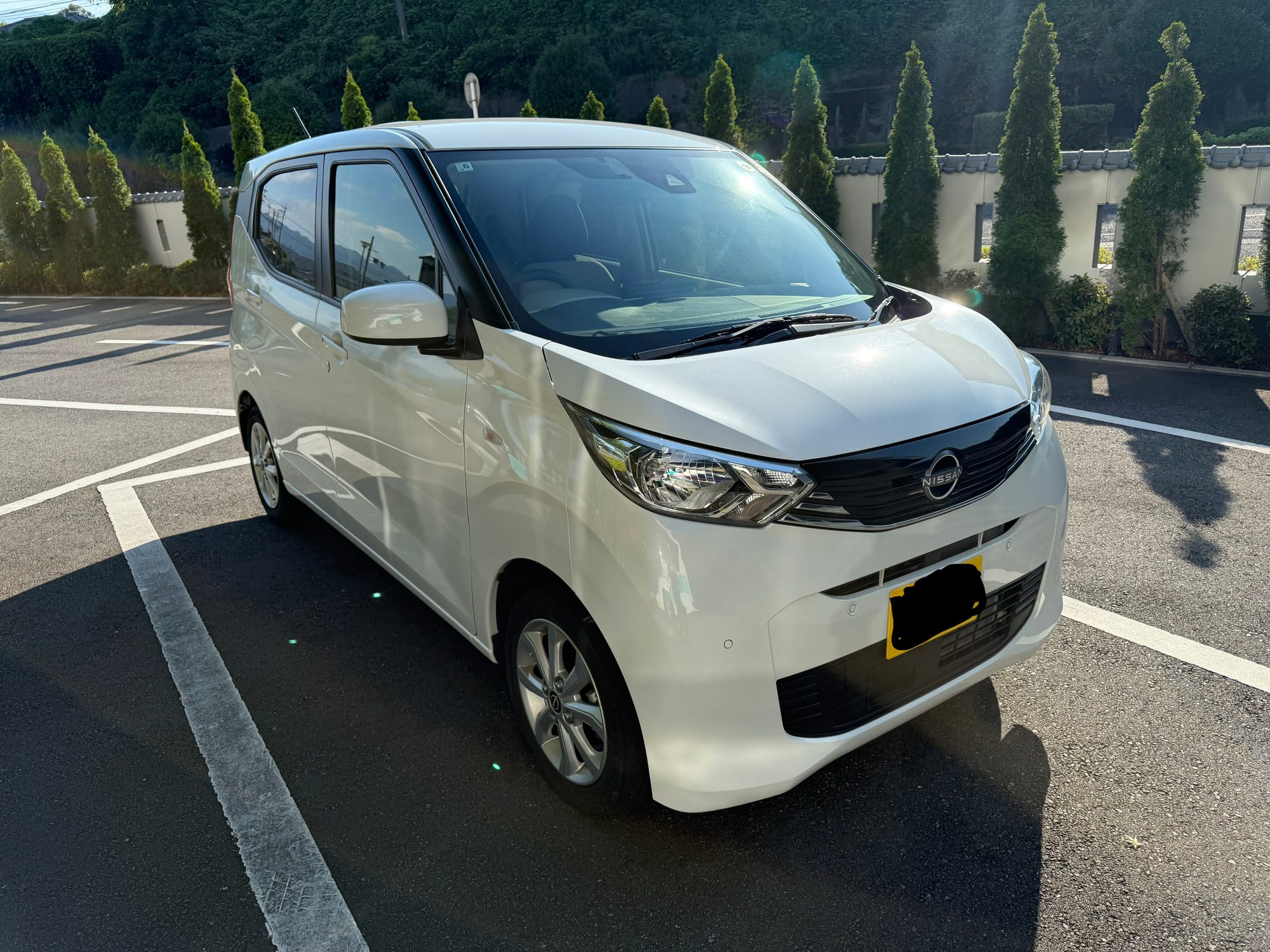
After this it is just a short commute to Beppu, where I stop taking trains everywhere and rent out my first car, which is also a Kei car no less, called the Nissan Dayz.
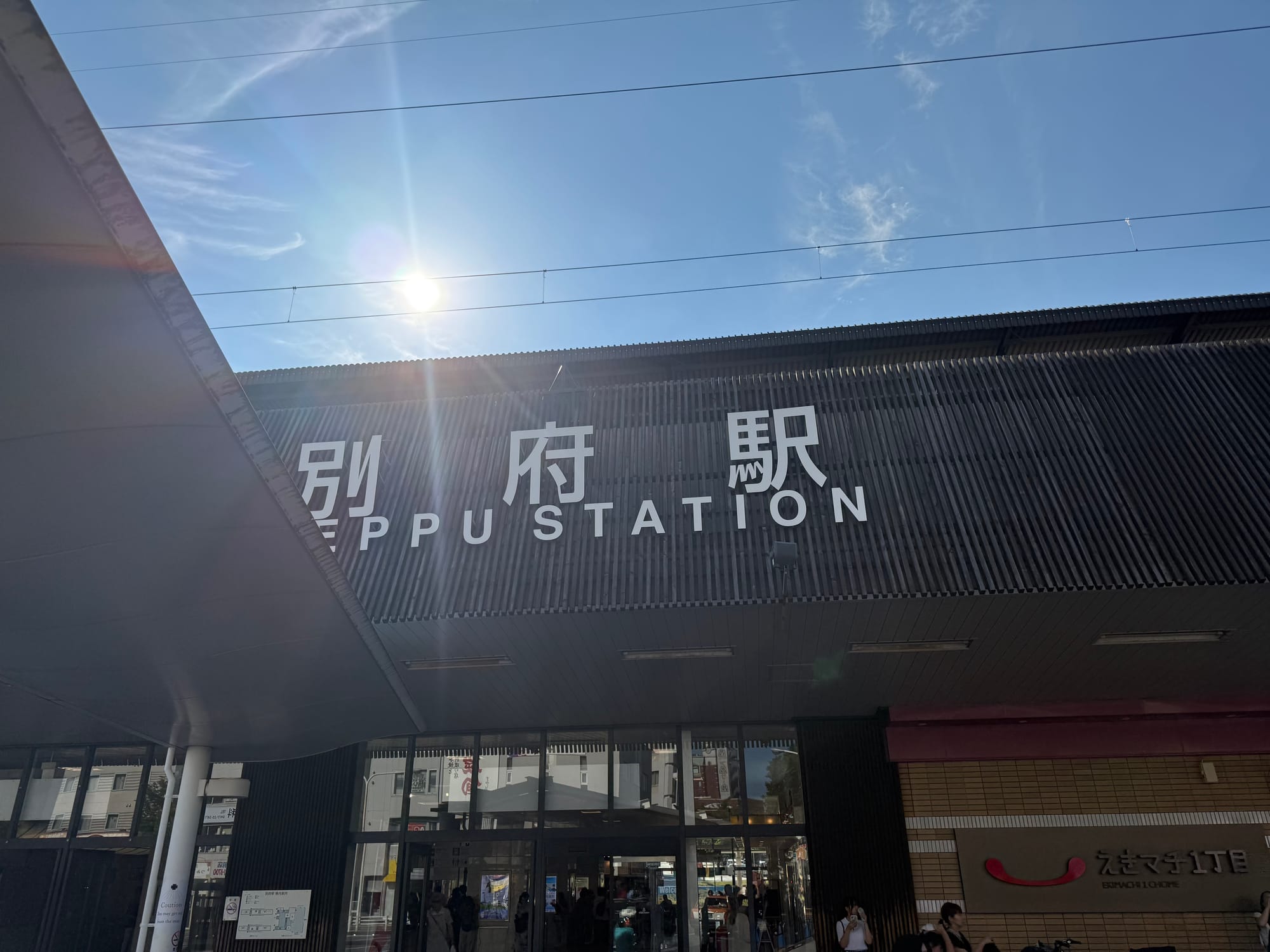
Arriving at Beppu Station, the gateway to one of Japan's most famous hot spring resorts and the starting point for exploring the city's onsen culture and scenic surroundings.
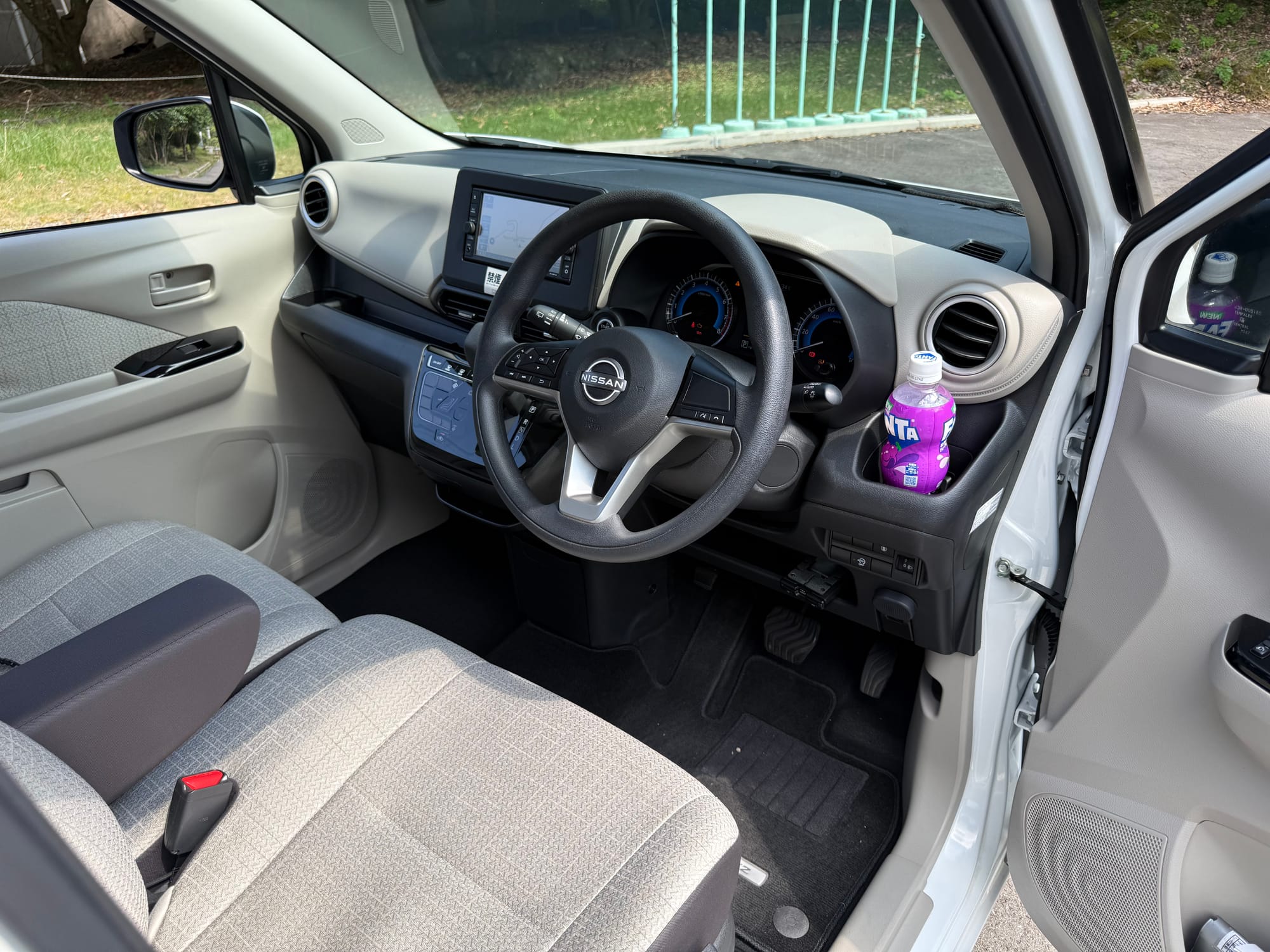
It has a 659cc engine, which is less than the one I did my motorbike test on, but it is also the first minicar to hold a five-star rating for safety performance. It still has some get up and go, but it feels weird driving this compared to my 2.0 litre Toyota Corolla estate back home, especially with how small it is and at least like America and Europe, they put the steering wheel on the correct side of the car! It's just a shame that they have to put everything in KPH.
My Nissan Dayz hire car in Beppu, providing the freedom to explore Kyushu's countryside, scenic viewpoints and hot spring resorts beyond the reach of the rail network.
It was also really comfortable inside and it reminded me more of a couch with seatbelts attached.
Inside my Nissan Dayz hire car in Beppu, preparing to explore Kyushu by road in one of Japan's popular kei cars, designed for efficient and comfortable travel.
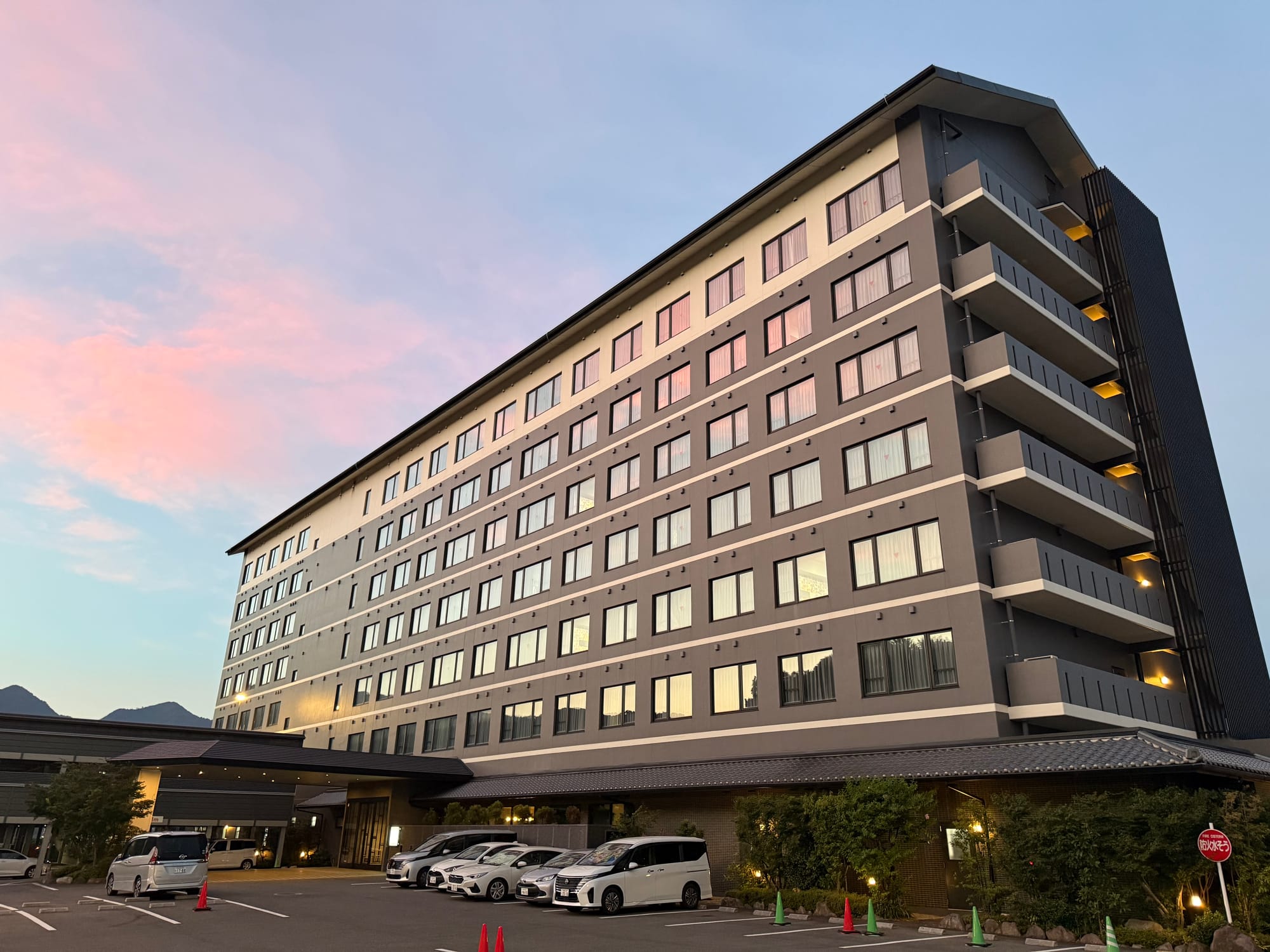
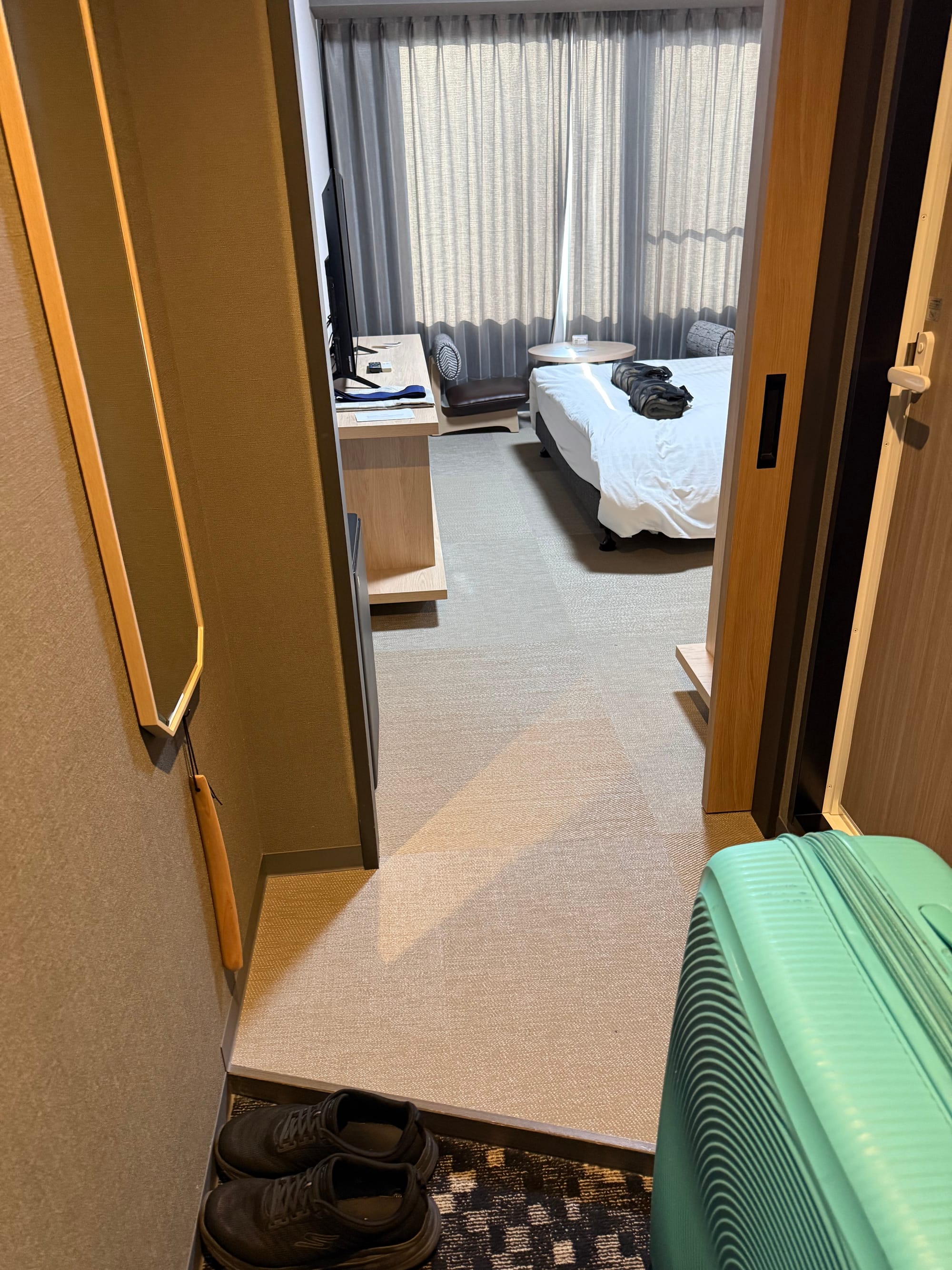
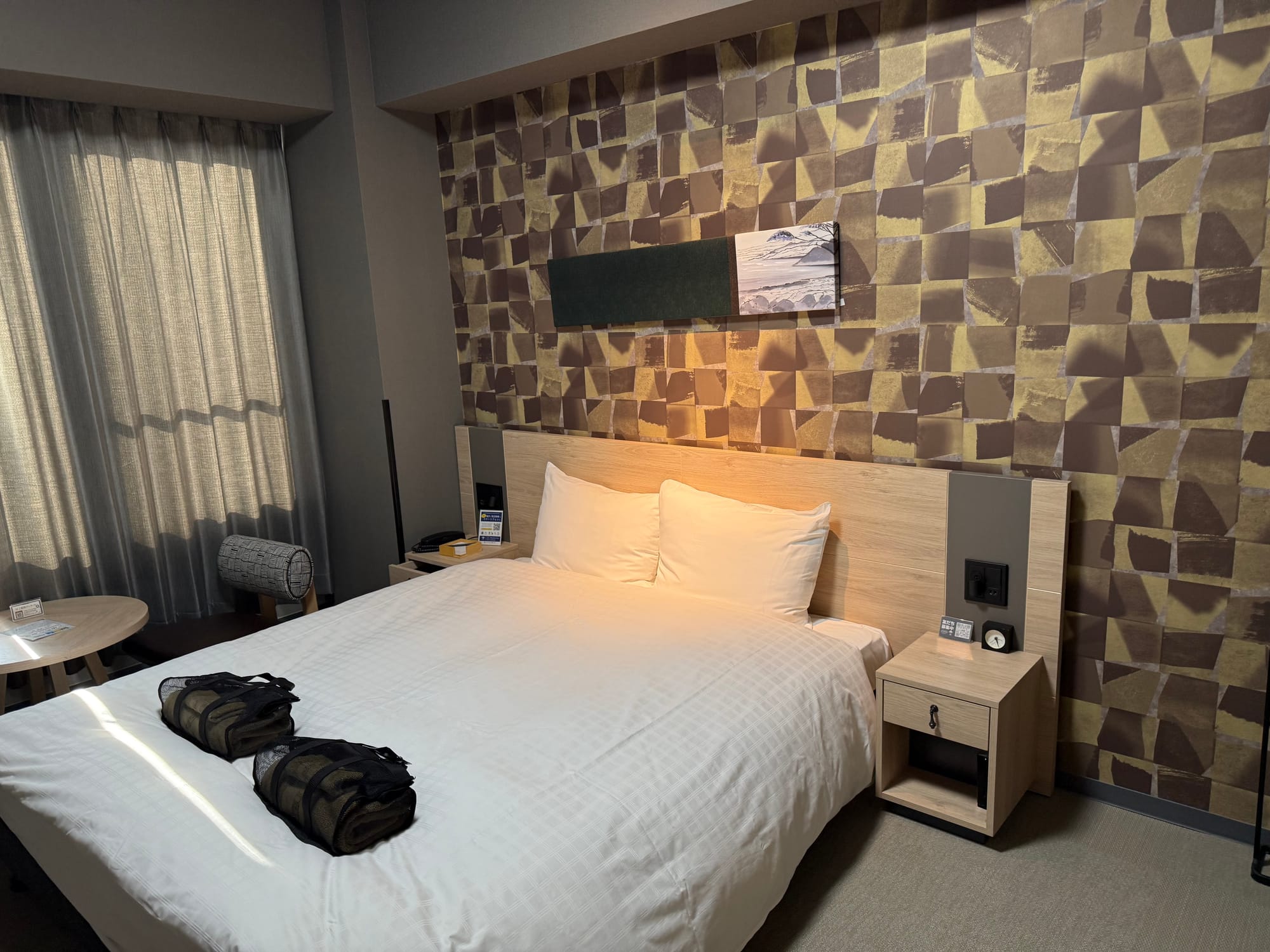
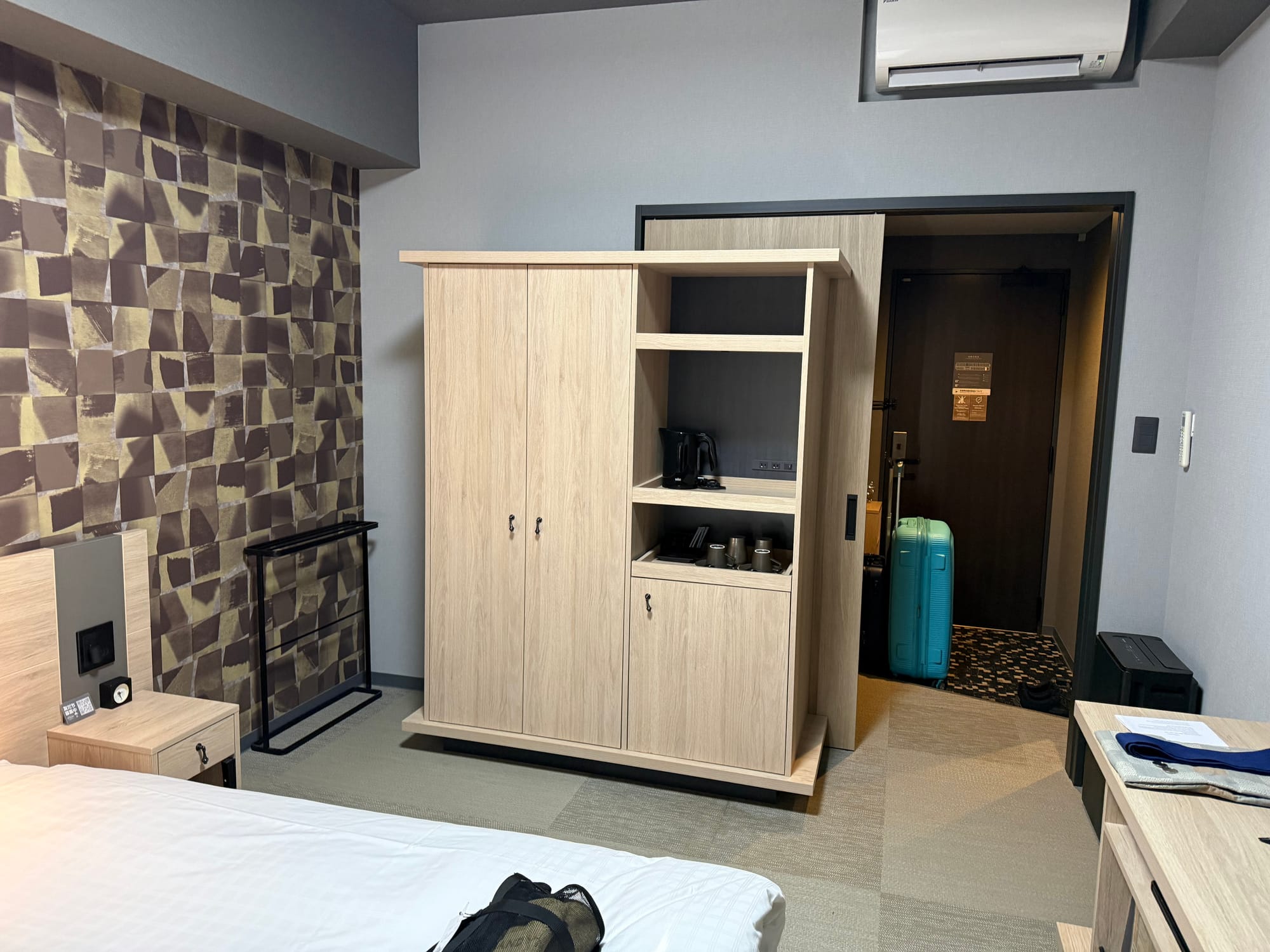
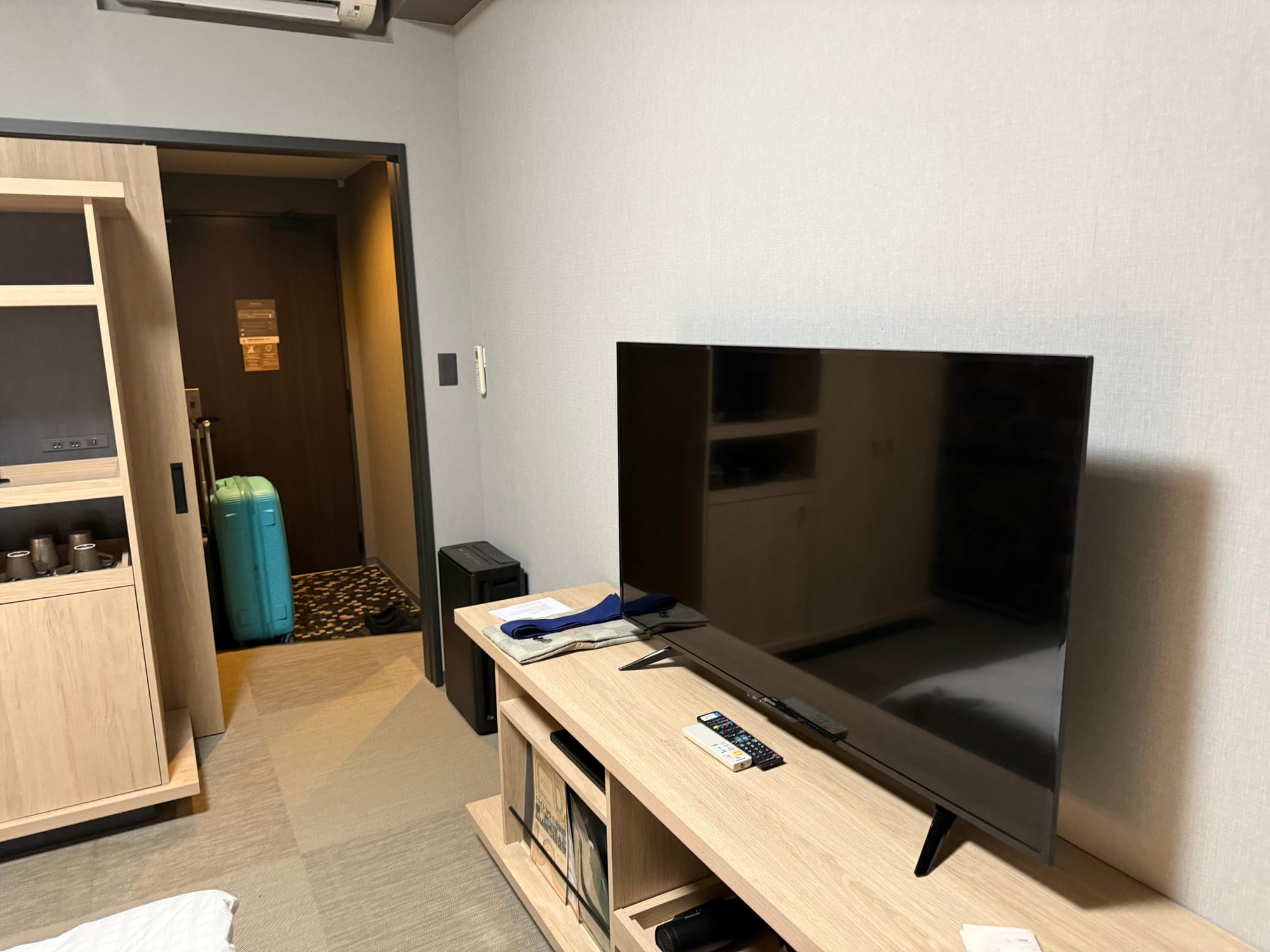
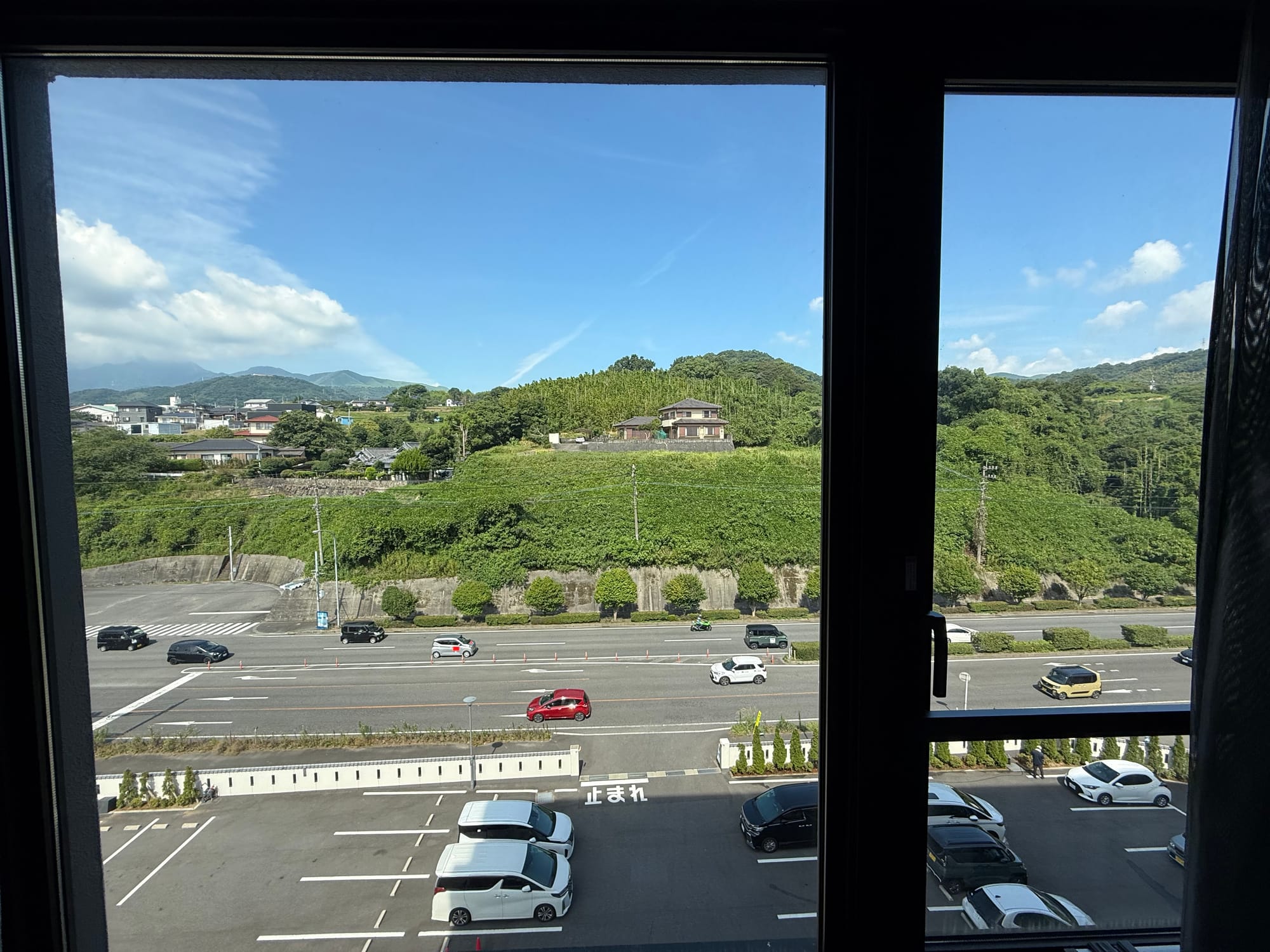
I finally got to my next hotel for the next 3 nights called Grandvrio Hotel Beppuwan Wakura. It is a hotel just north of Beppu and is my new based of travel before heading on to my next destination. It is a massive Japanese Style room with a good view out to the mountains.
My hotel in Beppu at sunset, with the evening light reflecting from the building and pink clouds providing a colourful end to the day in Japan's famous hot spring city.The illuminated sign for Grandvrio Hotel Beppu Bay Wakura welcomes guests to a modern hotel overlooking Beppu Bay, serving as my base while exploring Beppu and northern Kyushu.My room at Grandvrio Hotel Beppu Bay Wakura provided a comfortable base for exploring Beppu, with modern furnishings and plenty of space to relax after a day of sightseeing.My room at Grandvrio Hotel Beppu Bay Wakura in Beppu, offering a spacious and modern retreat after a day exploring Kyushu's hot springs, coastlines and scenic countryside.Another view of my room at Grandvrio Hotel Beppu Bay Wakura, showing the spacious layout, storage area and modern amenities that made for a comfortable stay in Beppu.Another view of my room at Grandvrio Hotel Beppu Bay Wakura, showing the entertainment area, in-room facilities and spacious layout that made for a comfortable stay in Beppu.The view from my room at Grandvrio Hotel Beppu Bay Wakura, looking across Beppu's green hills and surrounding countryside on a clear summer morning.
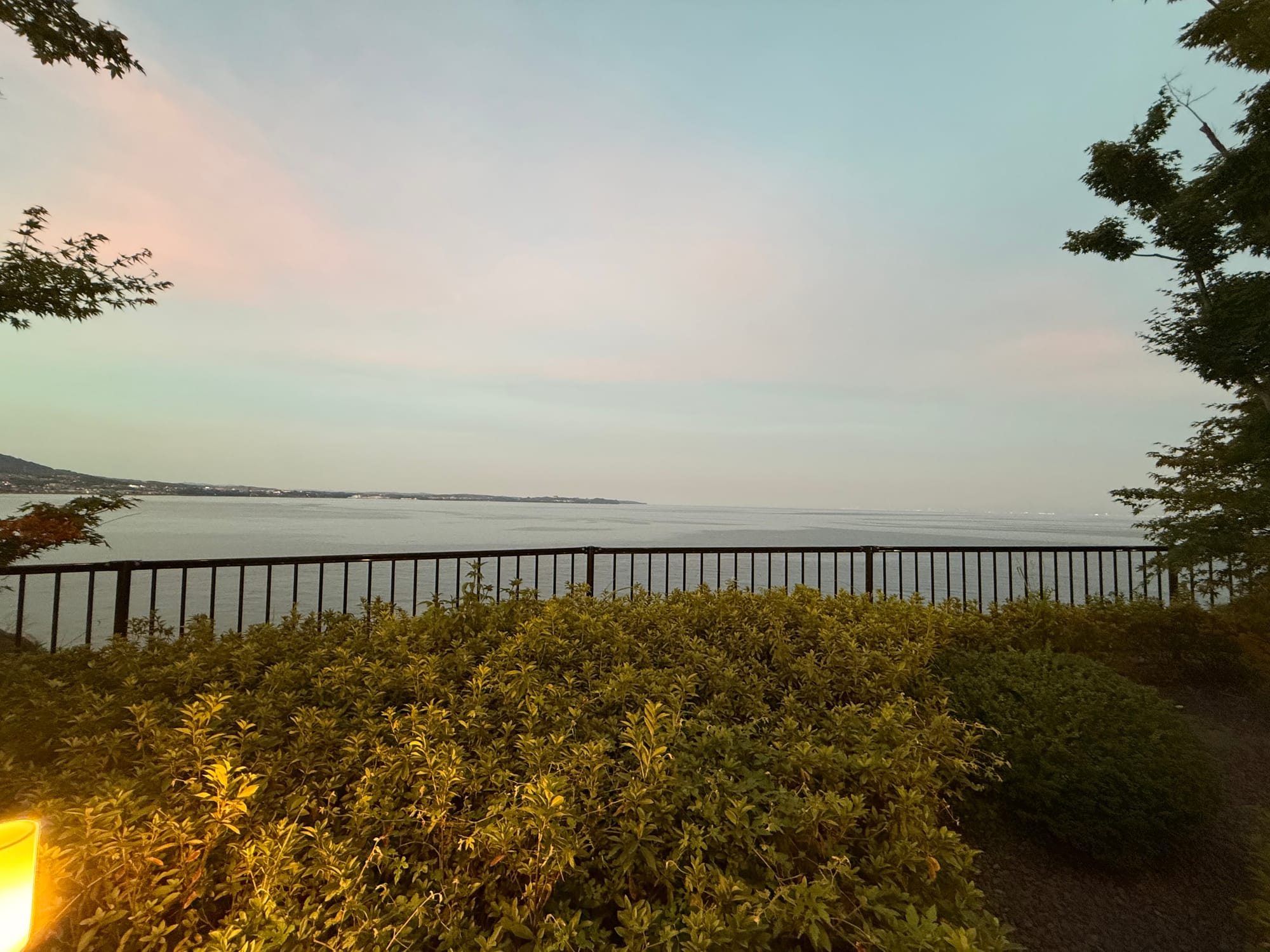
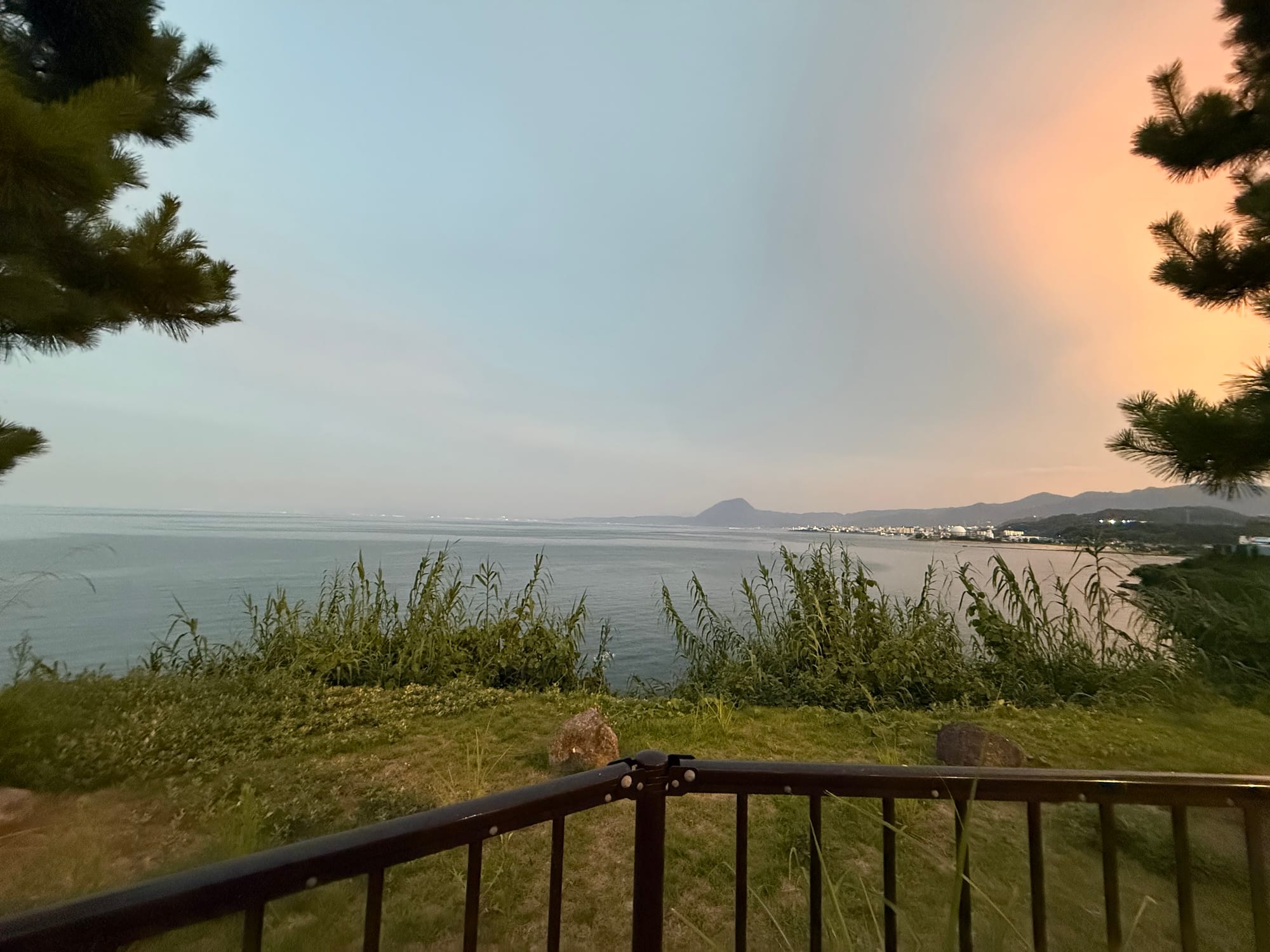
It also has some really good views out to Beppu bay as well.
A peaceful evening view across Beppu Bay, where calm waters and soft pastel skies provided a memorable end to the day in Kyushu's famous hot spring region.Looking out across Beppu Bay at dusk, where calm waters, distant mountains and pastel sunset colours created a peaceful end to the day in Kyushu.
Beppu Hinoumi-Matsuri Fireworks Festival
Festival of Fire and Sea
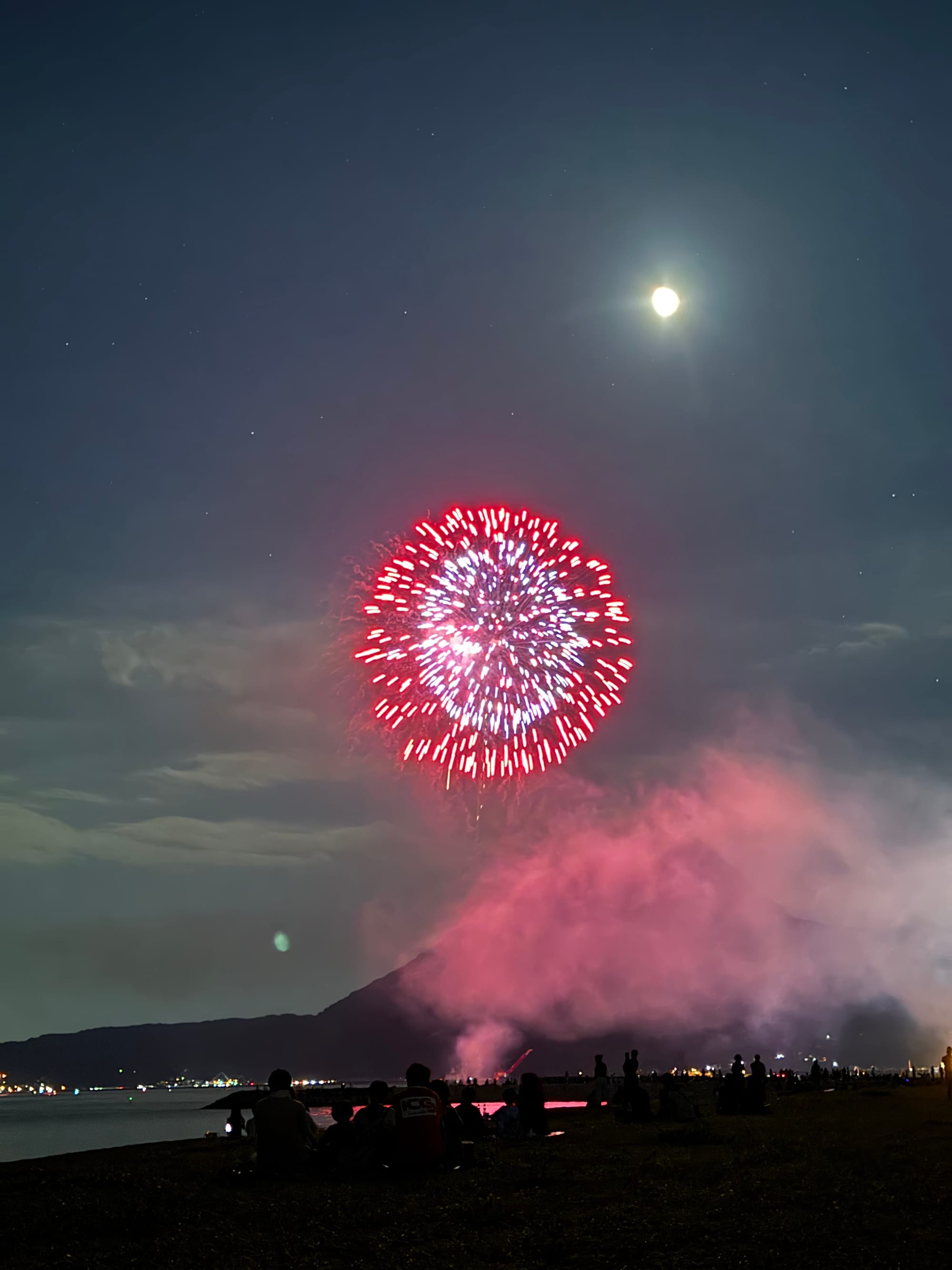
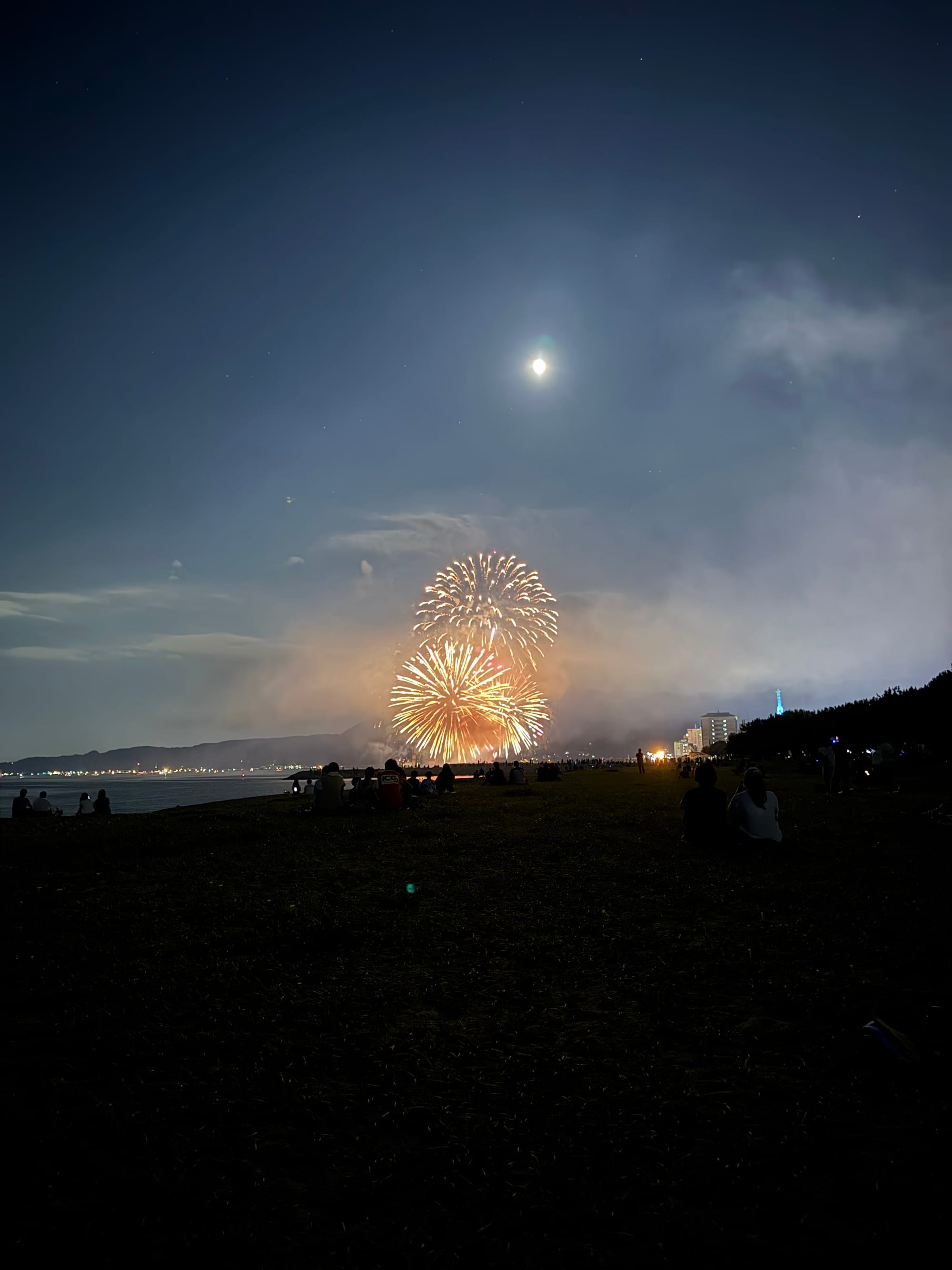
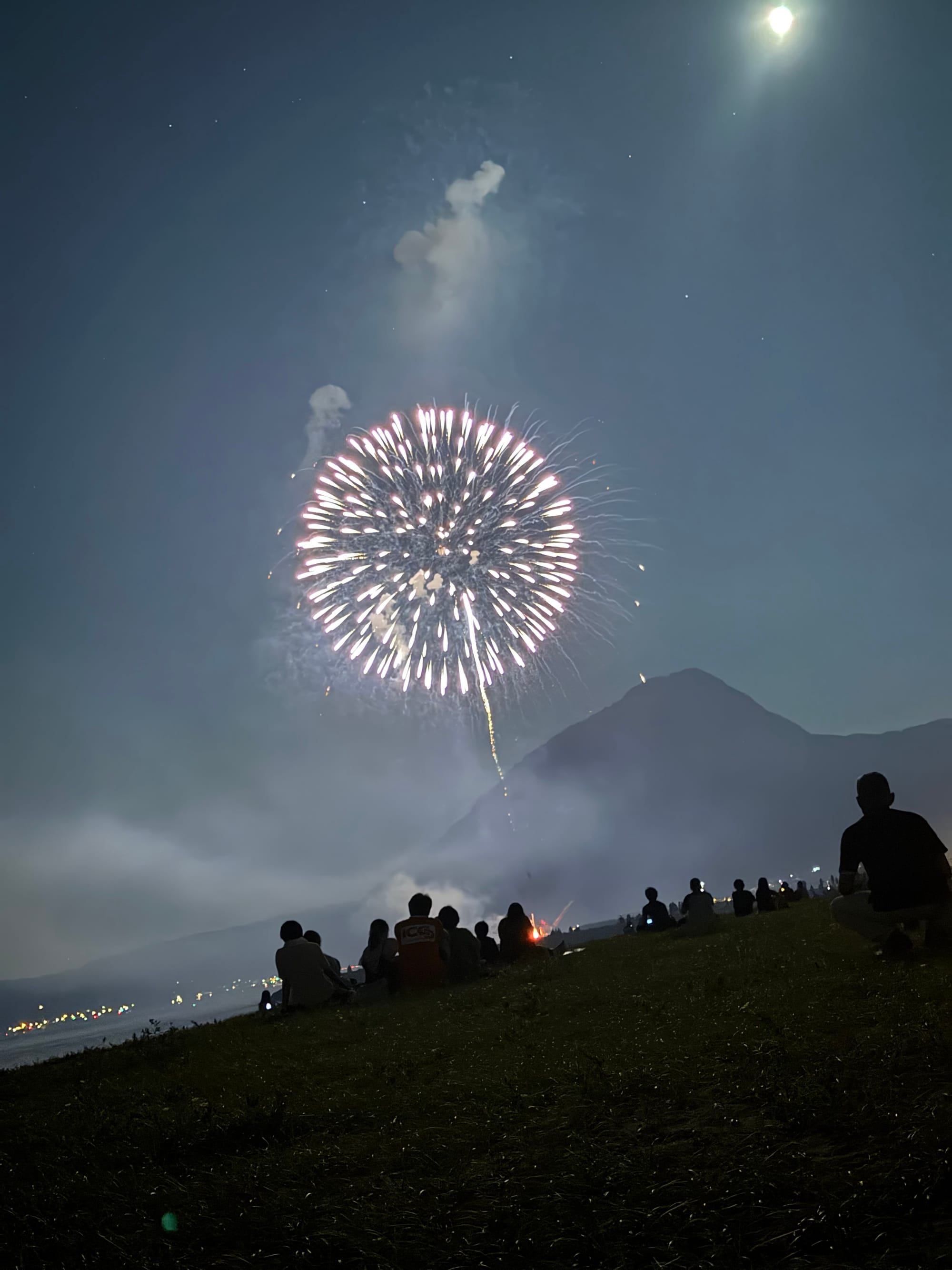
There was a fireworks festival on tonight where they are releasing 8888 fireworks in Beppu bay. It was a pain to try and find somewhere to park especially as my hotel is a bit too far north to be able to see the fireworks clearly but I was finally able to find somewhere, although it was quite interesting to get there as I thought I'd never fit my car down the streets. It was worth it in the end, even though I was a little bit late getting there specially as the fireworks were amazing.
A spectacular fireworks display lights up the night sky, with the moon shining overhead and crowds gathered along the waterfront to enjoy the summer celebration.A summer fireworks display lights up the night sky along the coast near Beppu, with crowds gathered on the beach to enjoy the spectacle beneath a bright moon.Crowds gather on the hillside to watch a spectacular summer fireworks display, with the moon illuminating the night sky as explosions light up the landscape below.
I also got a few of the firework launches on video as well so feel free to have a quick look at them. They're only a couple of minutes long each.
0:00
/0:59
First Video of the fireworks display
0:00
/3:28
Second video of the fireworks display
Exploring Around Beppu Area
27th July
My Plan for today was to visit a few viewpoints around Beppu and also go 1,300 metres up, which is just shy of Ben Nevis, the tallest mountain in the UK.
Kifune Castle
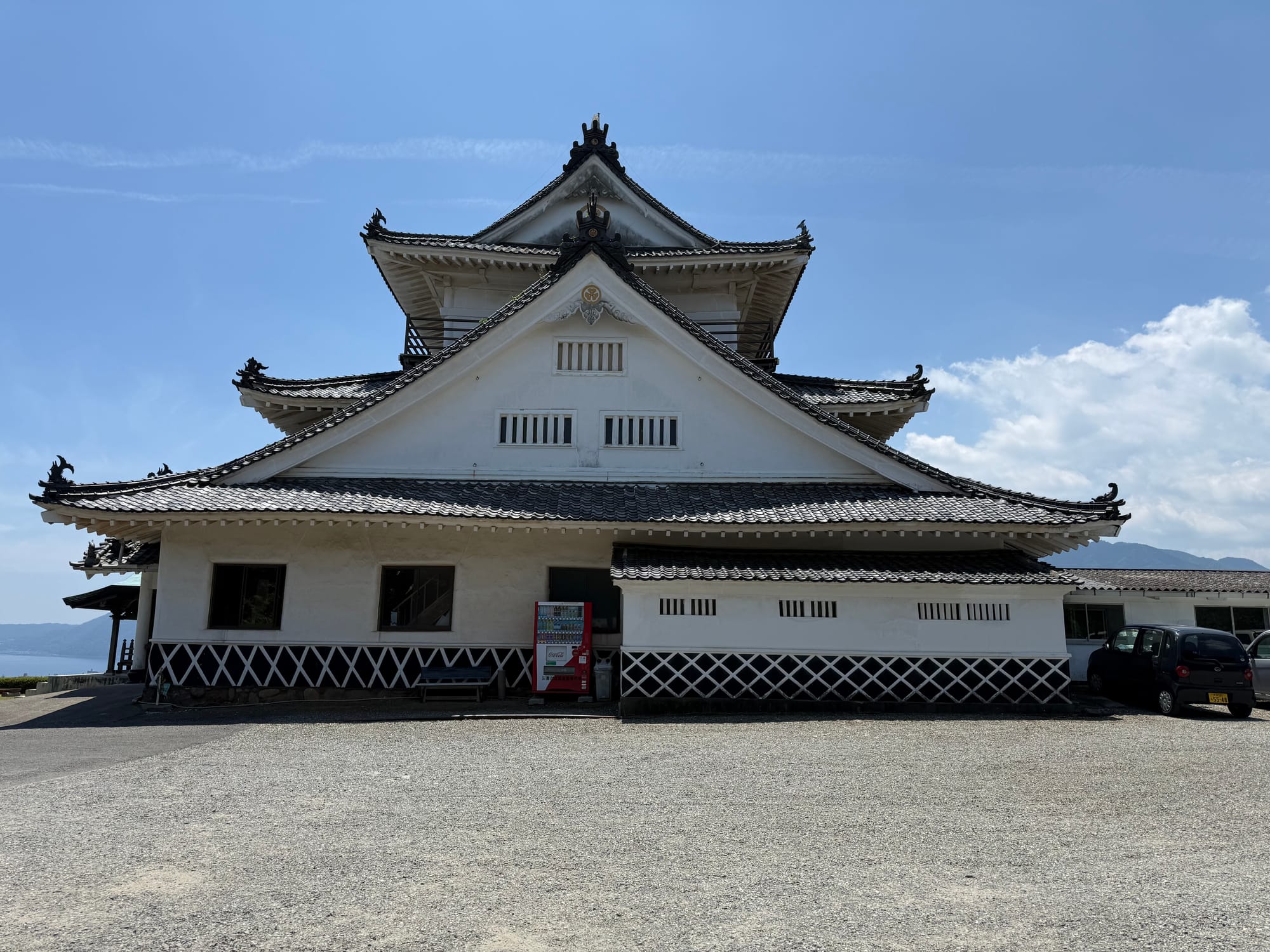
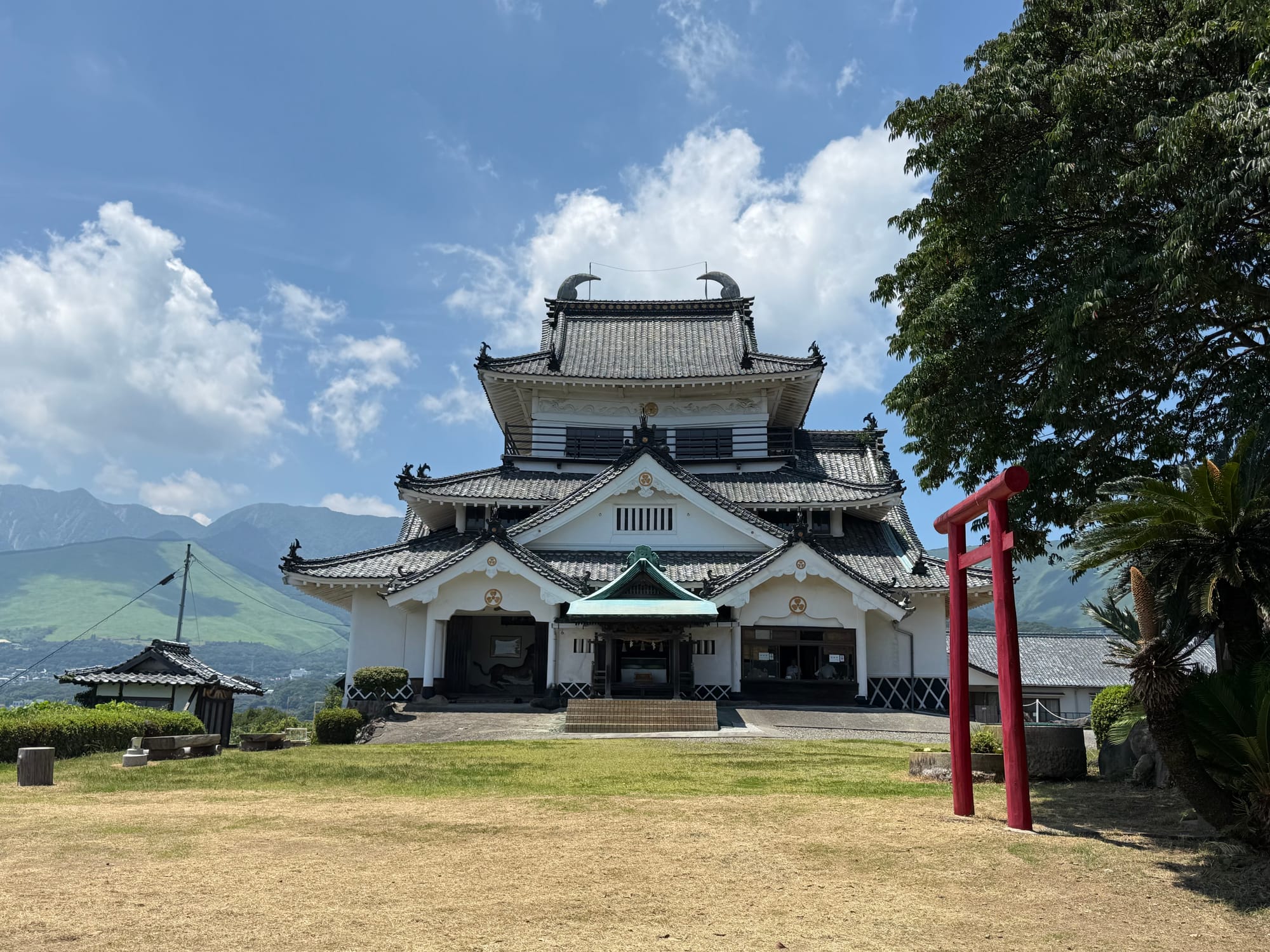
Kifune Castle stands above Lake Shidaka near Beppu, its traditional architecture and elevated setting providing panoramic views across the surrounding countryside and mountains of Ōita Prefecture.
Kifune castle is the only castle in Beppu and was reconstructed in 1957 according to its 800-year-old structure. It has free parking and only costs ¥300 (~£1.40) to enter!
Kifune Castle stands against the backdrop of Ōita's mountains, combining traditional Japanese castle-style architecture with panoramic views of the surrounding countryside near Beppu.
There was a tall guy there who told us about how the castle is reconstructed, and he gathered us over to a big fish tank sitting just at the front of the castle which you might be able to see in the picture above. Inside was a giant, dead white snake. In Japan a white snake is a good and is believed to bring wealth.
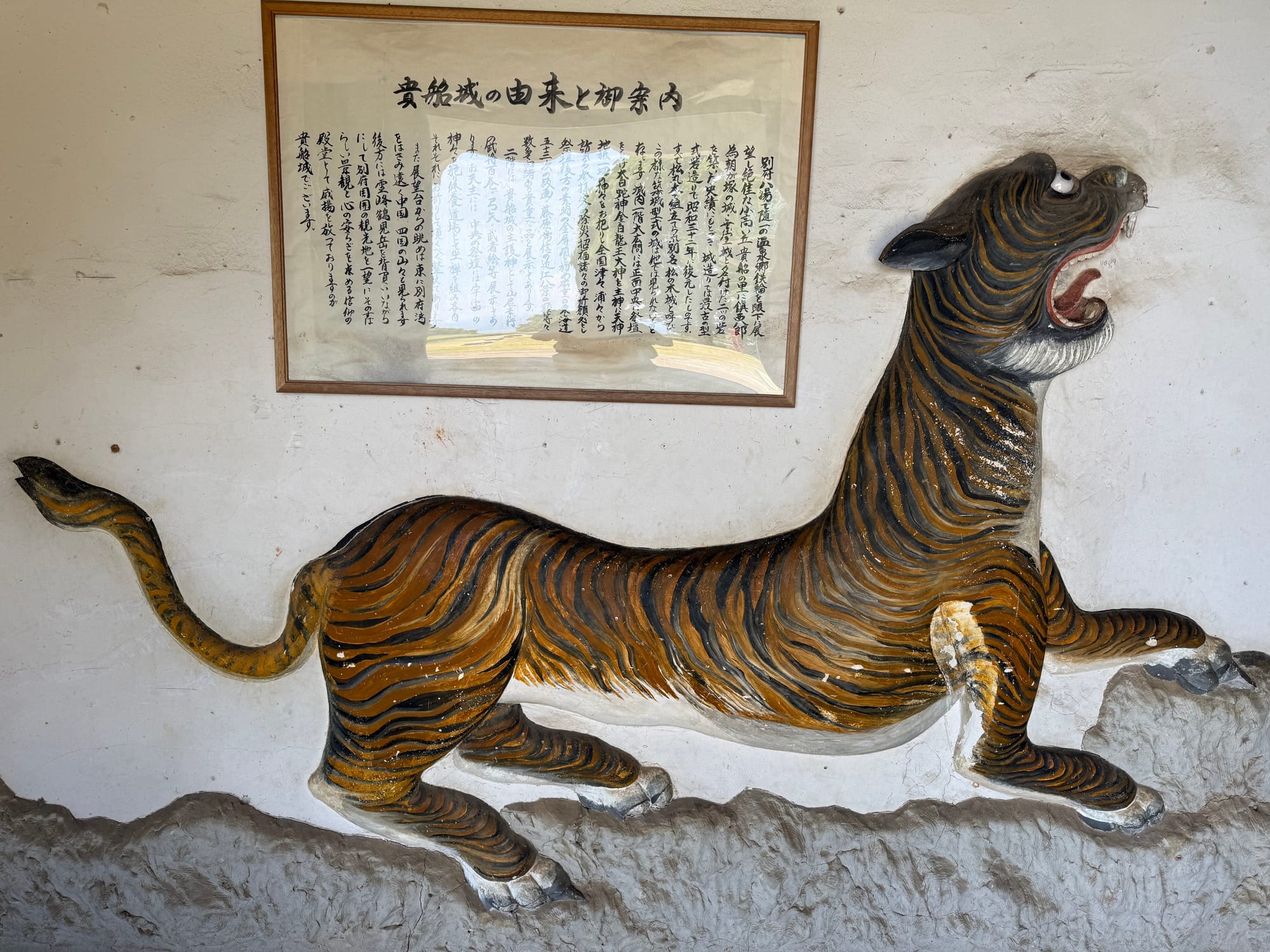
A tiger relief displayed at Kifune Castle, reflecting the decorative artwork and historical themes found throughout the castle's exhibits and interior spaces.
He then took me inside, but I did have to take my shoes off, and I was allowed to have a look around. He explained that the tiger in the picture above was made from plaster and is a 3-D design which is highly uncommon in Japan.
He then took me to this little door, which he opened and revealed inside a live white snake. This surprise me a bit as it's not something that you normally see, especially as somebody who comes from the UK. He landed a little champ, asked me to put my hands together and bow. After the prayer he then said to me that I could touch this snake, which I did slow slowly and the snake just looked at me as if to say "oi, stop disturbing my rest". After this, I was free to look at all three floors.
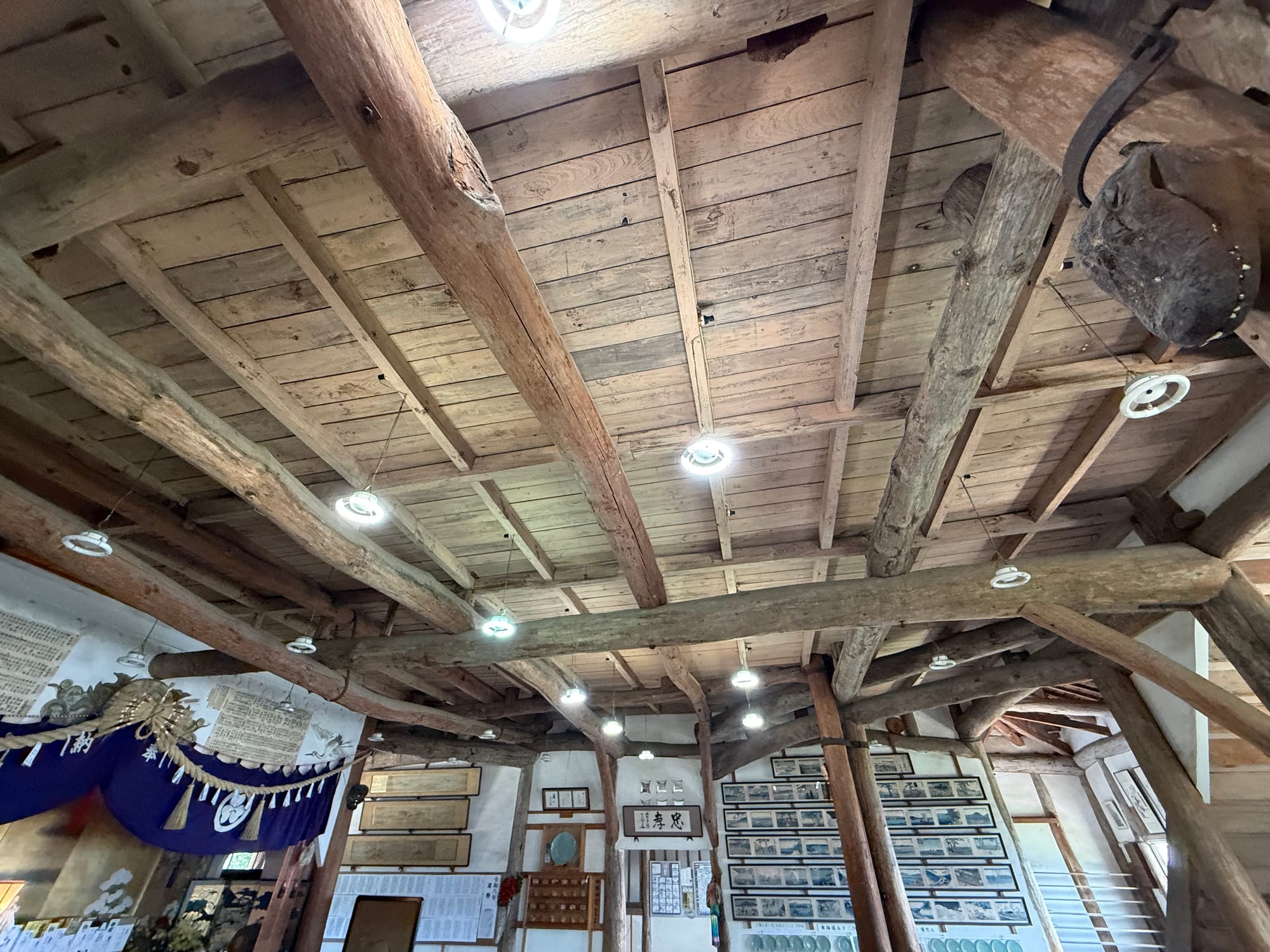
Inside Kifune Castle, exposed timber beams and historical exhibits create a traditional atmosphere while showcasing local history and artefacts from the surrounding Beppu region.
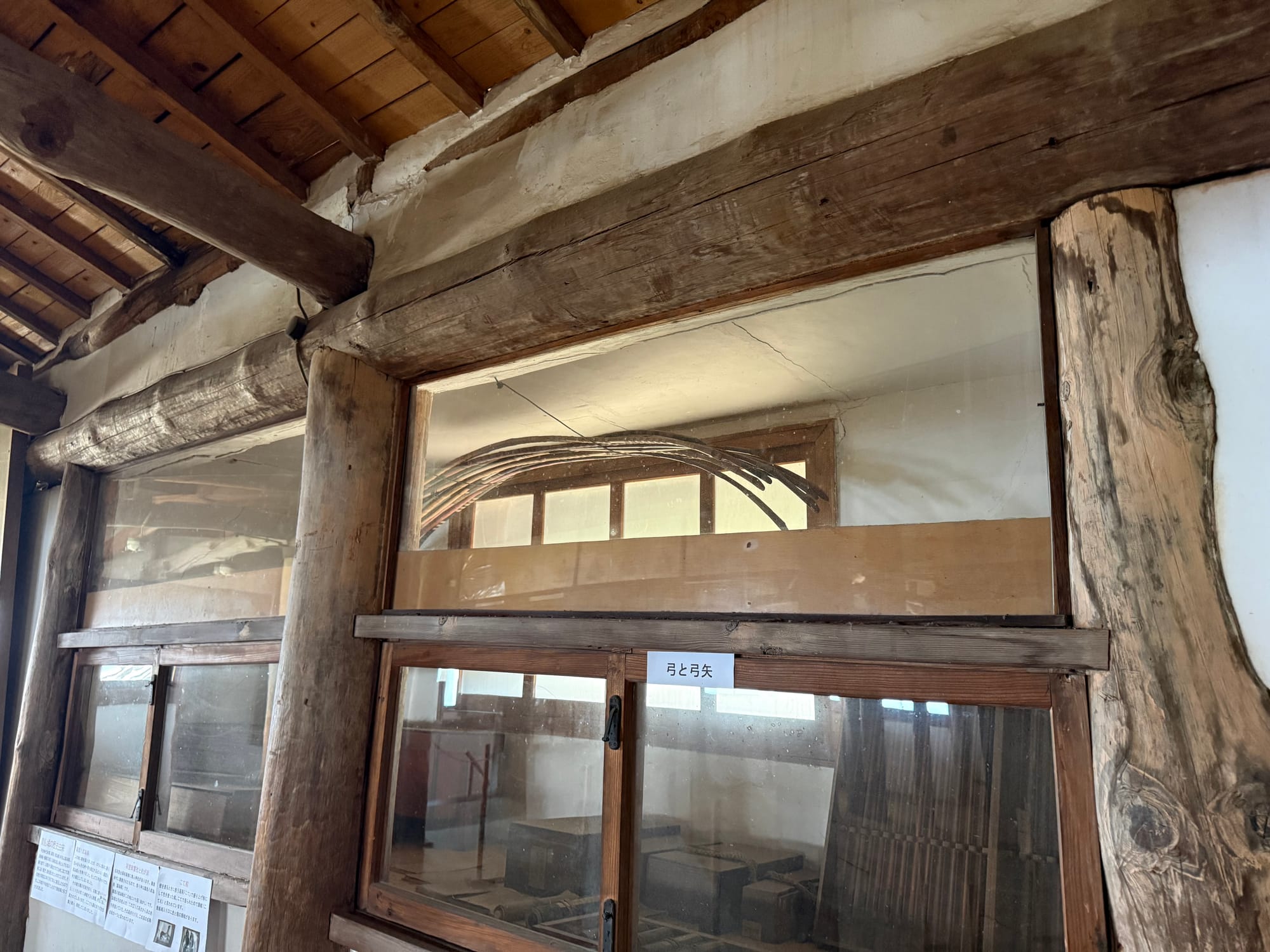
There are some quite old artefacts in this castle, which did interest me, especially the bows that you're going to see in the next picture.
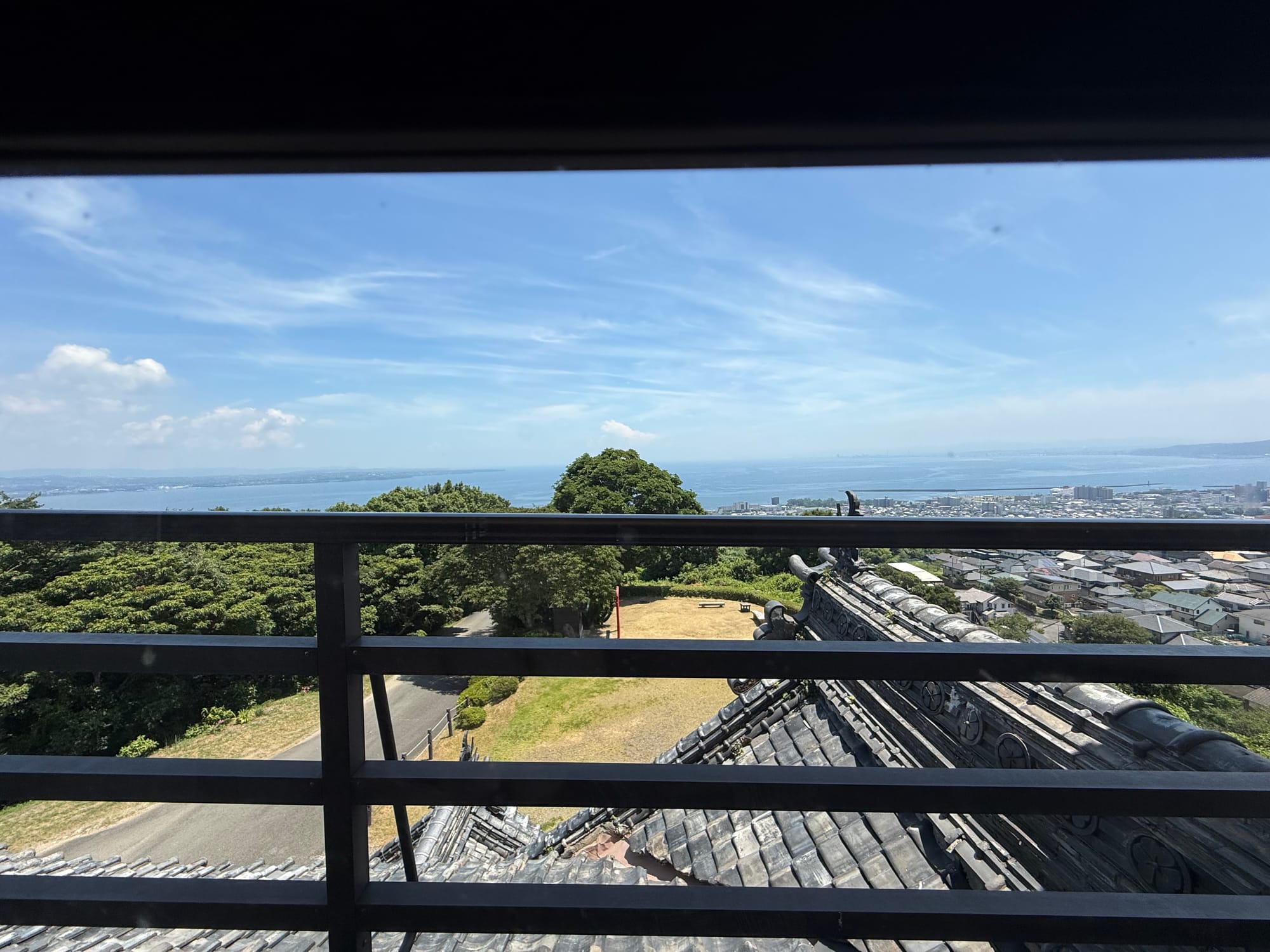
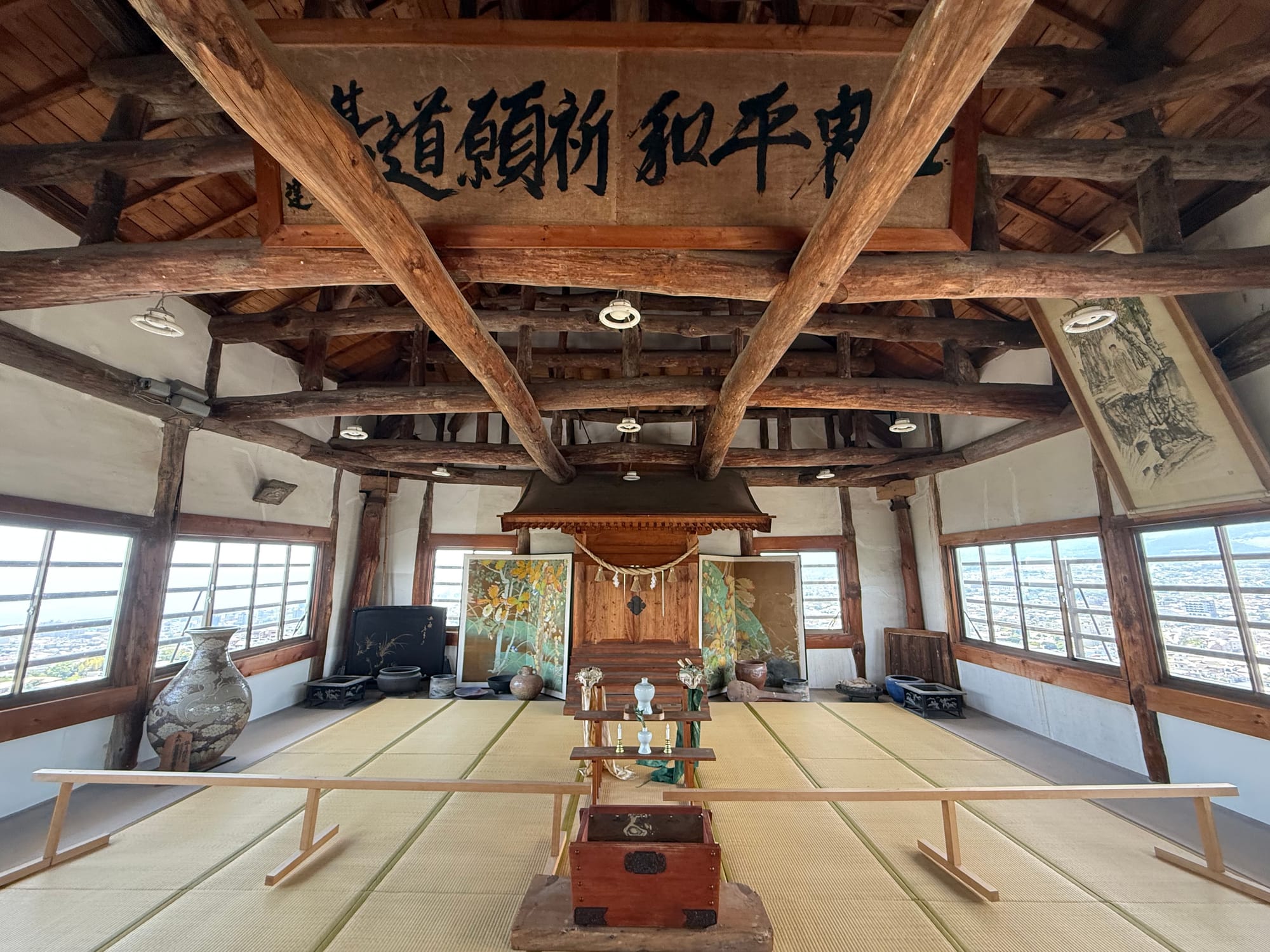
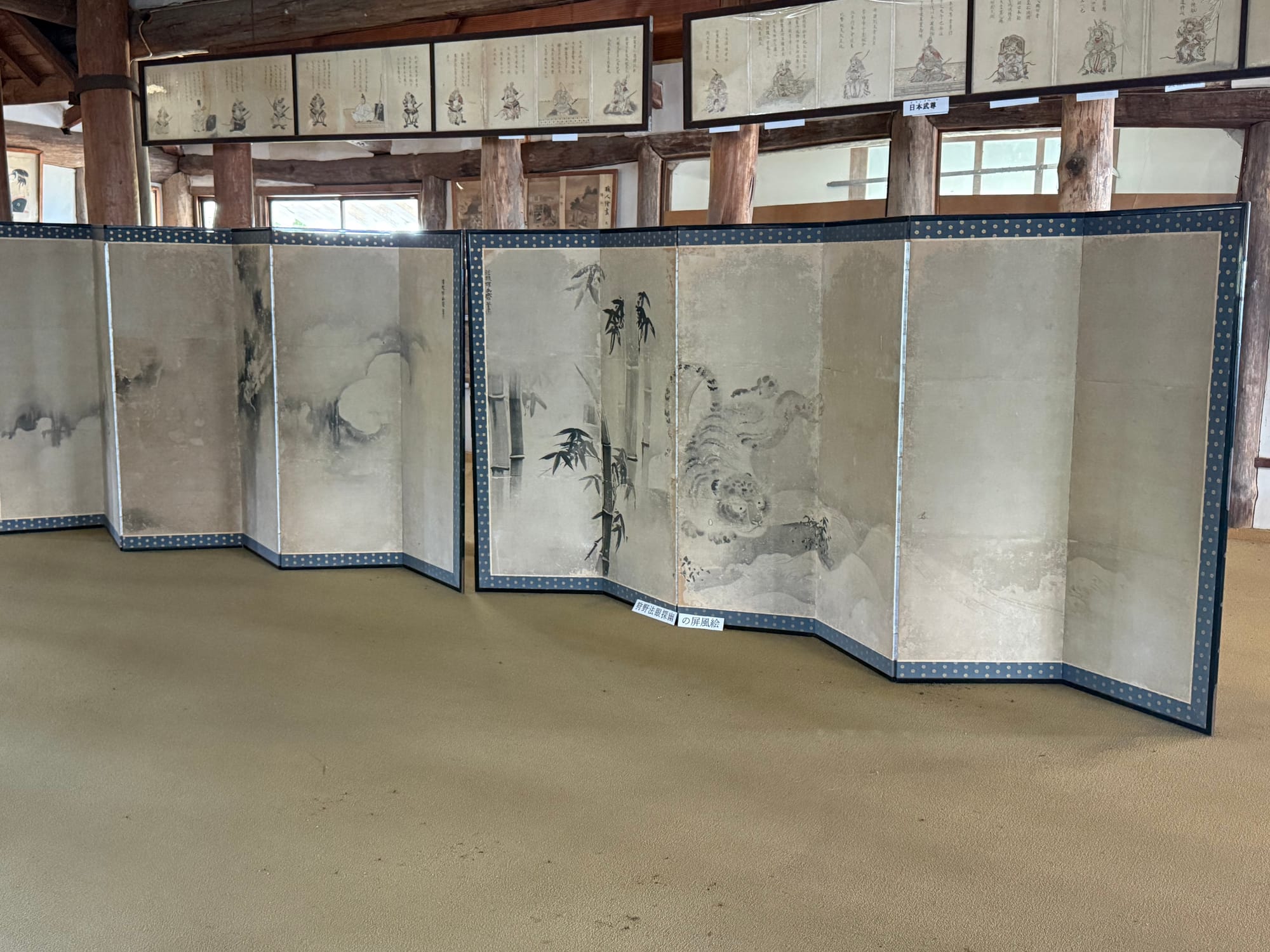
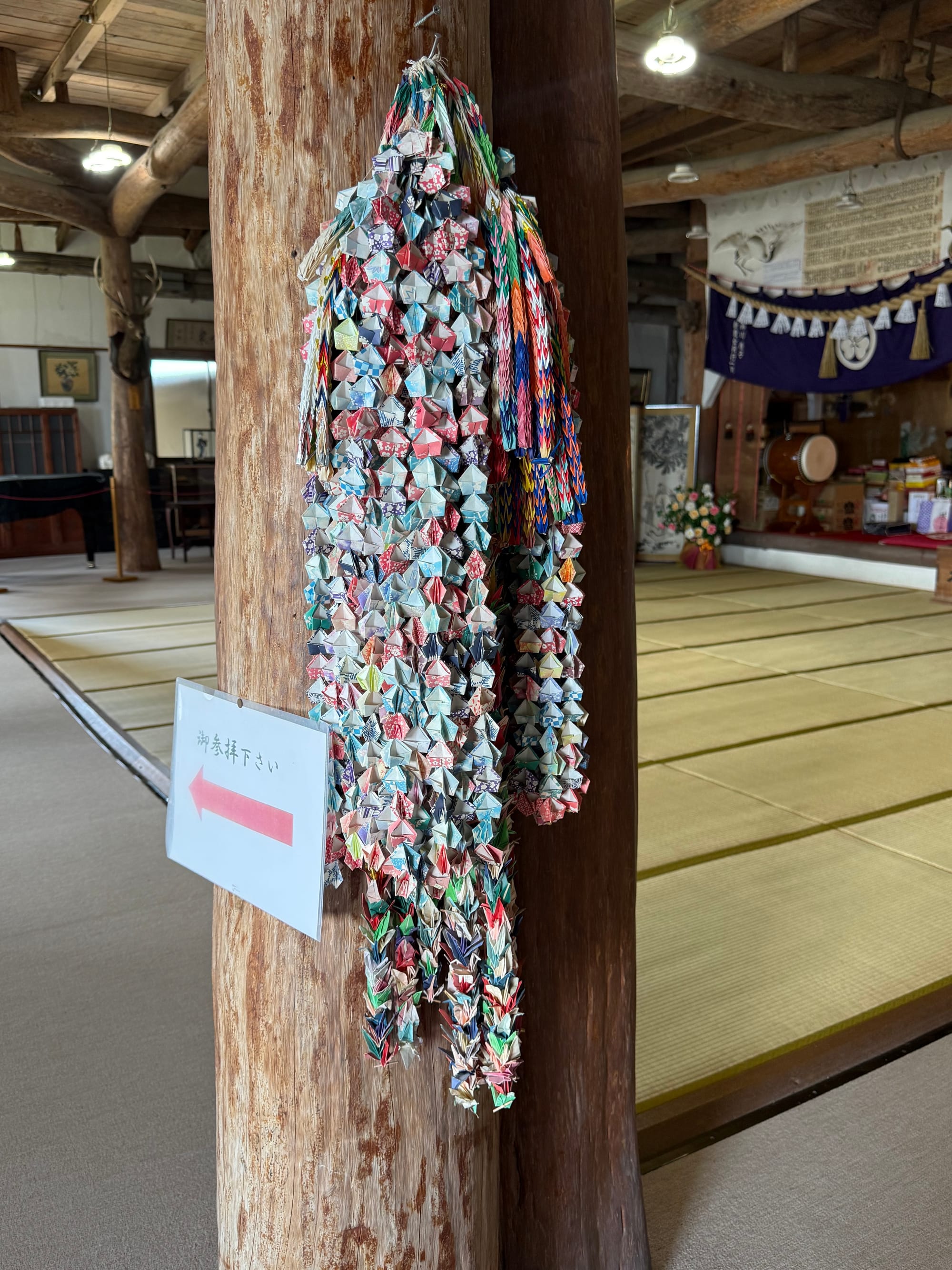
Traditional Japanese bows and arrows on display inside Kifune Castle, highlighting the martial traditions and historical artefacts preserved within this distinctive castle-style museum near Beppu.The view from Kifune Castle stretches across Beppu and Beppu Bay, combining traditional castle architecture with sweeping panoramas of the city, coastline and surrounding landscape.The upper chamber of Kifune Castle combines traditional Japanese architecture, historic artefacts and panoramic views across Beppu, creating a serene space at the top of the castle.Decorative folding screens on display inside Kifune Castle showcase traditional Japanese artwork, with ink-painted scenes reflecting themes commonly found in historic castle and temple interiors.Strings of folded origami cranes hang inside Kifune Castle, symbolising peace, hope and good fortune within the castle's traditional wooden interior.
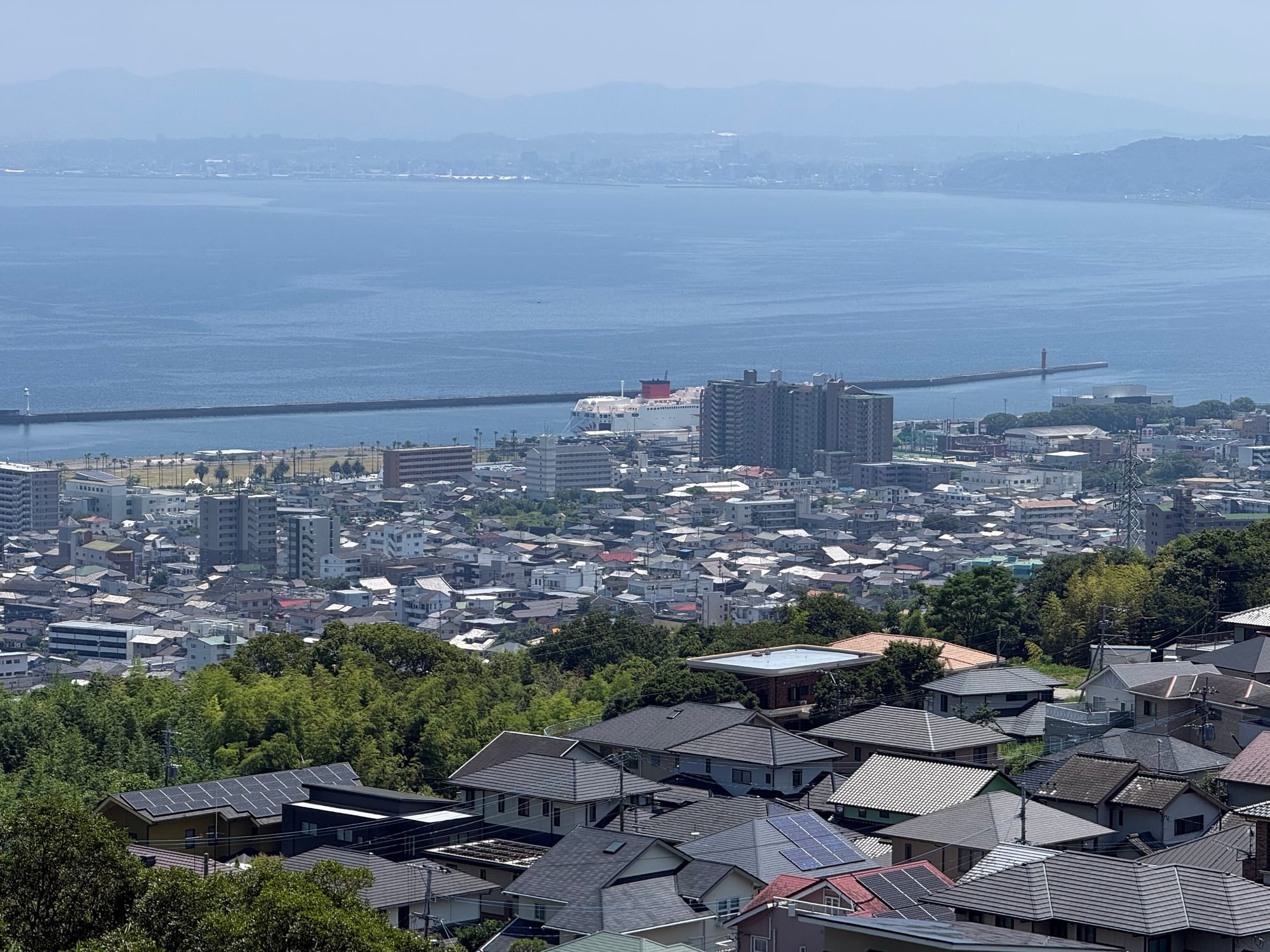
There's also a very good viewpoint from the castle as it is on top of this small hill in Beppu.
View from Kifune Castle across Beppu, showing residential neighbourhoods, the harbour, breakwaters and the deep blue waters of Beppu Bay beneath hazy mountains.A panoramic view from the grounds of Kifune Castle captures Beppu, Beppu Bay and the surrounding mountains, showcasing the dramatic scenery that defines this part of northern Kyushu.
Next I headed up to the Beppu rope way, which would take me almost to the top of Mount Tsurumi.
Mount Tsurumi
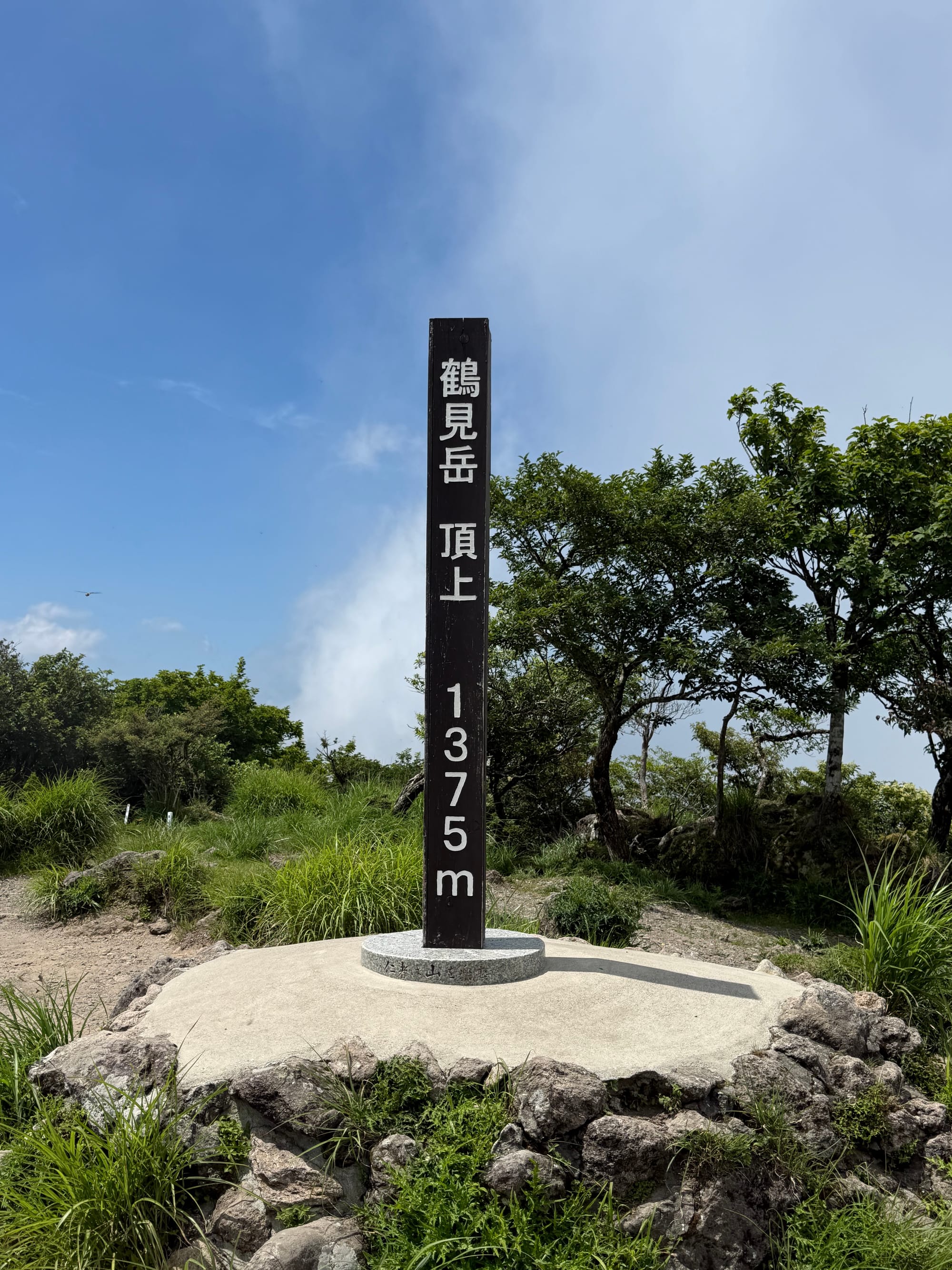
Mount Tsurumi sits at 1,375 metres above sea level and is an active volcano that is part of the Aso-Kuju national park. This volcano serves as one of the sources of Beppu's hot spring water.
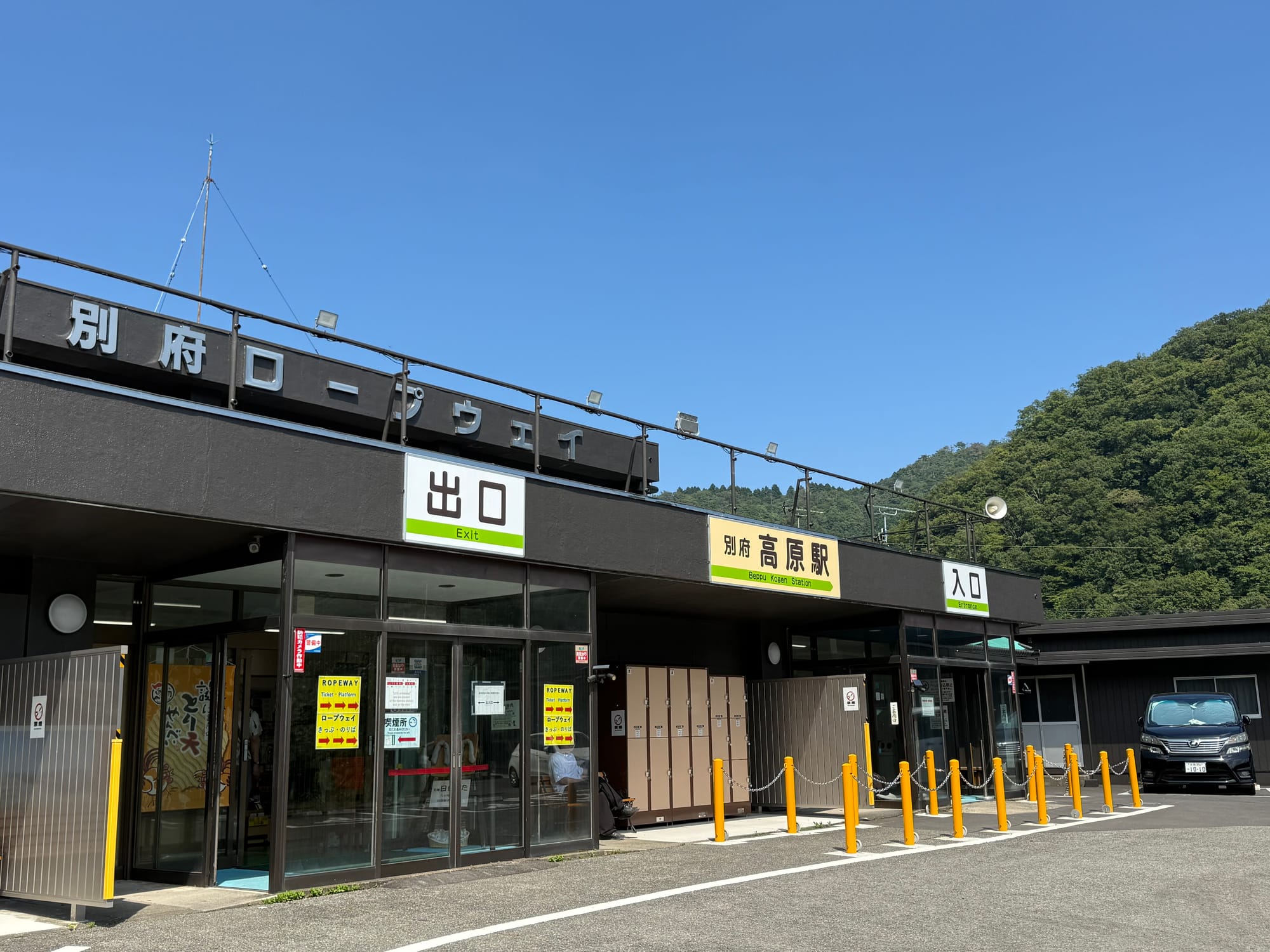
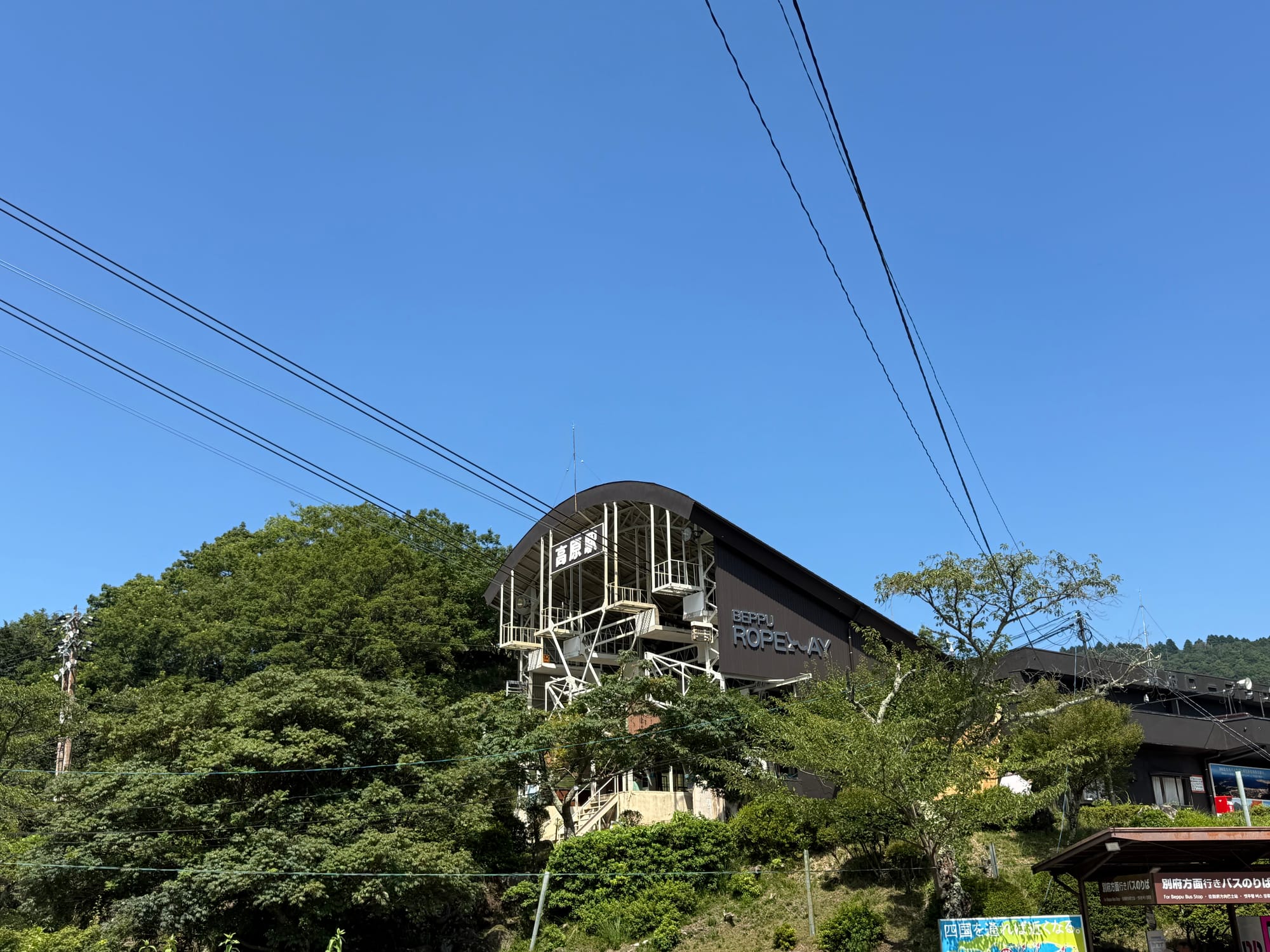
Beppu Kōgen Station serves visitors travelling to attractions in the hills above Beppu, including scenic viewpoints, hot springs and the nearby Beppu Ropeway.The lower station of the Beppu Ropeway provides access to Mount Tsurumi, carrying visitors high into the mountains for panoramic views over Beppu, Beppu Bay and northern Kyushu.
This rope way station is 500 metres up the mountain and takes about 10 minutes to get from here to 1,300 metres up, leaving me with 75 metres left to climb.
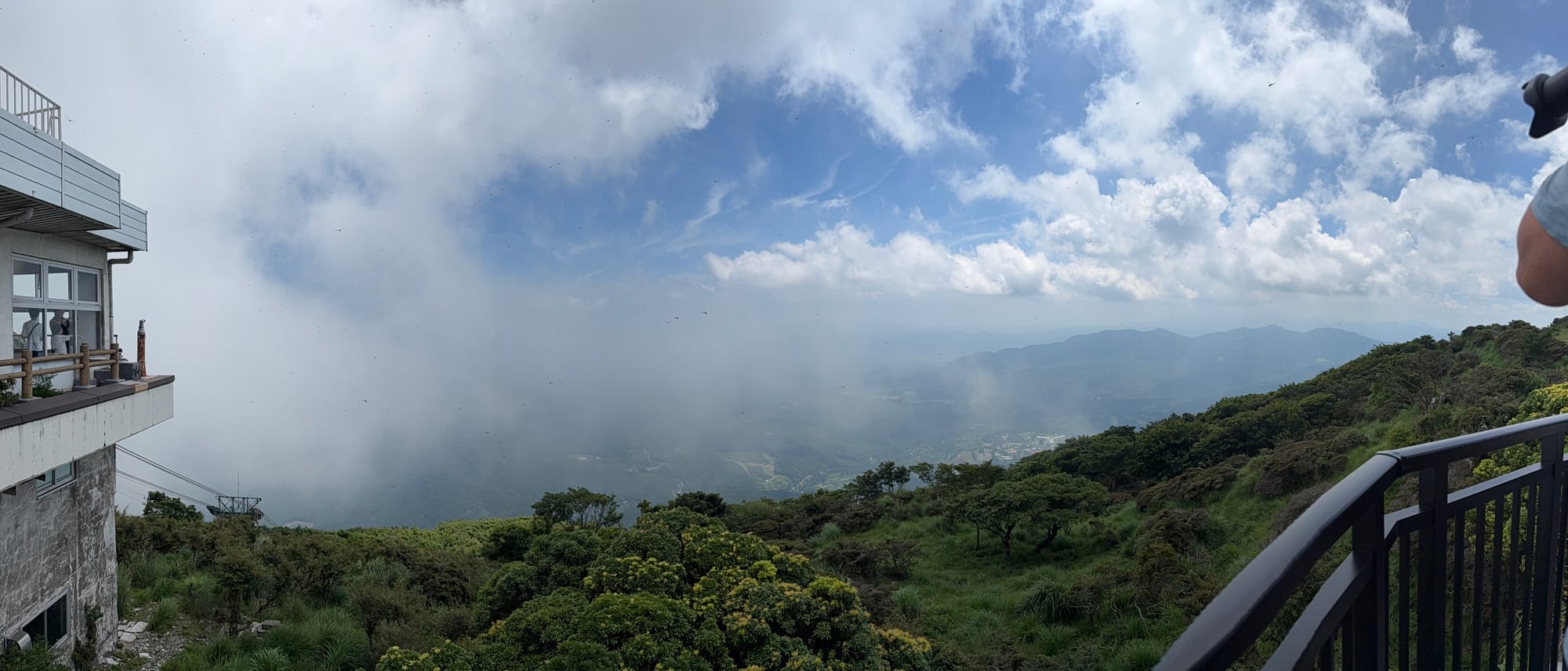
The view from the top station of the Beppu Ropeway on Mount Tsurumi, where passing clouds opened glimpses of Kyushu's mountain landscape high above Beppu.
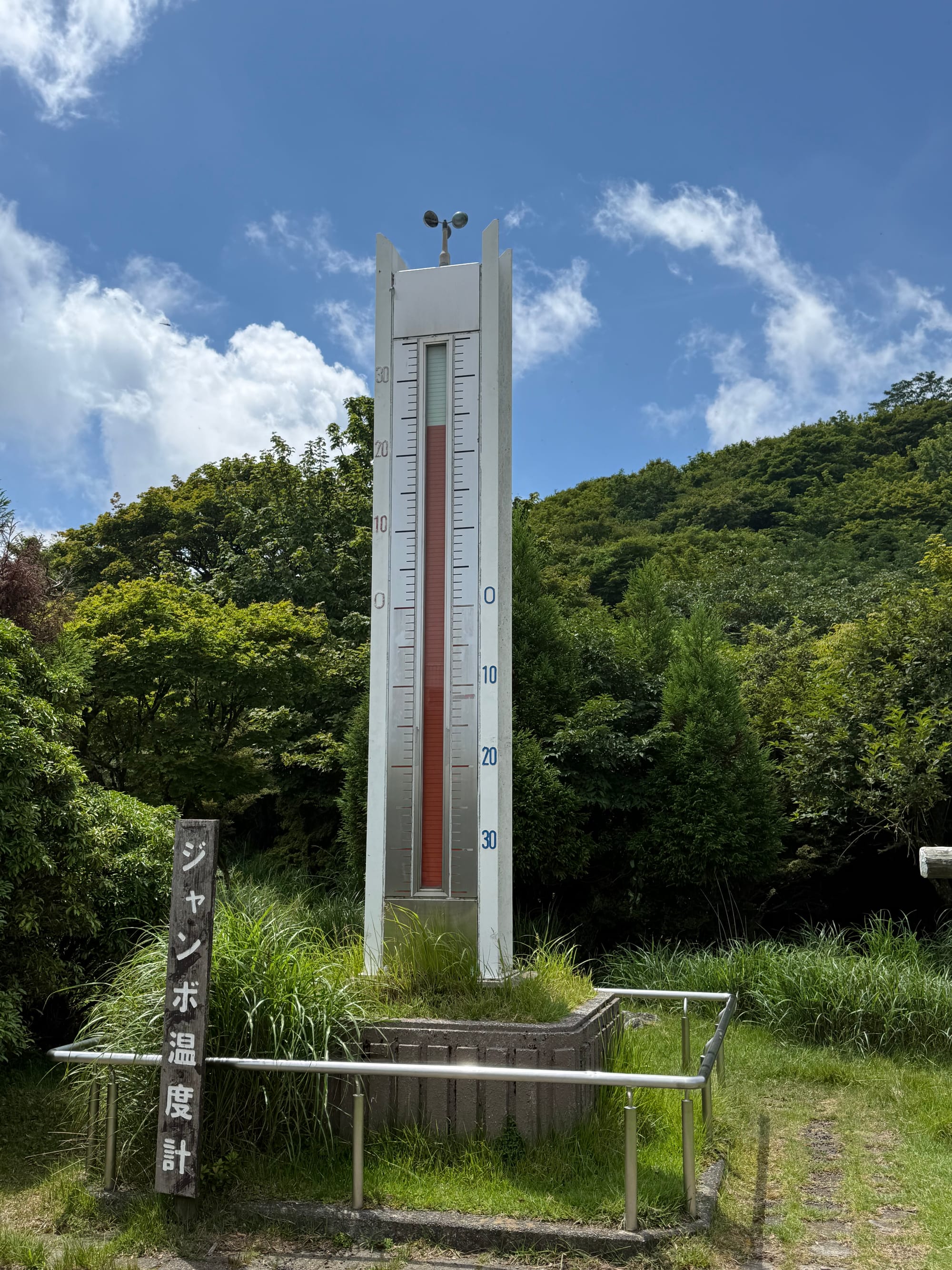
It was defiantly a lot cooler up here at 24c compared to 36c at sea level.
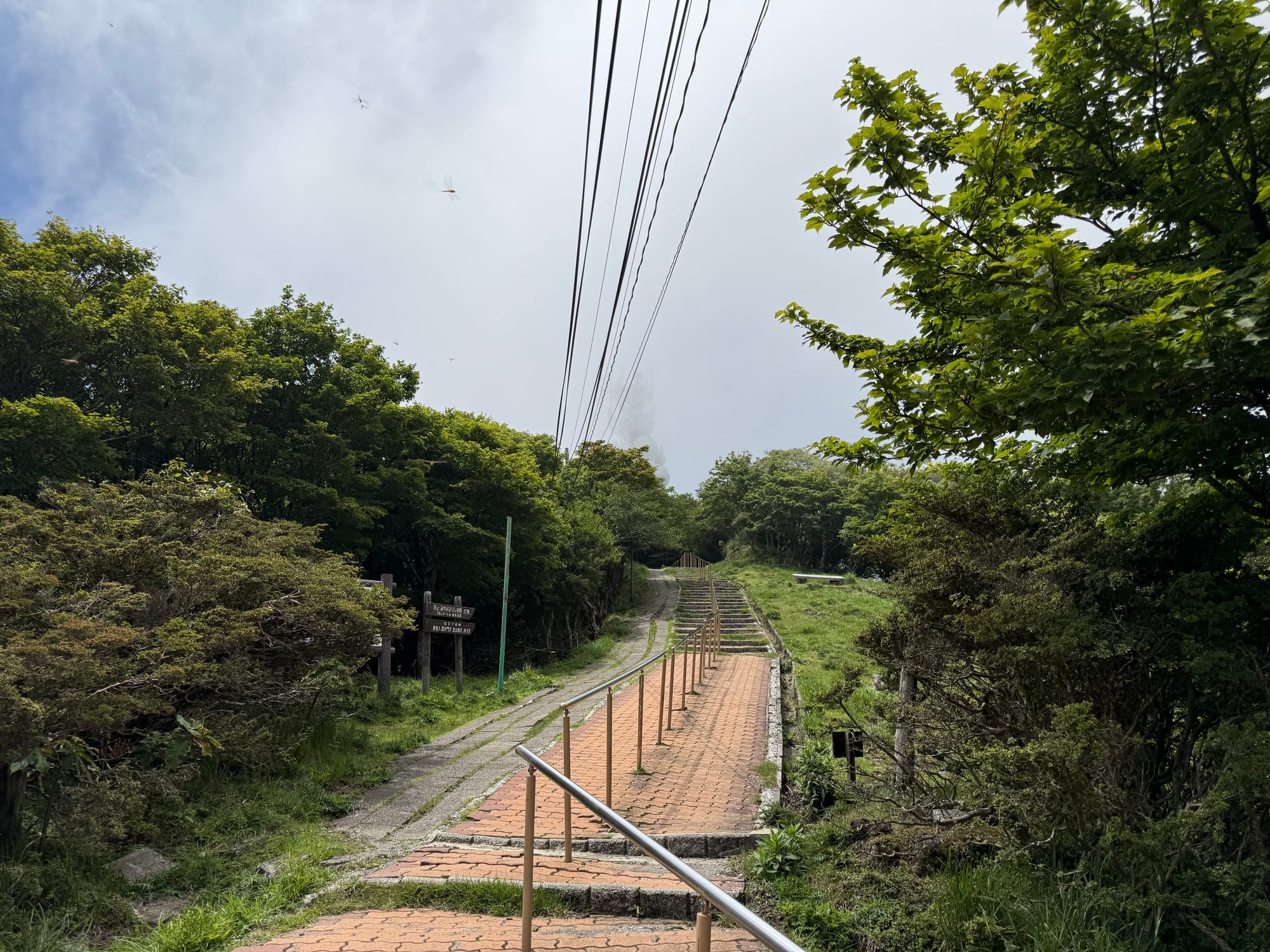
A giant thermometer at the summit of Mount Tsurumi records the mountain's cooler conditions, providing a contrast to the summer heat experienced down in Beppu below.Walking towards the summit of Mount Tsurumi, following one of the mountain's scenic paths through woodland and open viewpoints above Beppu.
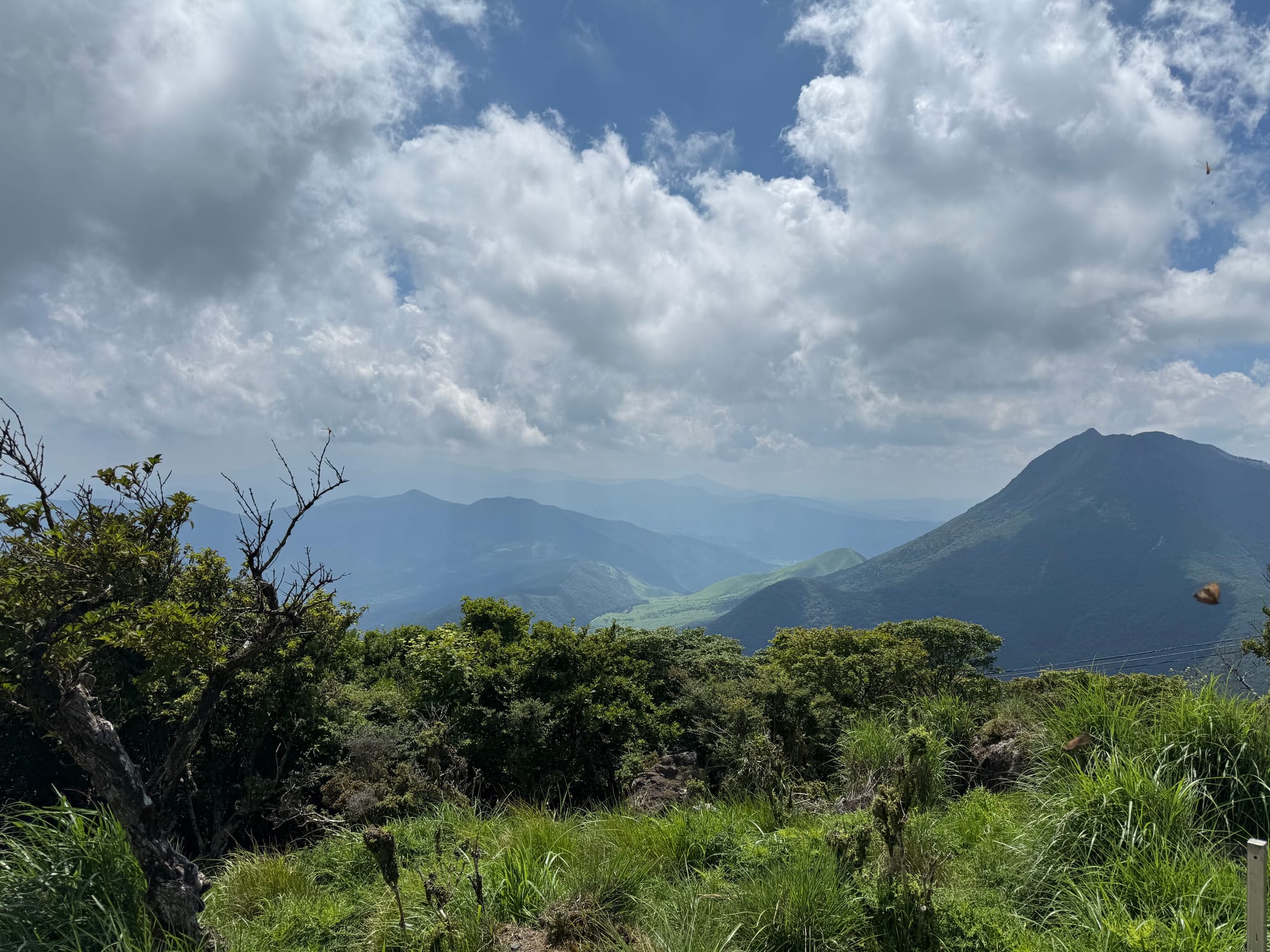
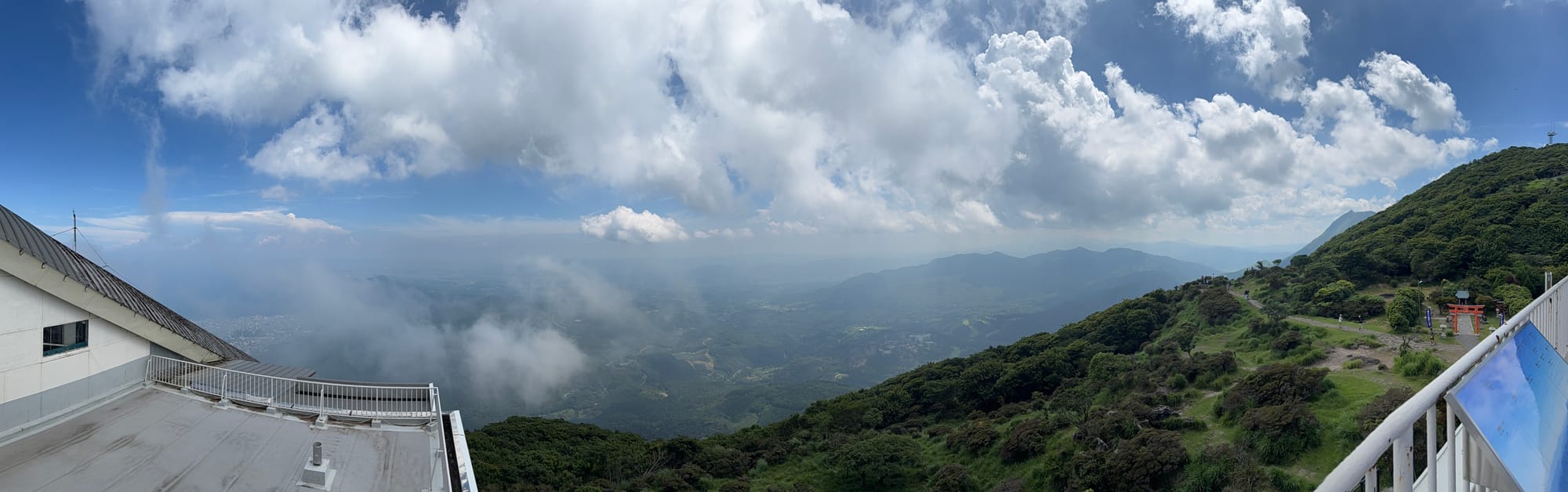
I managed to make it to the top of the mountain and there were some really good views from the top, albeit a bit of cloud coming over the top as well, which made it a fair bit cooler.
The summit of Mount Tsurumi stands 1,375 metres above sea level, marking the highest point reached during the visit and offering impressive views across Beppu and northern Kyushu.The summit of Mount Tsurumi offers sweeping views across Kyushu's mountainous interior, where shifting clouds and sunlight create an ever-changing landscape of peaks and valleys.
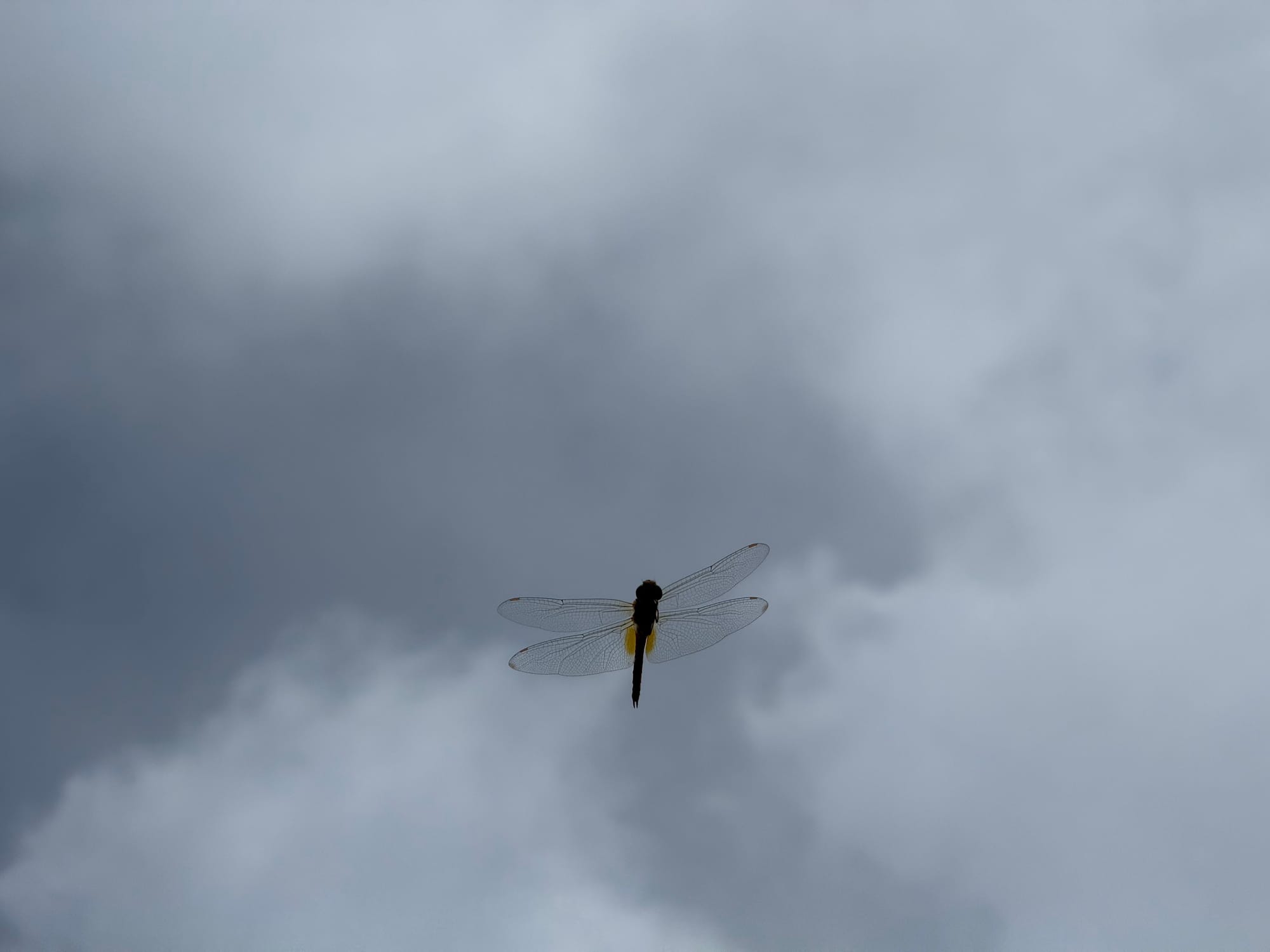
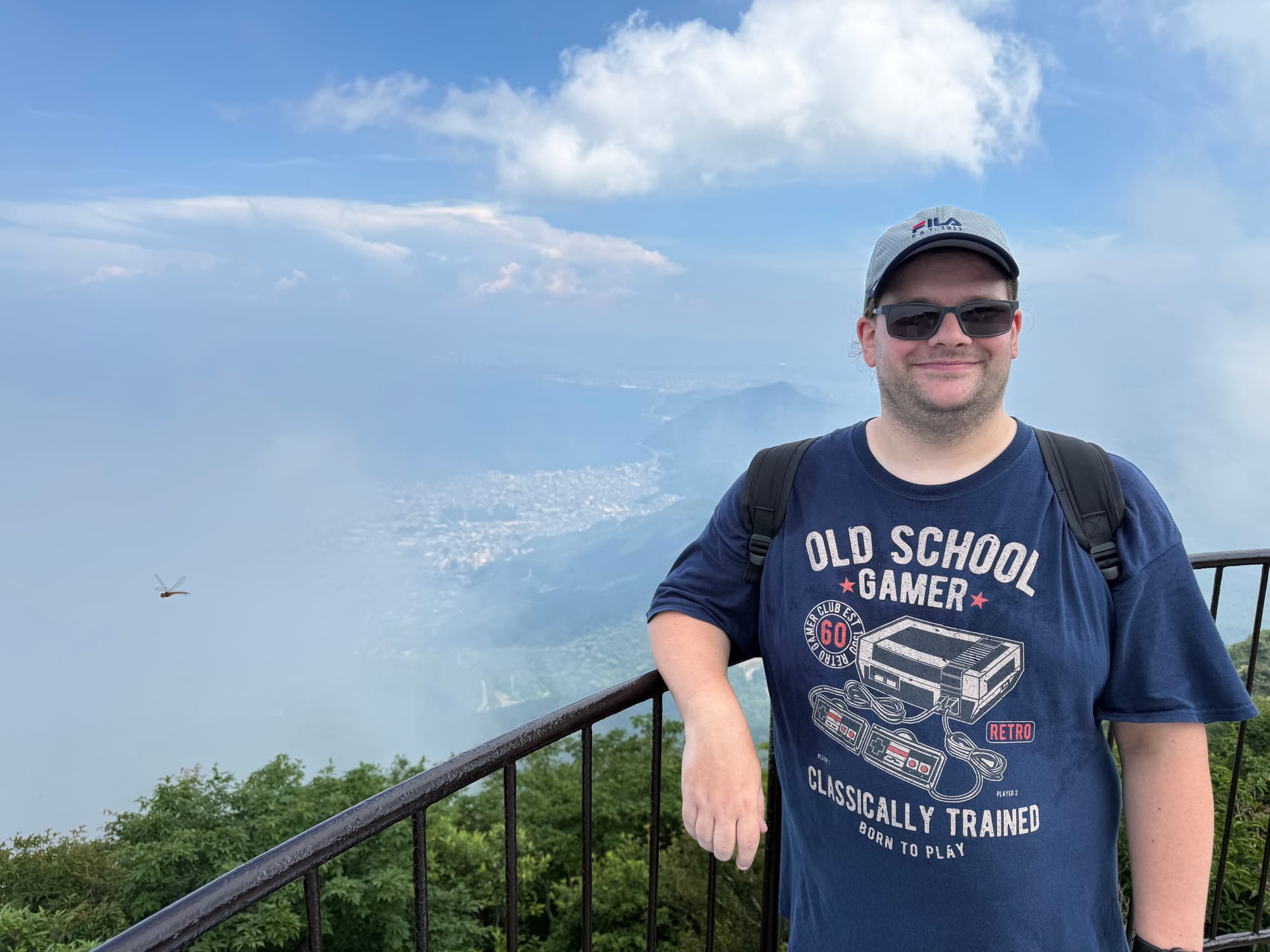
I then started to head to the mountain viewpoint, where you could overlook Beppu and on the way, I was also able to take a picture of a dragonfly hovering above.
A dragonfly hovers above Mount Tsurumi, its translucent wings standing out against the shifting mountain clouds near the summit.A spectacular view from Mount Tsurumi, where clouds part to reveal Beppu, Beppu Bay and the surrounding mountains, showcasing one of the finest panoramas in northern Kyushu.Taking in the view from Mount Tsurumi, where drifting clouds briefly revealed Beppu and Beppu Bay far below before the scenery disappeared back into the mist.A panoramic view from Mount Tsurumi captures Kyushu's mountainous landscape at its most dramatic, with clouds rolling across the valleys and revealing distant peaks between patches of sunshine.
Jumonji Viewpoint
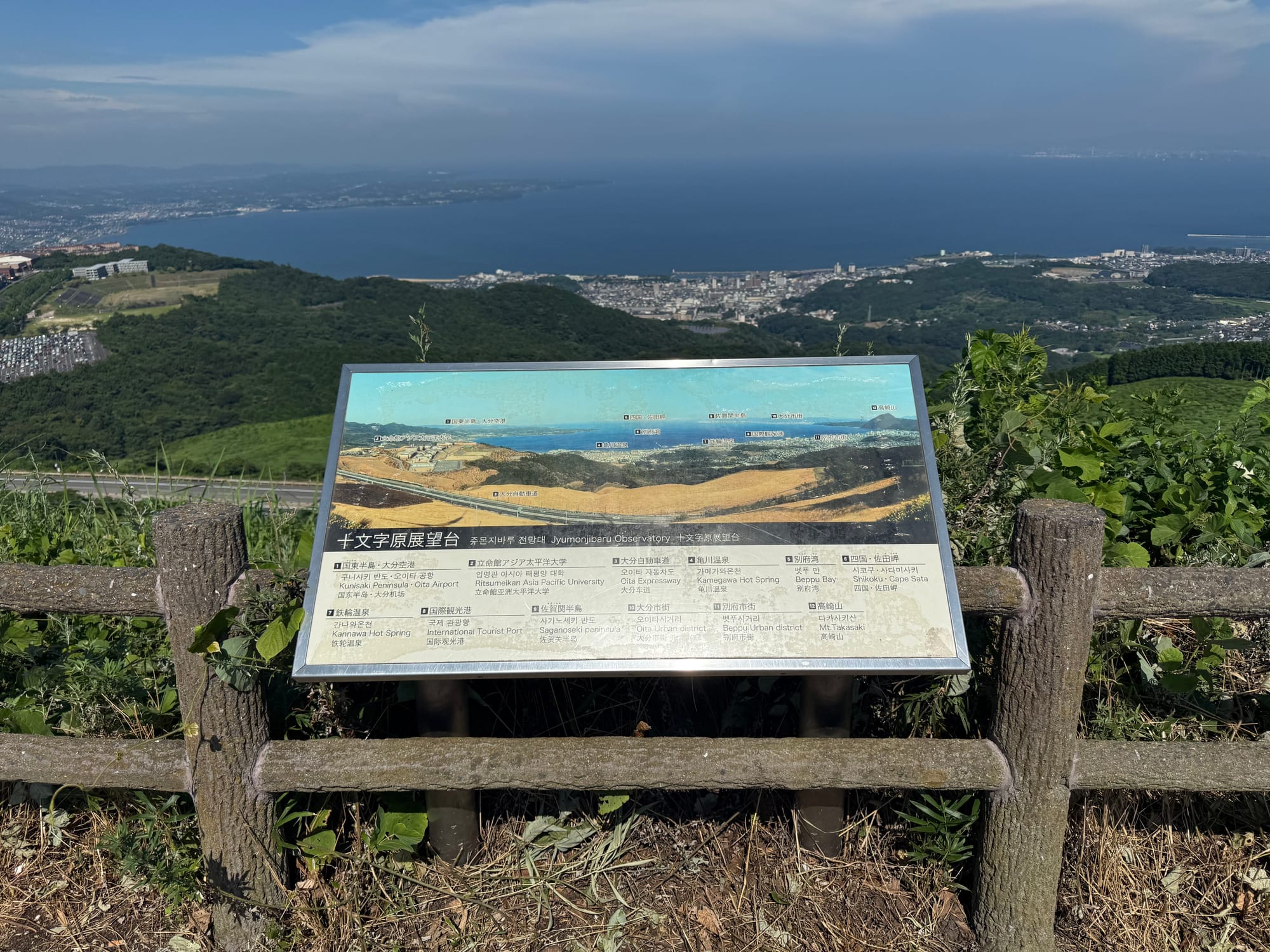
After coming down the mountain, I went to Jumonji viewpoint, which is a viewpoint near the Expressway, a bit higher up from the Expressway and overlooks beppu. As I was not in the clouds for this bit, the views were a lot better.
The viewpoint at Jūmonjibaru Observatory offers sweeping views across Beppu, Beppu Bay and the surrounding coastline, helping visitors identify landmarks visible across northern Kyushu.The view from Jūmonjibaru Observatory stretches across Beppu, Beppu Bay and the surrounding coastline, revealing one of northern Kyushu's most impressive mountain panoramas on a clear summer day.Taking in the spectacular view from Jūmonjibaru Observatory above Beppu, with Beppu Bay and the surrounding coastline providing a stunning backdrop on a clear summer day.
It has been a really good day going round some different points in Beppu, there are many more things I could do here though.
Rest/Beach Day
28th July
Today I has originally planned to go to a theme park in Beppu, but I was tired and there were really only 2 rides that I wanted to ride there, so instead I turned it into a rest day and went down to the beach.
On The Beach
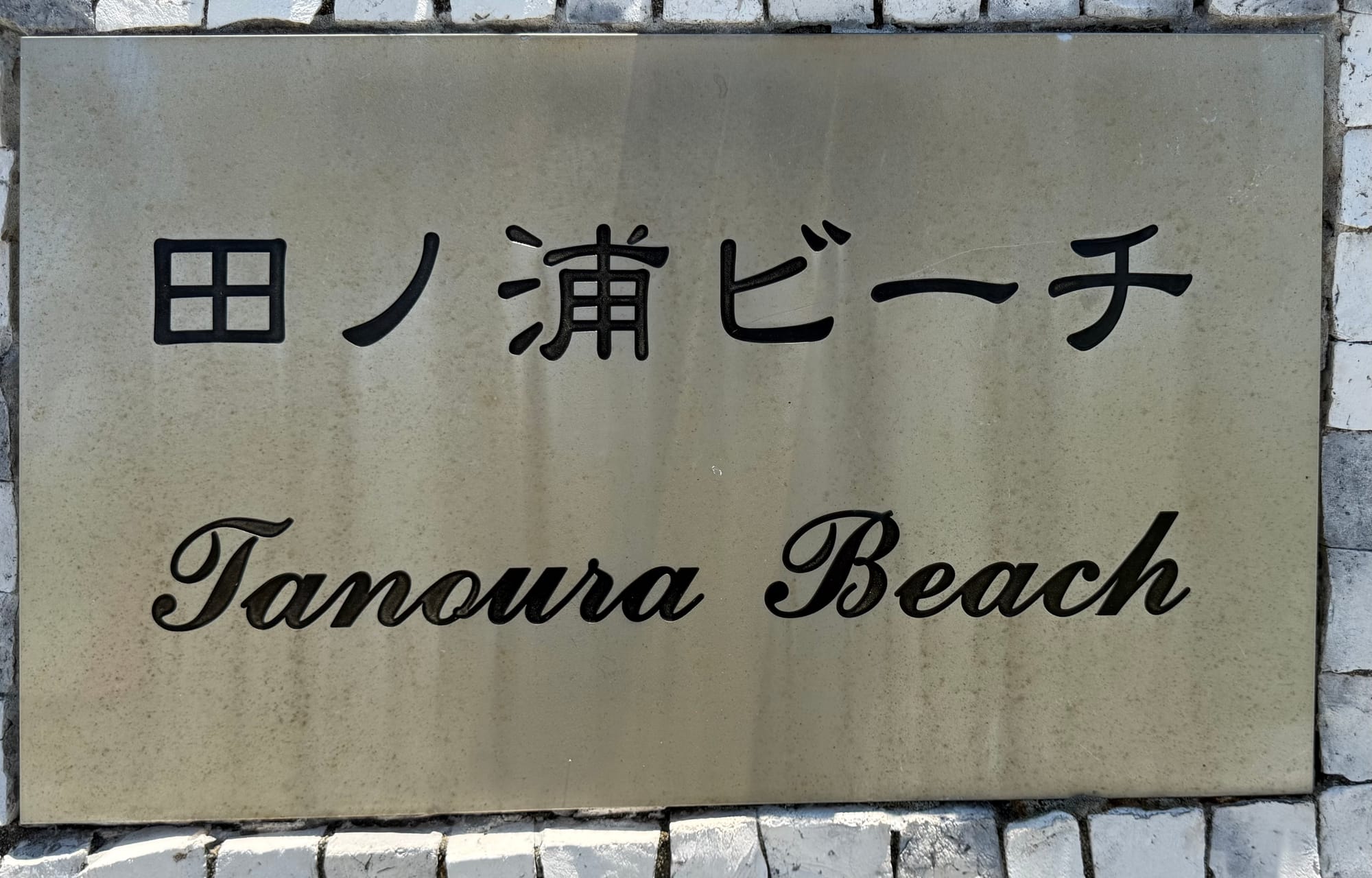
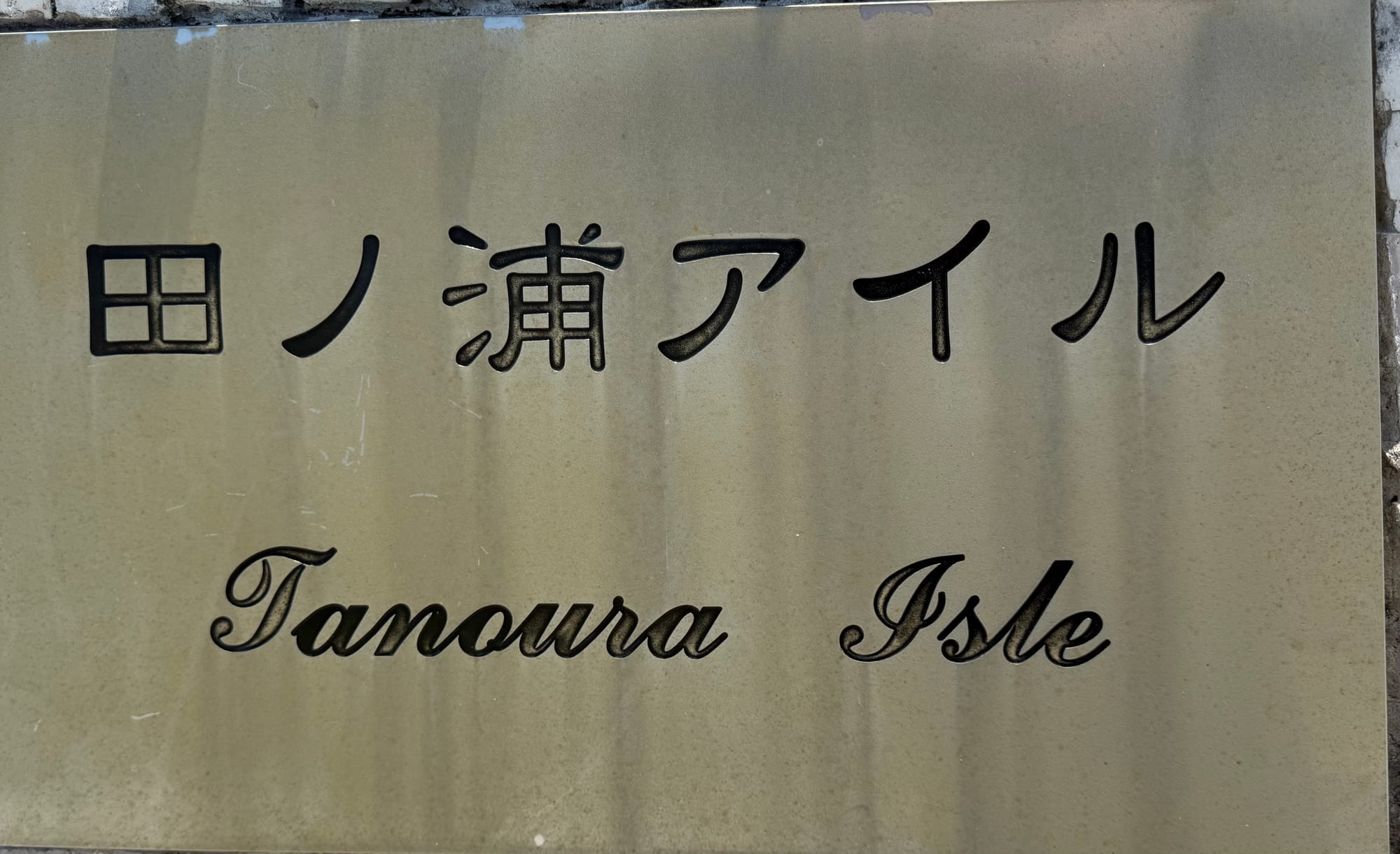
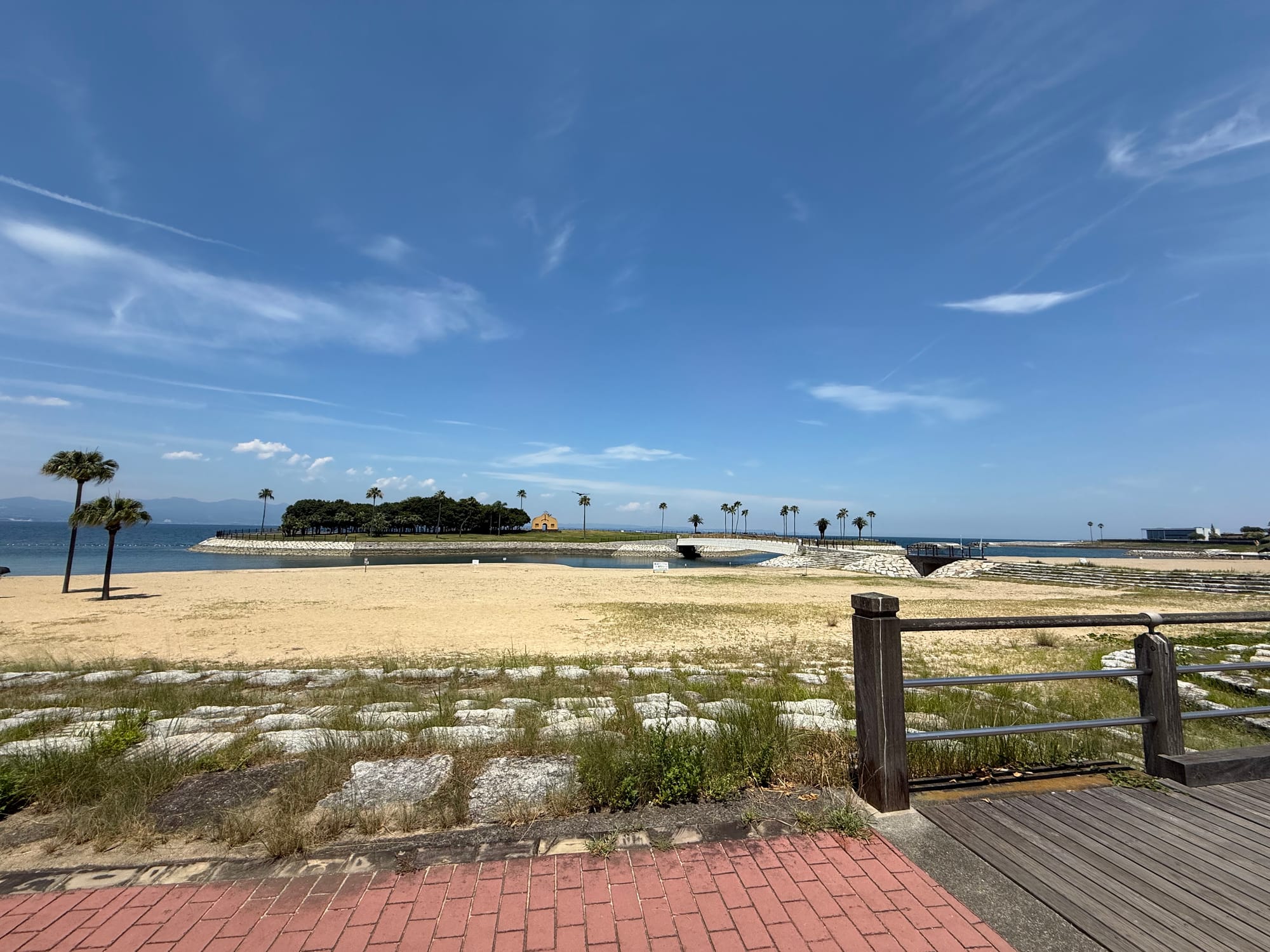
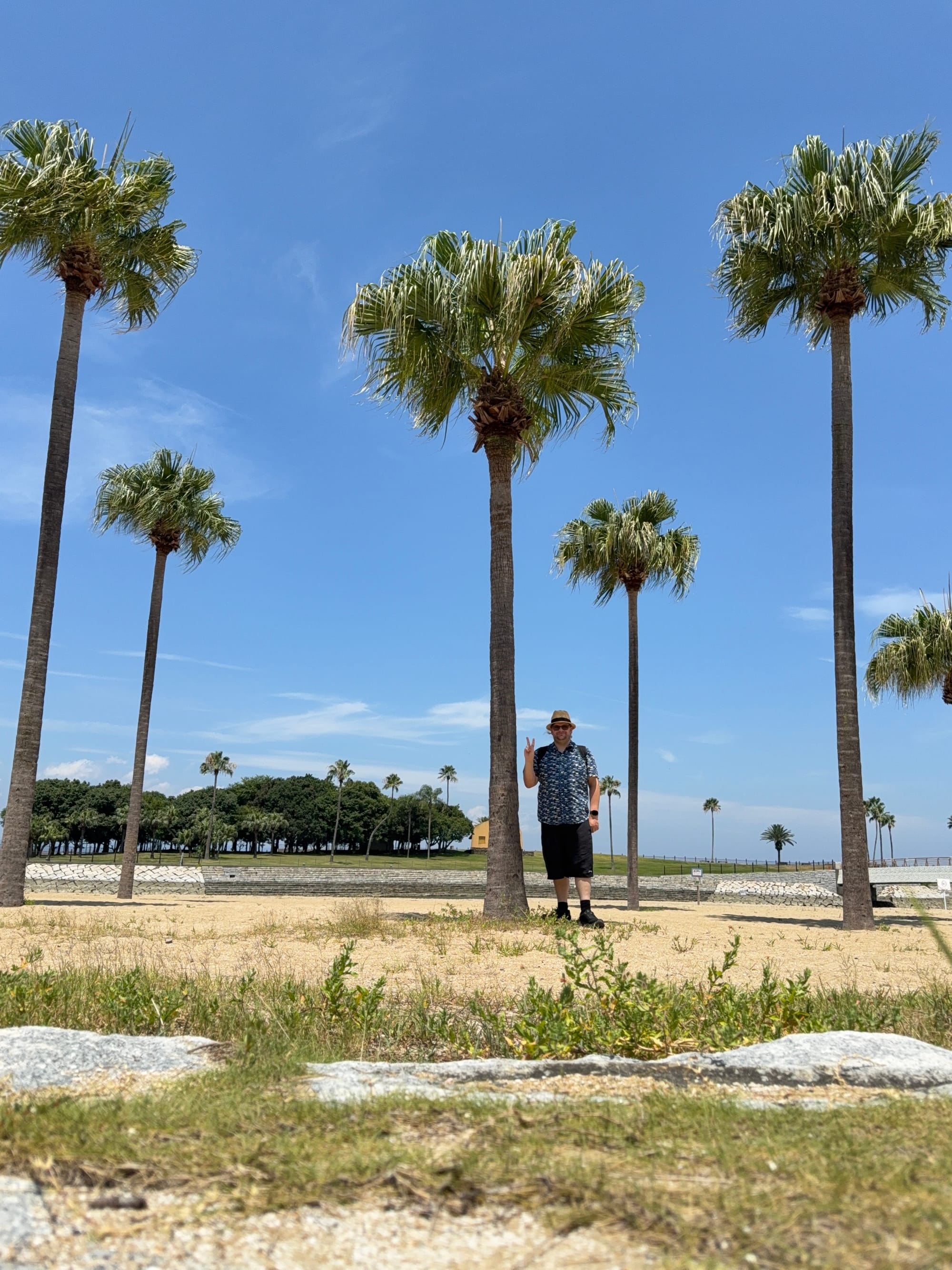
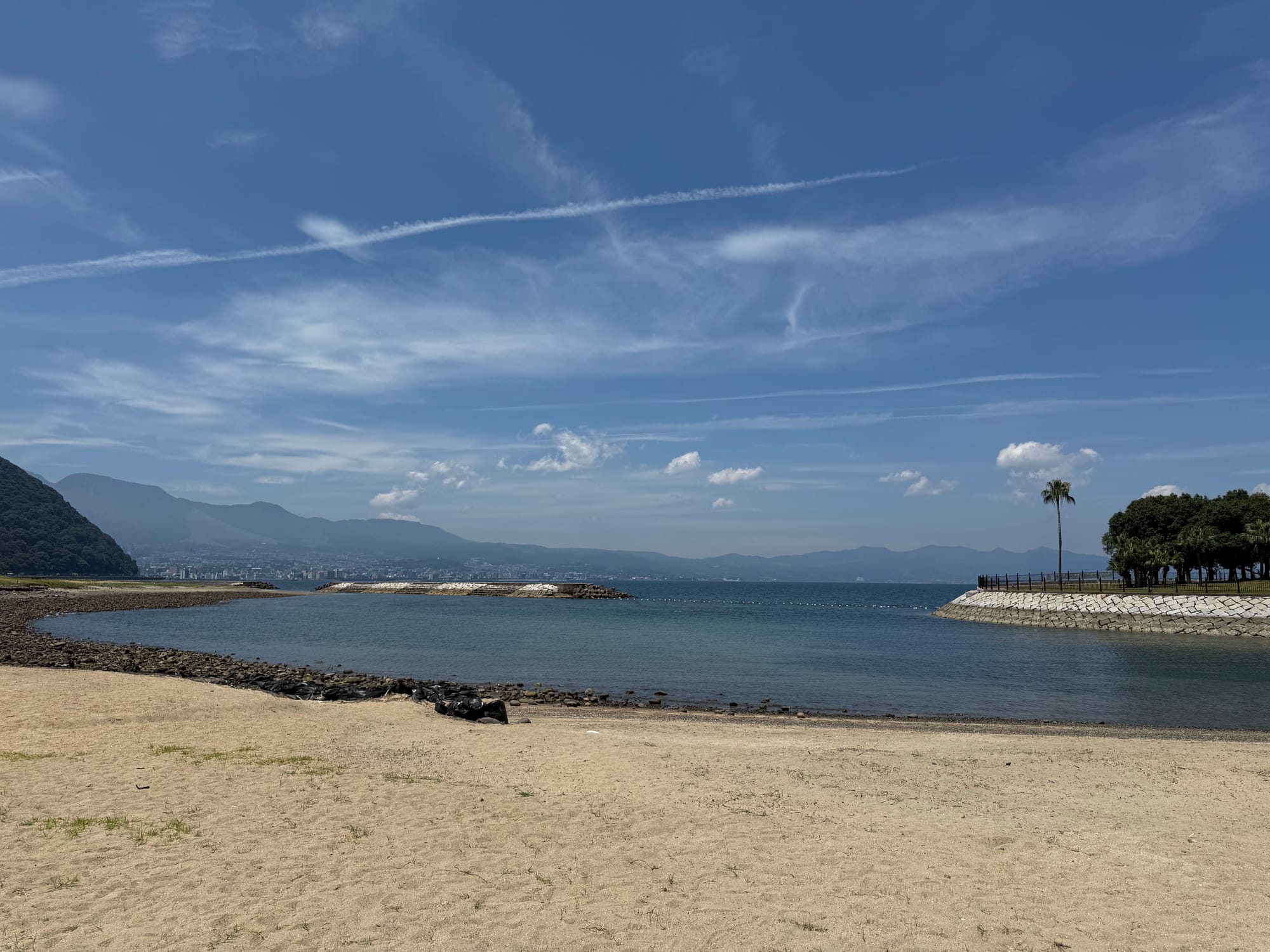
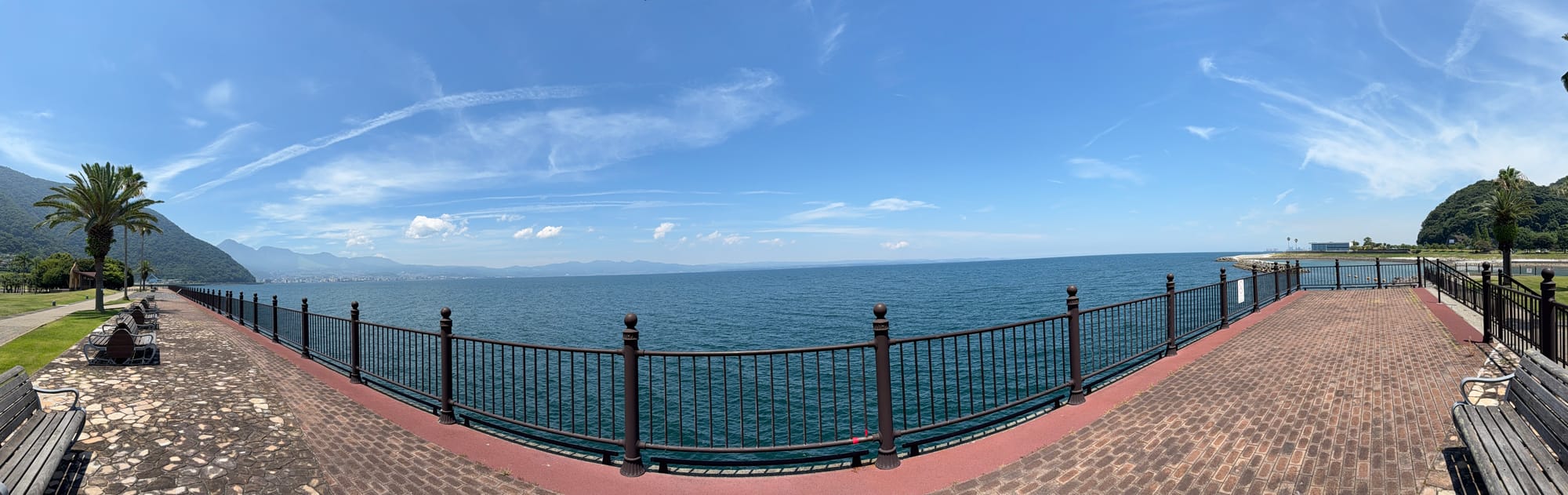
First, I tried to go to a beach nearby the hotel called Sekinoe beach, but when I got there, the car park was closed, so decided to go to the backup beach, which is about 30 mins away called Tanoura beach and to be honest, I am glad that I did, it was really fun to go to and the scenery was stunning.
The entrance sign for Tamoura Beach in Beppu marks one of the city's coastal recreation areas, overlooking the waters of Beppu Bay in northern Kyushu.The entrance sign for Tamoura Isle in Beppu marks a coastal waterfront area overlooking Beppu Bay, offering views across the sea and surrounding shoreline.Looking from Tamoura Beach towards Tamoura Isle in Beppu, where palm trees, sandy shores and calm waters create an unexpectedly tropical scene along Beppu Bay.Enjoying the sunshine at Tamoura Beach in Beppu, where palm trees, sandy shores and views across Beppu Bay create an unexpectedly tropical atmosphere in northern Kyushu.
It is such a peaceful place that sits between Beppu and Oita. It took about 30 mins to get to by car, but it was worth it, well apart from the sunburn afterwards.
Looking out from Tamoura Beach across Beppu Bay, where calm waters, distant mountains and clear summer skies create a peaceful coastal scene in northern Kyushu.Looking out from Tamoura Isle across Beppu Bay, with palm-lined walkways, calm waters and distant mountains creating a peaceful coastal setting in northern Kyushu.
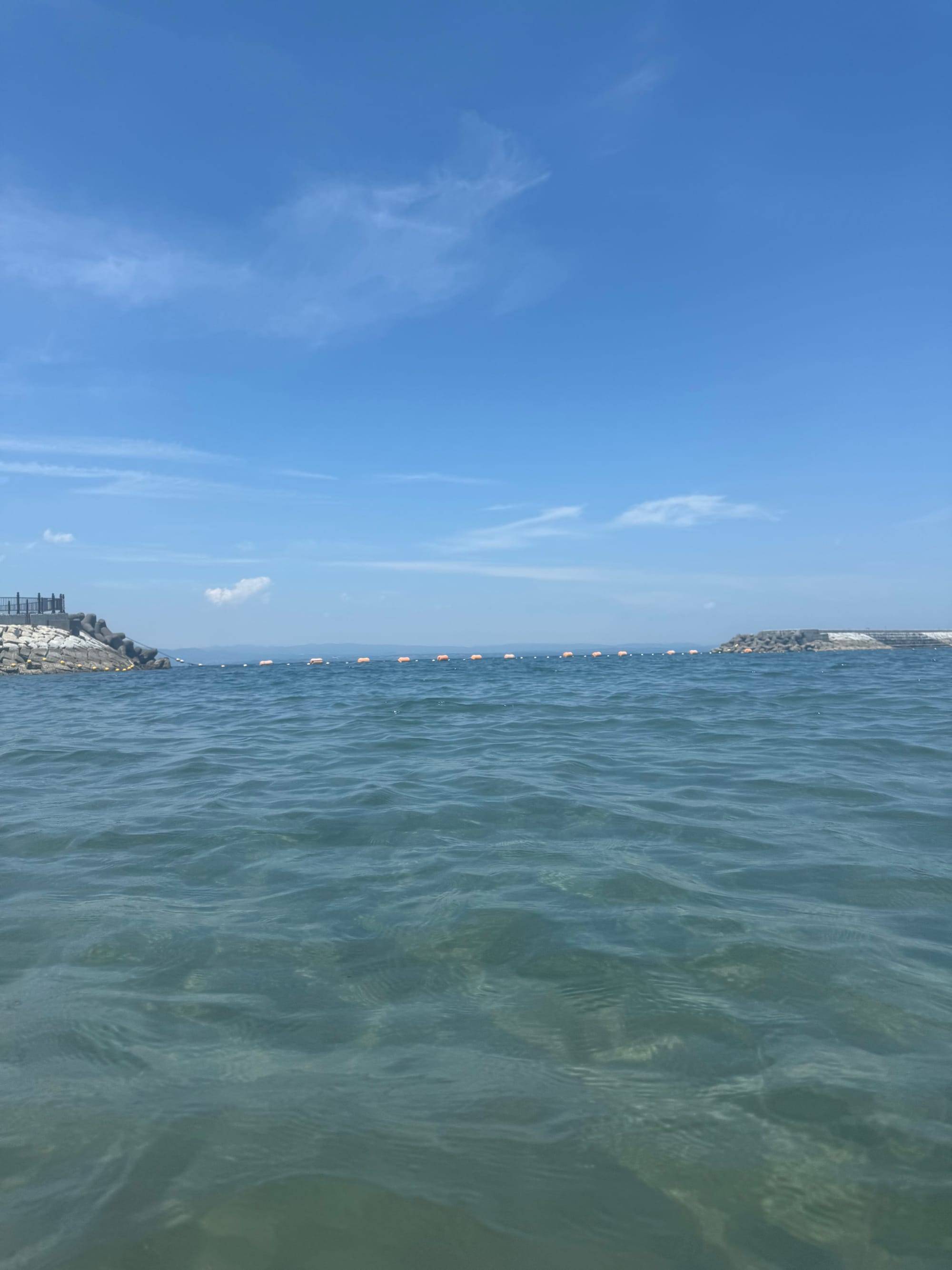
As it was only me, I decided to use my waterproof phone protector again, and even though i am sure that it would have been safe just being left there, I am from the UK and just wanted to be sure and safe.
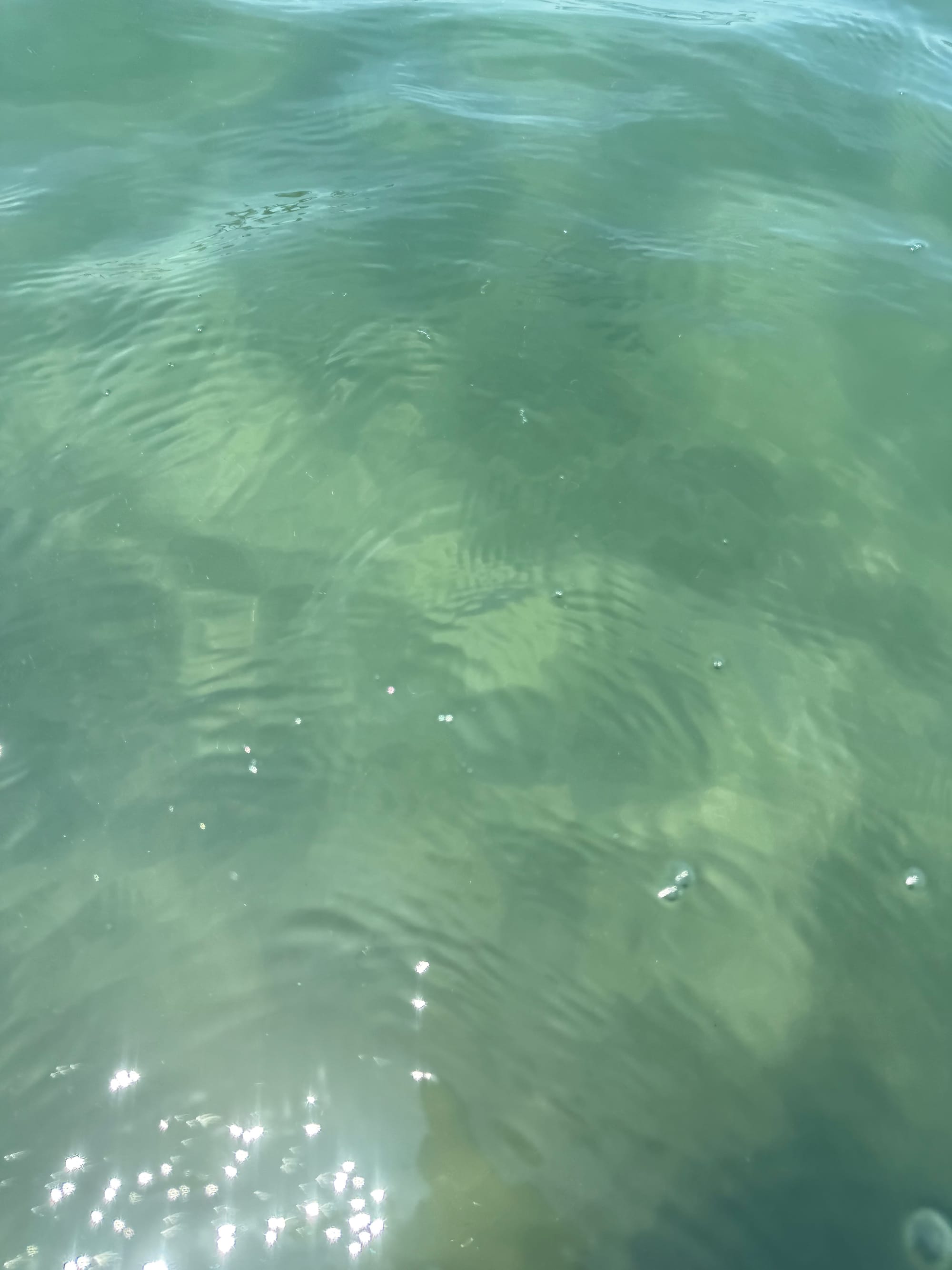
Cooling off in the waters of Beppu Bay at Tamoura Beach, enjoying the sunshine and mountain views during a hot summer day in northern Kyushu.Looking out across Beppu Bay while swimming at Tamoura Beach, with clear water, calm conditions and uninterrupted views beneath a cloud-dappled summer sky.The remarkably clear water at Tamoura Beach reveals the sandy seabed below, while sunlight sparkles across the gentle waves of Beppu Bay on a warm summer day.
The water was also crystal clear as you can see above, it was honestly amazing to just chill out at the beach and relax in the water.
I has no idea what was going to come next, especially as it looked so peaceful here
Earthquake Alert!!
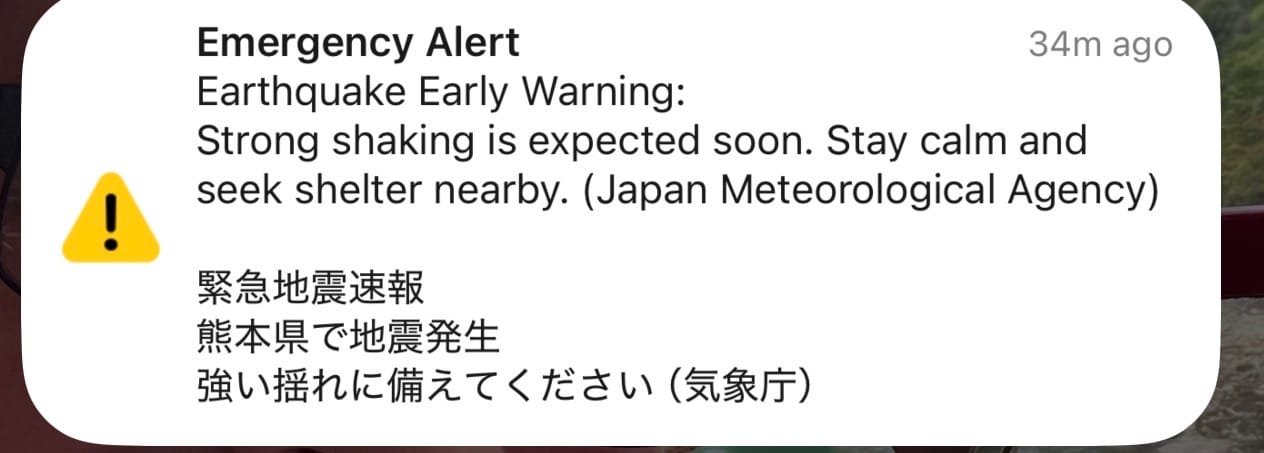
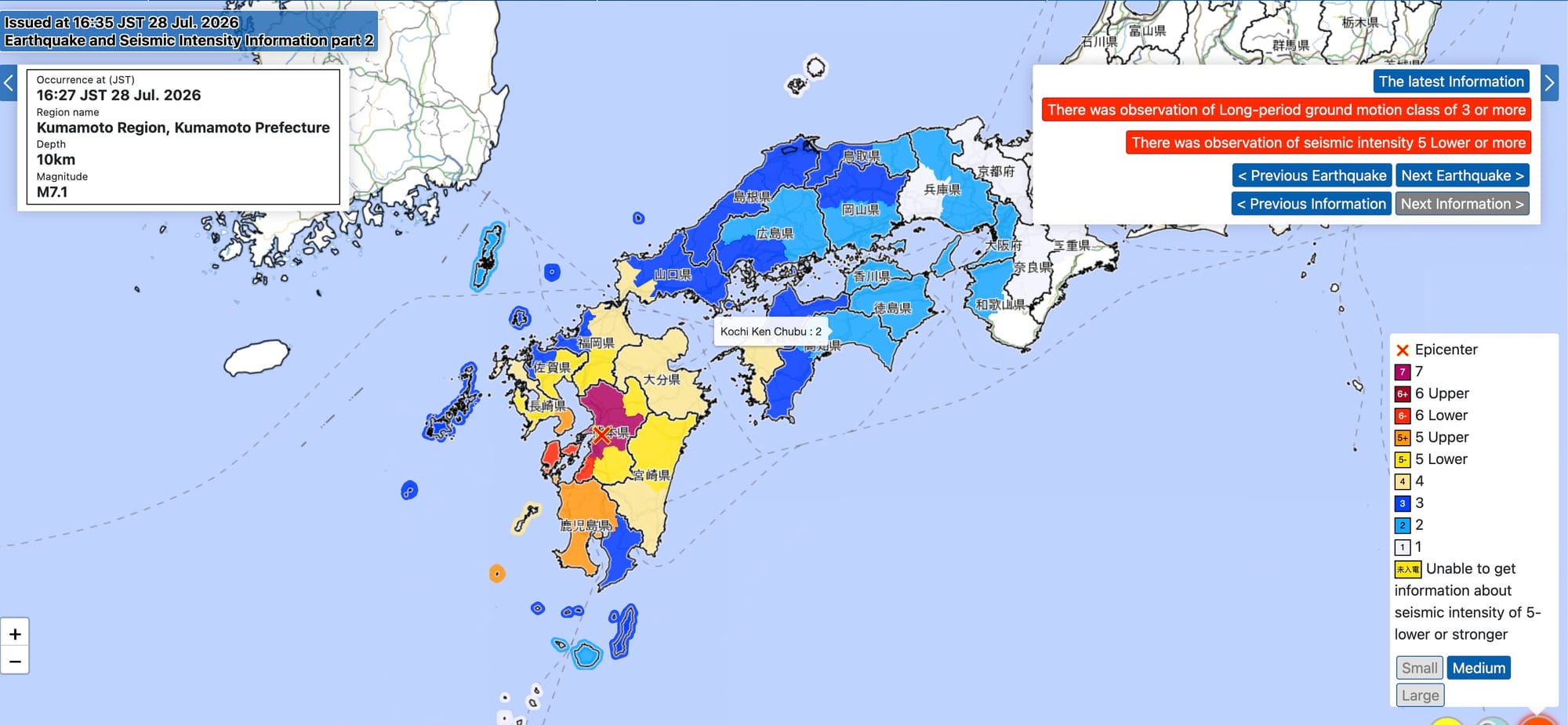
Some of you may have heard about the big earthquake that hit Kumamoto, which was also felt at Beppu. The quake measured 7.1 in magnitude and 7 on the JMA scale, the highest level on the scale. My phone started blaring as when I was resting and I was wondering what was going on. I saw a notification come up on my from the Earthquake early warning system.
An Earthquake Early Warning alert issued by the Japan Meteorological Agency, warning of expected strong shaking and demonstrating Japan's sophisticated earthquake warning system.
At this point I was panicking a bit, even though it says ‘stay calm’ on the alert. So, I just stayed on the bed, pulled my legs in a bit and just stayed put. The reason I pulled me legs, was because there is a wardrobe in the room and the last this, I wanted was for it to fall on me and trap me if it wasn’t screwed into the way (which I assumed it was anyway).
After about 5-10 seconds, everything started shaking, bed, floor, wardrobe, TV, everything. I honestly don’t know how to describe it apart from scary as it was something I had absolutely no control over.
An earthquake information map issued in Japan following a magnitude 7.1 earthquake in Kumamoto Prefecture, showing the distribution of seismic intensity across Kyushu and western Japan.
After about 10 seconds of shaking, everything stopped and went back to normal. As it had shook me fully awake, I want down to reception, who said it was nothing to worry about.
That night I started to get messages from people back in the UK over discord and Facebook, asking if I am OK. I was, just shook me both literally and figuratively. Please keep the people of Kumamoto in your thoughts.
Last day in Beppu
29th July - Part 1
My last day in Beppu was finding things to do, while waiting for my next mode of transport (more on that in my next blog).
Two of the Seven Hells
The seven hells of Beppu are hot spring that are too hot for humans to use as they typically are at temps of between 80-95c.
The Crocodile Hell (Oniyama Hell)
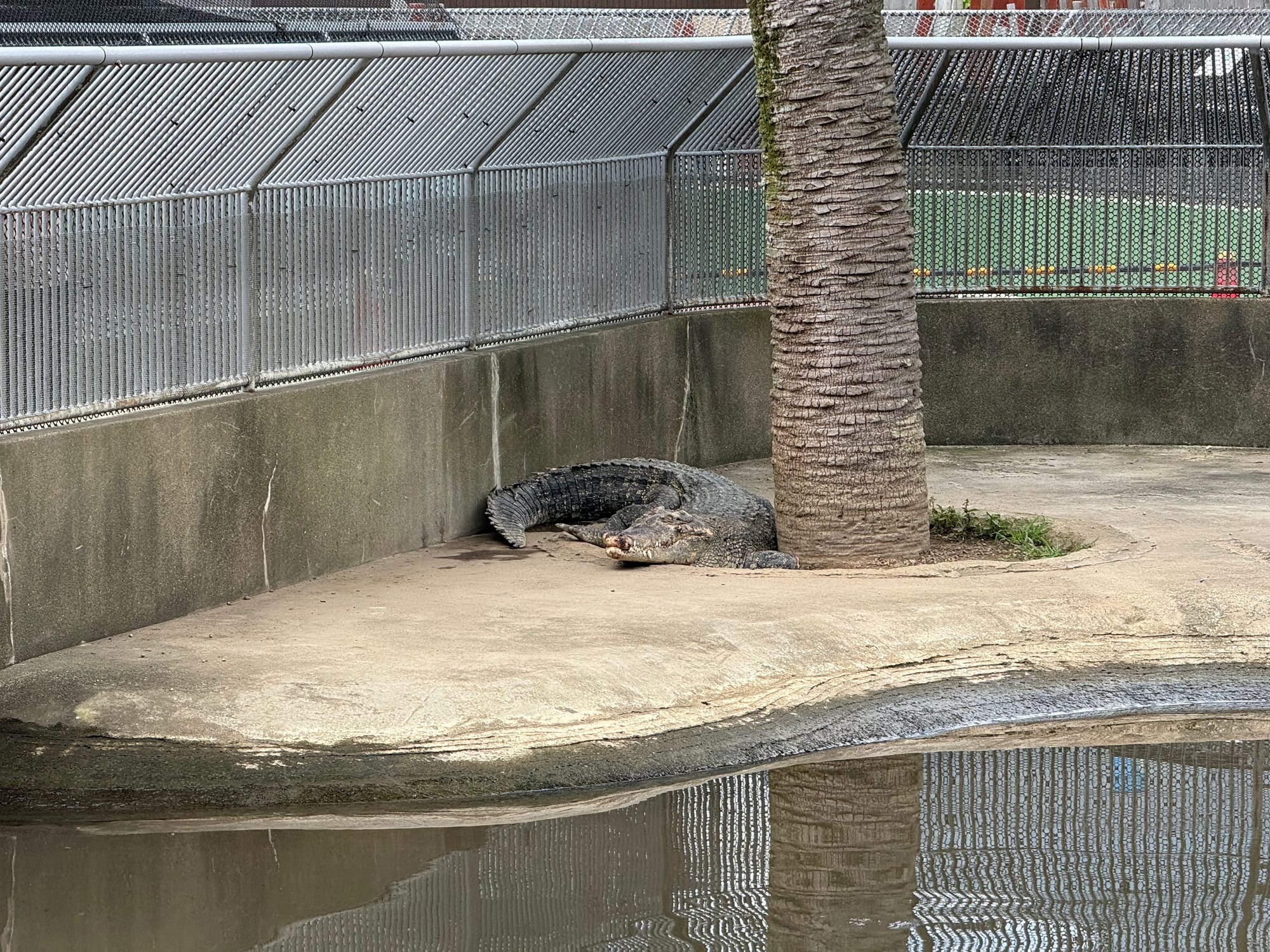
The crocodile hell is the first one I went to where they actually breed crocodiles as they like the heat from the hot spring.
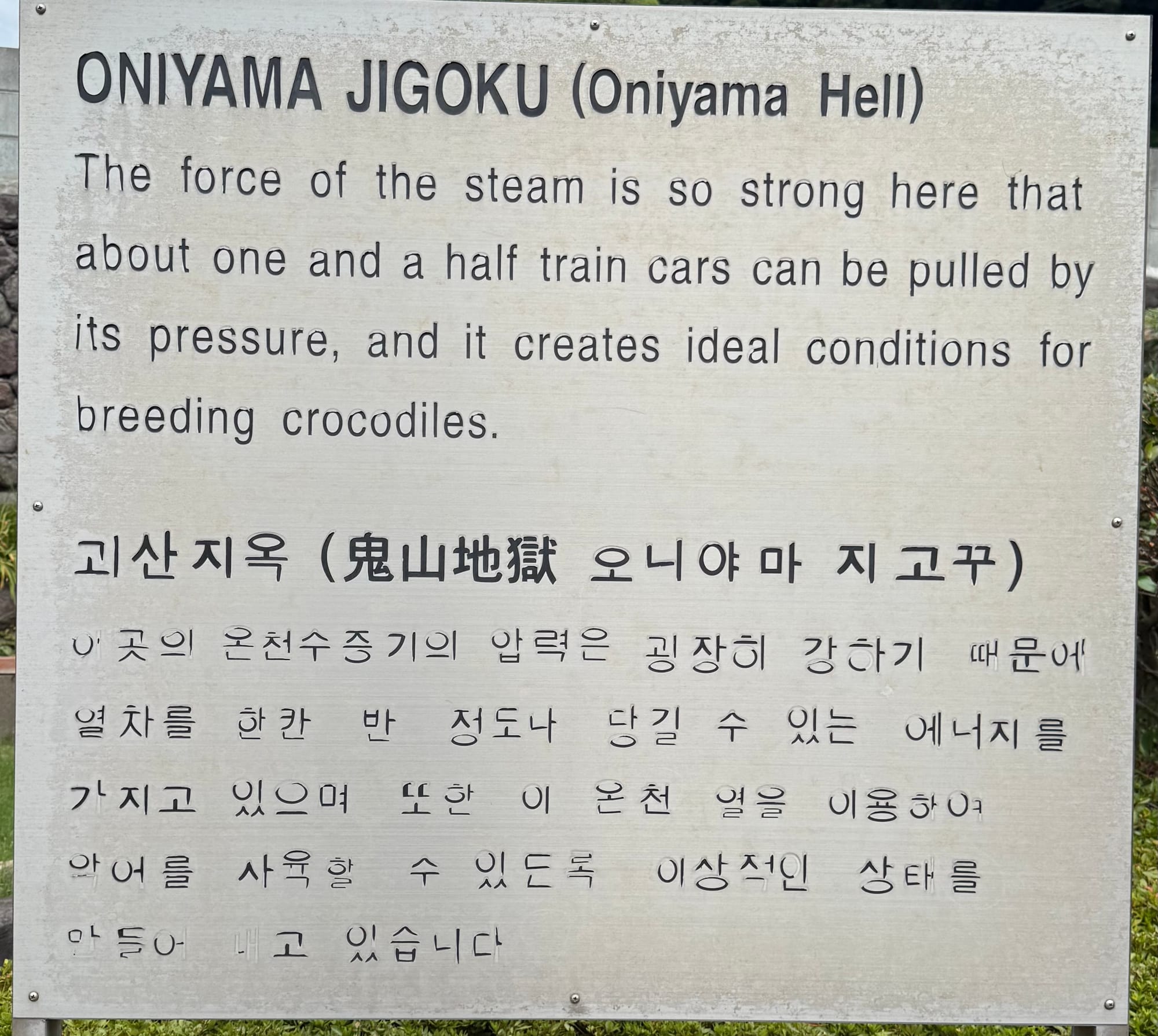
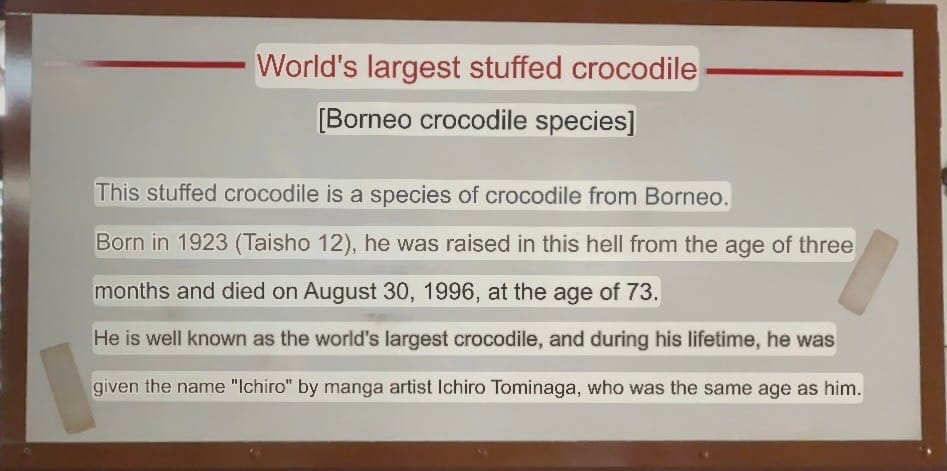
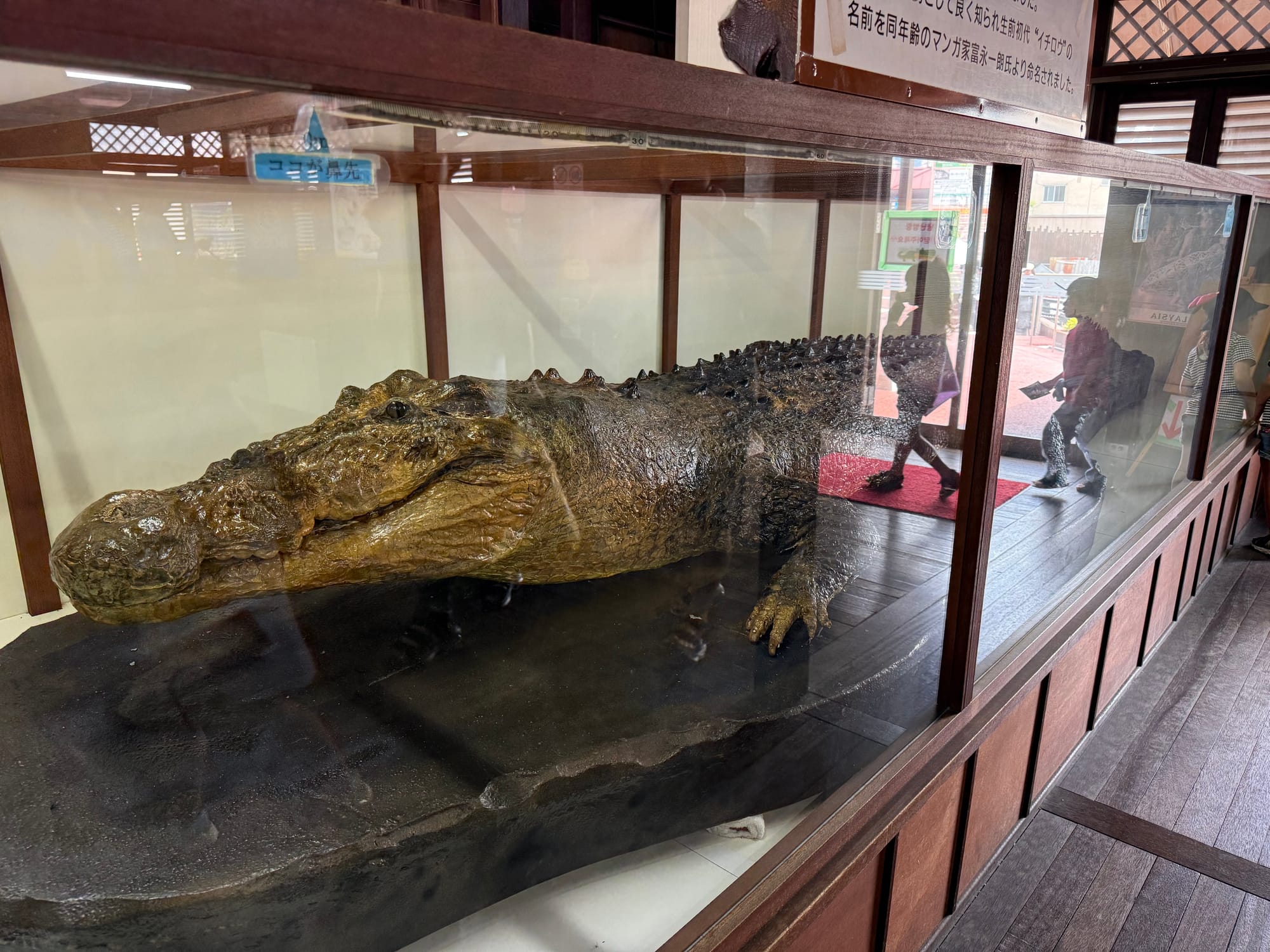
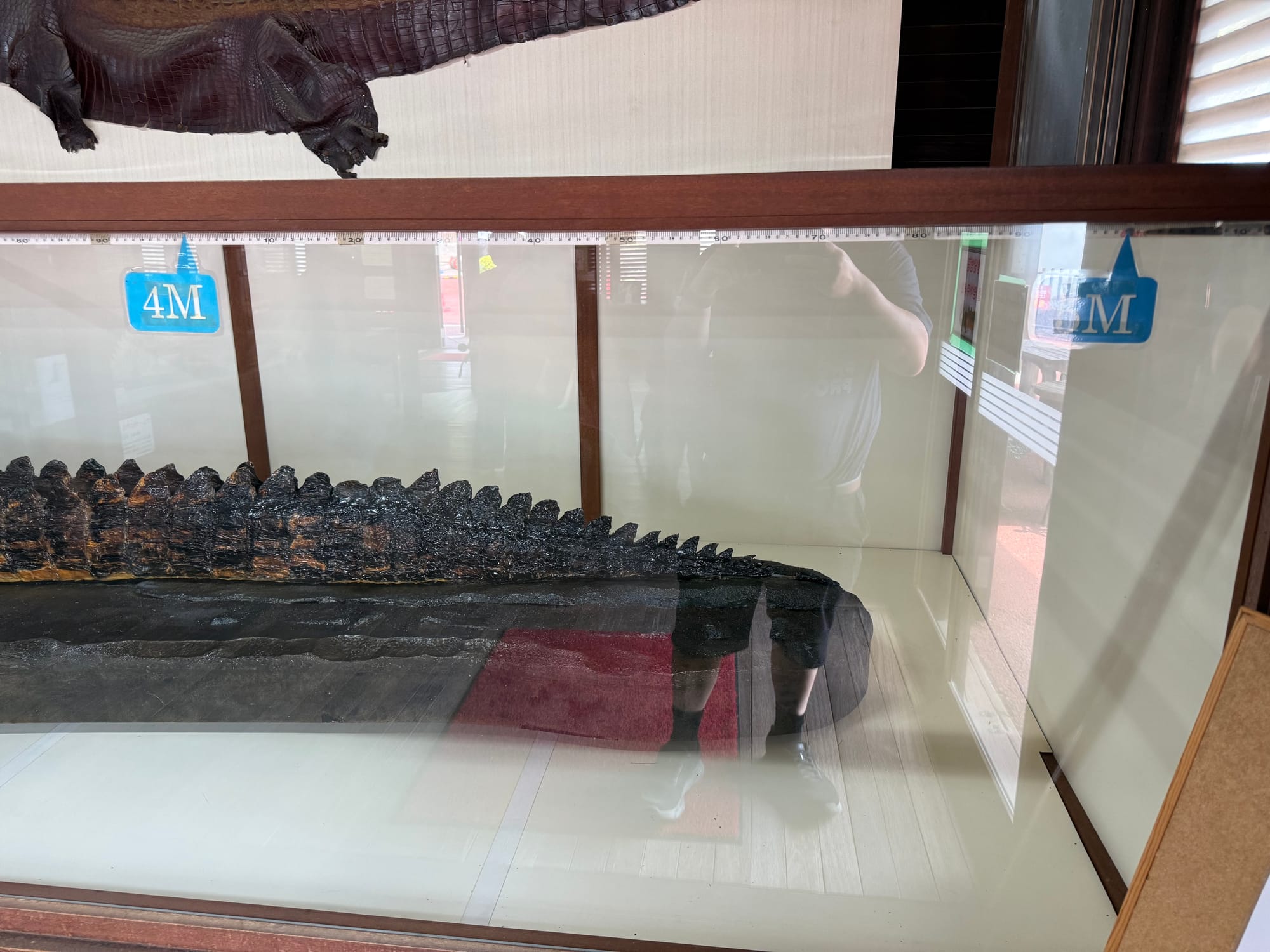
An information board at Oniyama Jigoku explains how the site's powerful geothermal steam has been harnessed for practical use, including maintaining the warm conditions needed for crocodile breeding.An exhibit at Oniyama Jigoku tells the story of Ichirō, a Borneo crocodile raised at the attraction and later preserved as the world's largest stuffed crocodile.The preserved body of Ichirō, the famous Borneo crocodile displayed at Oniyama Jigoku in Beppu, highlights the extraordinary size of the animal once recognised as the world's largest stuffed crocodile.Part of the preserved body of Ichirō, the renowned Borneo crocodile at Oniyama Jigoku, displayed alongside measurement markers that highlight the remarkable size of the animal.
The Longest crocodile in the world, would be over 5 metres with his train fully pointed, that is massive!
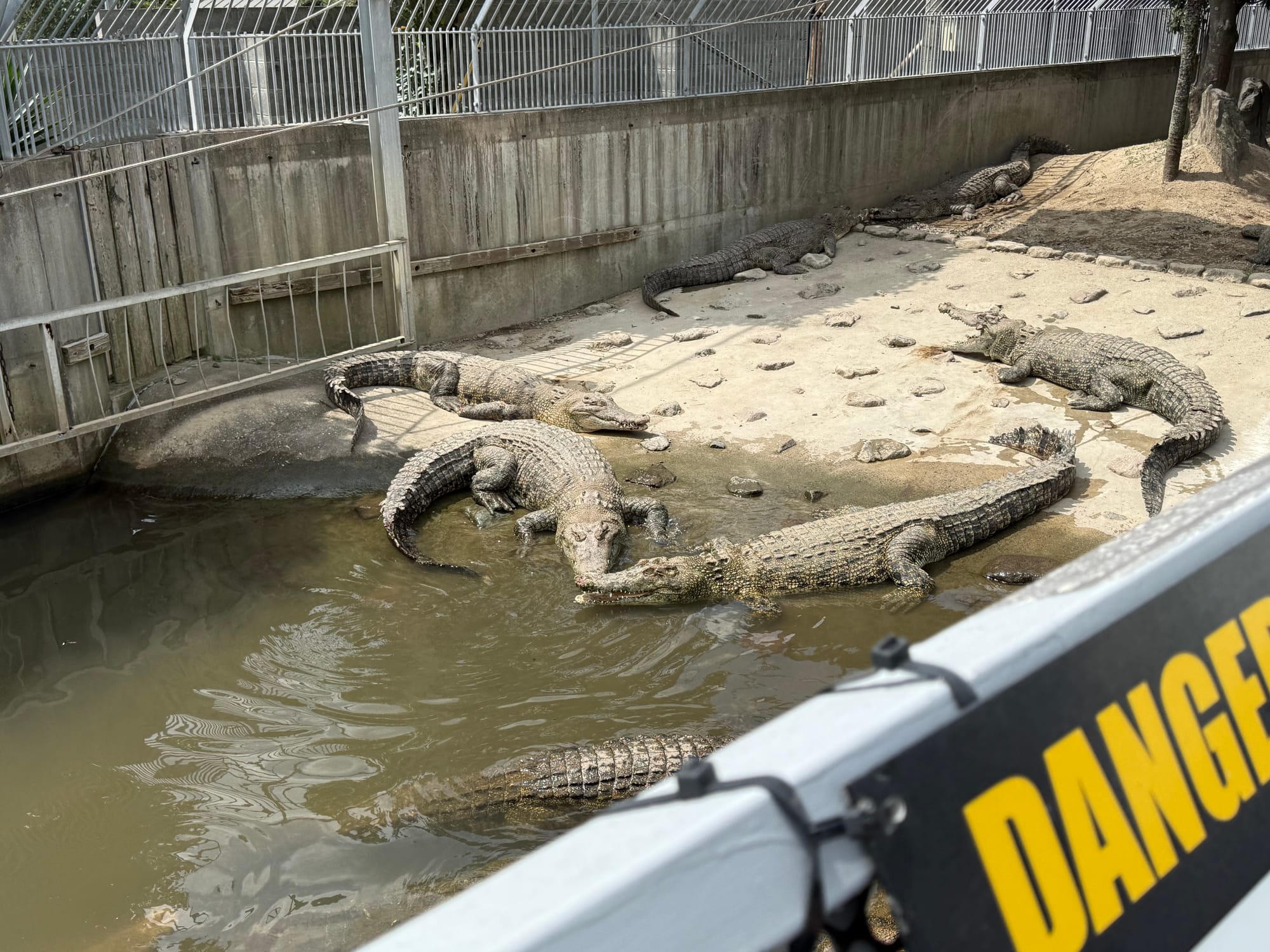
There were also pens outside where to crocodiles are kept. I did ask one of them why are they so snappy, followed by them looking at me and thrashing in the water.
Crocodiles relax around a geothermal pool at Oniyama Jigoku, where the heat from Beppu's hot springs is used to create ideal conditions for breeding and keeping these reptiles.A crocodile relaxes in the warm conditions of Oniyama Jigoku, where Beppu's geothermal heat is used to maintain one of Japan's most unusual crocodile breeding facilities.
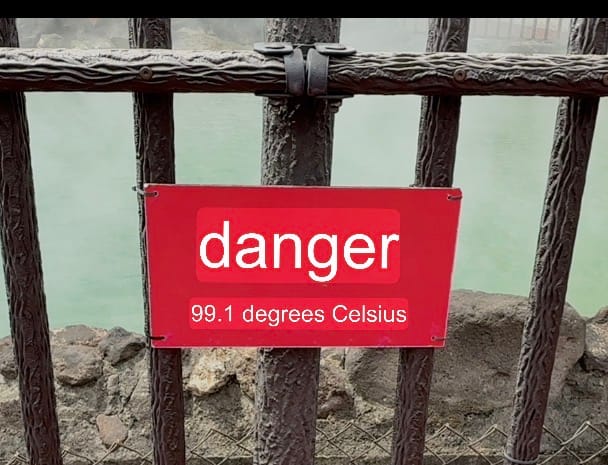
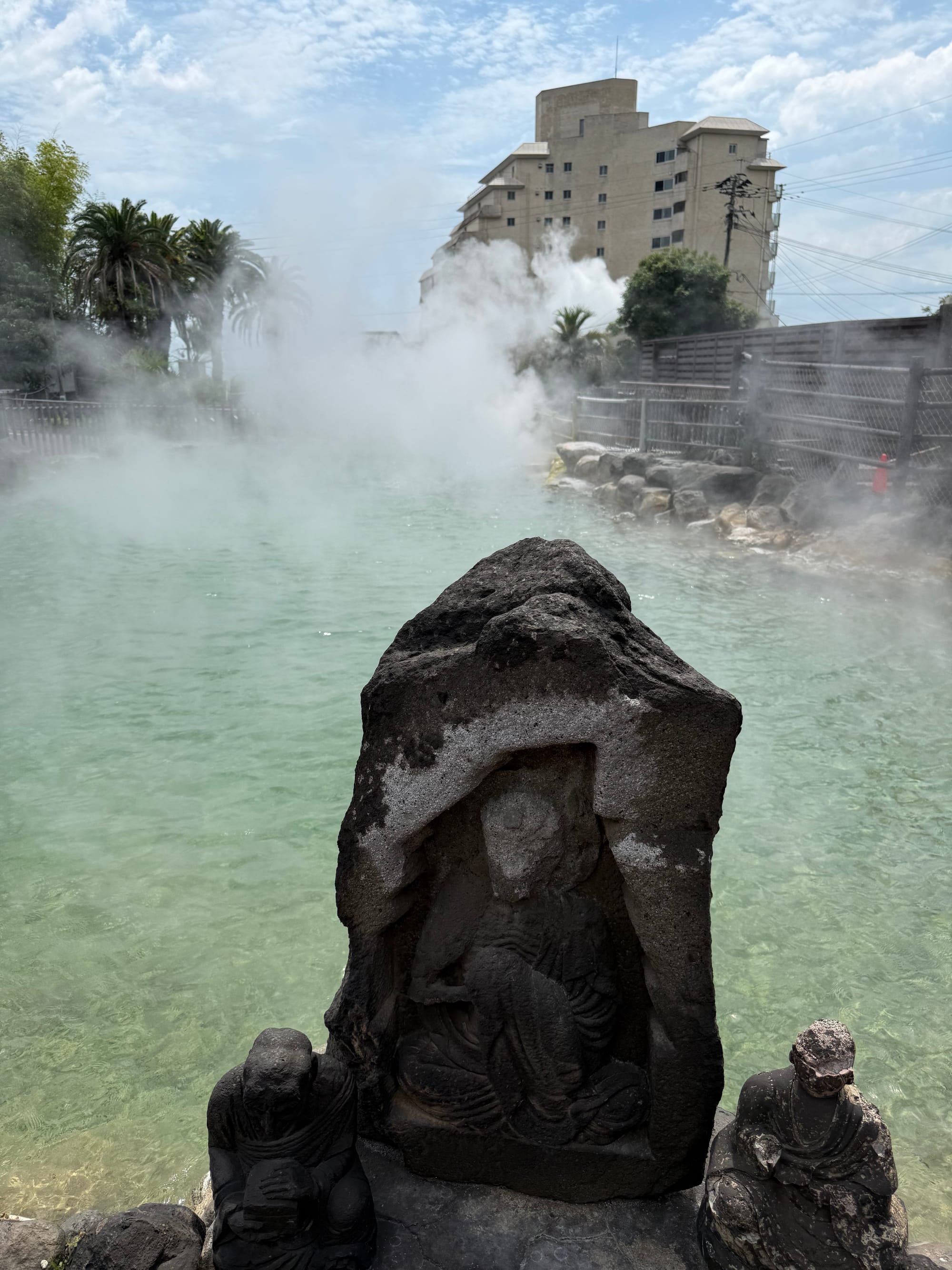
The hell where they get all the water from was a bit hot at 99.1c. You could also quite easily smell the sulphur coming from the hot spring.
A warning sign at Oniyama Jigoku highlights the extreme heat of Beppu's geothermal waters, recording a temperature of 99.1°C at one of the site's famous hot spring pools.Steam rises from the geothermal waters of Oniyama Jigoku in Beppu, where Buddhist statues overlook one of the city's famous hot spring "hells" shaped by intense volcanic activity.
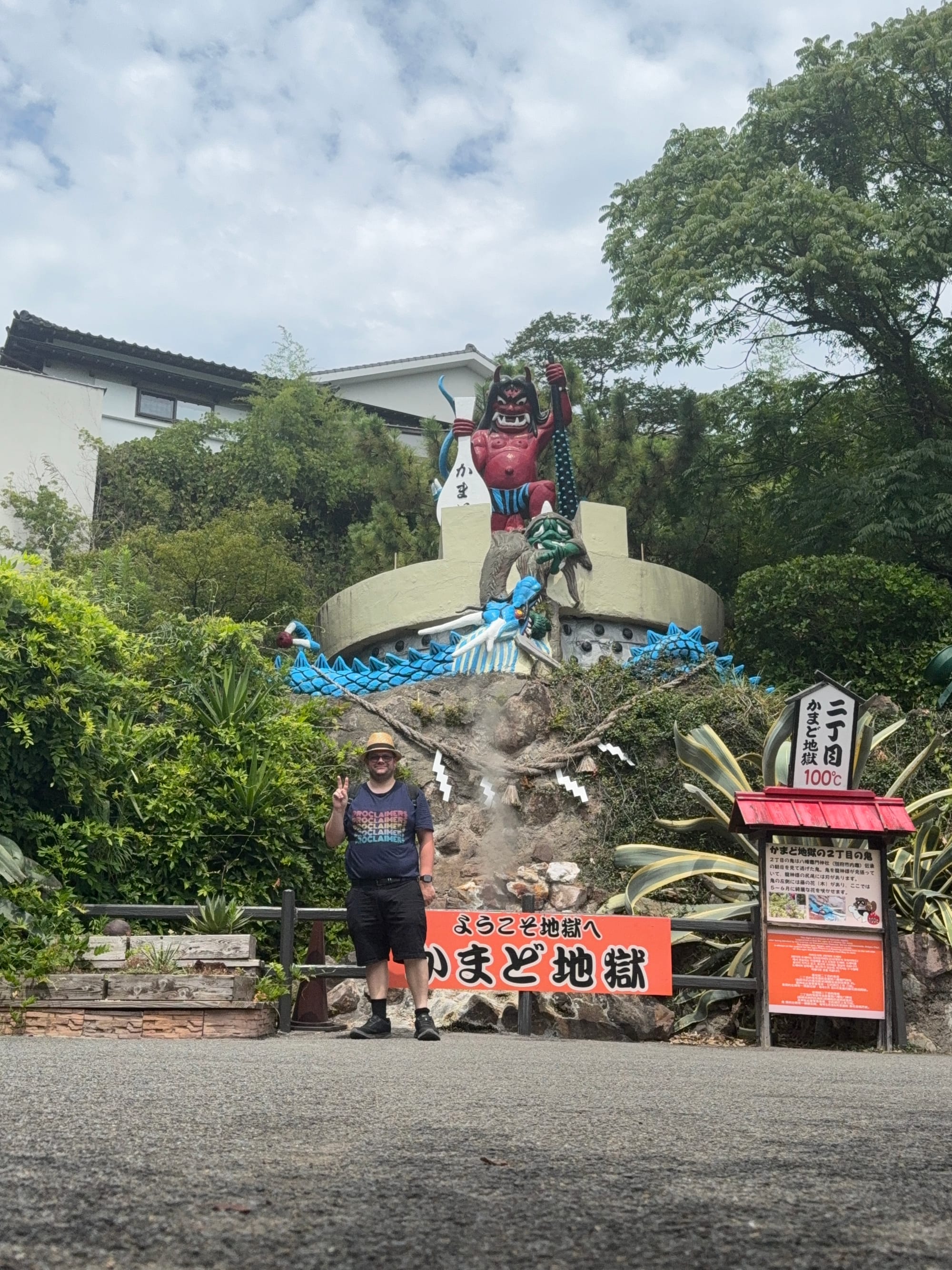
Kamado Jikoku (Stove Hell)
Posing outside Kamado Jigoku in Beppu, one of the city's renowned "Hells", where dramatic geothermal activity, steam vents and colourful displays celebrate the area's volcanic heritage.
The Stove Hell has a few different hot springs in it, but it got its name from people using Jikoku steam to cook rice, hence stove hell.
Going round some of the different hot springs there:
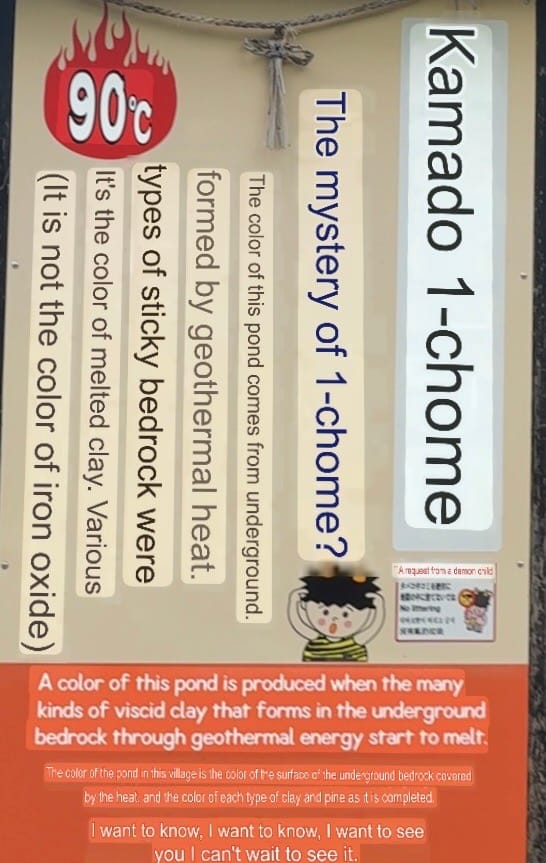
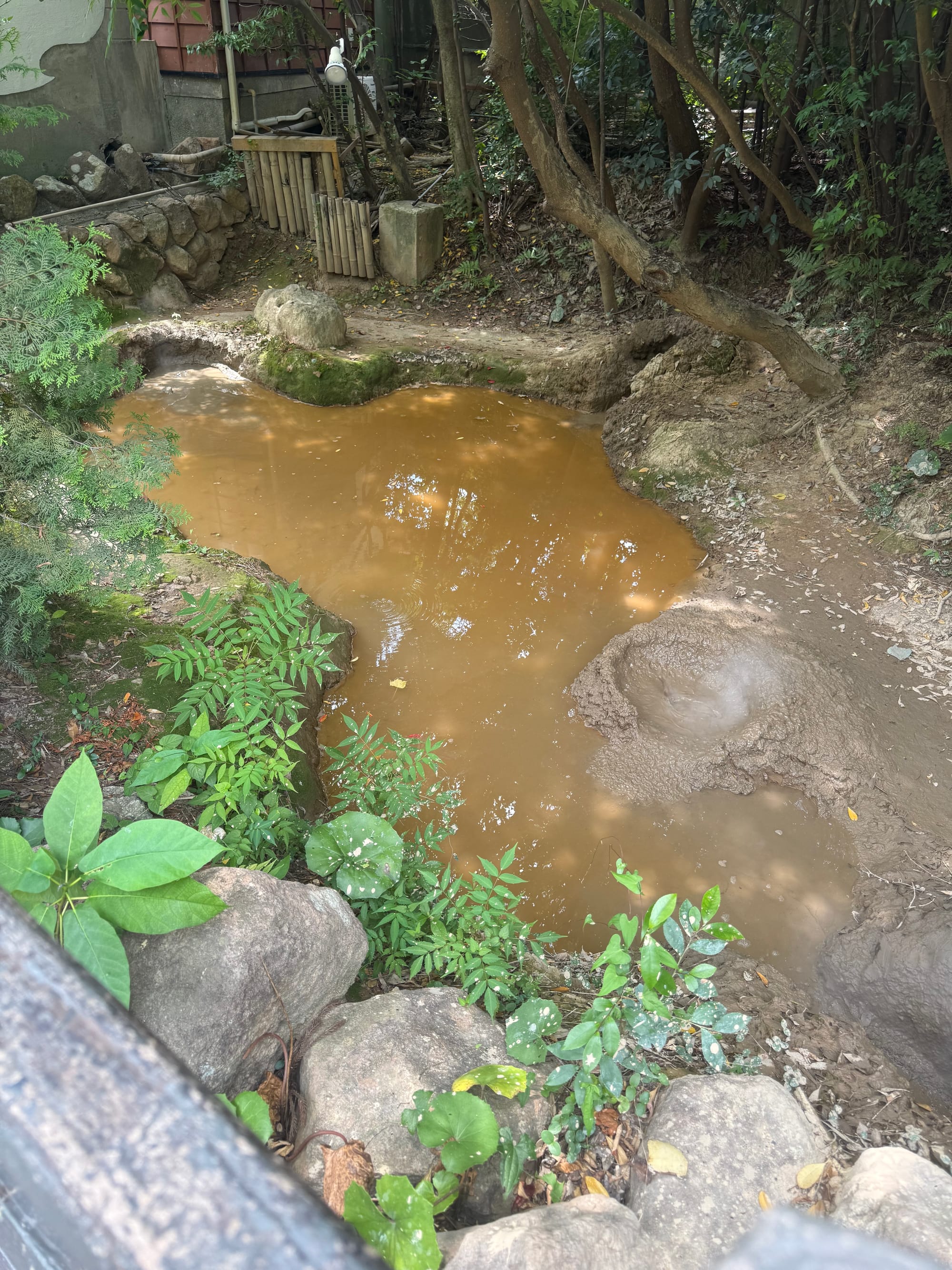
First, we have a hot spring that gets its colour from melted clay.
An information display at Kamado Jigoku explains the geological processes behind one of the site's hot spring ponds, where geothermal heat and mineral-rich clay create its distinctive colour.A bubbling mud pond at Kamado Jigoku demonstrates the geothermal forces beneath Beppu, where hot minerals and gases create constantly shifting patterns on the surface.
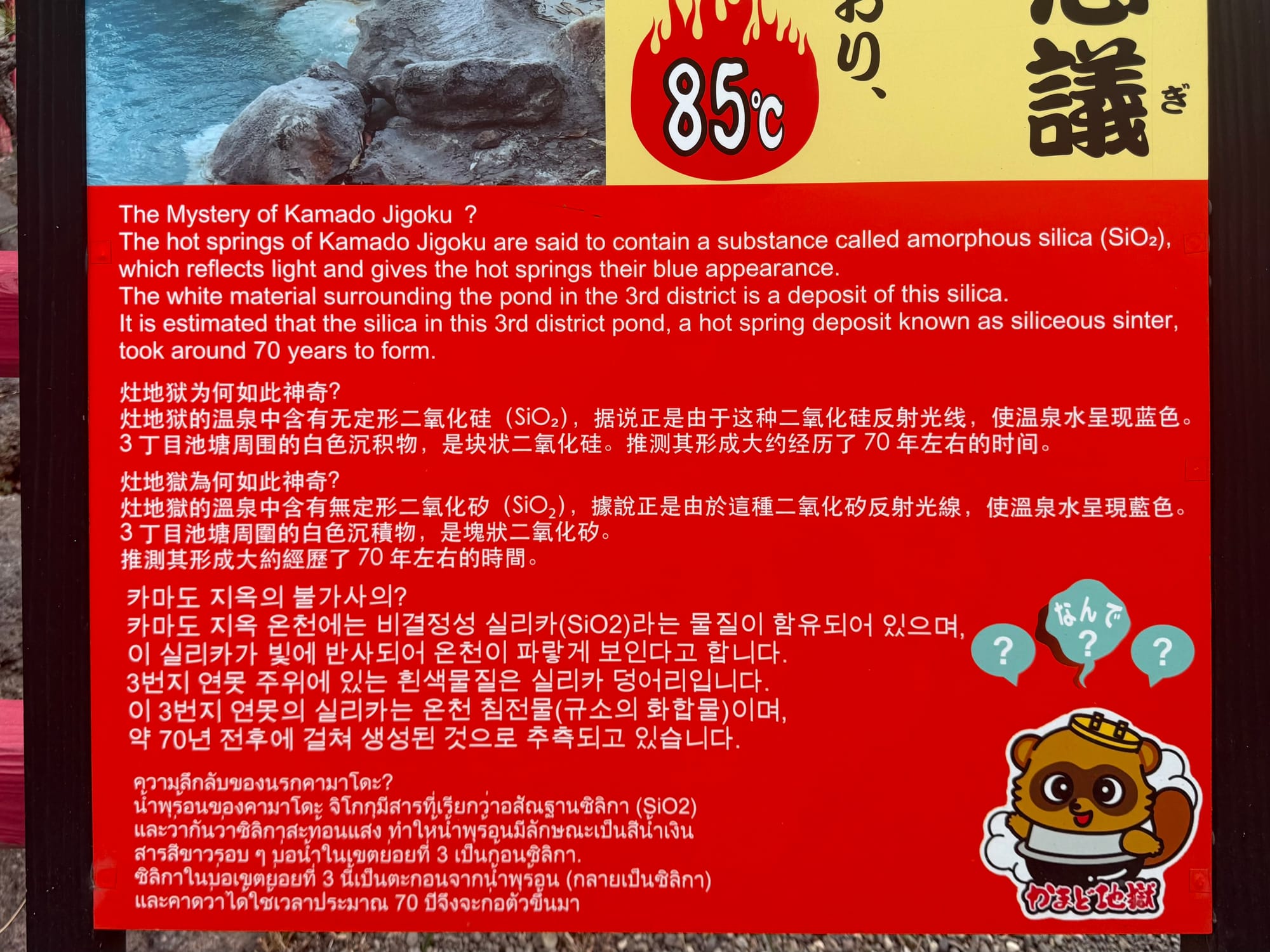
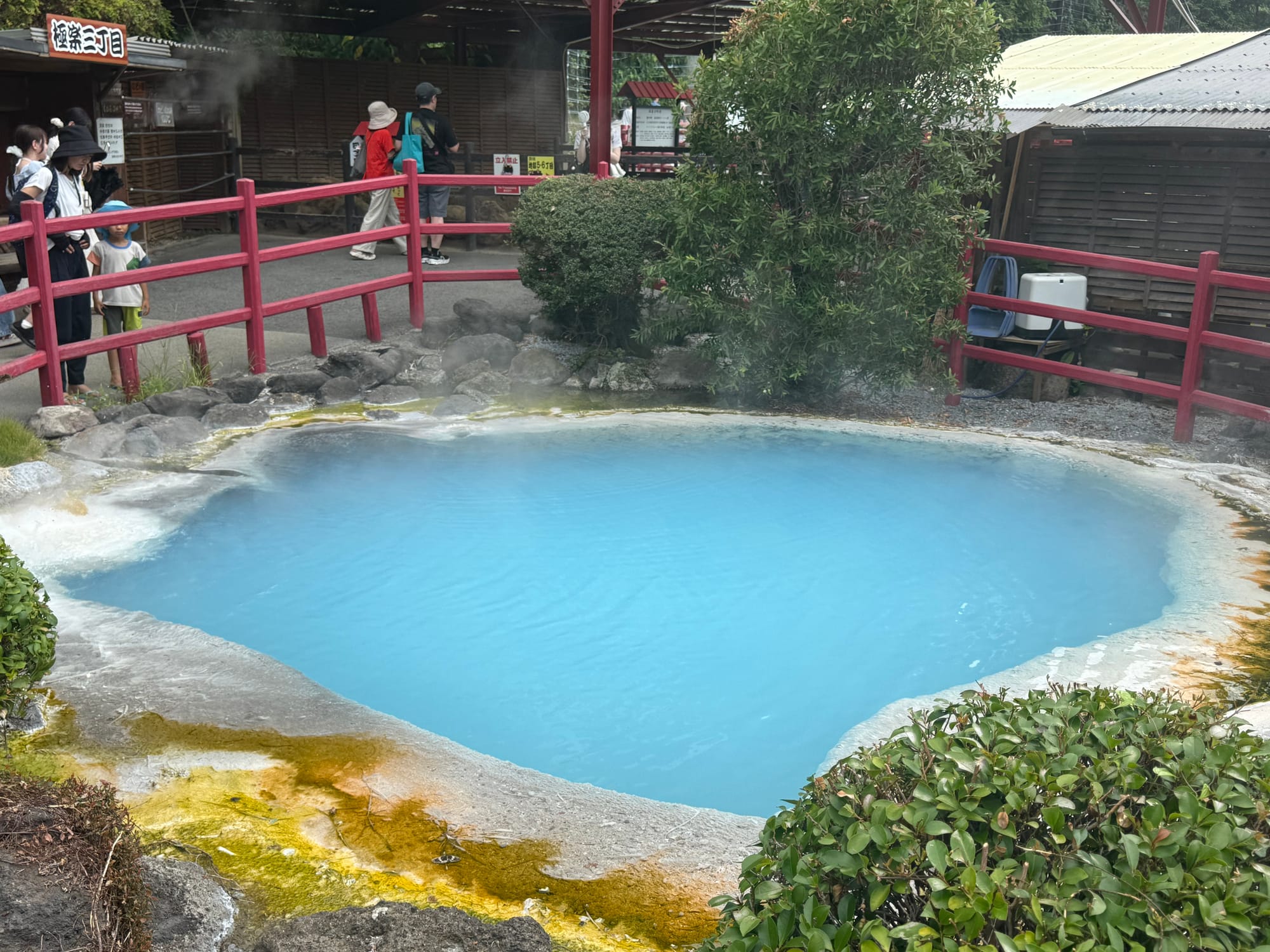
The next one contains amorphous silica and that reflects light to give this one a blue appearance.
An information display at Kamado Jigoku explains how silica-rich geothermal water creates the site's distinctive blue pond, one of the many unusual hot spring features found in Beppu's famous Hells.One of the striking blue pools at Kamado Jigoku, where mineral-rich geothermal water creates vivid colours and otherworldly scenery among Beppu's famous hot spring Hells.
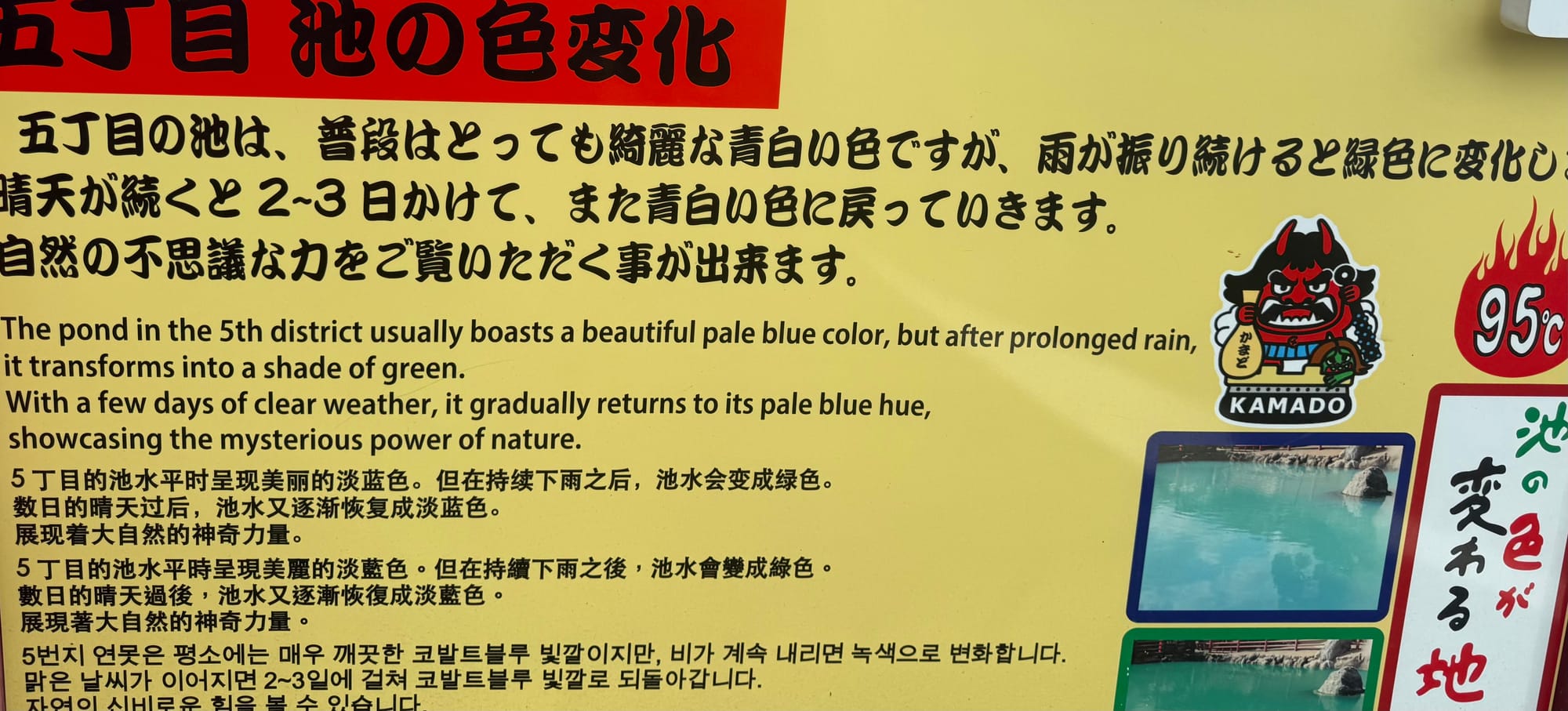
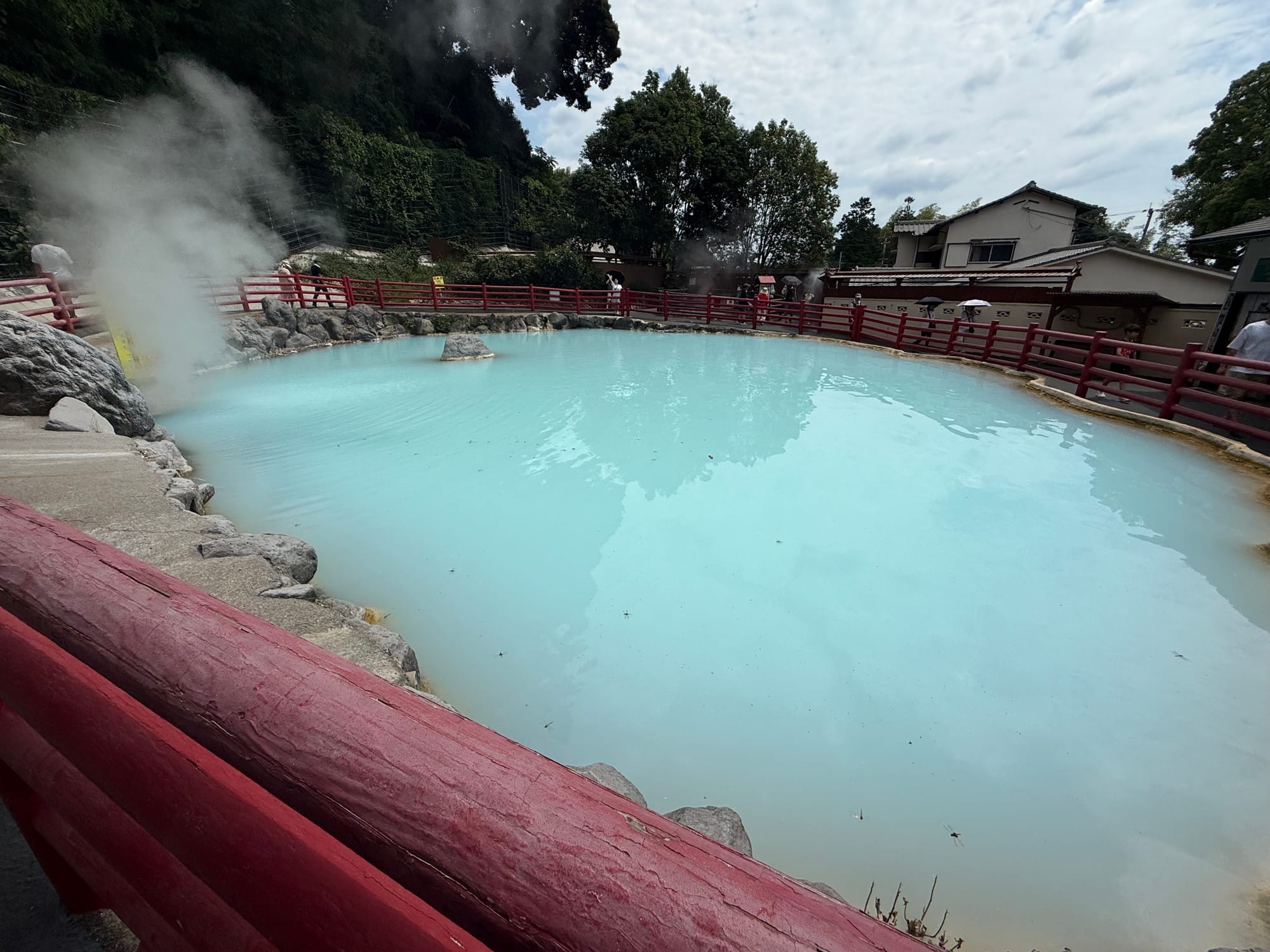
This next one is blue again, but if it rains for a while, it actually turns green, weird right?
An information display at Kamado Jigoku explains how one of the site's geothermal ponds changes colour with the weather, shifting from pale blue to green before gradually returning to its original hue.A pale blue geothermal pond at Kamado Jigoku showcases the remarkable colours created by Beppu's volcanic activity, where mineral-rich waters and steam produce an otherworldly landscape.
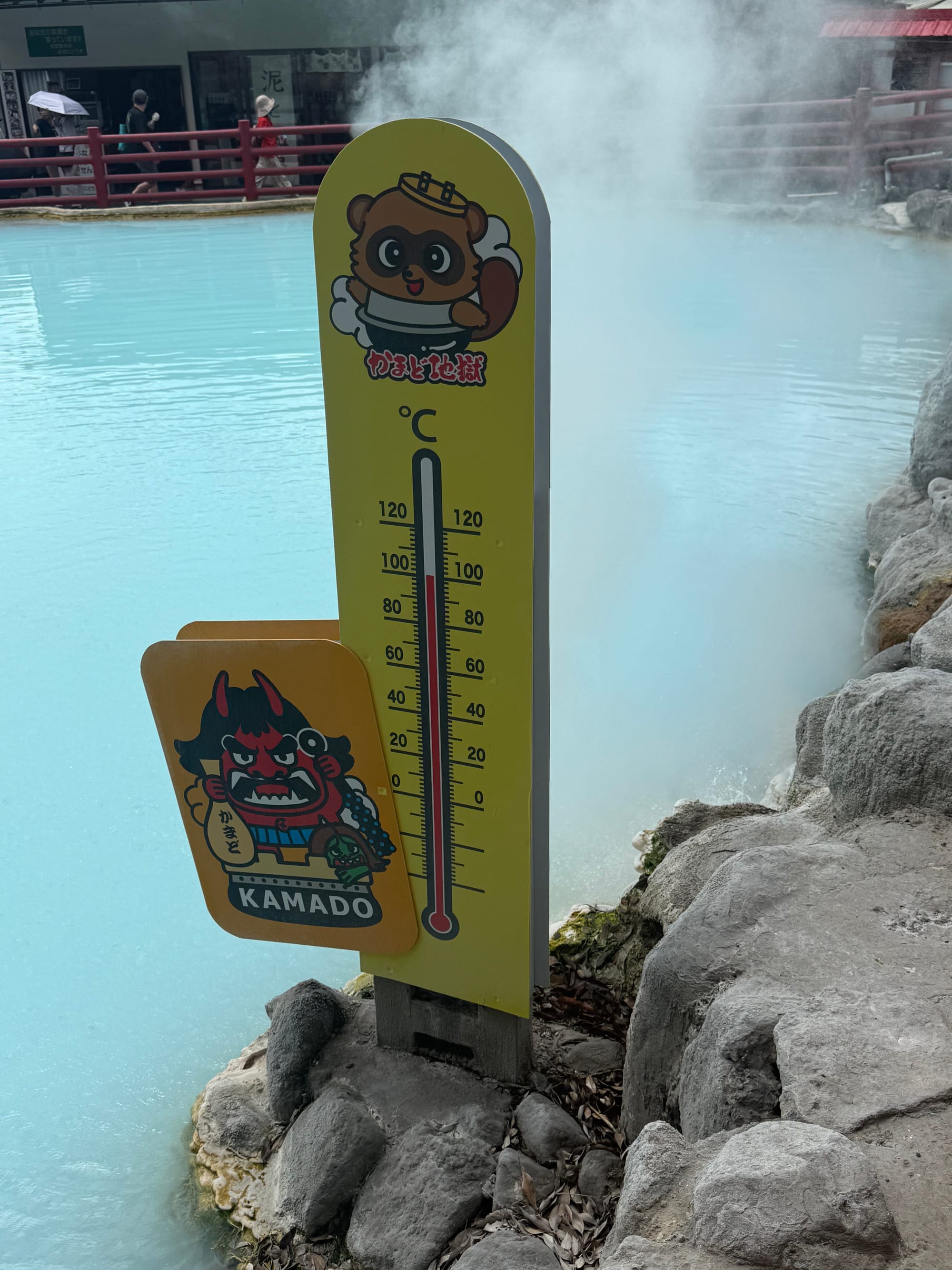
Tis a bit hot today at 100c 🌋
A thermometer measures the intense heat of one of Kamado Jigoku's geothermal ponds, where mineral-rich waters, steam and volcanic activity create Beppu's famous Hell landscape.
Hachiman Asami Shrine
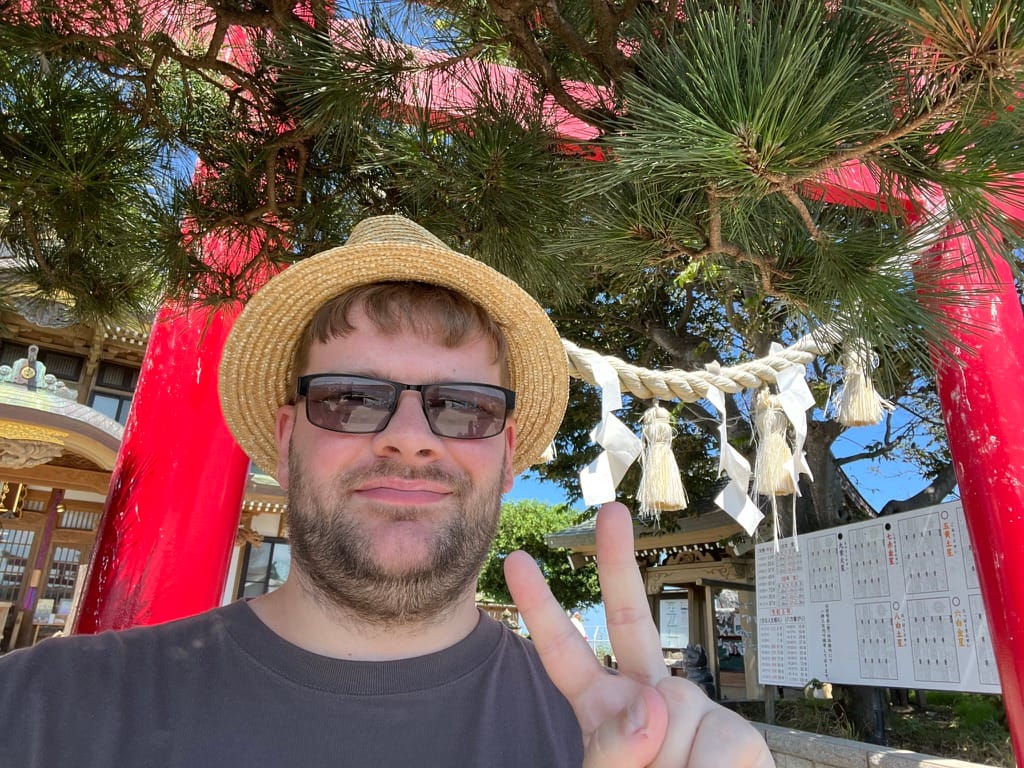
After the hells, I visited a shrine that is quite out of the way but got recommended to go there.
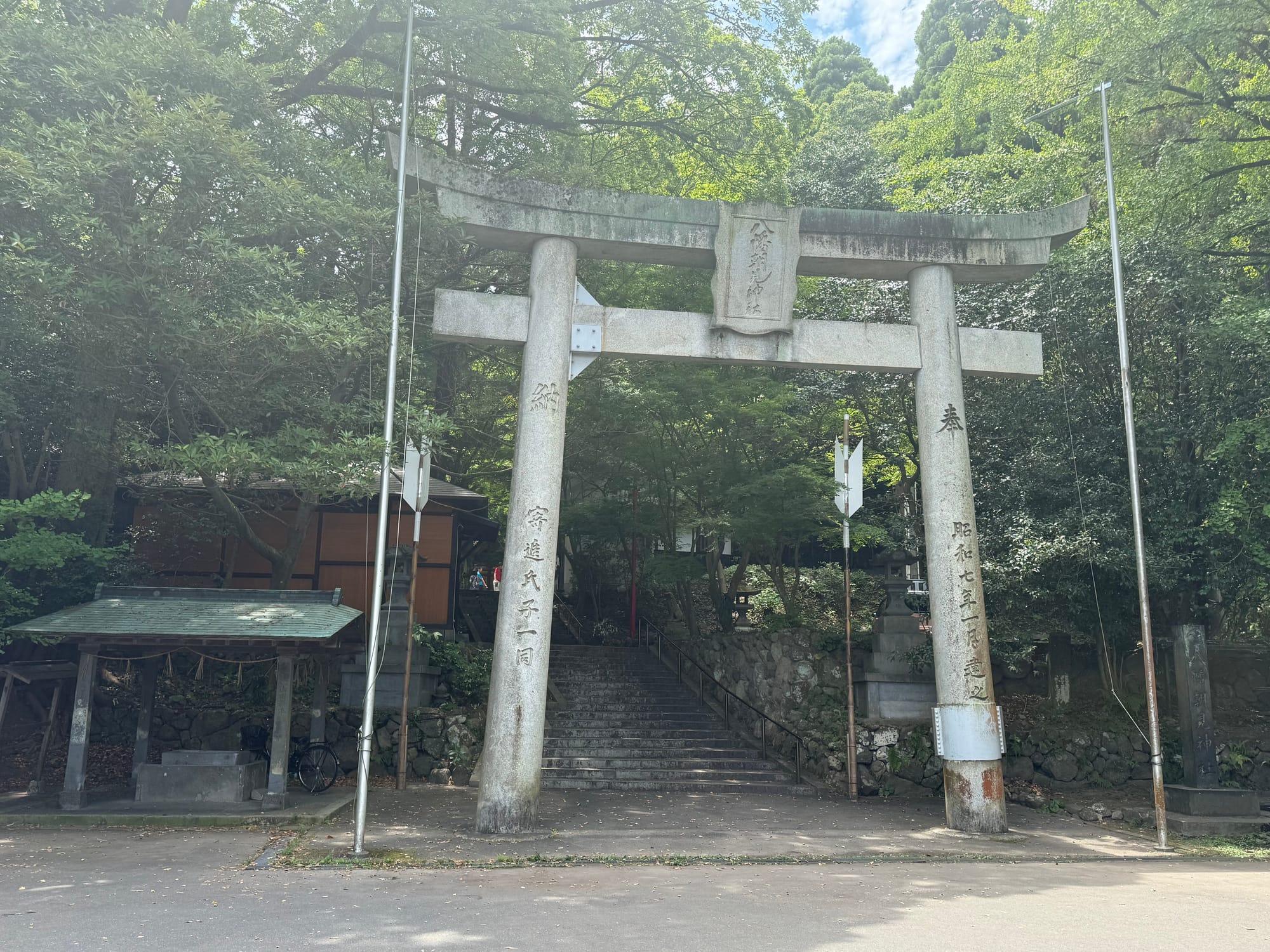
The entrance torii of Hachiman Asami Shrine in Beppu marks the approach to one of the city's historic Shinto shrines, set within a peaceful grove of mature trees.
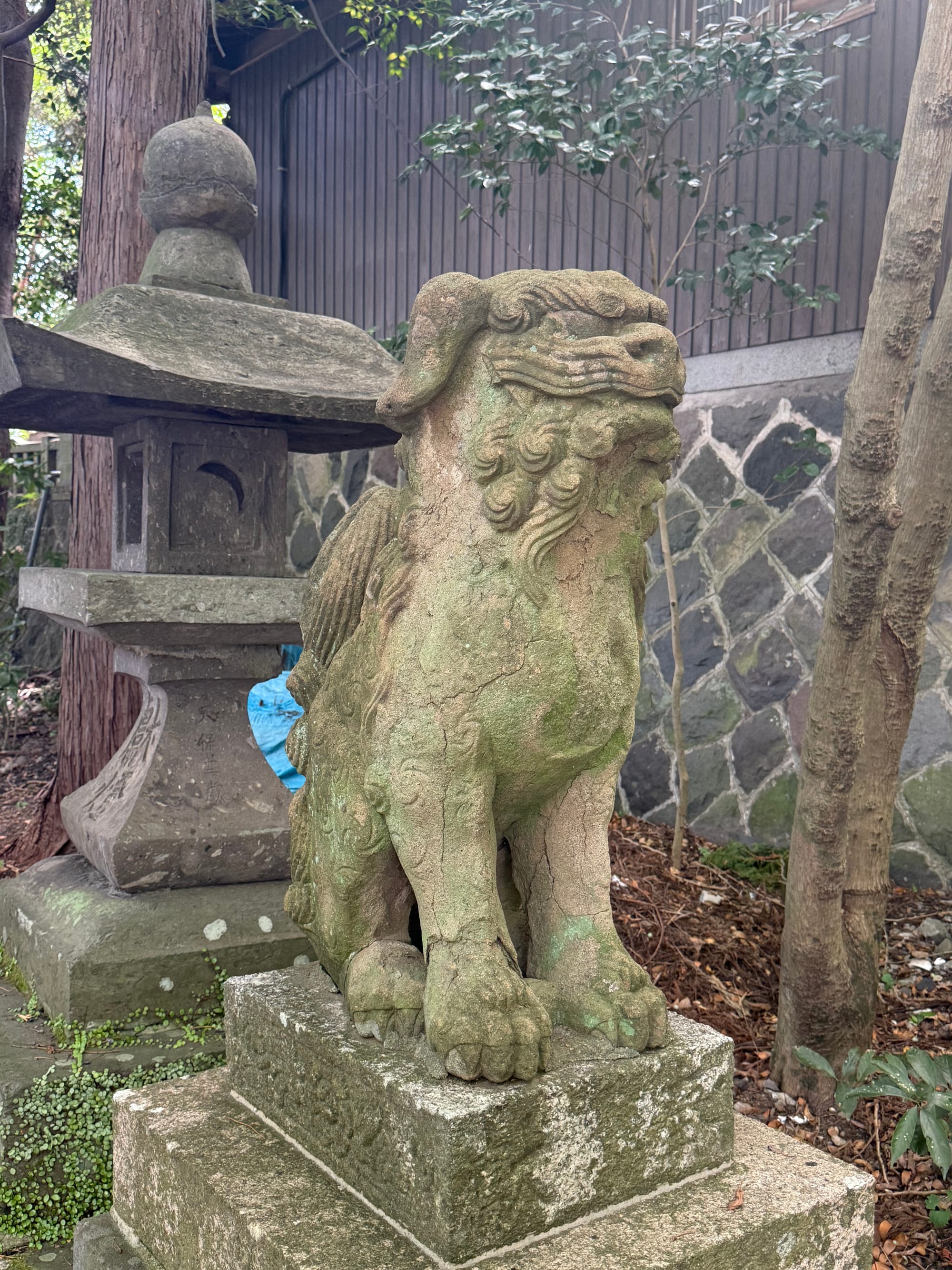
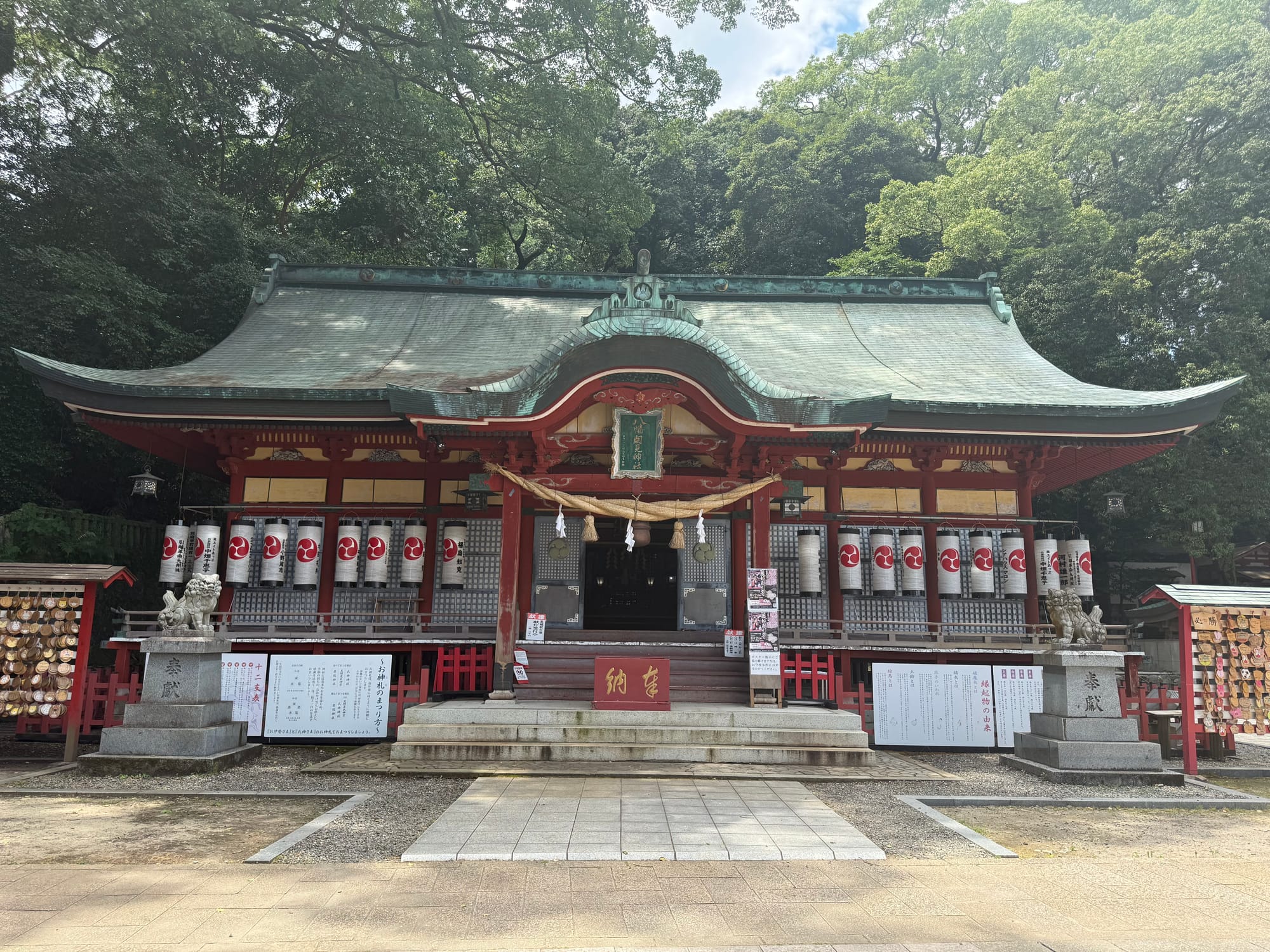
It is a mountain side shrine that has its own natural mountain spring. It also has sake cup shaped cobblestones for good luck as well.
A weathered komainu guardian watches over the grounds of Hachiman Asami Shrine, where traditional stone carvings and lanterns reflect centuries of Shinto heritage in Beppu.The main hall of Hachiman Asami Shrine stands at the heart of the shrine complex in Beppu, combining elegant traditional architecture with a peaceful woodland setting.
It was established in 1196, Japan’s Kamakura period. It had to be relocated in 1348 after a volcanic eruption from a nearby volcano threatened to bury it.
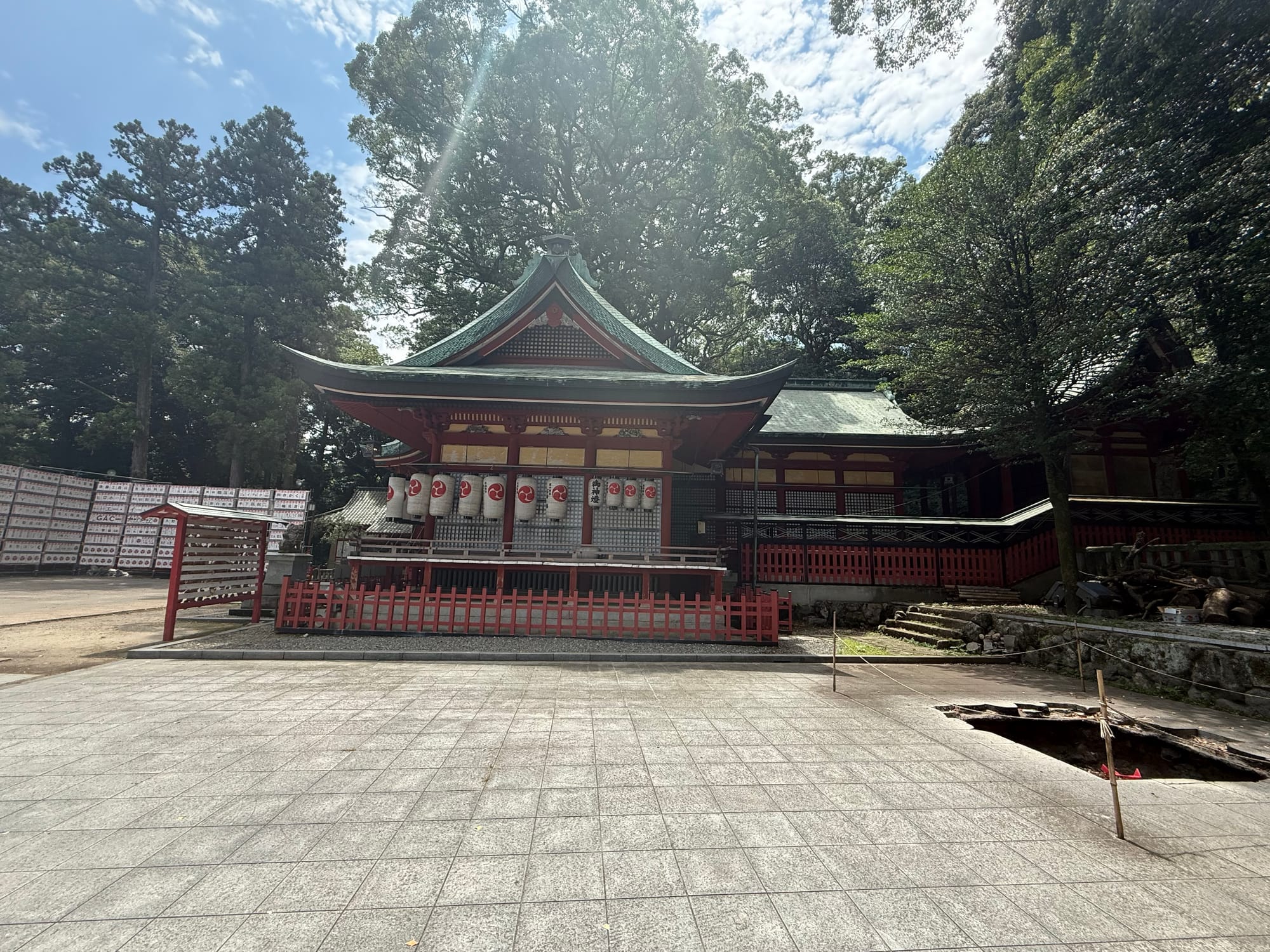
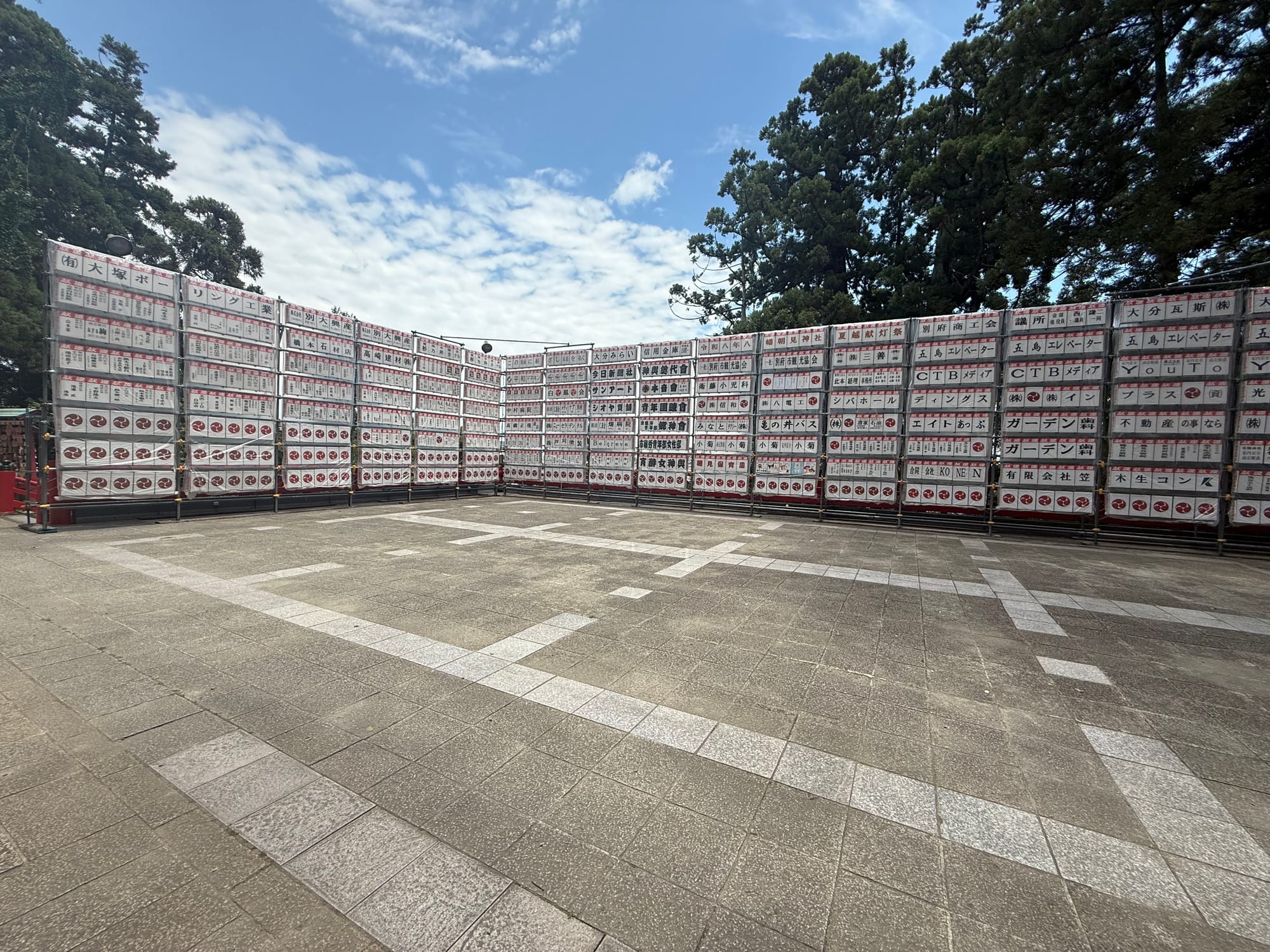
A side view of the main hall at Hachiman Asami Shrine highlights its elegant traditional architecture, set within a tranquil grove of mature trees in the heart of Beppu.Sponsor lanterns and dedication boards line an open area within Hachiman Asami Shrine, reflecting the strong ties between the shrine and the local community in Beppu.
Bamboo Lantern Worshop
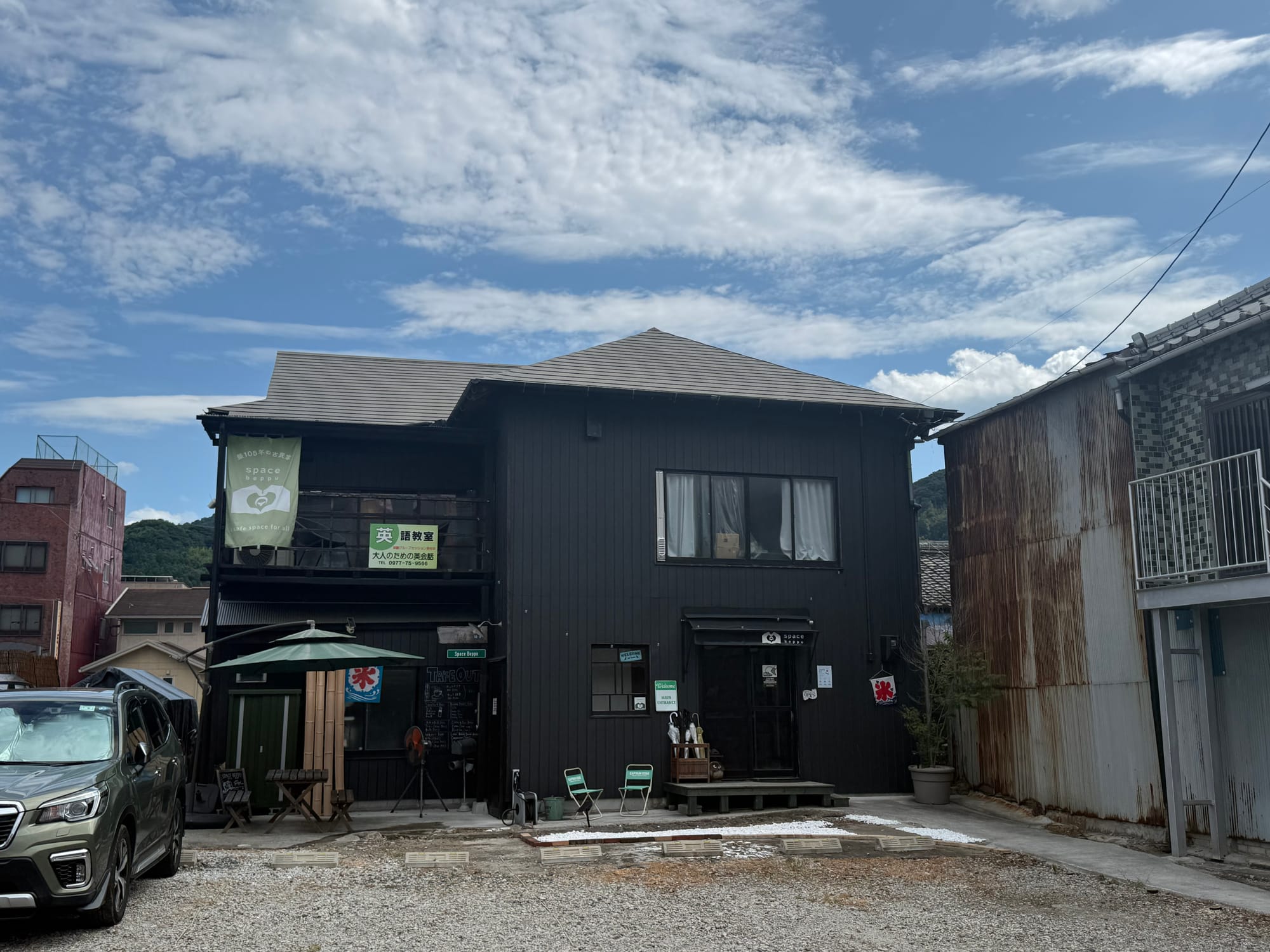
Next, I parked up at Beppu station and took a slow walk through the centre of Beppu to my next destination, which is in an old house called 'Space Beppu', which is a community hub and book cafe.
Space Beppu, a community hub in the heart of Beppu, combines co-working, events and cultural activities within a restored traditional Japanese building.
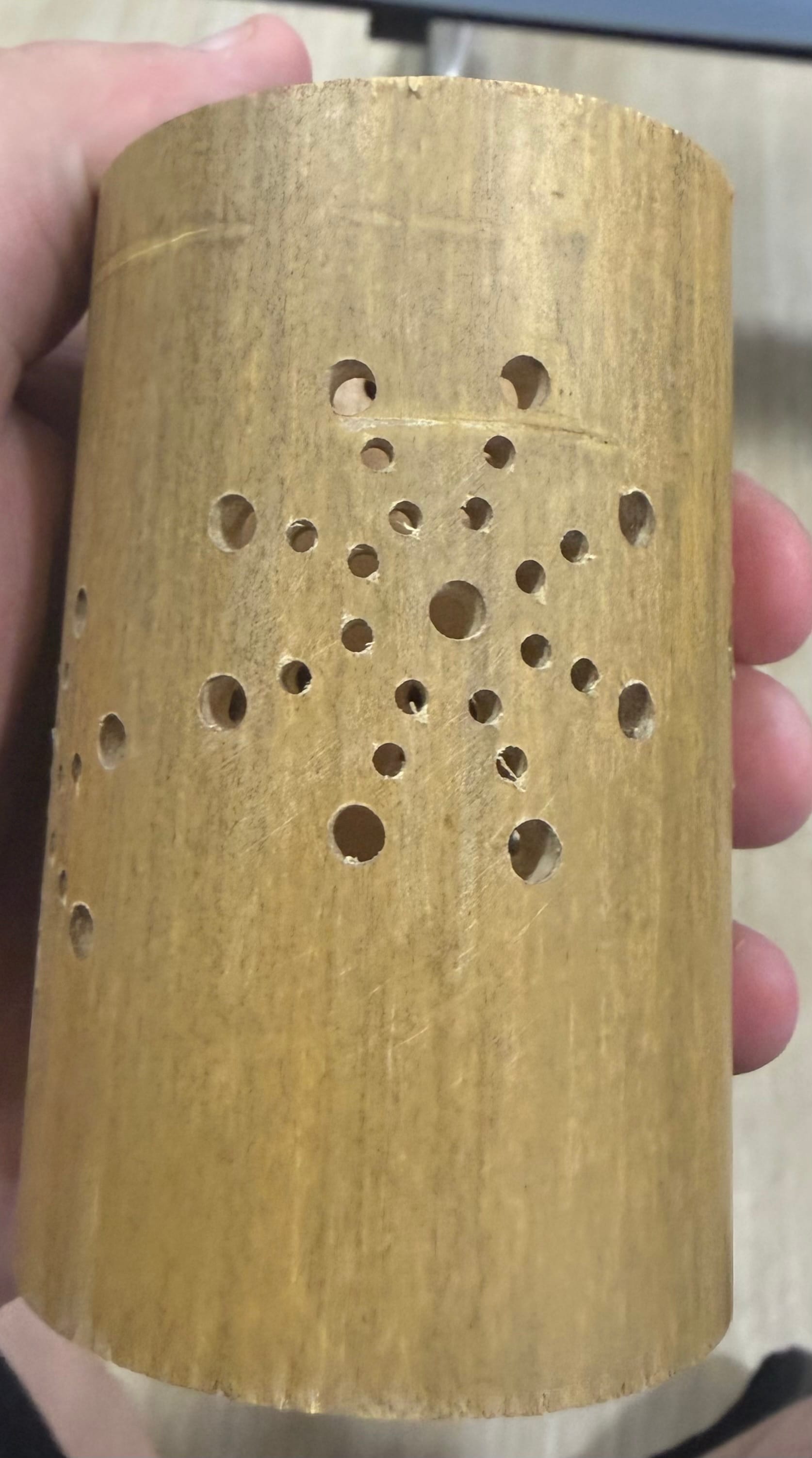
I forgot to take photos of the process, but when I was there, I was greeting by Lily who was taking the workshop and explained how the Bamboo that they use are offcuts that the local factory can't use. I decided to make one as a souvenir to bring back from one of my friends back home. If you want to book one for yourself, feel free to click here: Bamboo Lantern Workshop
A handmade bamboo craft created during a workshop at Space Beppu, offering a hands-on introduction to traditional techniques using one of Japan's most versatile natural materials.
I then went back to the car and then went back to the hotel to pick up my luggage dropped the car off and caught my next mode of transport, but more on that next time!
Well, that is it for now, join me next time from Nagoya, which is somewhere I wanted to visit last time, but didn't get the chance. Stay safe!