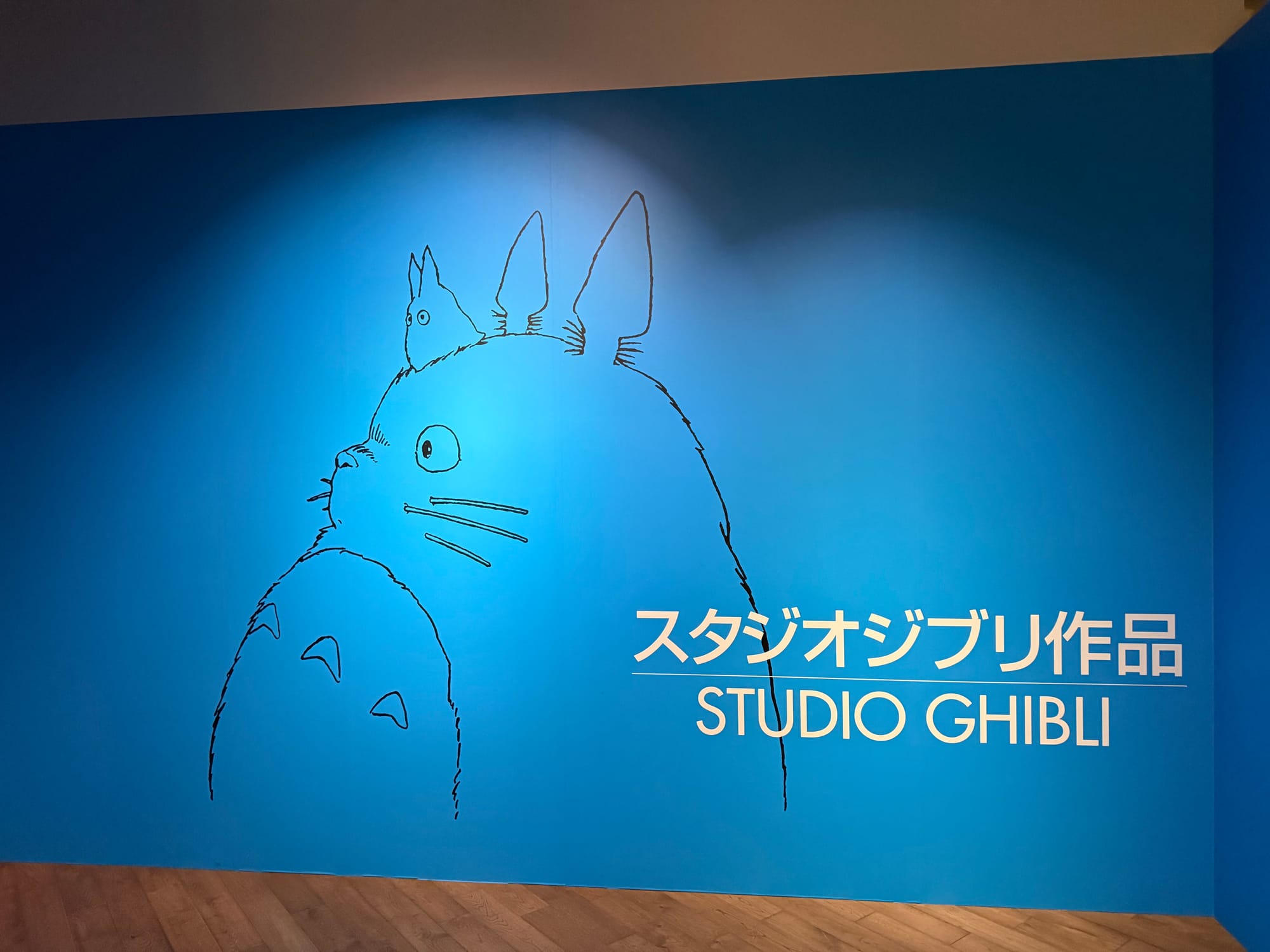
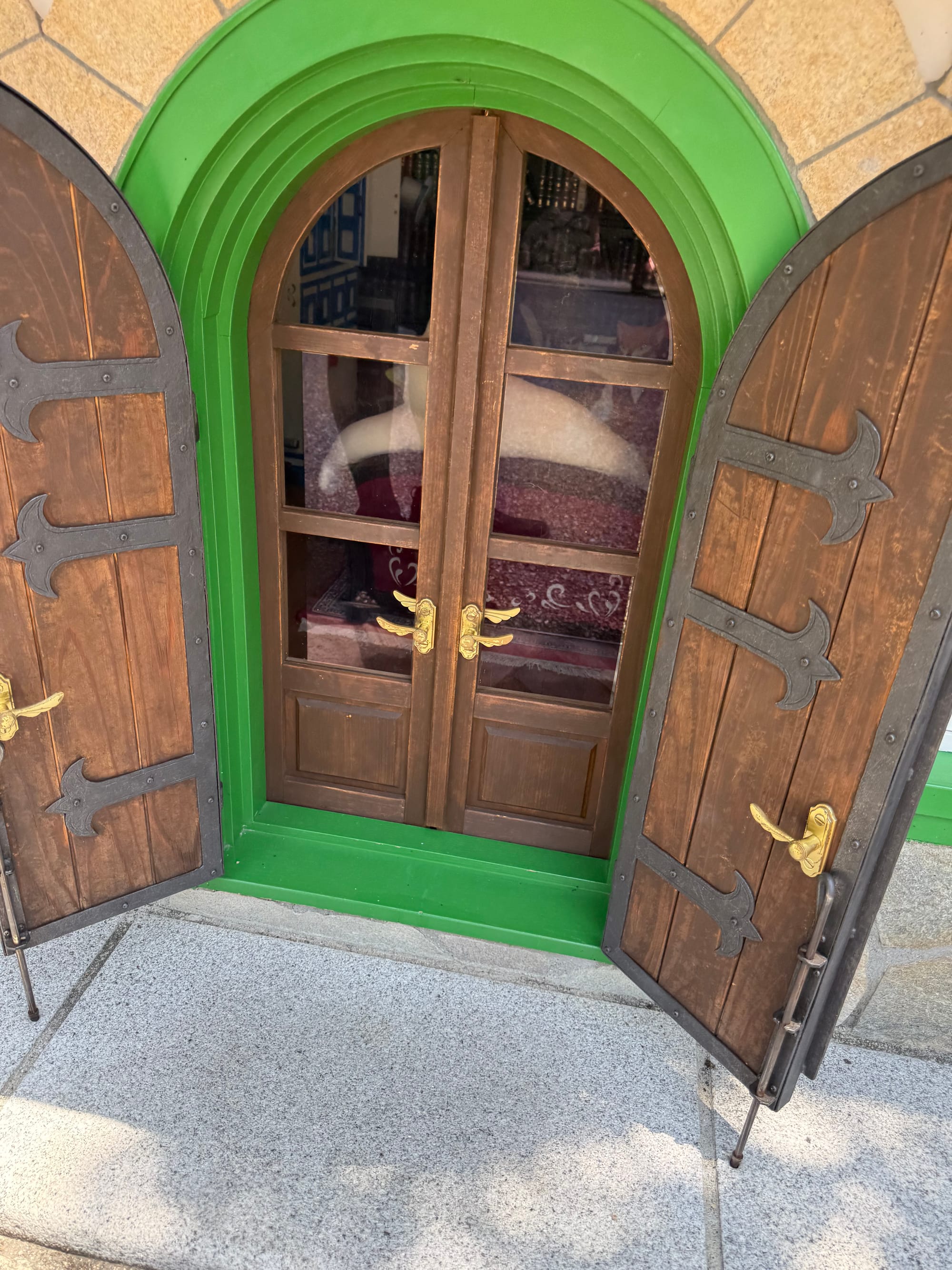
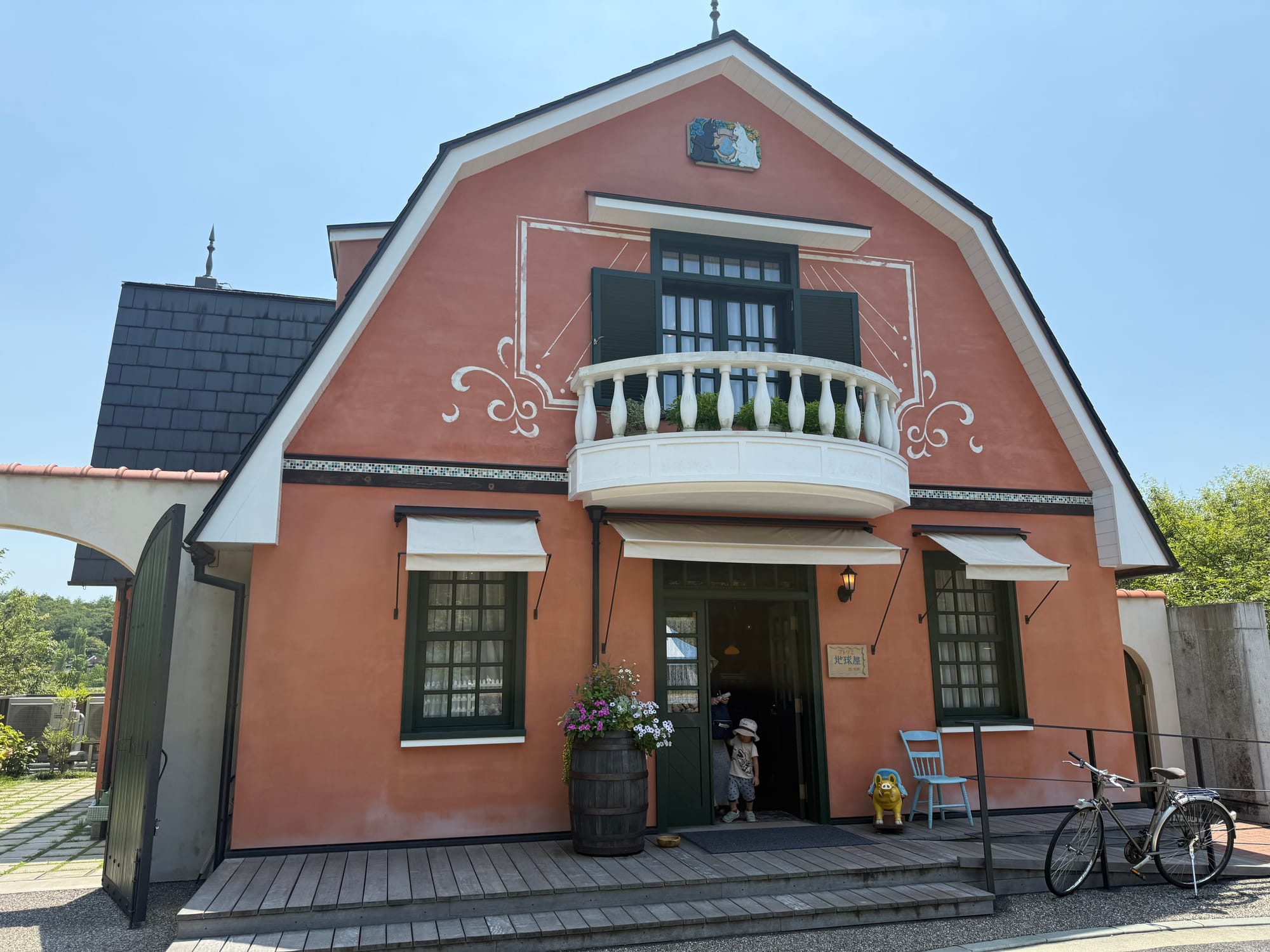
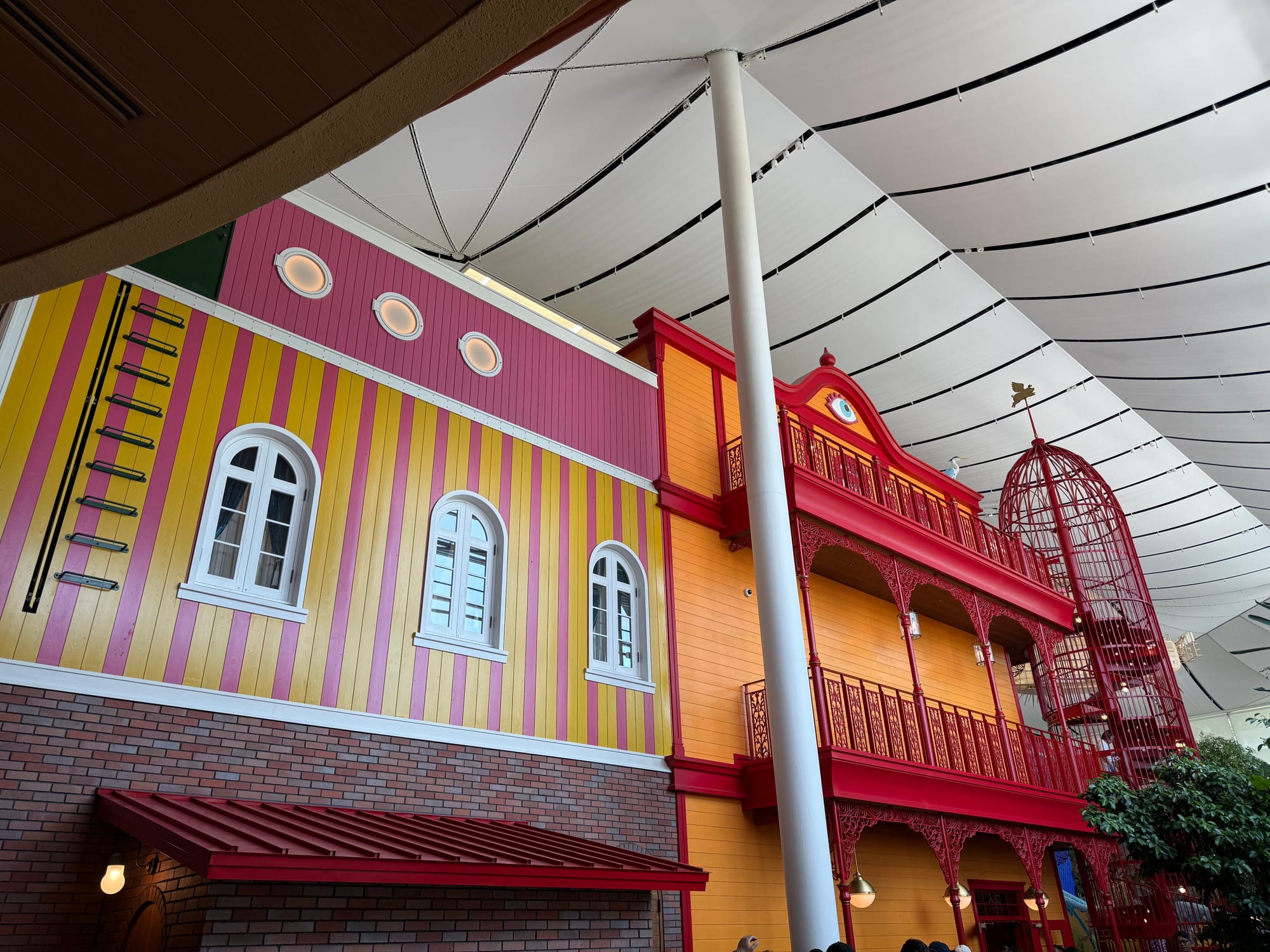
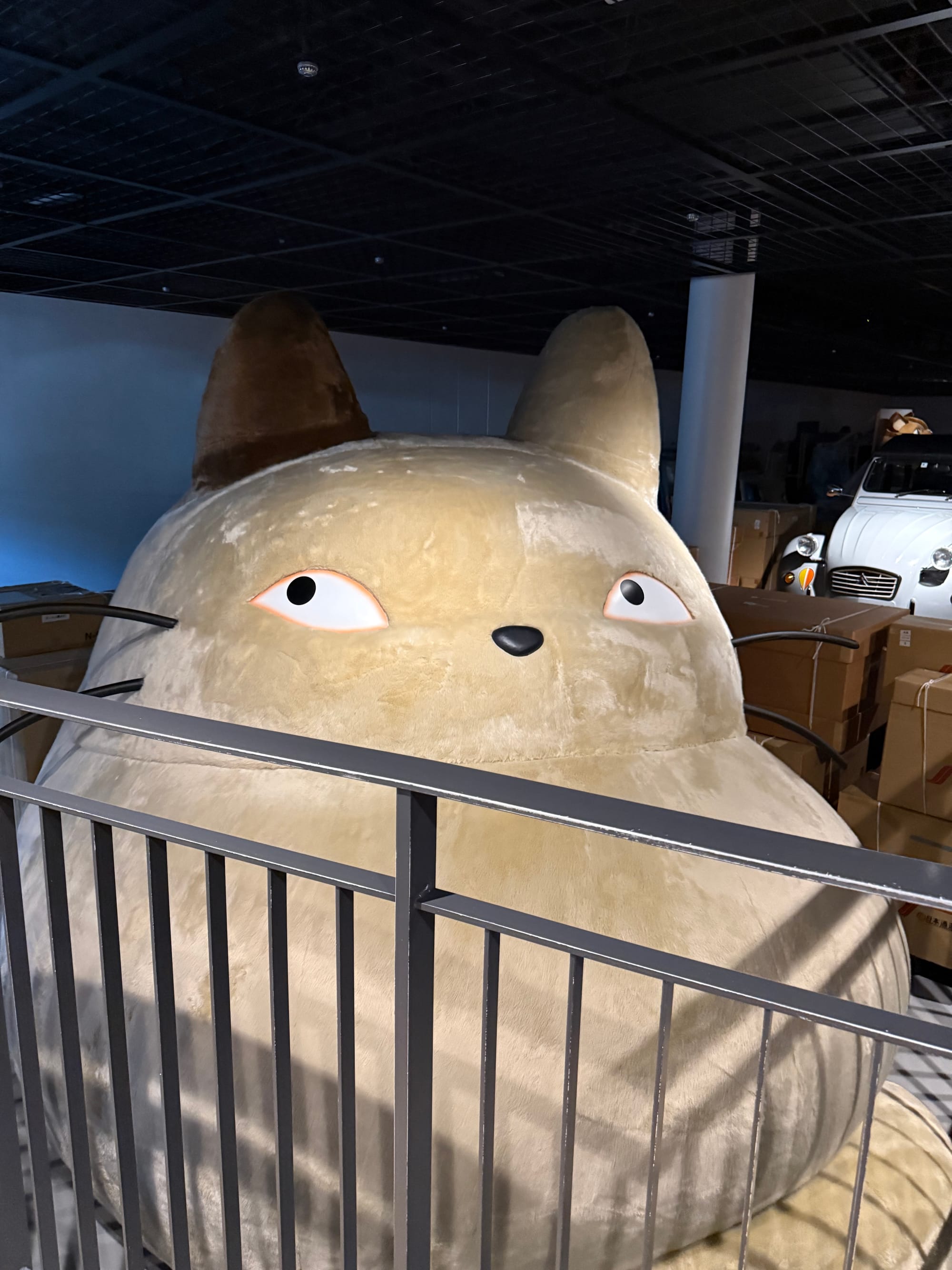
A Studio Ghibli welcome display inside the Grand Warehouse at Ghibli Park, featuring Totoro and celebrating the iconic animation studio behind some of Japan's most beloved films.
Hello everyone and welcome to the second part of my time in Nagoya, where I went to Ghibli Park and Suzuka Circuit before I head up into the mountains.
Ghibli Park
2nd August
This is one of the days I had been most looking forward too, it is the day that I got to go to Ghibli Park, which is dedicated to a lot of things Ghibli and after not being able to go to the museum last time I was in Tokyo, due to the tickets selling out, i was happy to be able to get a ticket for this.
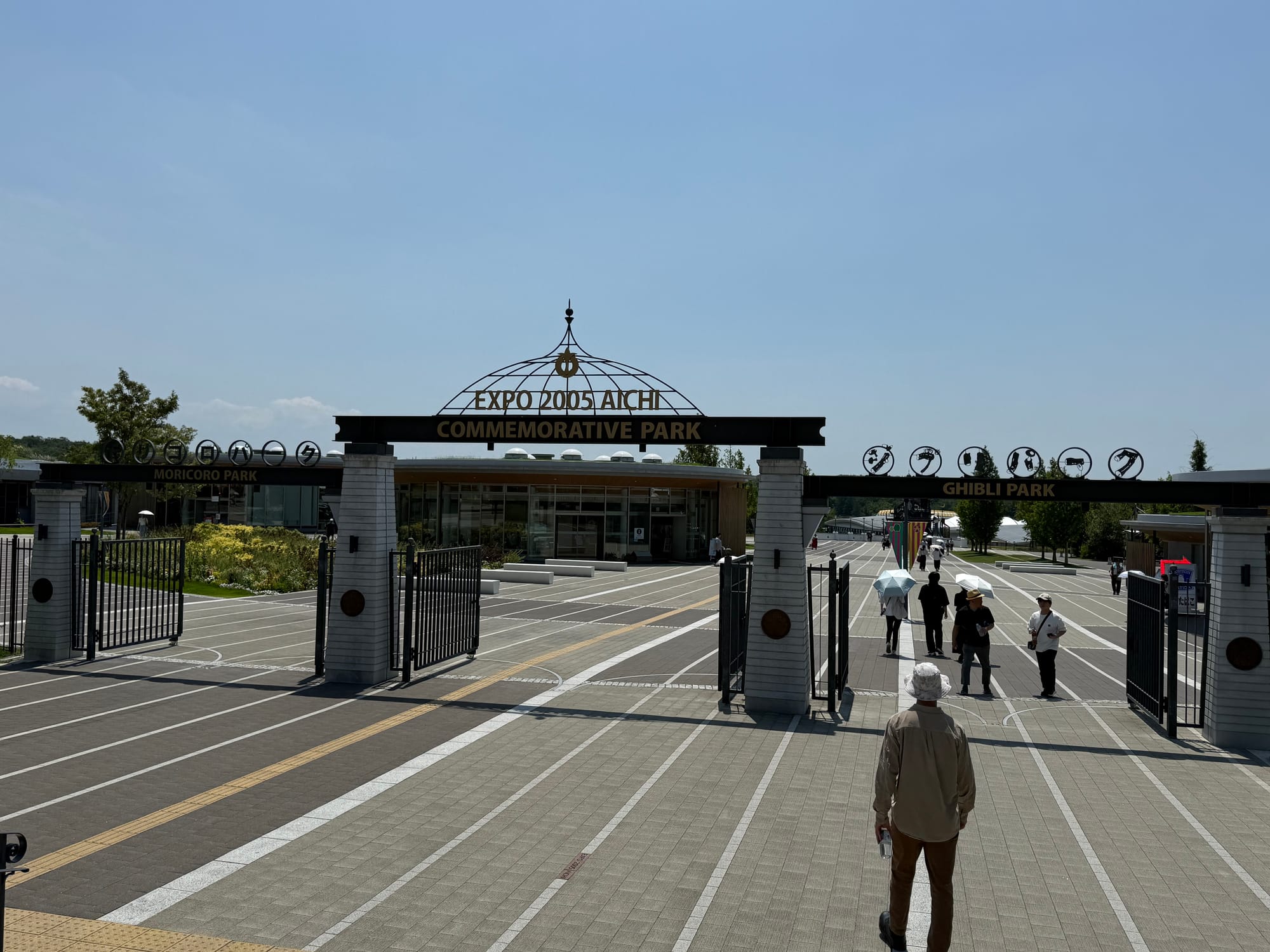
The entrance to Expo 2005 Aichi Commemorative Park, home to Ghibli Park, marks the gateway to one of Japan's most unique attractions, celebrating the worlds and imagination of Studio Ghibli.
It took a little while to get there as I had to get a subway train, then change to an automated maglev train, and then walk about 10 minutes from the station. Eventually, I made it to the park, which I was really happy about.
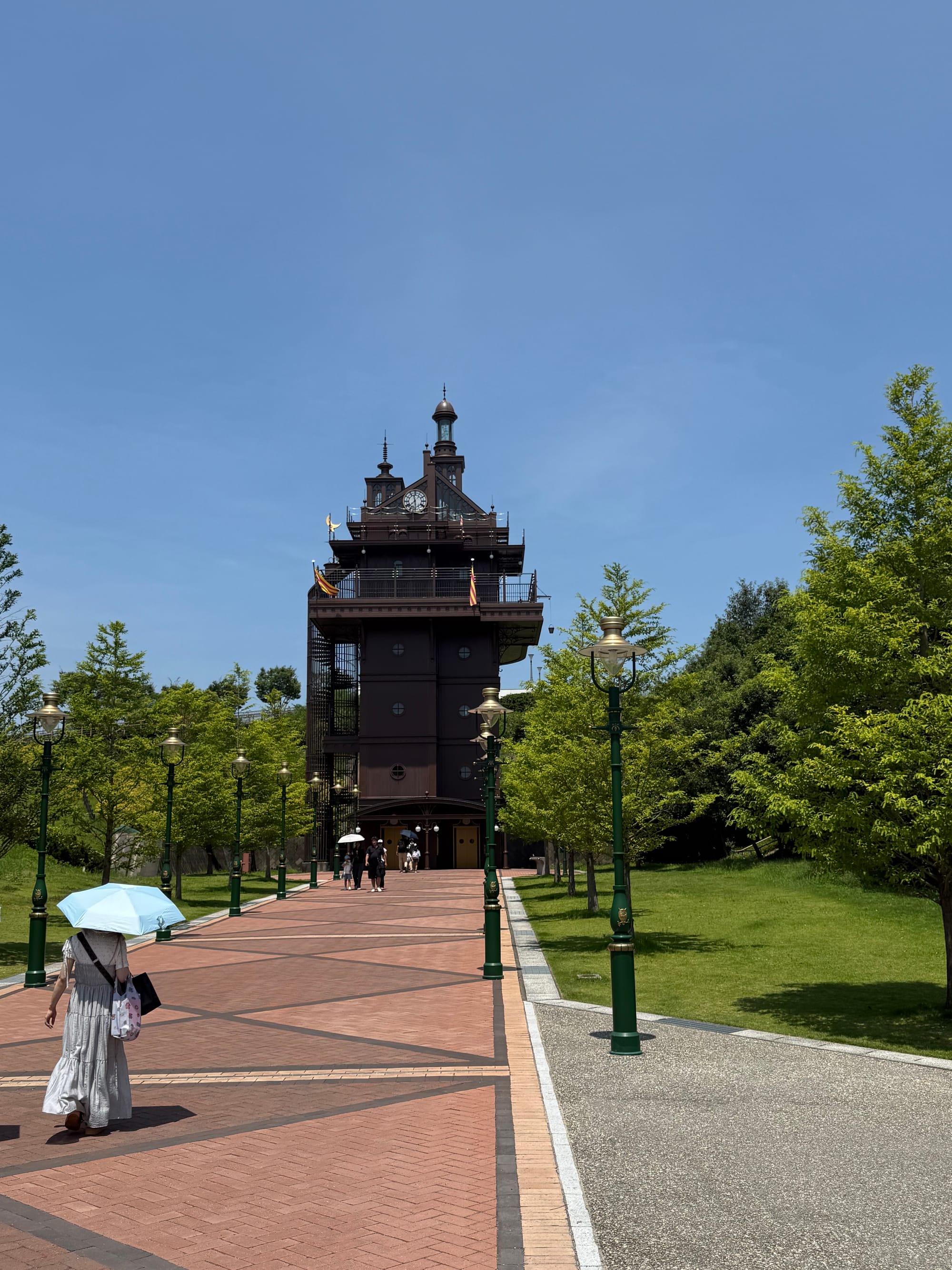
The Elevator Tower is one of Ghibli Park's most recognisable landmarks, welcoming visitors with a design inspired by the fantastical architecture found throughout many Studio Ghibli films.
First was the Elevator to get down into the park, which is inspired by Castle in the Sky and Howls Moving Castle architecture.
NOTE: Some of the indoor sets don't allow you to take photo's inside, such as the World Emporium in the Hill of Youth
Hill of Youth
As I was a bit early getting the the park to be able to enter the warehouse, I started off at the Hill of Youth. This area baffled me a bit as it was dedicated to two Ghibli films that I have not yet seem, but are on my to watch list: Whisper of the Heart and The Cat Returns.
The Cat Bureau at Ghibli Park brings The Cat Returns to life, with oversized furniture and playful design details creating the illusion of stepping into a world built for cats.
This was looking into The Cat Bureau from The Cat Returns.
The World Emporium at Ghibli Park recreates the antique shop from Whisper of the Heart, bringing one of Studio Ghibli's most beloved settings to life in remarkable detail.
This is the World Emporium from Whipser of the Heart.
Ghibli Grand Warehouse
The grand warehouse is massive and contains multiple exhibits and attractions.
Inside the Grand Warehouse at Ghibli Park, imaginative architecture and colourful façades recreate the magical atmosphere of Studio Ghibli's worlds beneath a vast covered atrium.
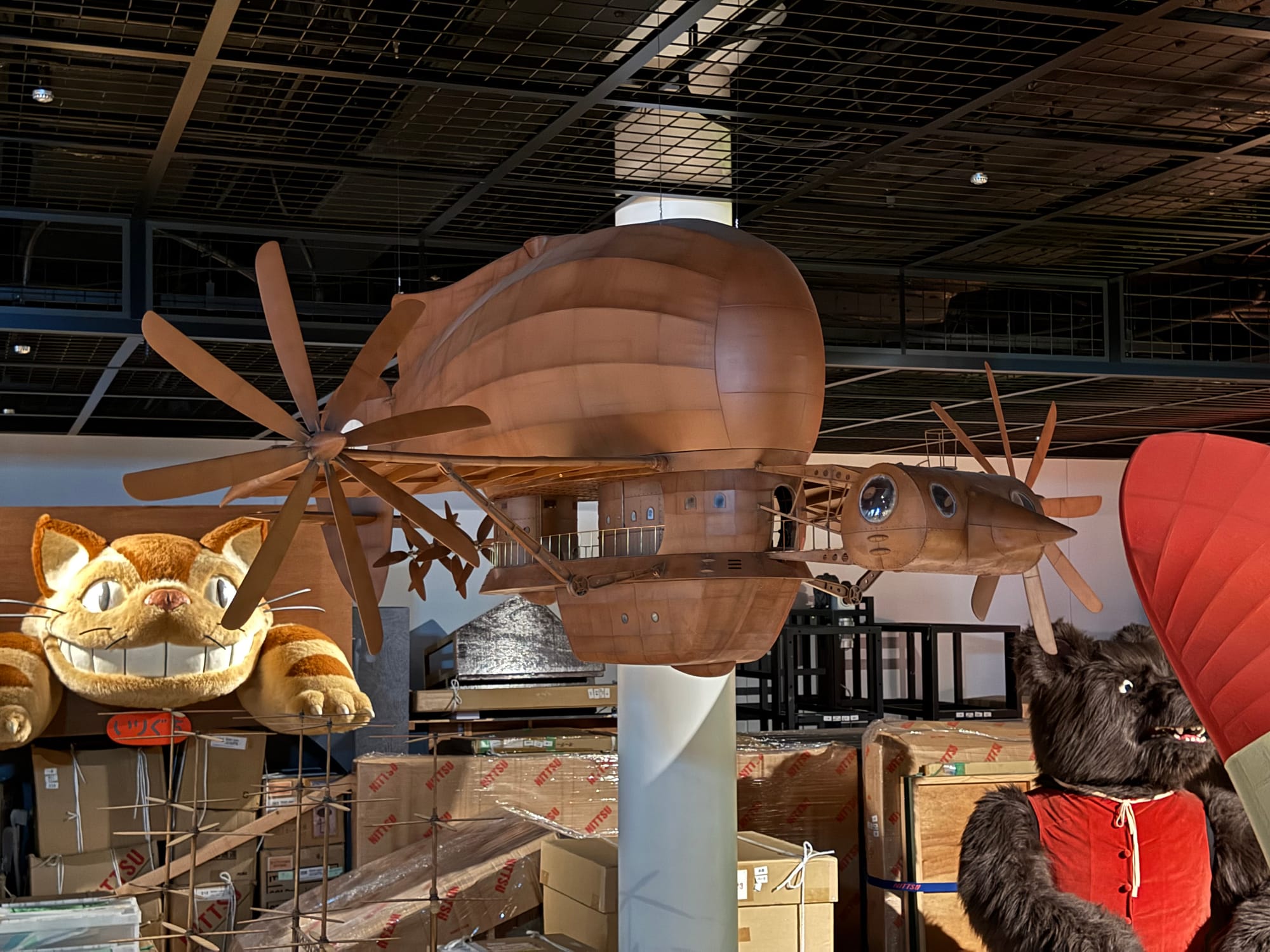
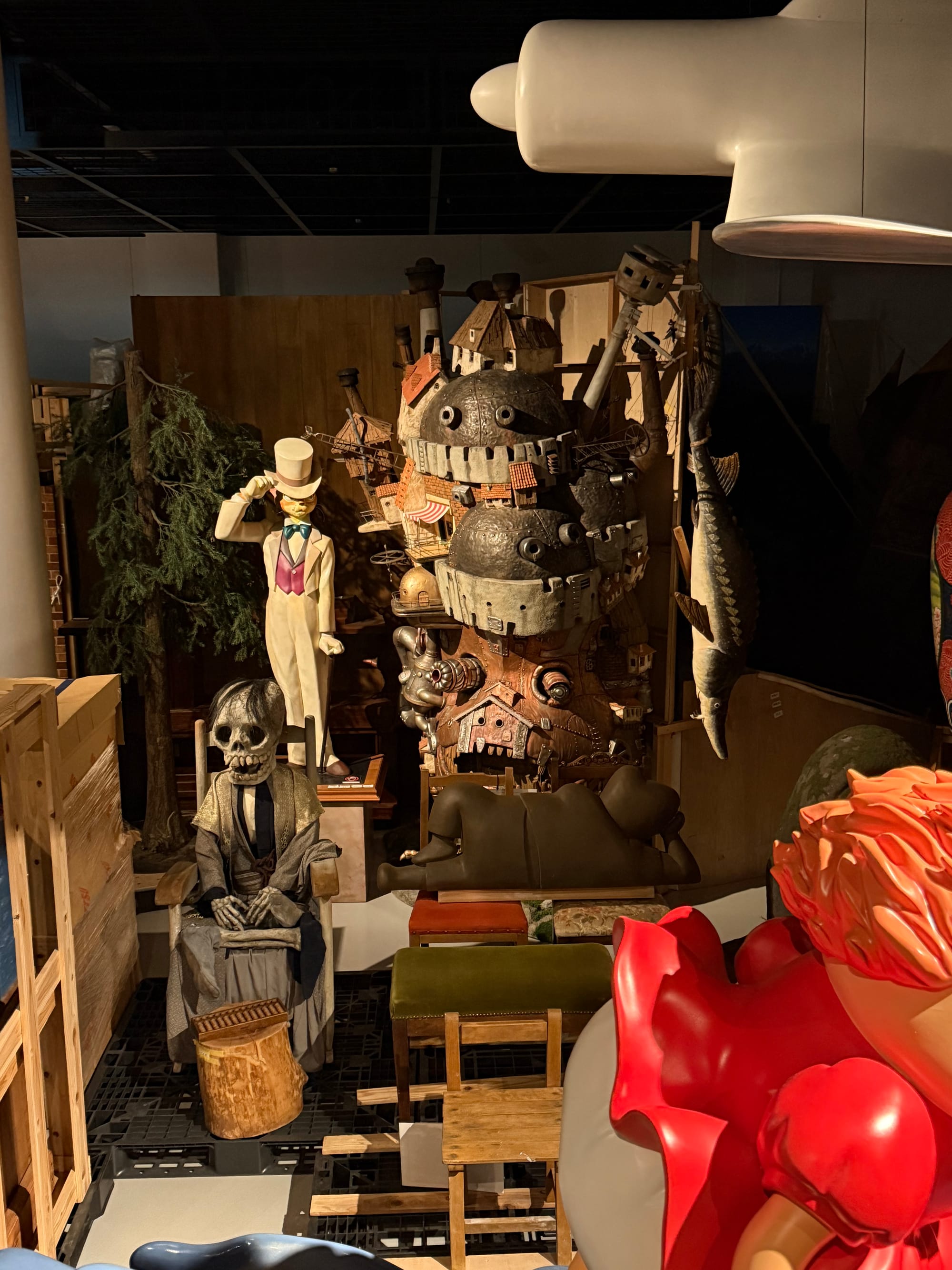
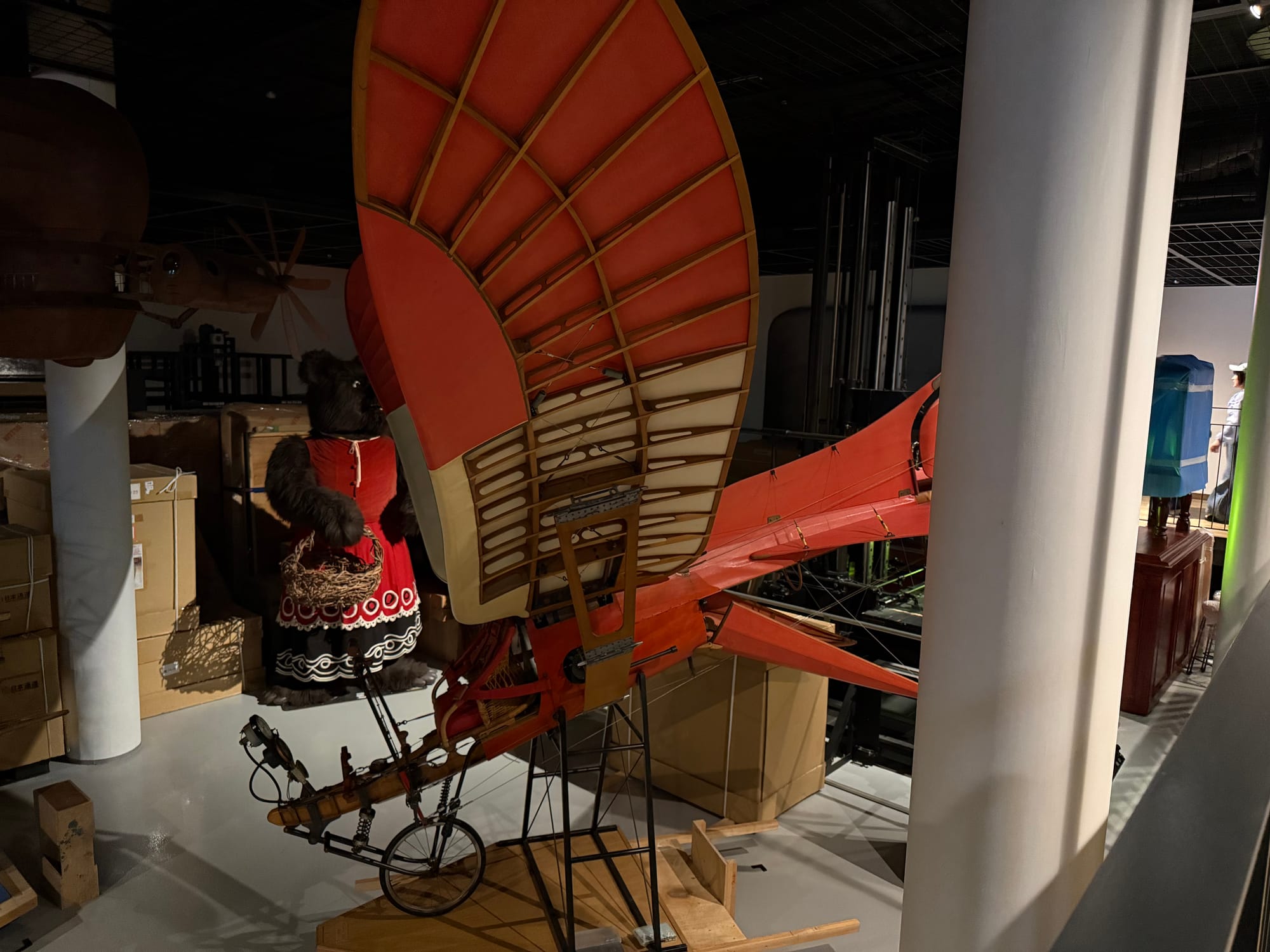
Firstly I went into the Public Warehouse section, which houses props and sculptures from previous exhibits both in Japan and abroad.
A giant Totoro inside the Grand Warehouse at Ghibli Park recreates one of Studio Ghibli's most iconic characters, offering visitors a chance to step into the world of My Neighbour Totoro.A detailed recreation of the flying machine from Castle in the Sky inside the Grand Warehouse at Ghibli Park, showcasing the imaginative steampunk-inspired designs that have become a hallmark of Studio Ghibli films.A collection of Studio Ghibli props and models inside the Grand Warehouse, bringing together memorable characters and creations from films including Howl's Moving Castle and Whisper of the Heart.A beautifully detailed flying machine displayed in the Grand Warehouse at Ghibli Park, showcasing the imaginative aircraft and love of flight that appear throughout many Studio Ghibli films.
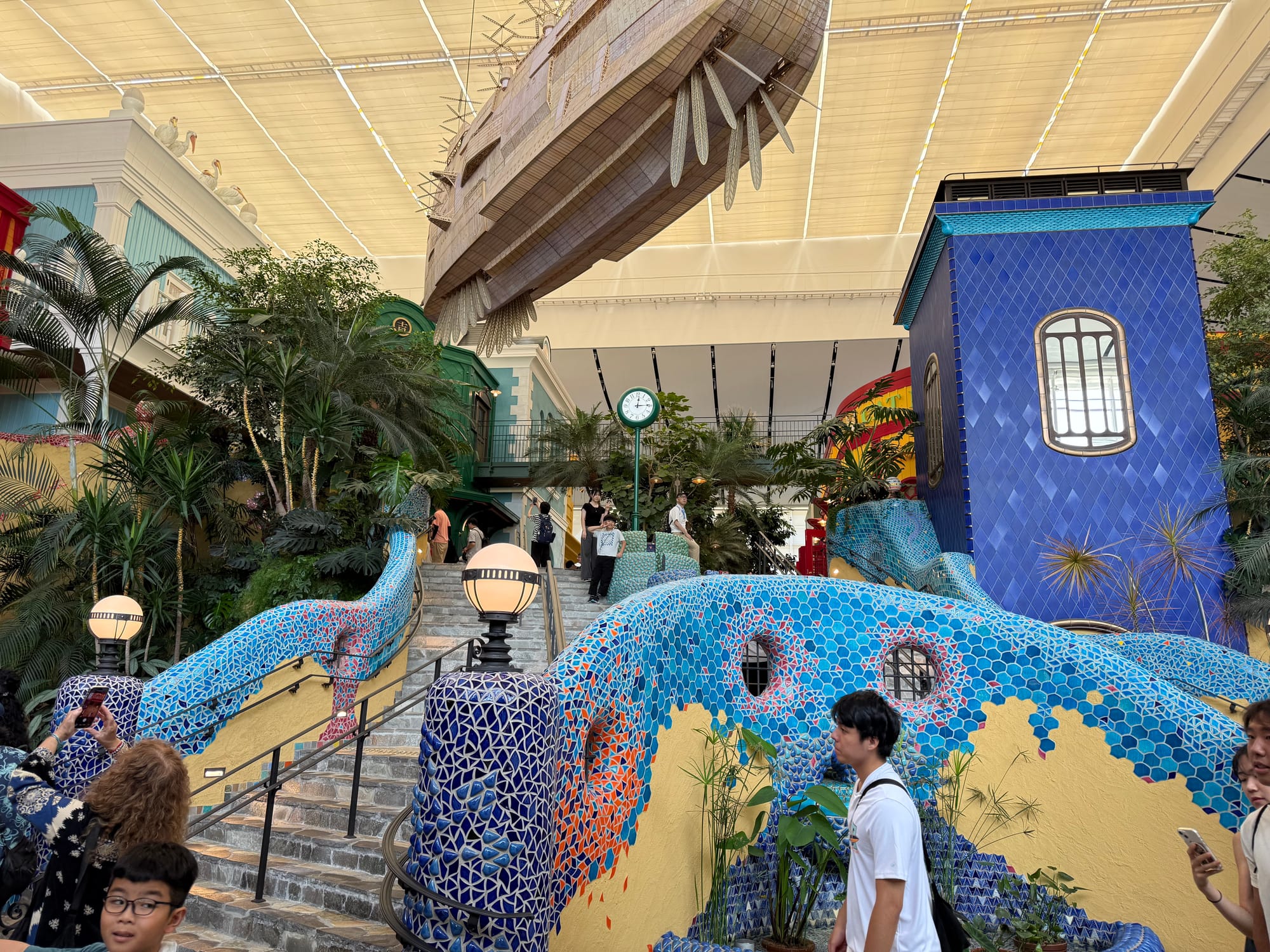
As i was queueing up for the next thing, I got a good photo of the grand staircase.
The Grand Staircase forms the centrepiece of the Grand Warehouse at Ghibli Park, combining vibrant mosaics, lush greenery and fantastical architecture inspired by the imaginative worlds of Studio Ghibli.
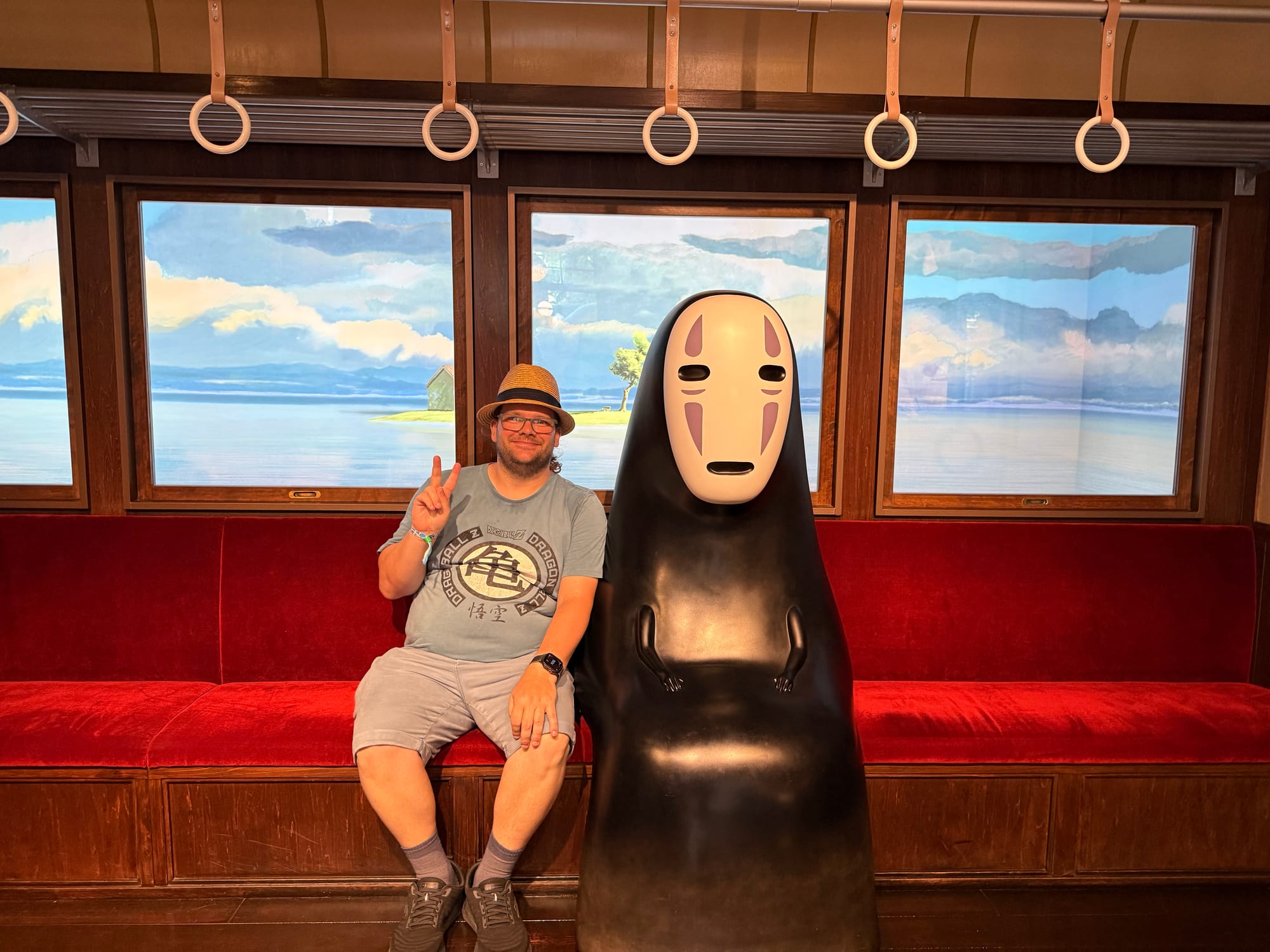
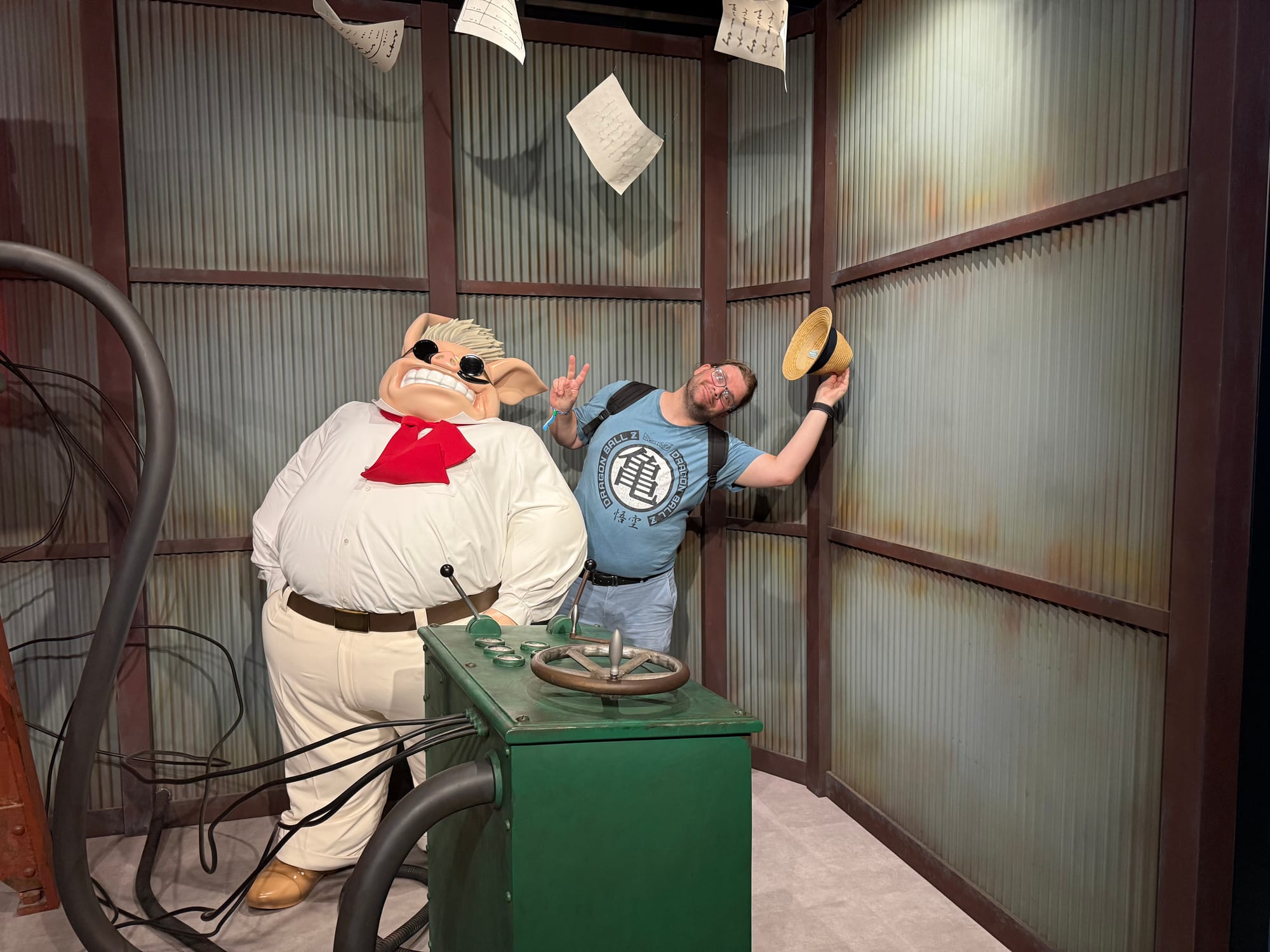
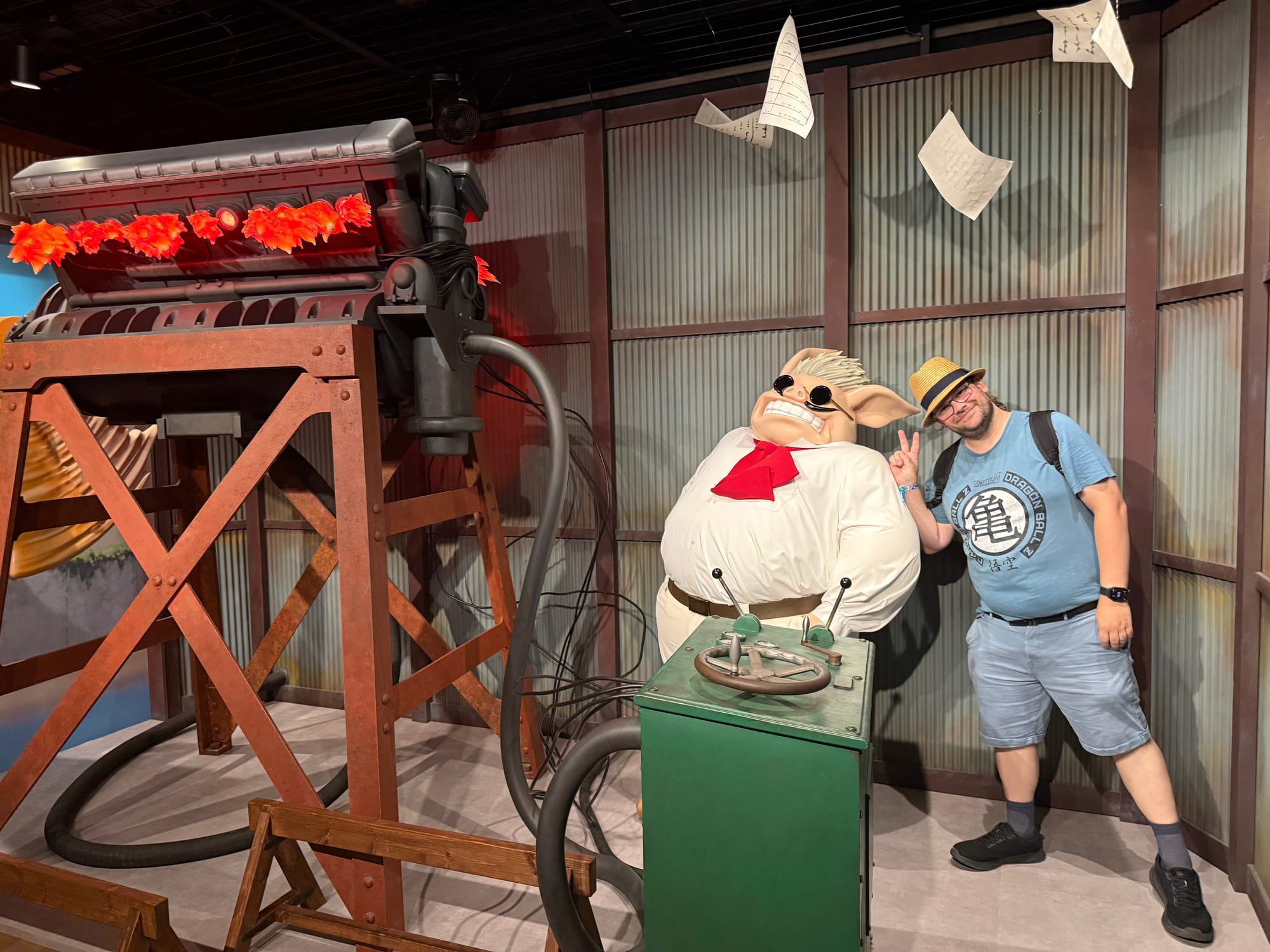
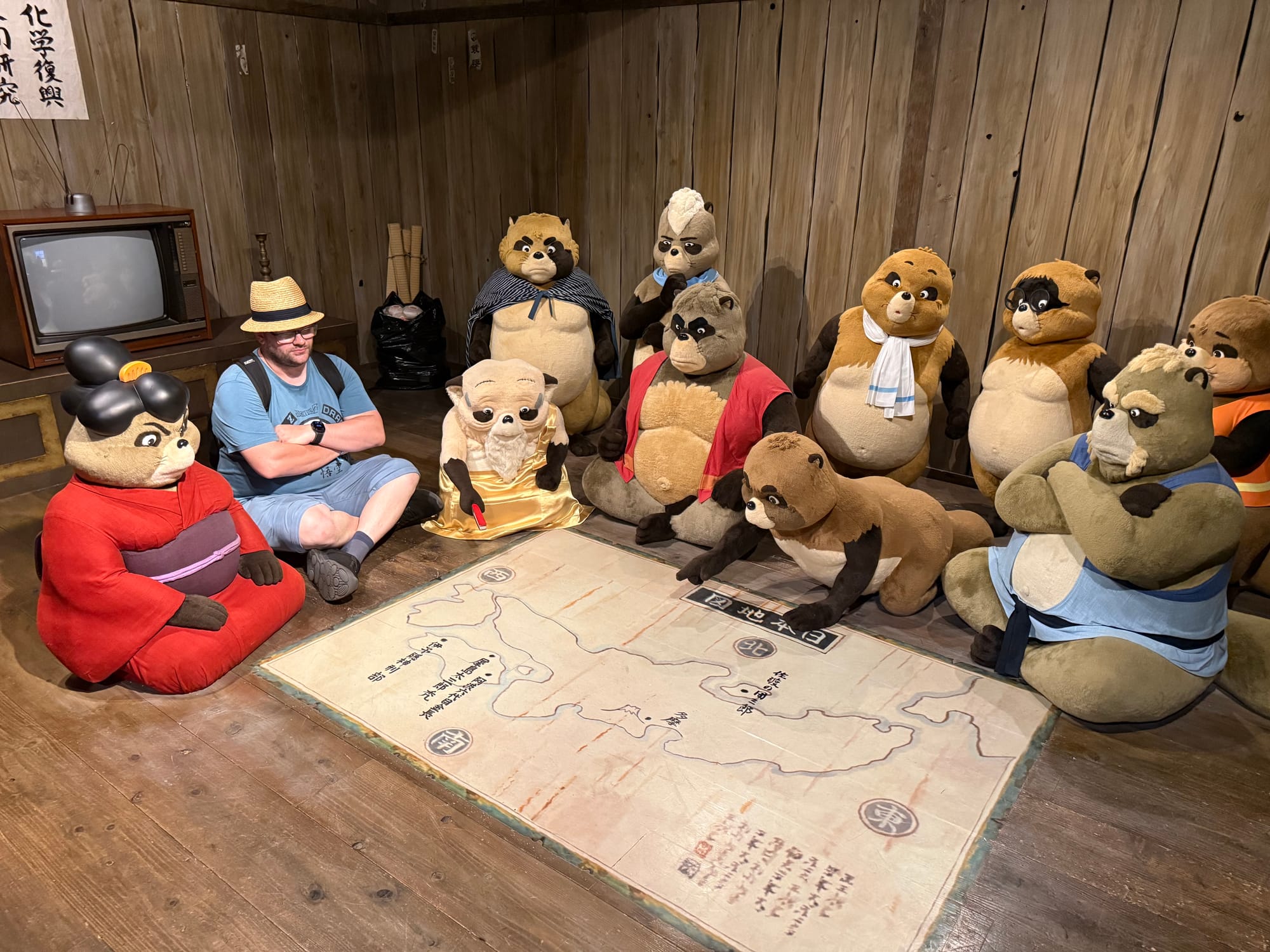
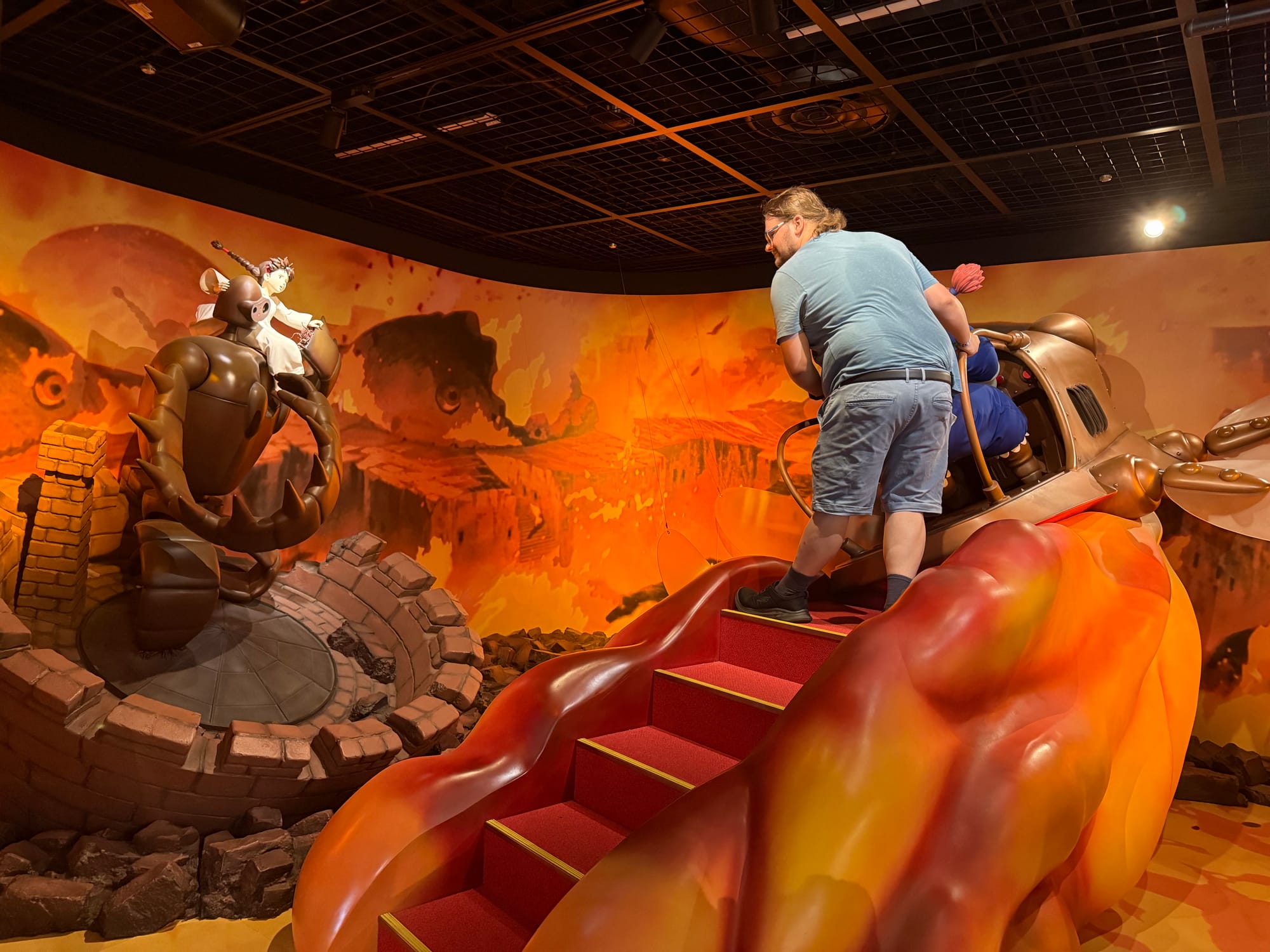
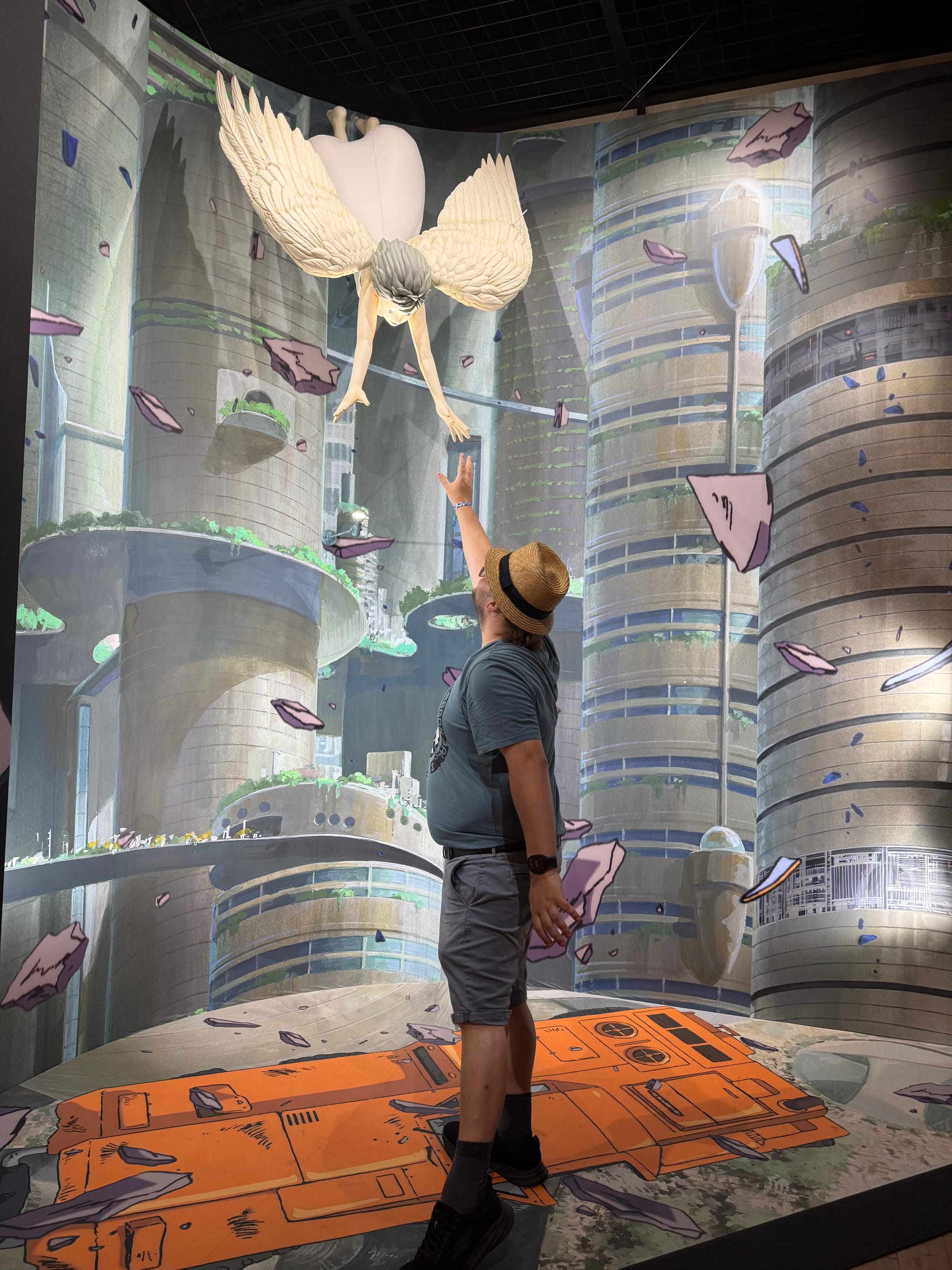
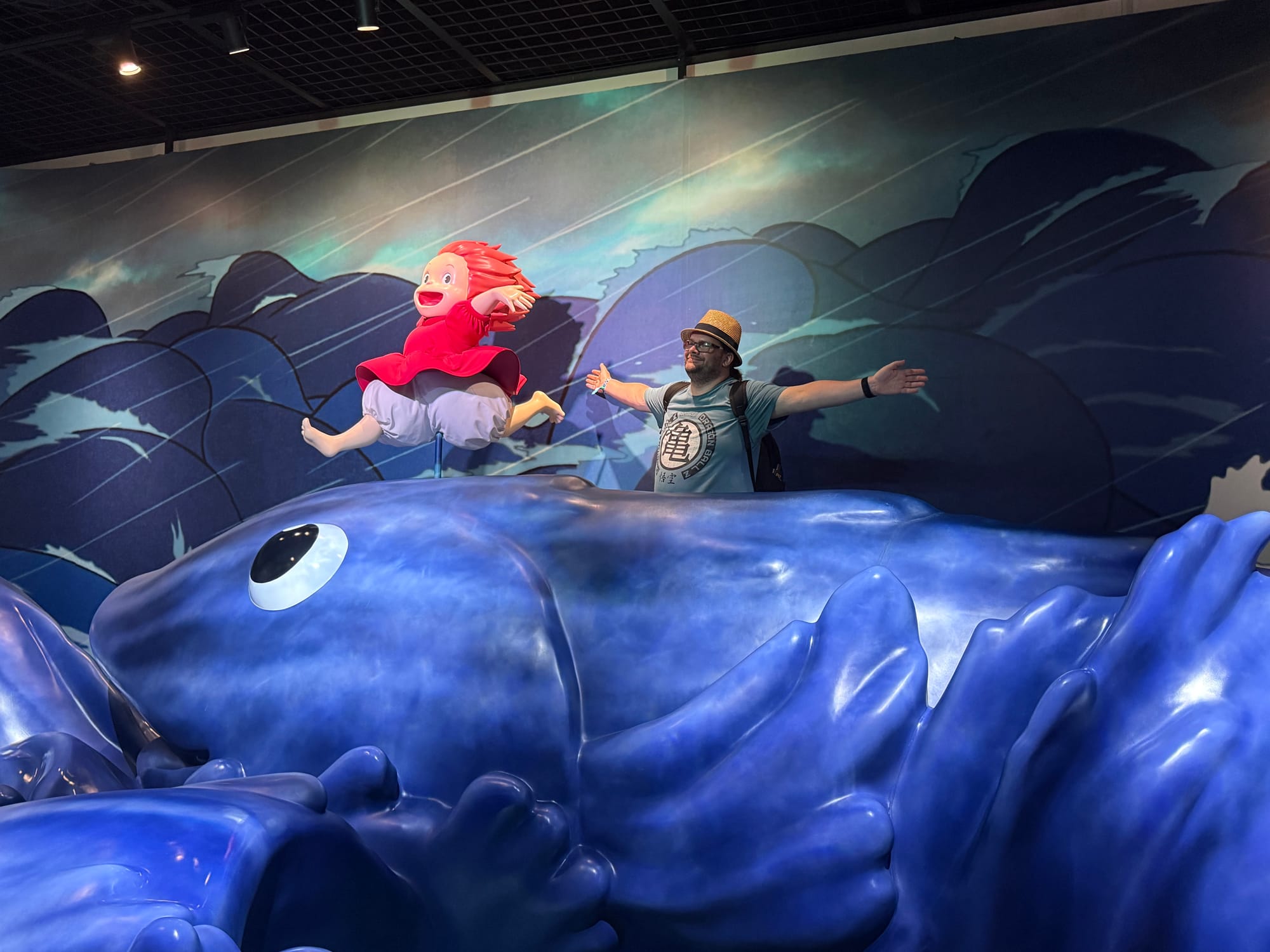
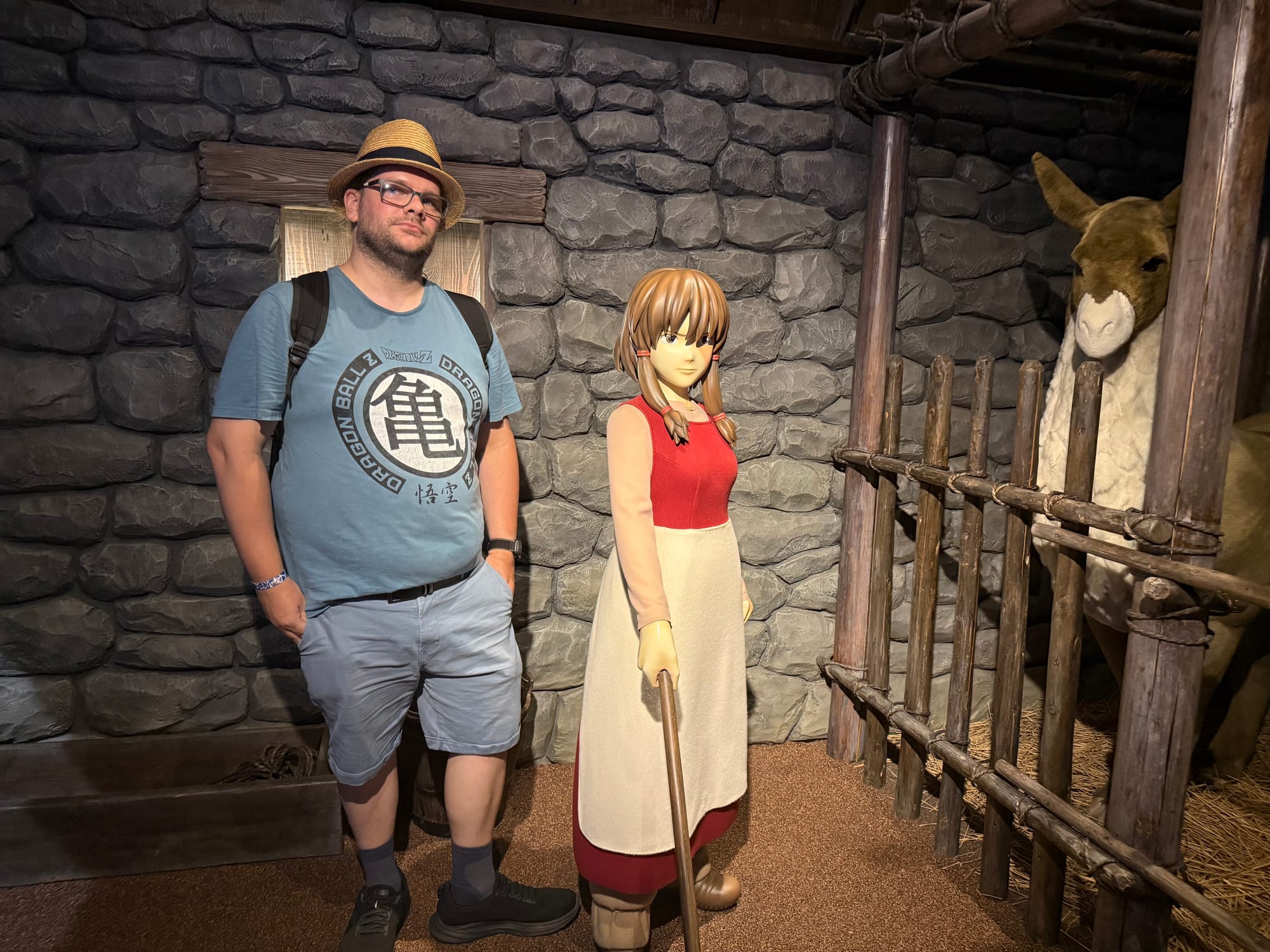
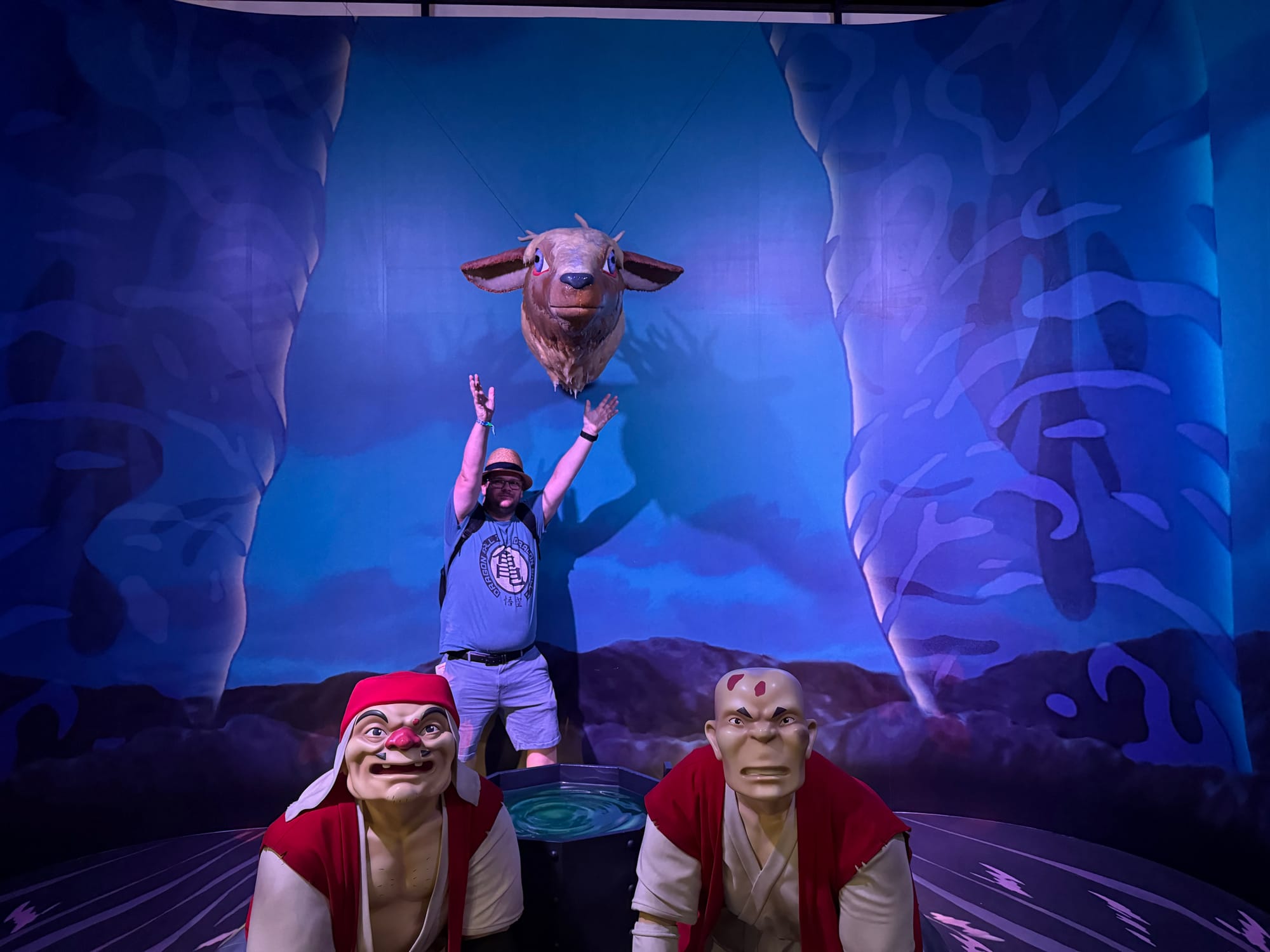
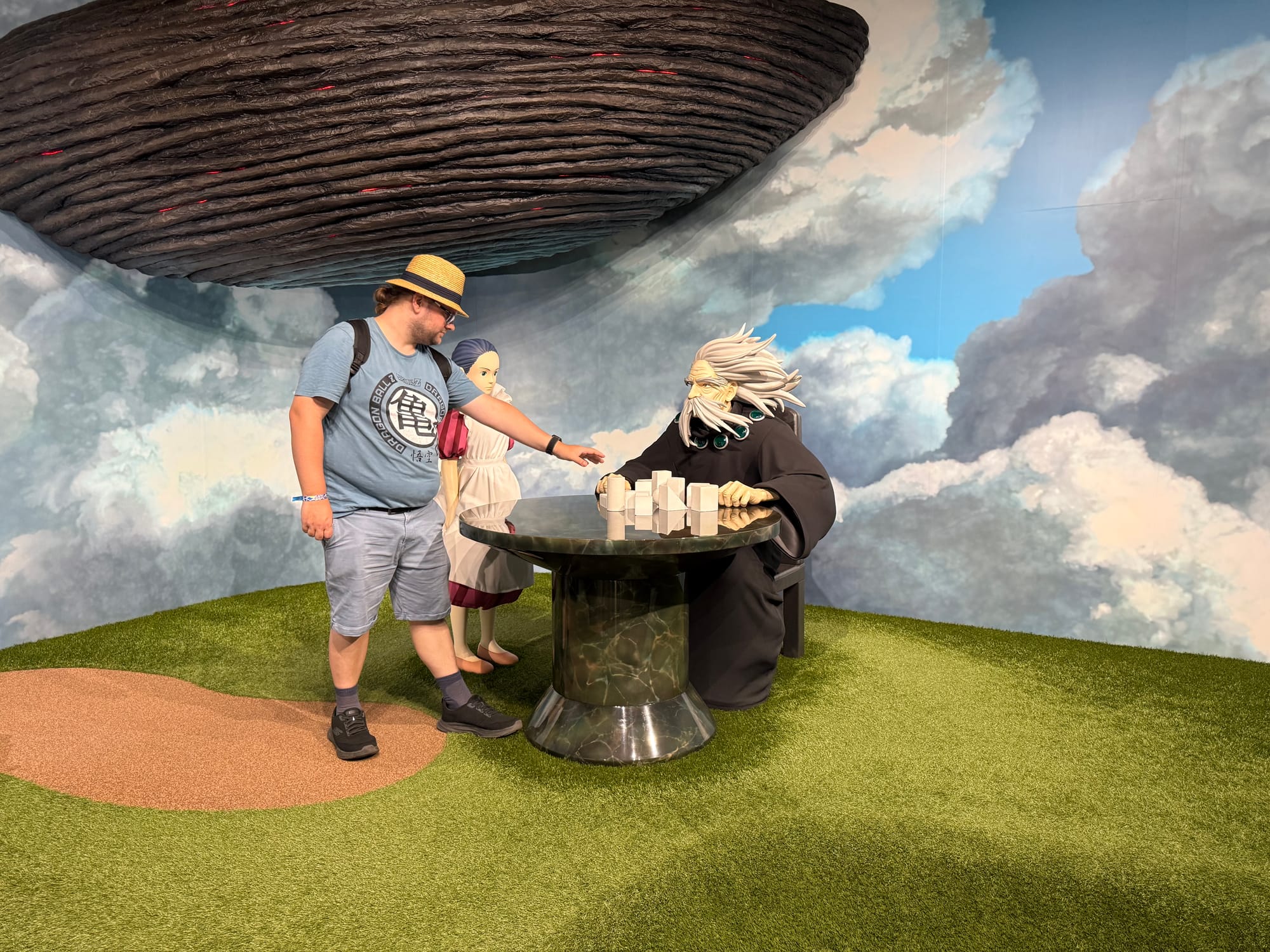
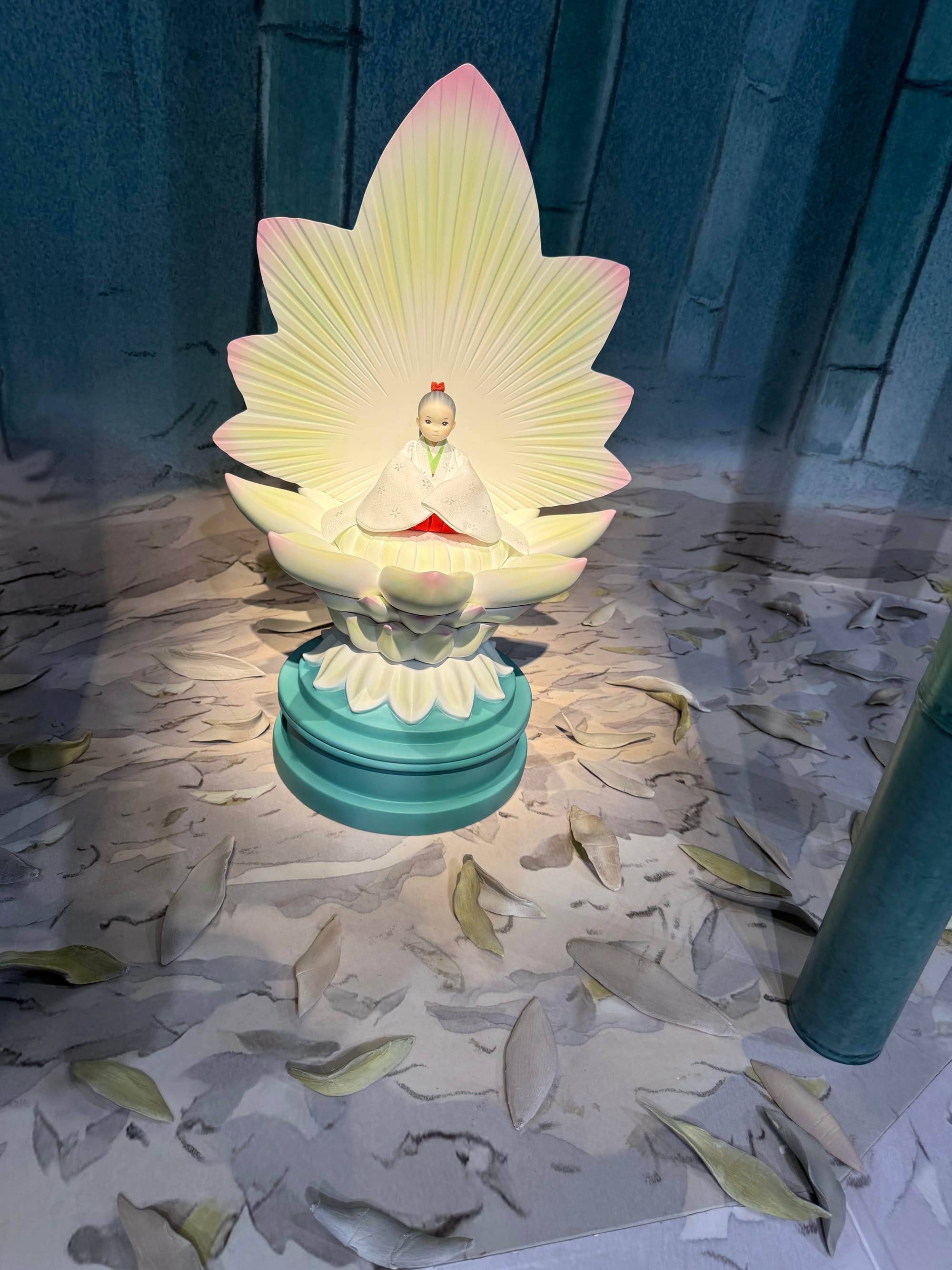
After this I queued up to go into one of the special exhibits, where the are recreated scenes from different Studio Ghibli movies and you get to be in them. I even got to sit next to my best mate No-Face from Spirited Away.
Visitor sits beside No-Face on the train from Spirited Away in the "Becoming Characters in Memorable Ghibli Scenes" exhibit at Ghibli Park's Grand Warehouse.Stepping into a scene from Porco Rosso in the Becoming Characters in Memorable Ghibli Scenes exhibit, alongside Marco Pagot, the ace pilot better known as Porco Rosso.Recreating a memorable scene from Porco Rosso in the Becoming Characters in Memorable Ghibli Scenes exhibit, standing alongside Marco Pagot amid the film's imaginative world of aviation and adventure.Joining the tanuki council from Pom Poko in the Becoming Characters in Memorable Ghibli Scenes exhibit, stepping into one of Studio Ghibli's most distinctive and environmentally themed films.Stepping into a scene from Castle in the Sky in the Becoming Characters in Memorable Ghibli Scenes exhibit, beside Dola's flaptor while Sheeta rides a Laputian robot soldier in the background.Recreating a scene from On Your Mark in the Becoming Characters in Memorable Ghibli Scenes exhibit, reaching towards the winged girl as she escapes into the vast futuristic world of Studio Ghibli's acclaimed music video.Stepping into a scene from Ponyo in the Becoming Characters in Memorable Ghibli Scenes exhibit, alongside Ponyo as she races across the waves on a giant fish during one of the film's most memorable moments.Stepping into a scene from Tales from Earthsea in the Becoming Characters in Memorable Ghibli Scenes exhibit, standing alongside Therru in one of the film's rural settings.Recreating the climactic scene from Princess Mononoke in the Becoming Characters in Memorable Ghibli Scenes exhibit, helping return the Forest Spirit's stolen head to restore balance to the world.Stepping into a scene from The Boy and the Heron in the Becoming Characters in Memorable Ghibli Scenes exhibit, beside Himi and the Great Uncle as the fate of their world hangs in the balance.A beautifully lit display from The Tale of the Princess Kaguya inside the Grand Warehouse at Ghibli Park, capturing the film's delicate artistry and dreamlike atmosphere.
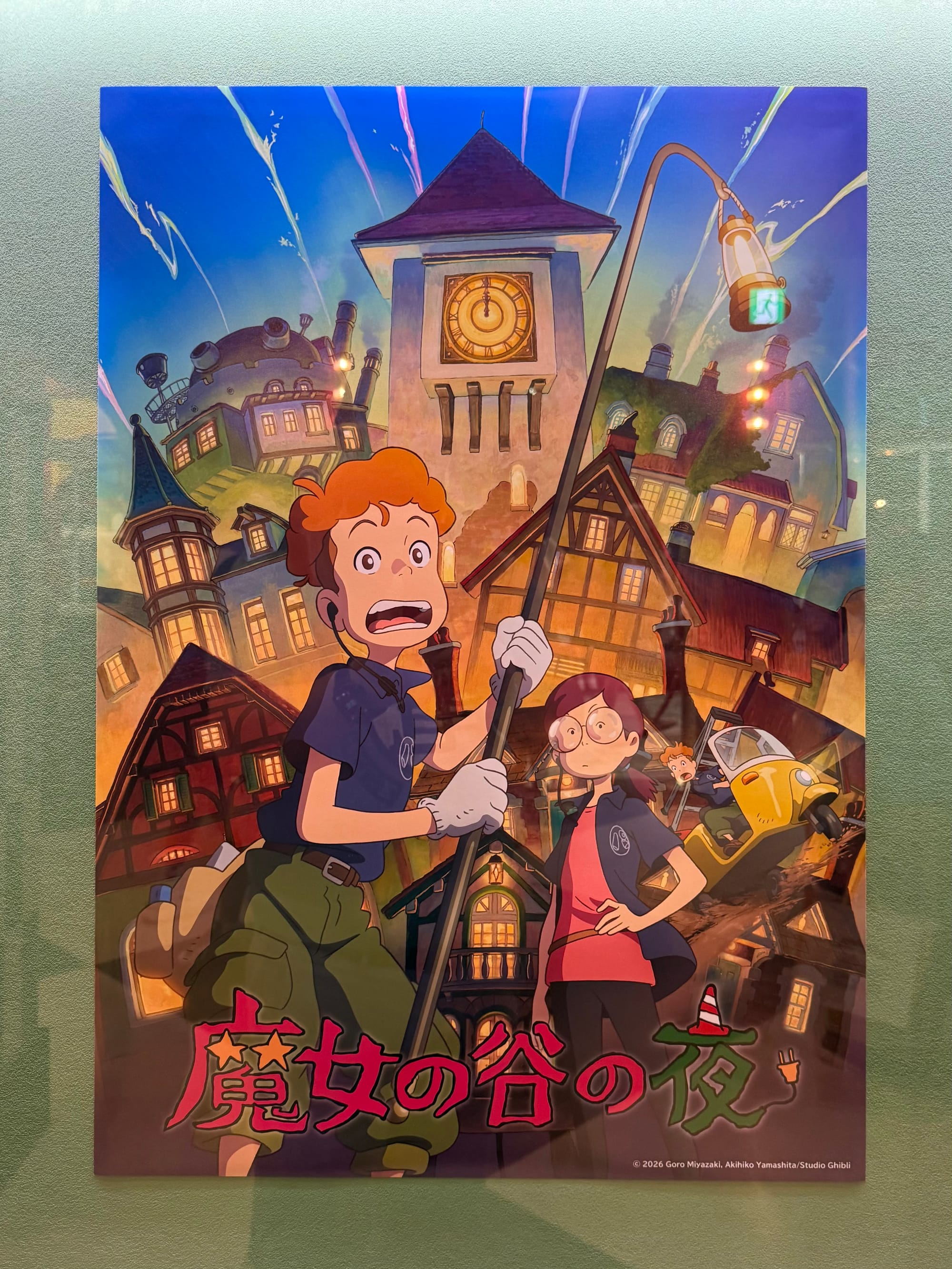
After this I went into the cinema they had there, where they are showing an exclusive 14 minute movie called 'A Night in the Valley of the Witches'. All i am going to say is that it was really good and i could quite easily understand it, even without subtitles. It was also quite funny as well and recently premiered there on the 8th July 2026, so it is a brand new film, just for the park itself.
A poster for A Night in the Valley of the Witches, the exclusive 14-minute short film shown at Ghibli Park's Grand Warehouse, celebrating the magical worlds and characters inspired by Studio Ghibli's witch-themed stories.
Next was the Panorama Box Exhibition, but there were no photos allowed in this section. If you have seen the movie 'The Boy and the Heron', imaging the corridor that leads to different times with all there peep holes open, it was a bit like that and each peep hole had a different 3D scene in it from a movie.
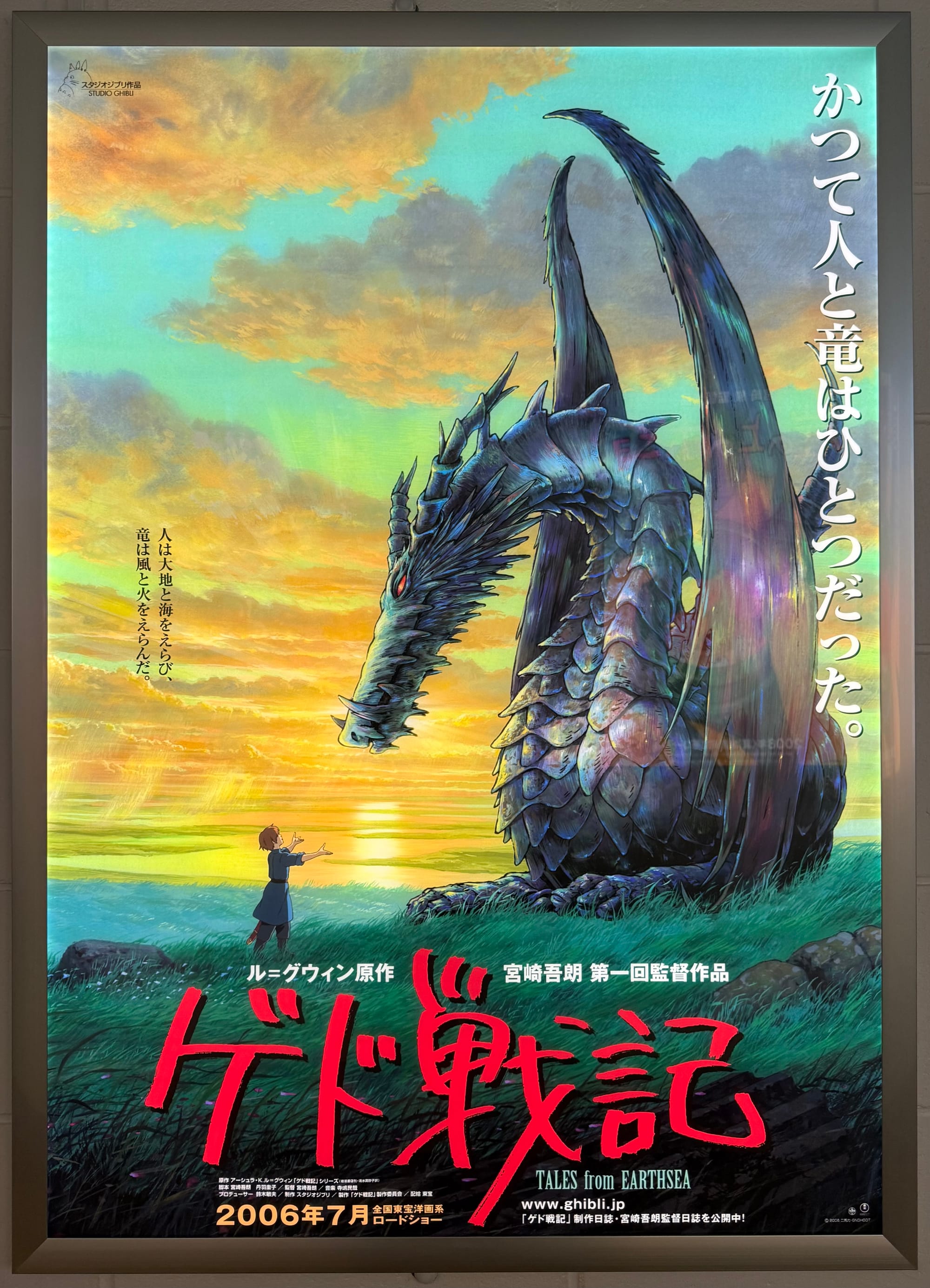
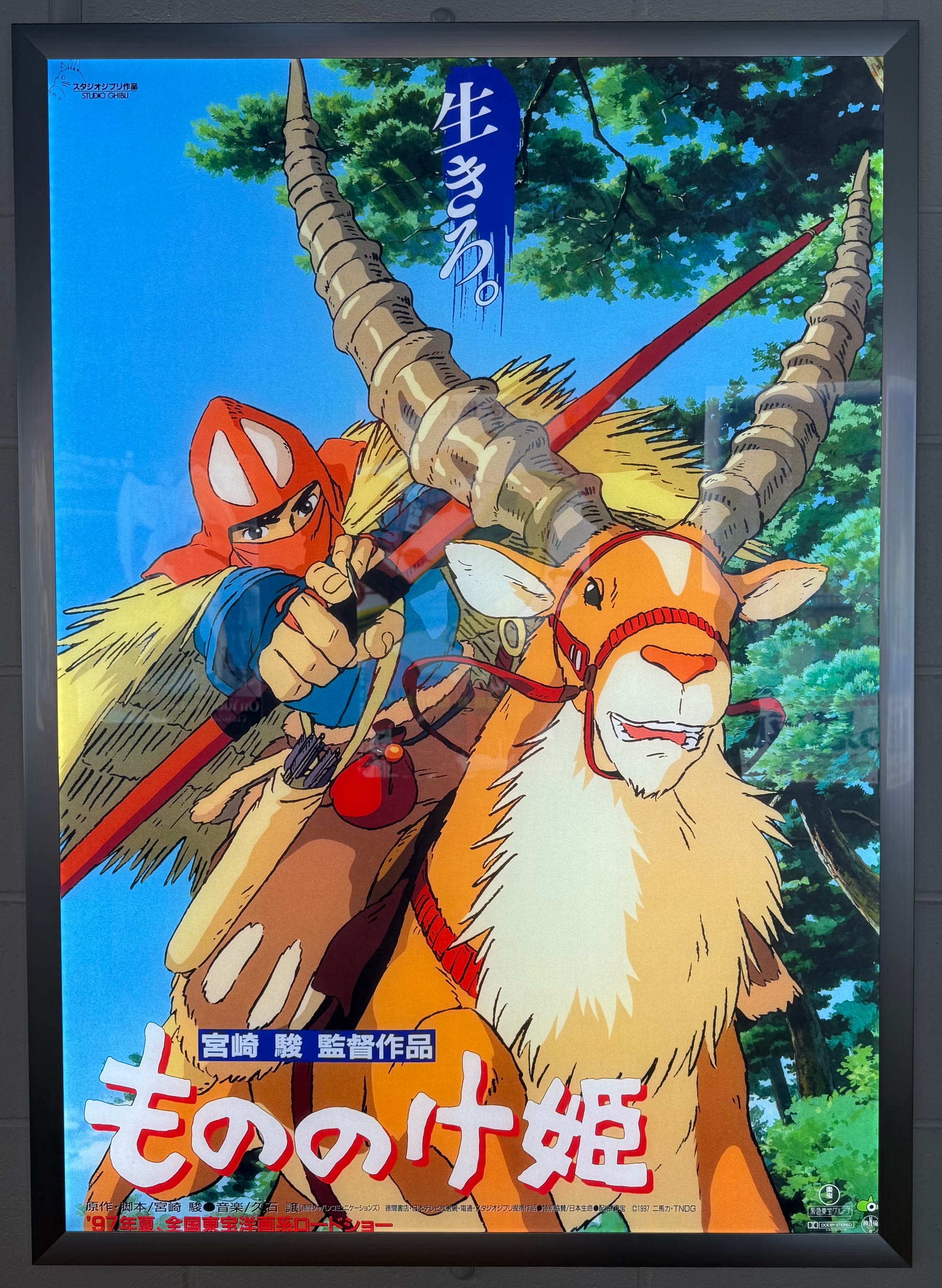
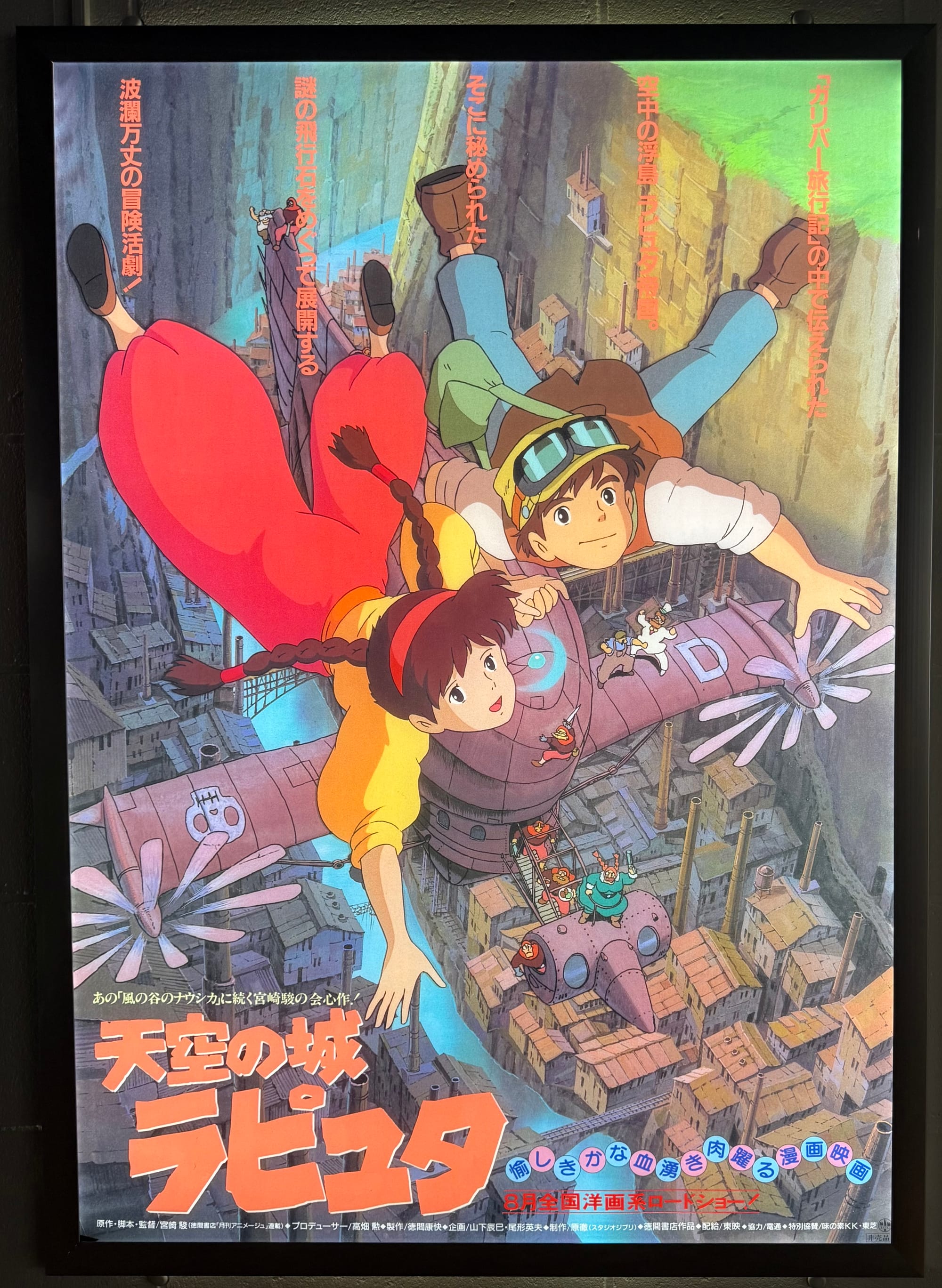
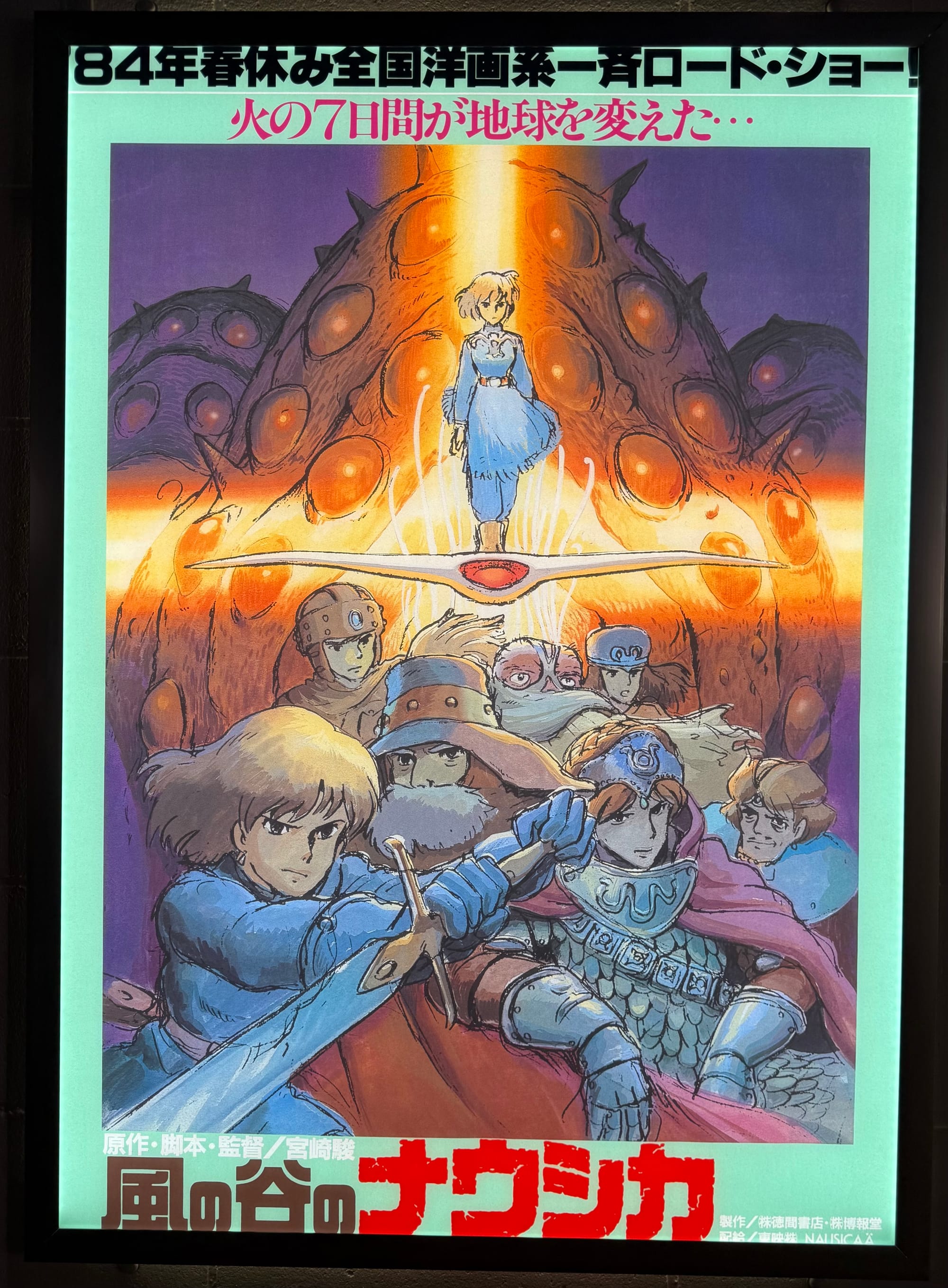
Then after that I was in the everything Ghibi section where there is a life sized catbus that you can sit in, exhibits from the producer Toshiro Suzuki, posters for the movies and more.
A poster for Tales from Earthsea on display in the Grand Warehouse at Ghibli Park, depicting the encounter between Arren and a dragon from Studio Ghibli's adaptation of Ursula K. Le Guin's Earthsea novels.A poster for Princess Mononoke on display in the Grand Warehouse at Ghibli Park, depicting Ashitaka and his faithful red elk Yakul from one of Studio Ghibli's most acclaimed films.A poster for Castle in the Sky on display in the Grand Warehouse at Ghibli Park, featuring Pazu and Sheeta soaring above one of the film's industrial mining towns before their journey to the legendary floating island of Laputa.A poster for Nausicaä of the Valley of the Wind on display in the Grand Warehouse at Ghibli Park, showcasing the influential fantasy epic that laid the foundations for Studio Ghibli's future success.
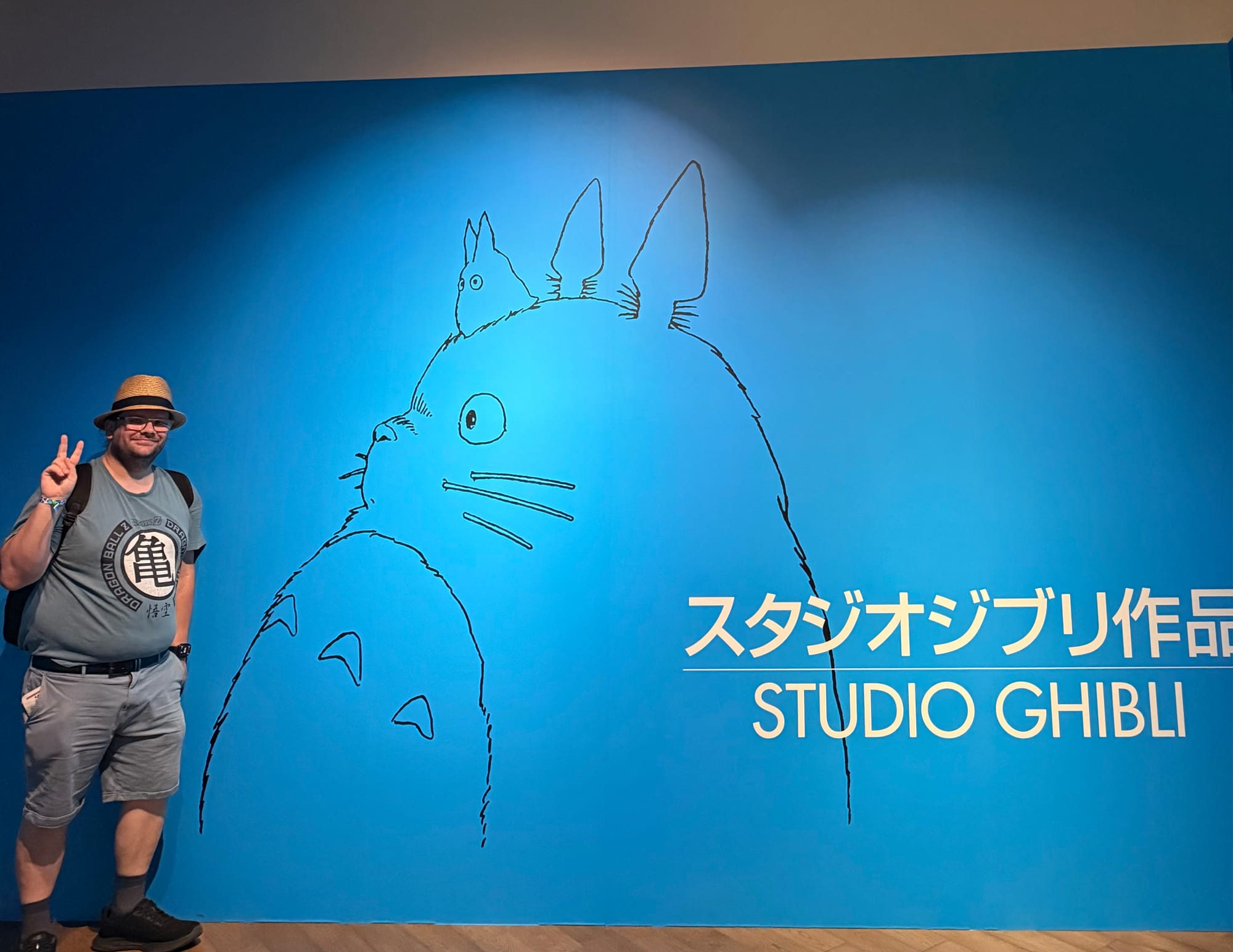
After the promotional posts, there was the iconic Studio Ghibli background on the wall that appears at the beginning of all there movies.
Posing beside the Studio Ghibli Totoro display in the Grand Warehouse at Ghibli Park, a fitting photo opportunity to mark a visit to one of Japan's most imaginative attractions.
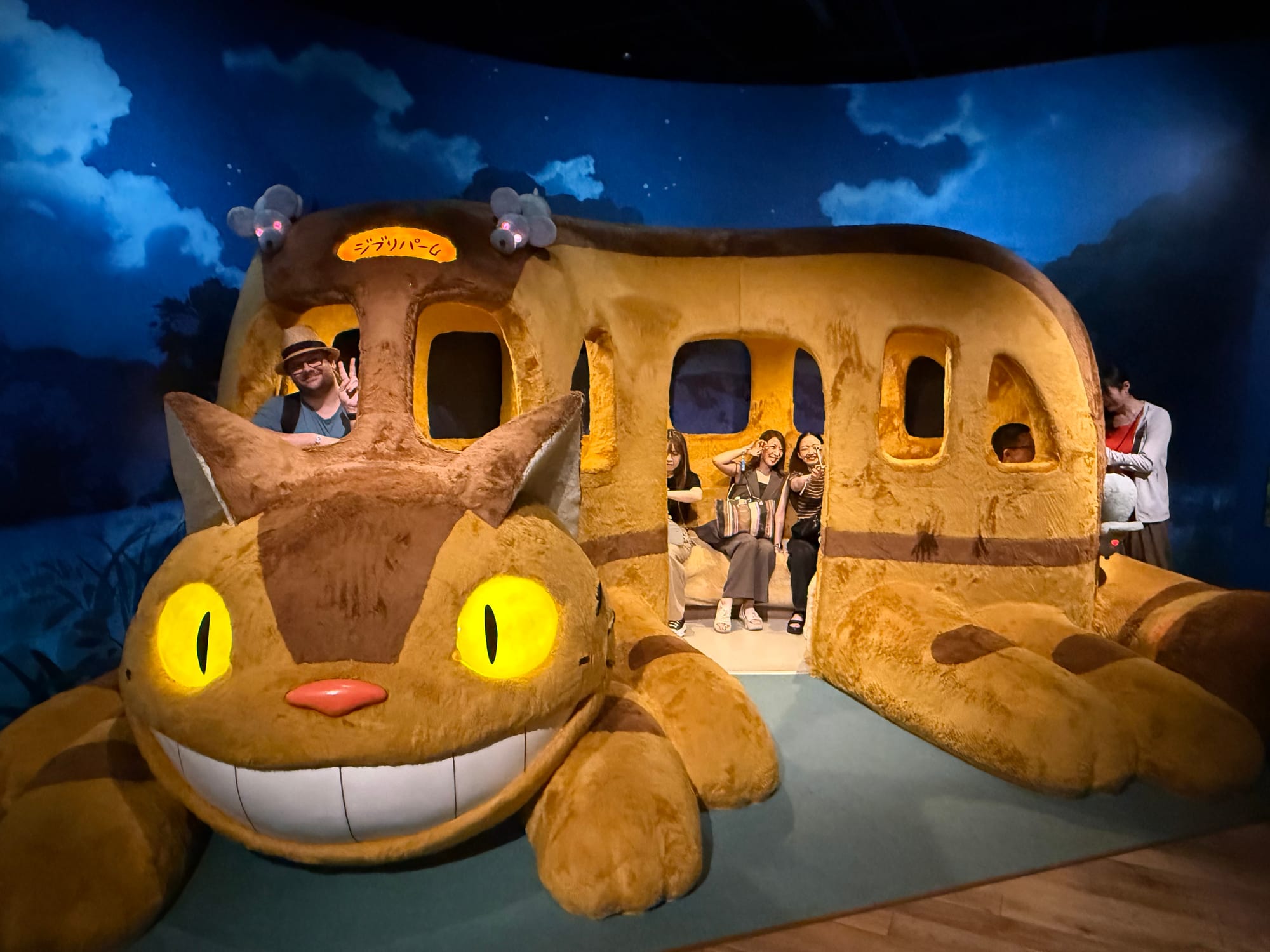
Then there was the catbus.
Climbing aboard the Catbus in the Grand Warehouse at Ghibli Park, stepping into one of the most iconic creations from My Neighbour Totoro and a favourite photo opportunity for visitors.
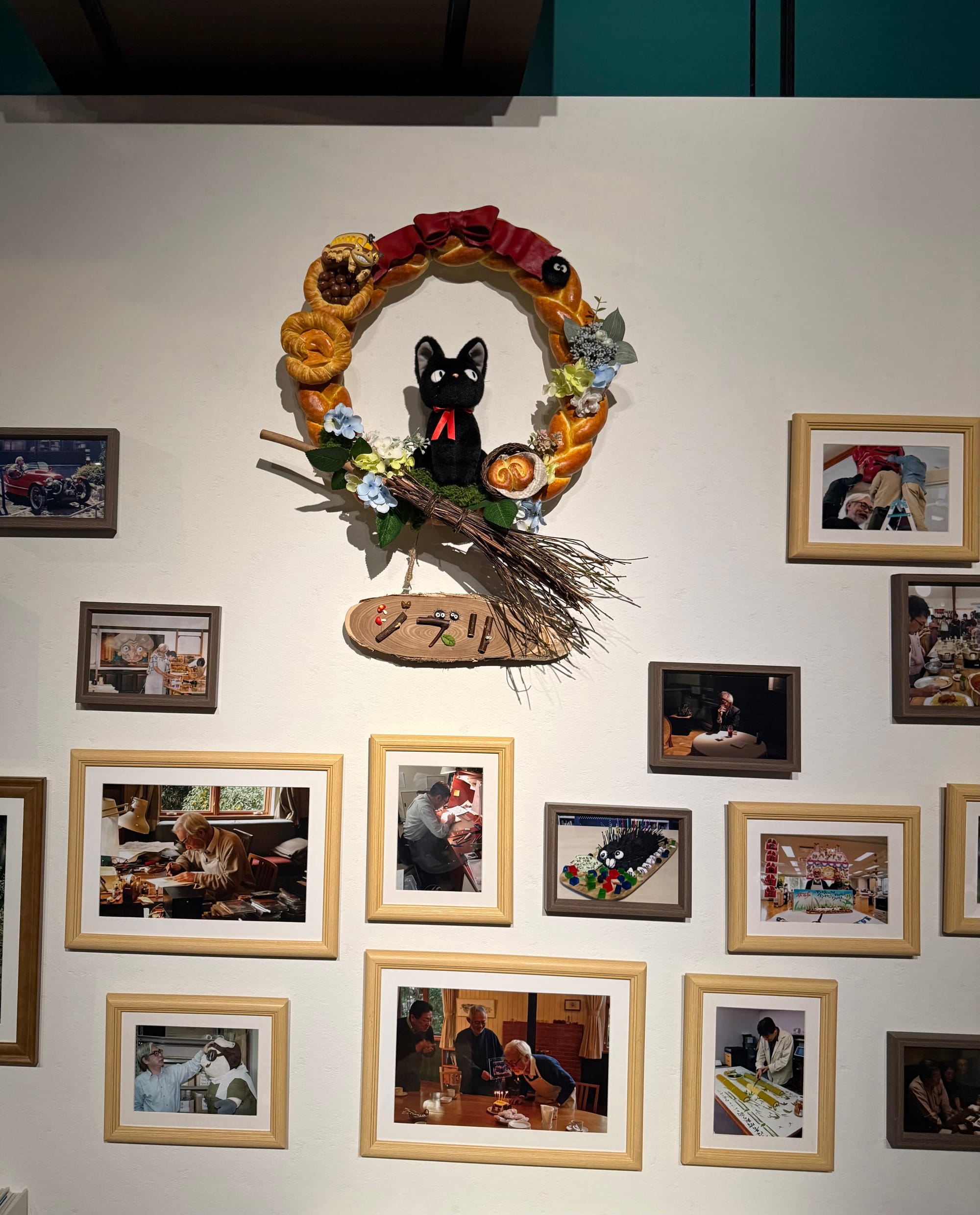
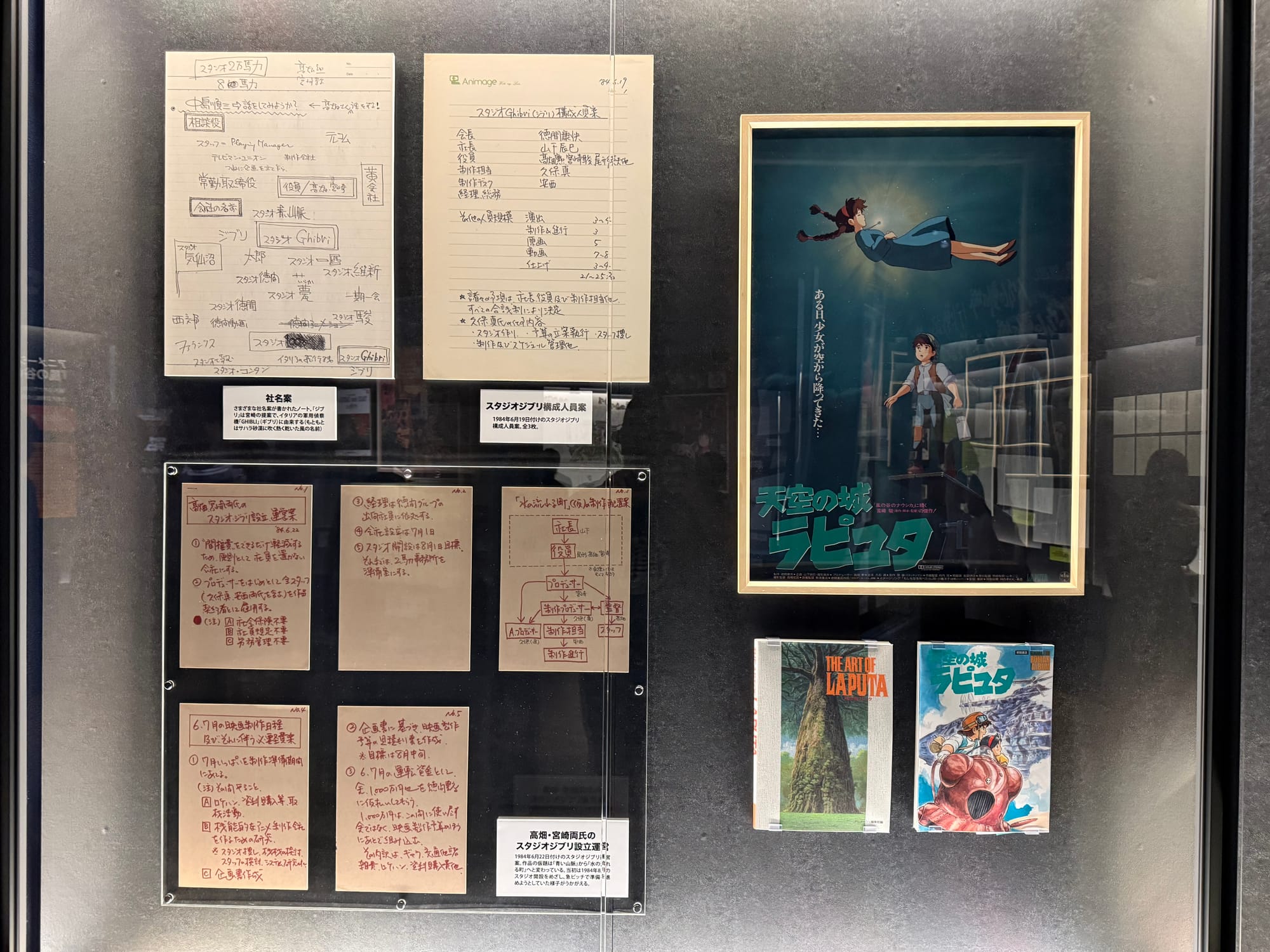
Next was a bunch more promotional stuff and also some handwritten notes from one of the producers.
A charming display inspired by Kiki's Delivery Service in the Grand Warehouse at Ghibli Park, featuring Jiji surrounded by photographs and tributes celebrating Studio Ghibli's creative legacy.An exhibit in the Grand Warehouse at Ghibli Park showcases early Studio Ghibli documents alongside Castle in the Sky promotional materials, highlighting the studio's founding and the production of its first feature film.
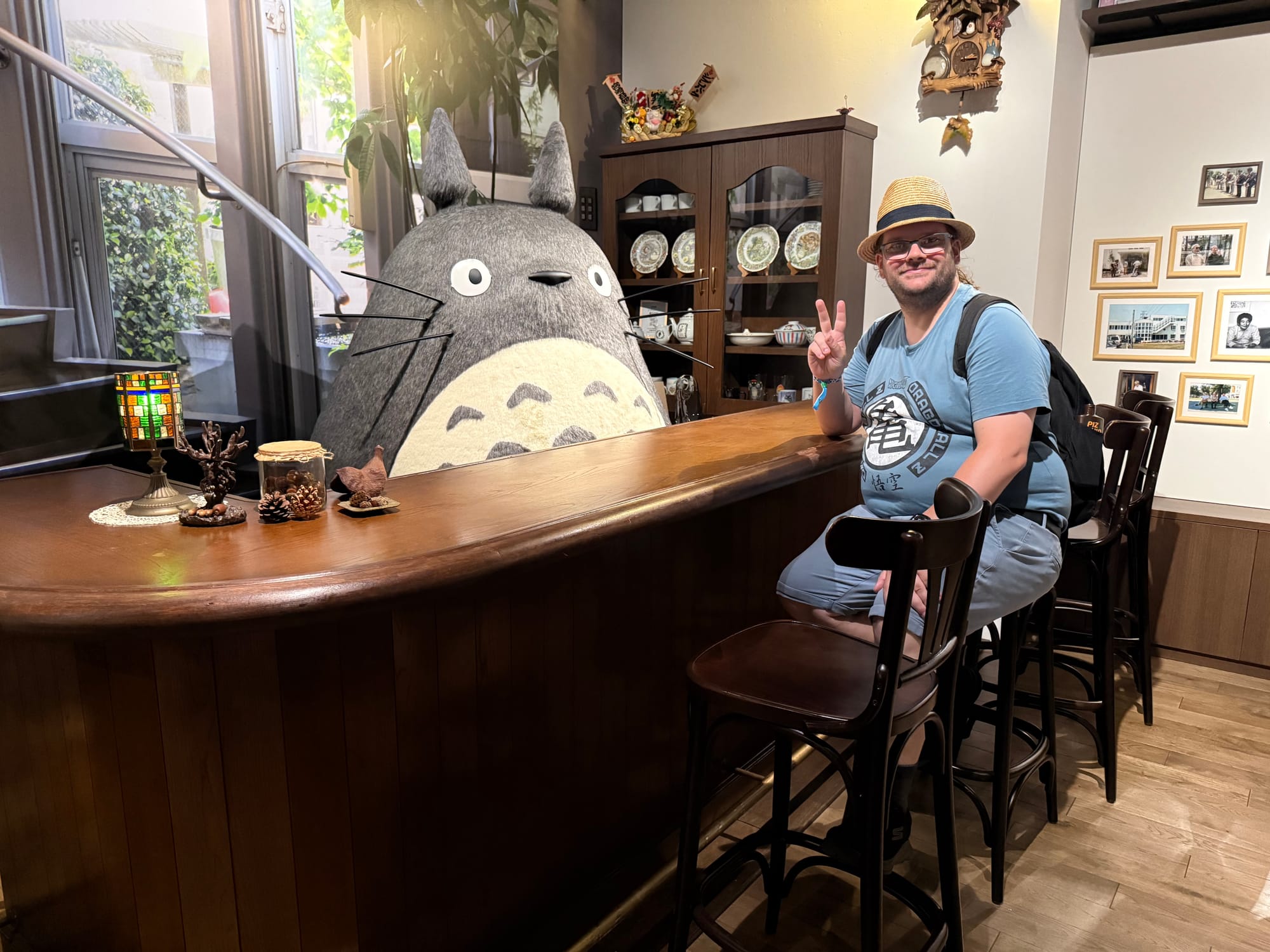
I even got invited to the bar by Totoro
Sharing a seat with Totoro in one of the Grand Warehouse's detailed Studio Ghibli displays, recreating a cosy scene inspired by the warmth and charm of the studio's beloved films.
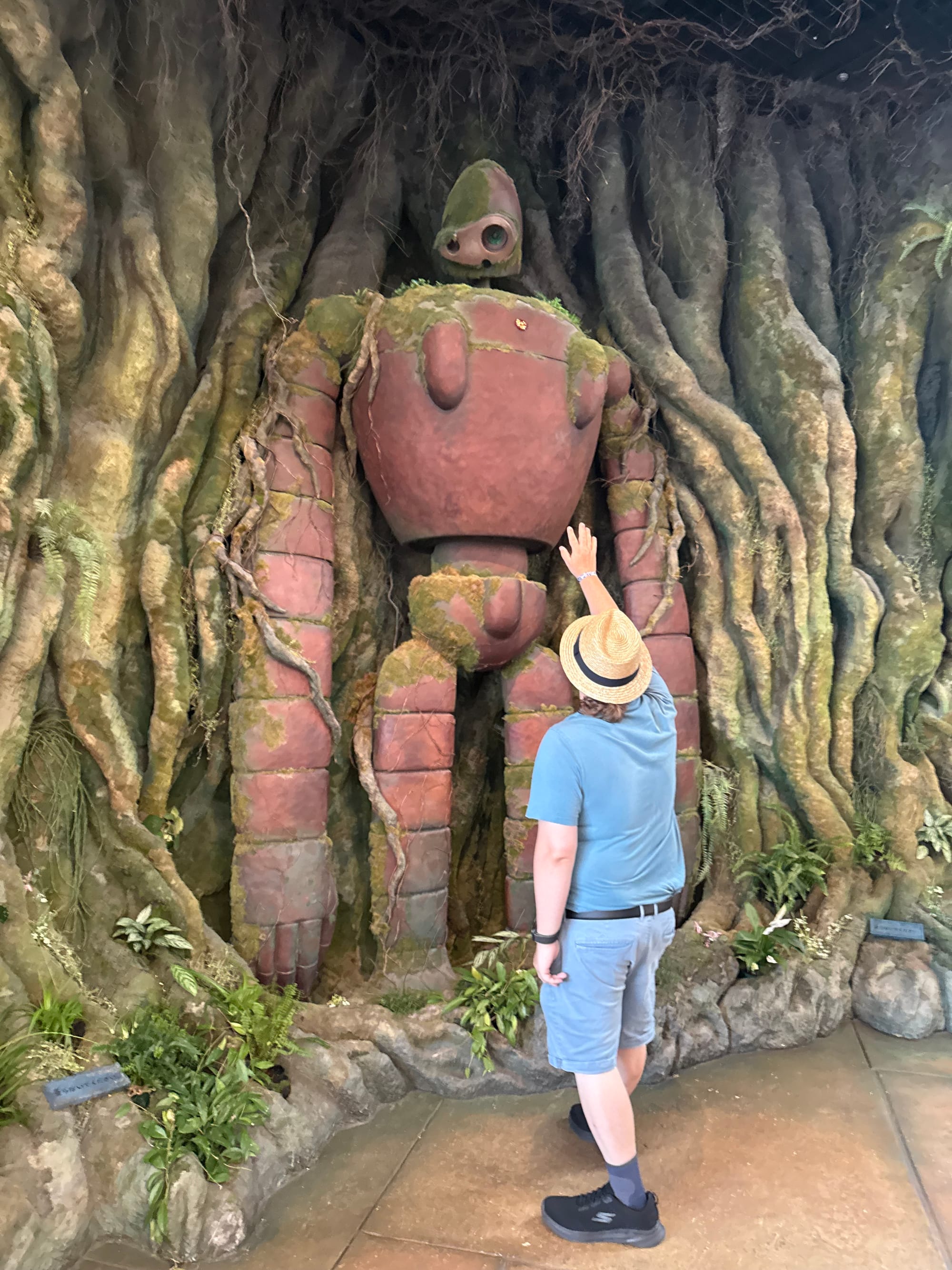
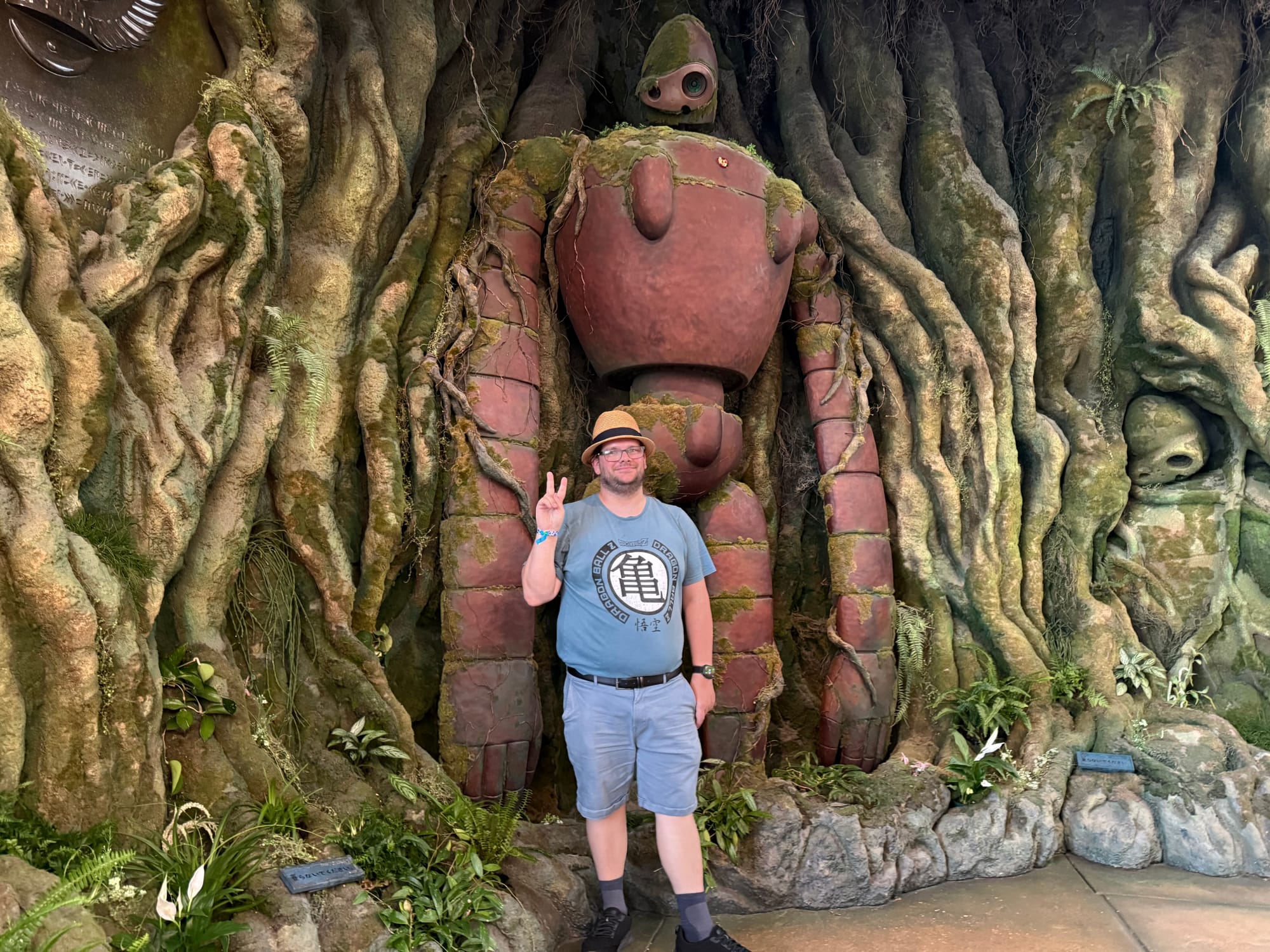
After this, I then lined up at the Garden in the Sky, which has a scene in it from Castle in the Sky.
Reaching out to the iconic Laputian robot soldier from Castle in the Sky in the Grand Warehouse at Ghibli Park, recreating one of Studio Ghibli's most memorable and enduring images.Posing with the iconic Laputian robot soldier from Castle in the Sky in the Grand Warehouse at Ghibli Park, one of the park's most impressive tributes to Studio Ghibli's beloved adventure classic.
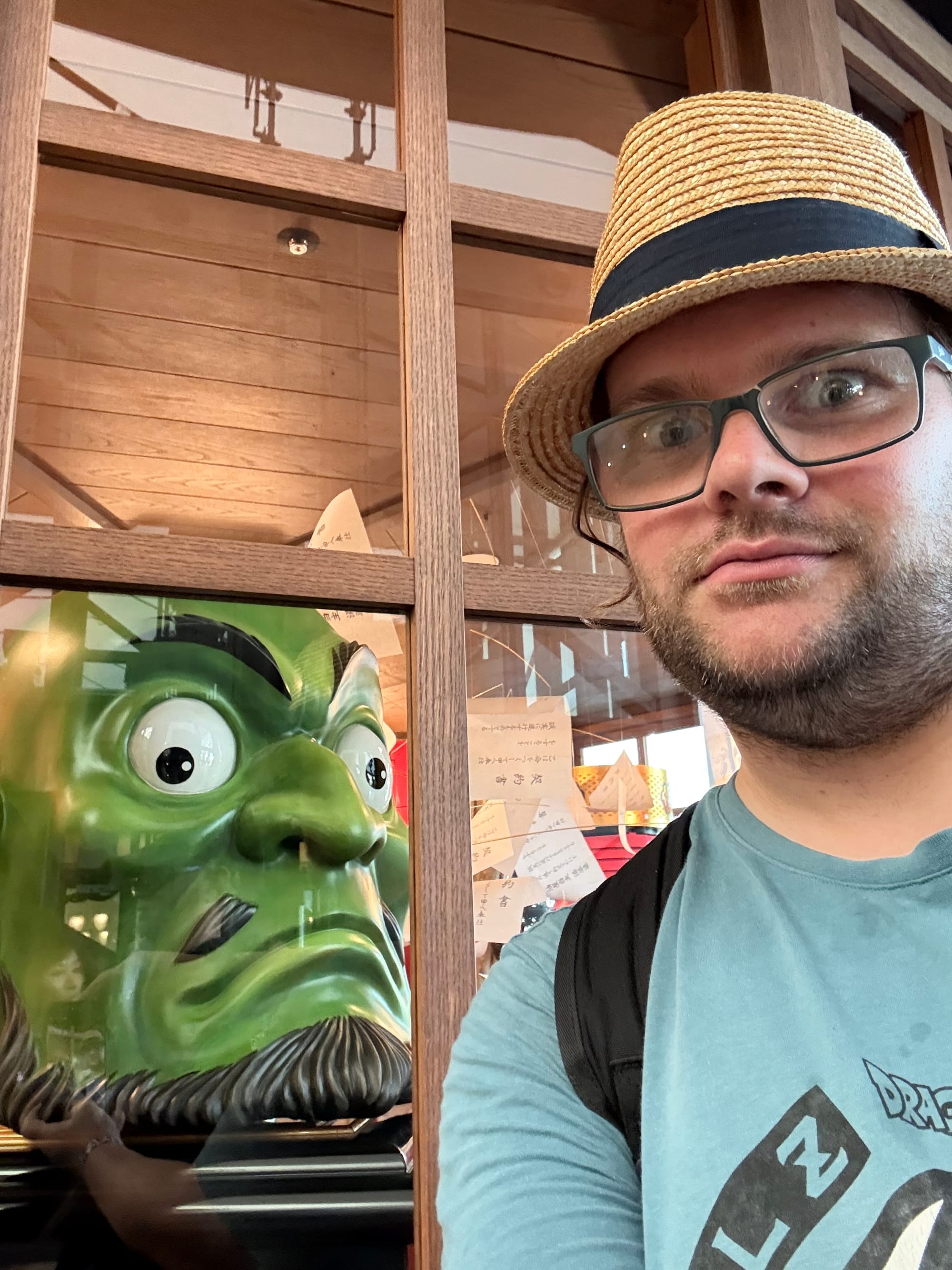
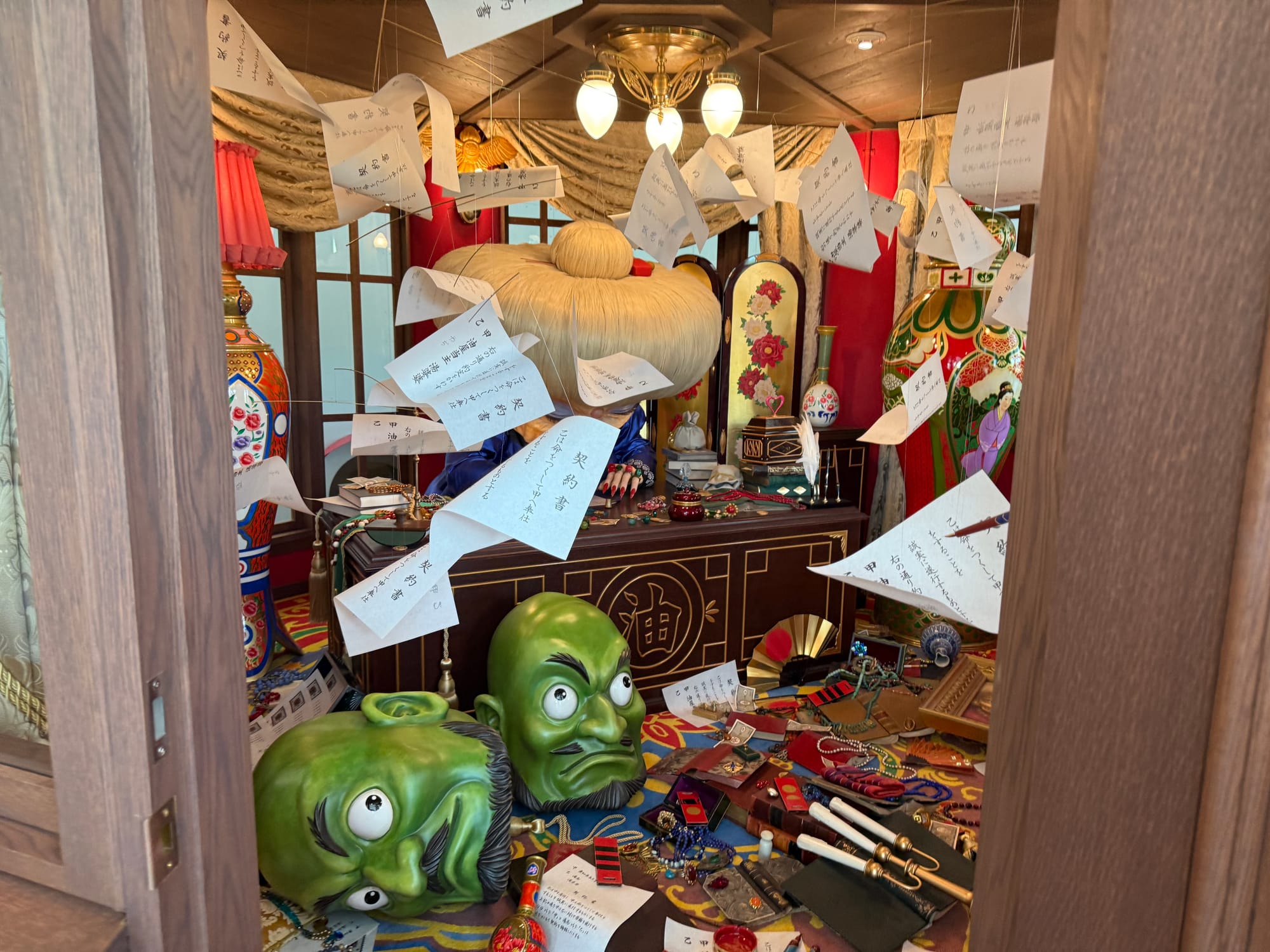
After this as time was getting on, I went to the Director's Room, where I could see Yubaba hard at work.
Posing beside the giant Tengu mask from Pom Poko at Ghibli Park, one of many displays celebrating the wide range of characters and folklore that inspired Studio Ghibli's films.A detailed Pom Poko display inside the Grand Warehouse at Ghibli Park recreates the film's world of shape-shifting tanuki, folklore and mischief through an imaginative collection of props and characters.
Dondoko Forest
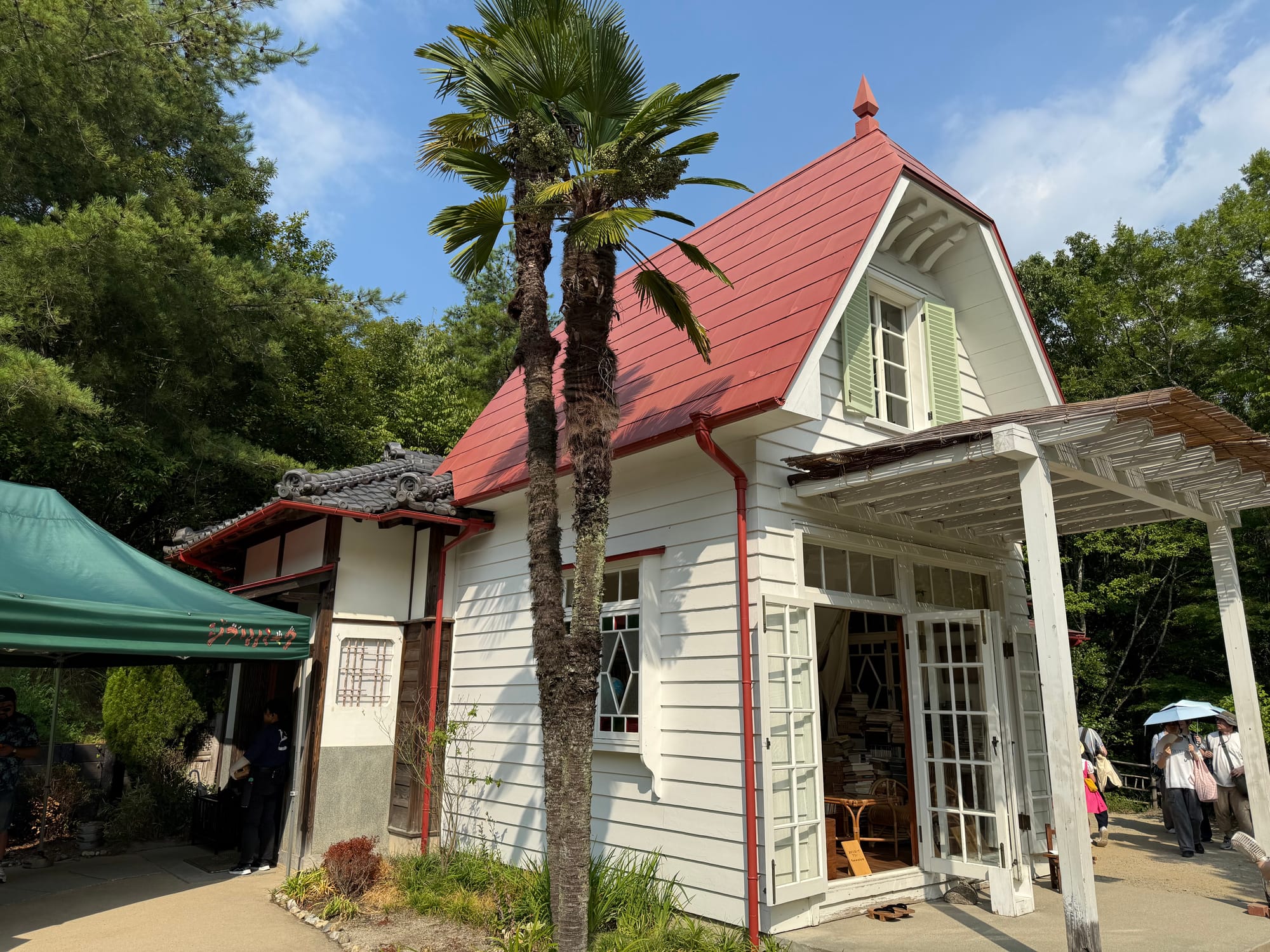
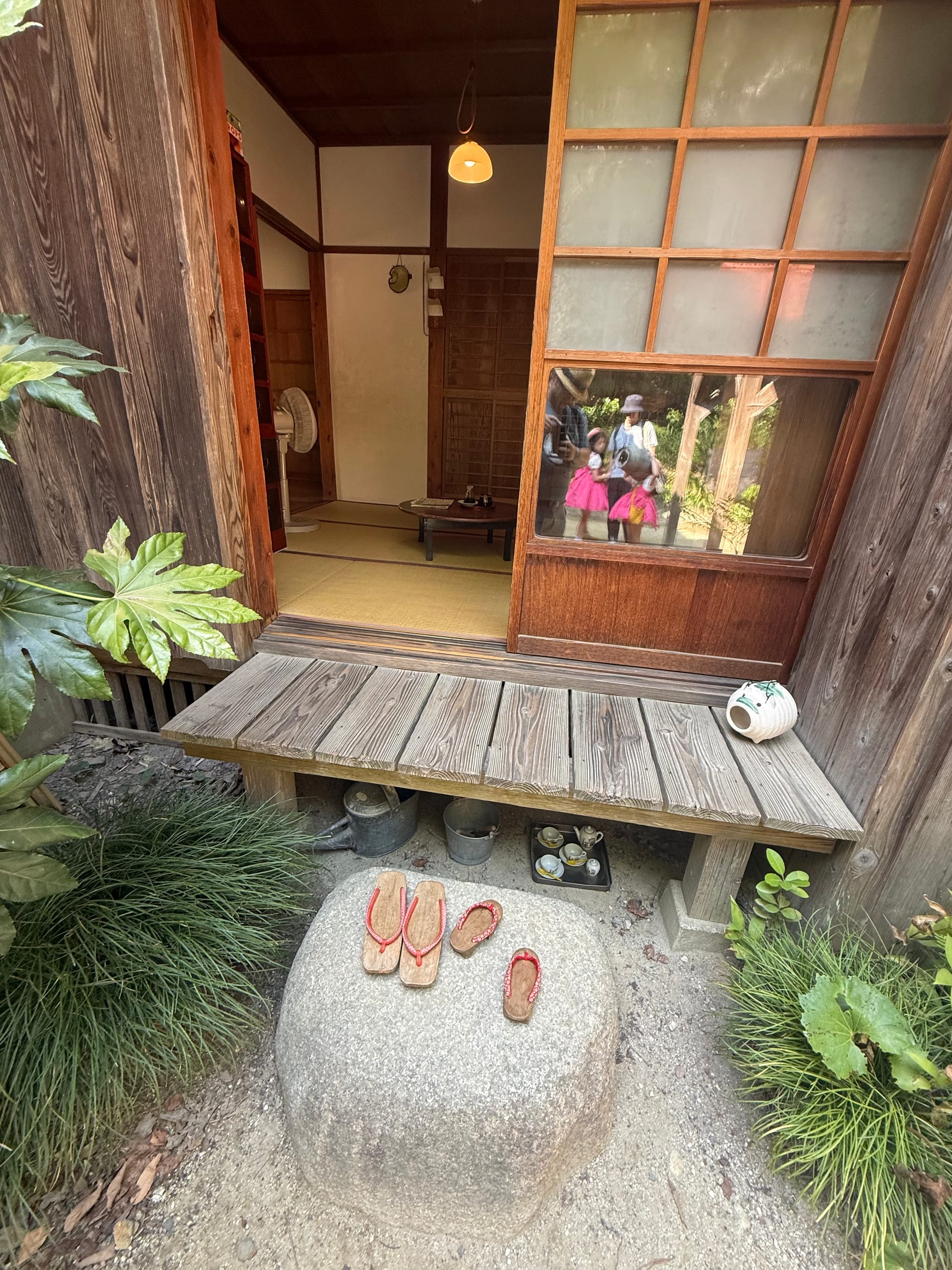
This area is dedicated to the film My Neighbour Totoro, where they had a real life set of Satsuki and Mei's house.
Satsuki and Mei's House from My Neighbour Totoro at Ghibli Park faithfully recreates the family home from the film, bringing one of Studio Ghibli's most iconic locations to life.Satsuki and Mei's House from My Neighbour Totoro at Ghibli Park faithfully recreates the family home from the film, bringing one of Studio Ghibli's most iconic locations to life.
Valley of the Witches
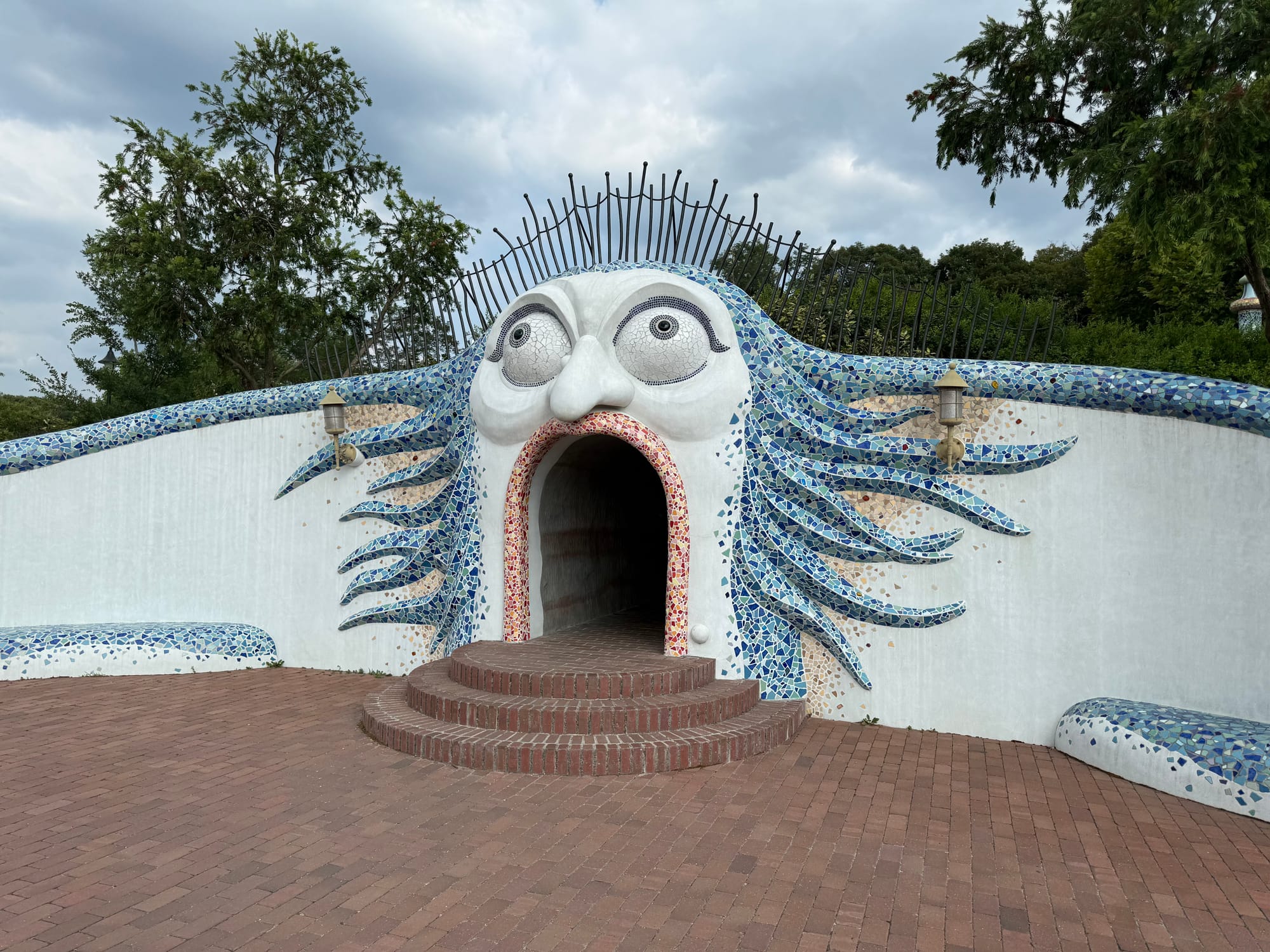
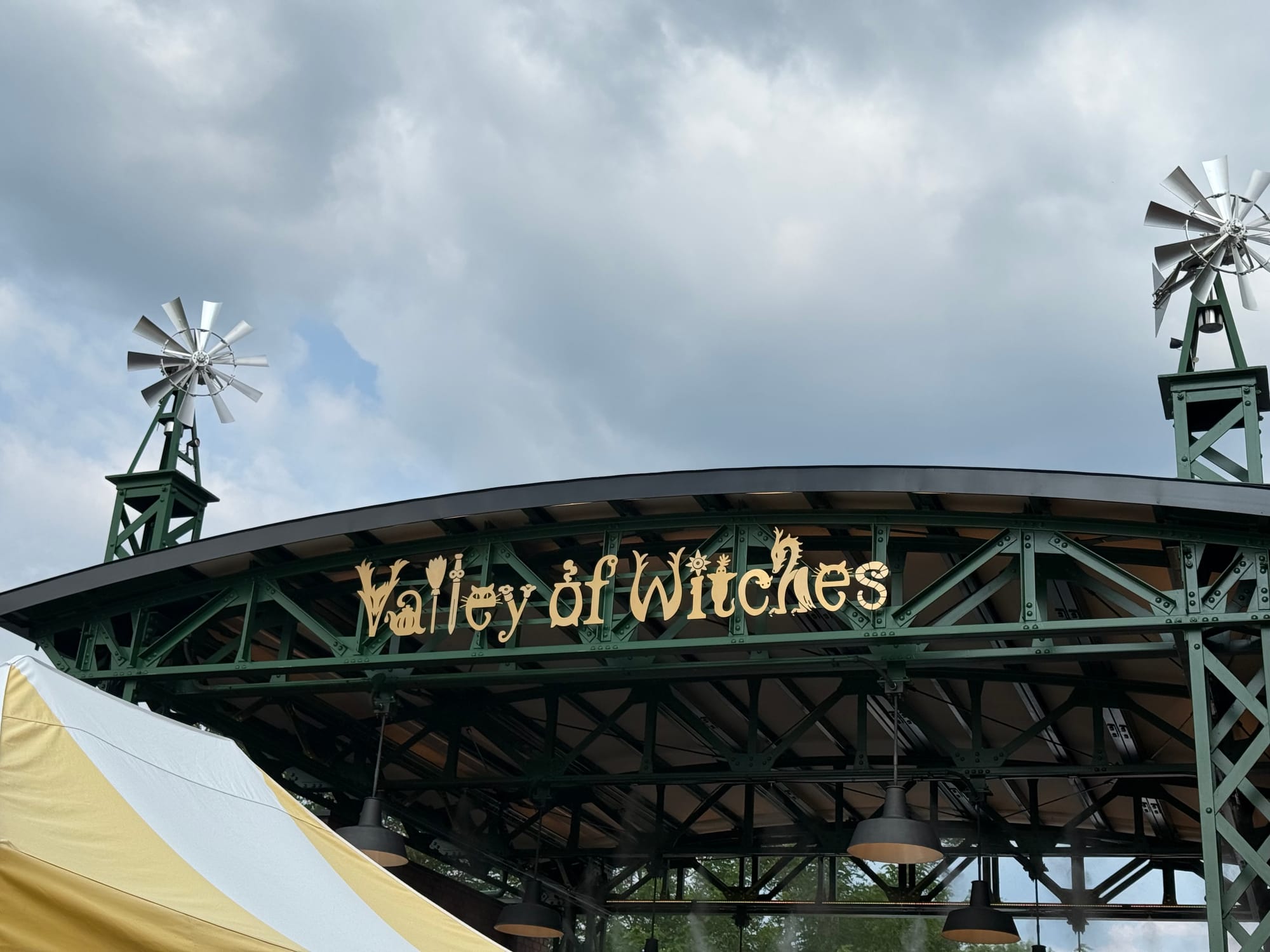
This part of the park is dedicated to the films: Kiki's Delivery Service, Howl's Moving Castle and Earwig and the Witch. Below you find the two entrances to the valley of the witches.
The Witch House entrance in Ghibli Park's Valley of Witches welcomes visitors into the world of Earwig and the Witch, with its striking mosaic design inspired by the film's magical setting.The entrance to the Valley of Witches at Ghibli Park welcomes visitors to an area inspired by Kiki's Delivery Service, Howl's Moving Castle and Earwig and the Witch.
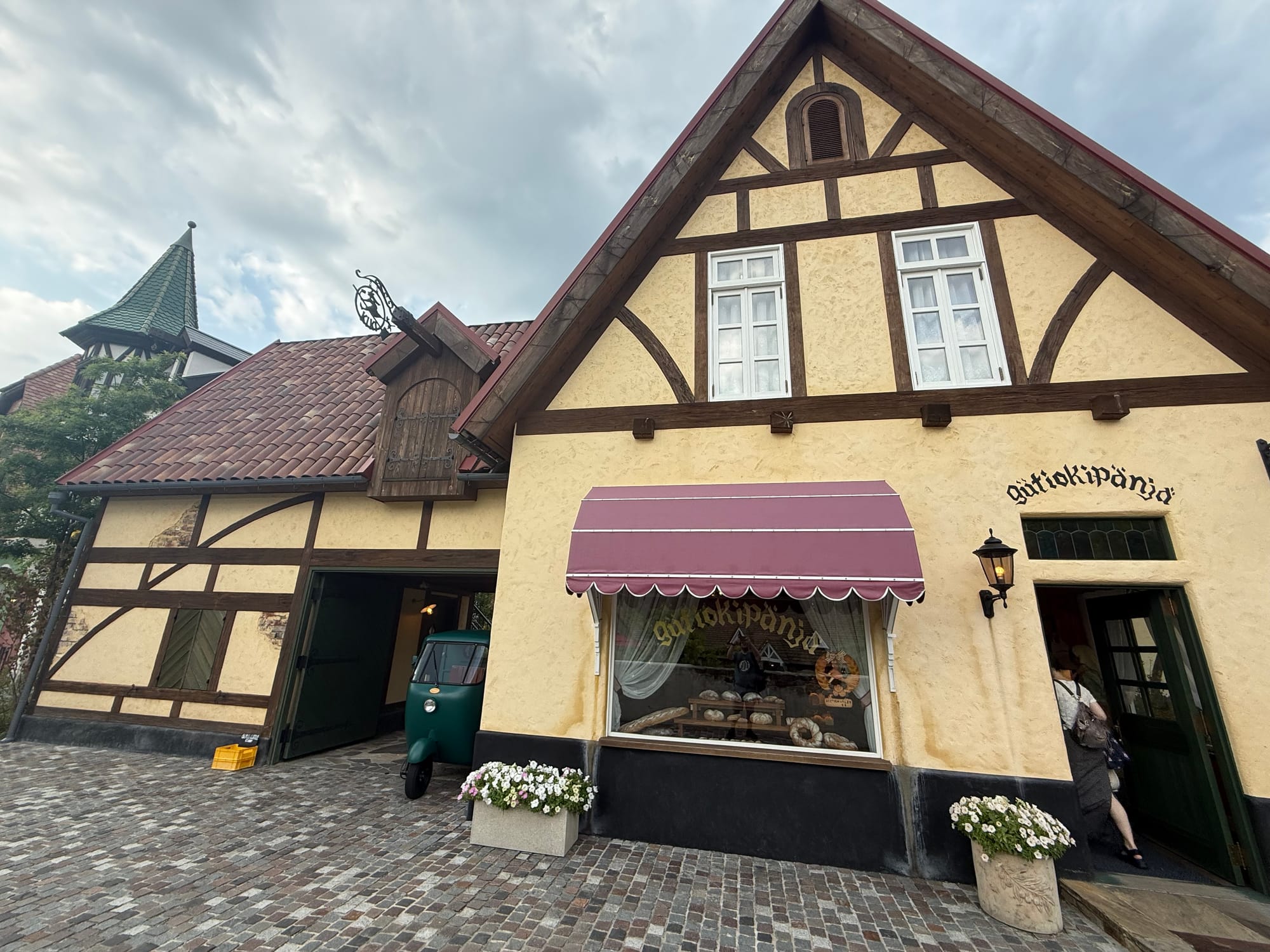
They have the bakery from Kiki's delivery service, that also is an actual bakery.
Gütiokipänjä, the bakery from Kiki's Delivery Service, recreated in the Valley of Witches at Ghibli Park, bringing Kiki's seaside home and workplace to life in remarkable detail.
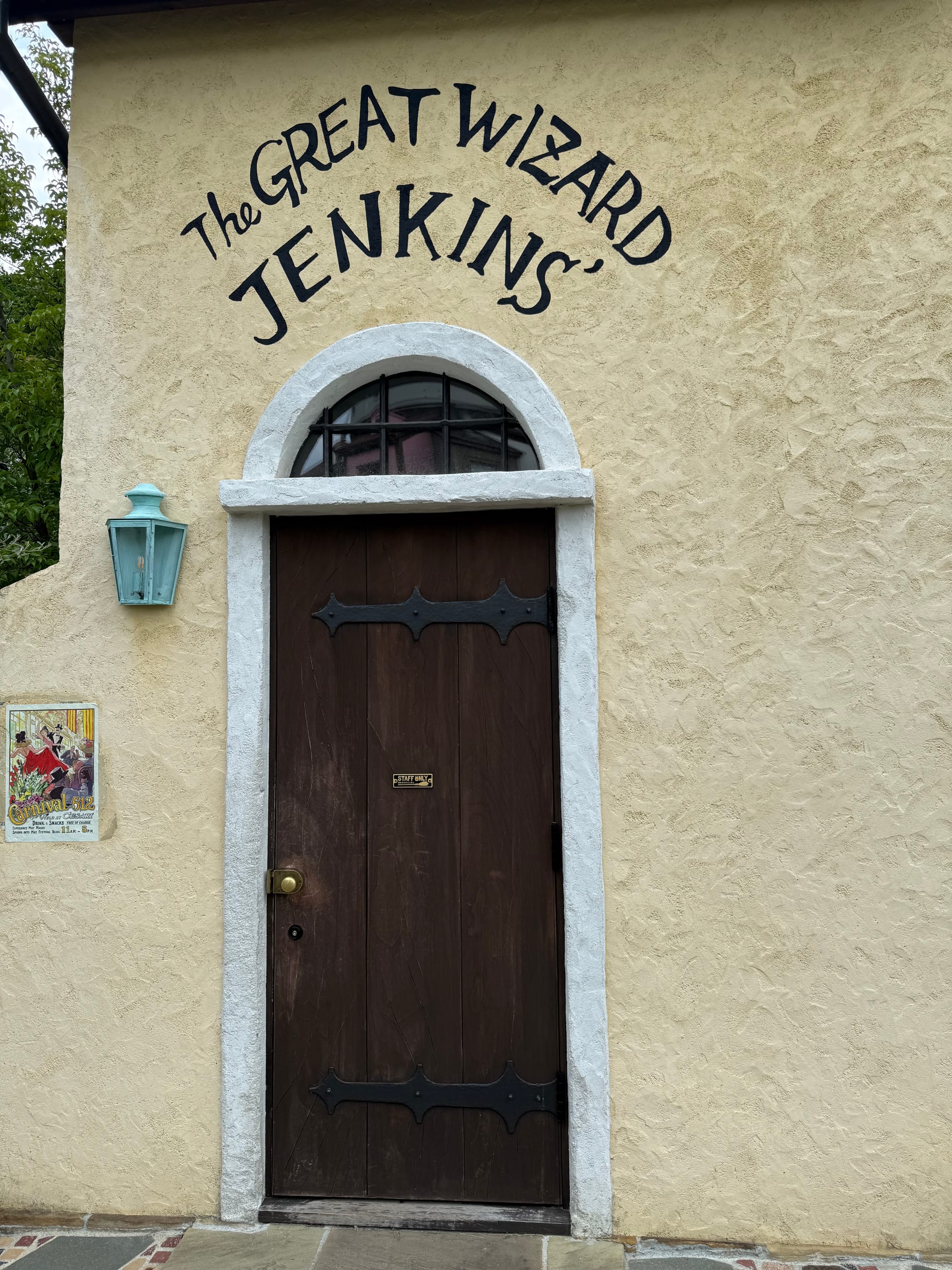
They have the entryway for The Great Wizard Jenkins, which was one of the ways to get into Howl's Moving Castle.
The entrance to The Great Wizard Jenkins' home from Howl's Moving Castle in Ghibli Park's Valley of Witches, recreating an important location from Sophie and Howl's magical world.
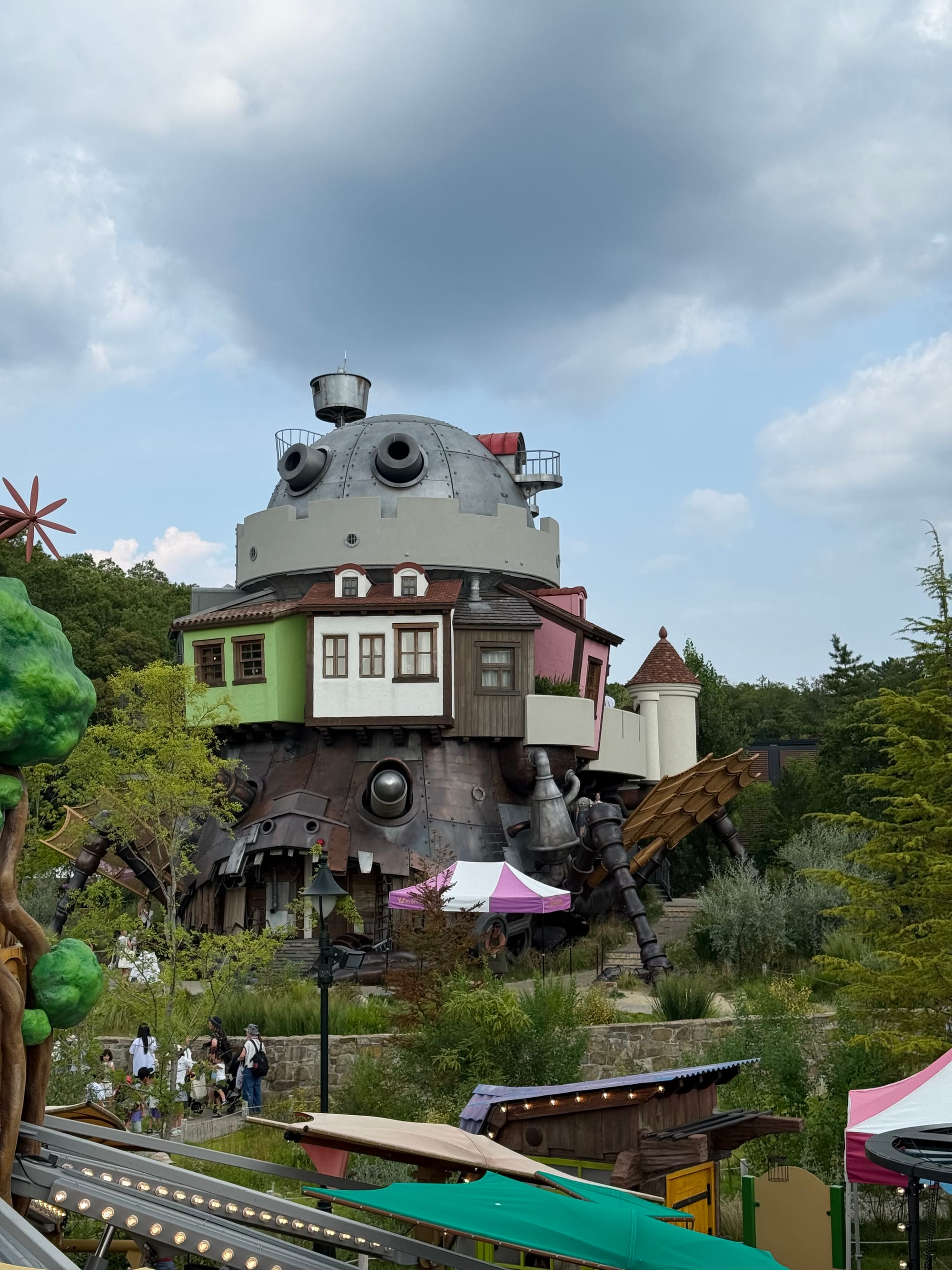
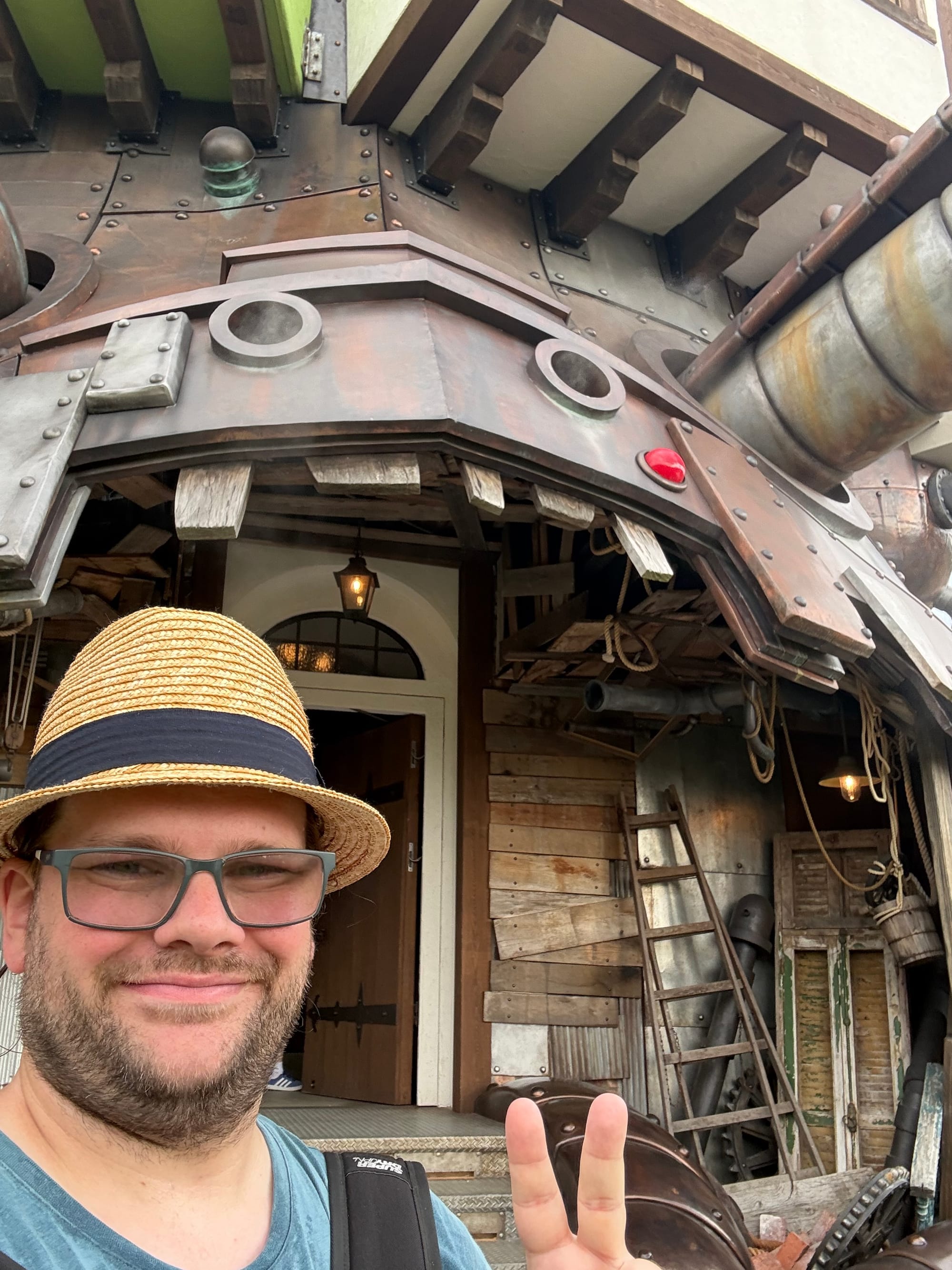
And they have Howls Moving Castle itself, but unfortunately you can't take any photo's of the inside, you can only take photo's of the outside. The eyes also move and there is smoke coming from it as well, just like in the movie.
Howl's Moving Castle dominates the Valley of Witches at Ghibli Park, bringing Studio Ghibli's iconic walking fortress to life with its extraordinary mix of machinery, architecture and fantasy.Posing outside Howl's Moving Castle in the Valley of Witches at Ghibli Park, standing before one of Studio Ghibli's most iconic and imaginative creations brought to life.
Mononoke Village
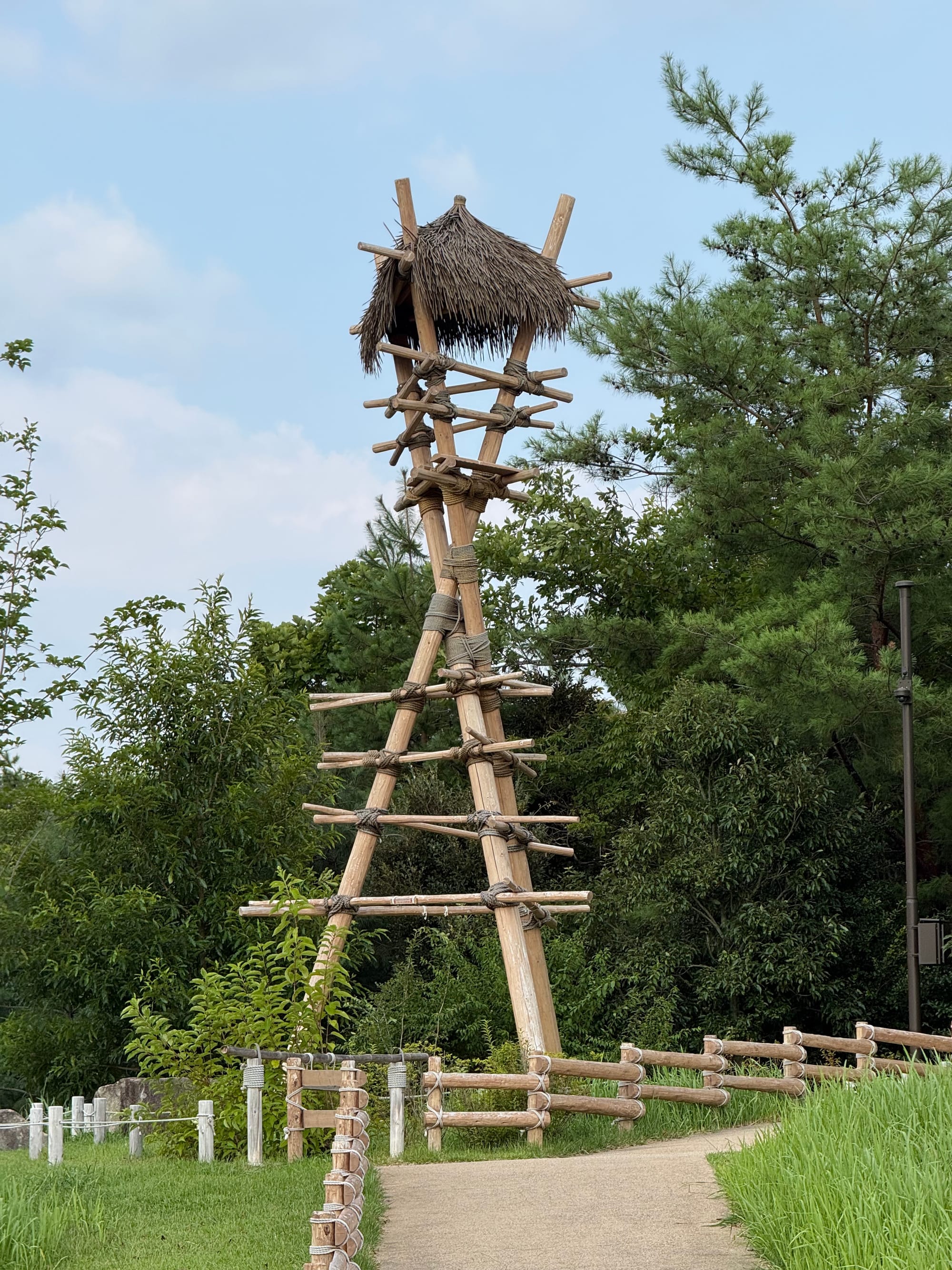
This part is well dedicated to the film Princess Mononoke. They have the watchtower from the village.
A watchtower inspired by Princess Mononoke stands within Ghibli Park, reflecting the rustic architecture and frontier atmosphere of the Iron Town region from Studio Ghibli's acclaimed fantasy epic.
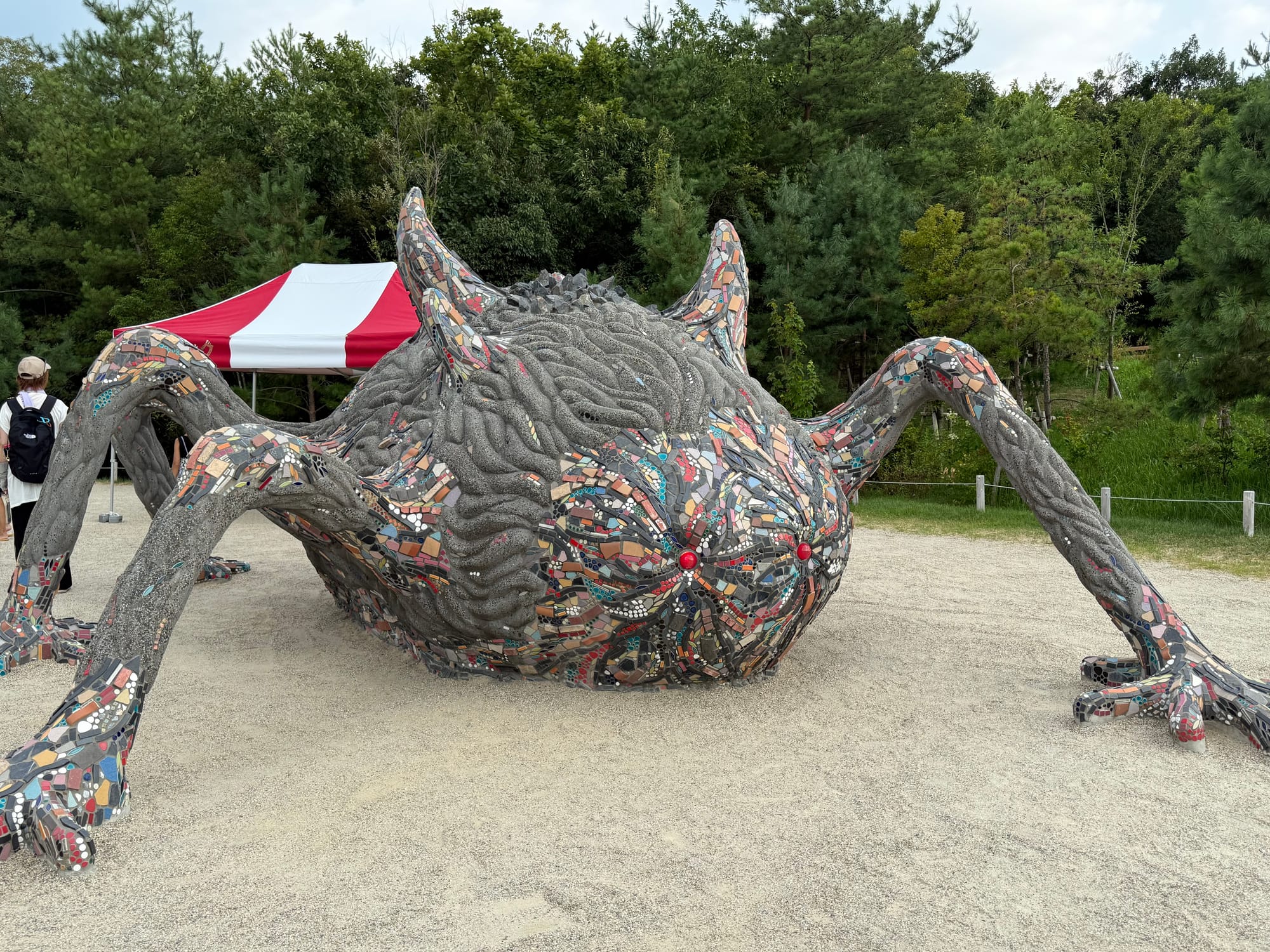
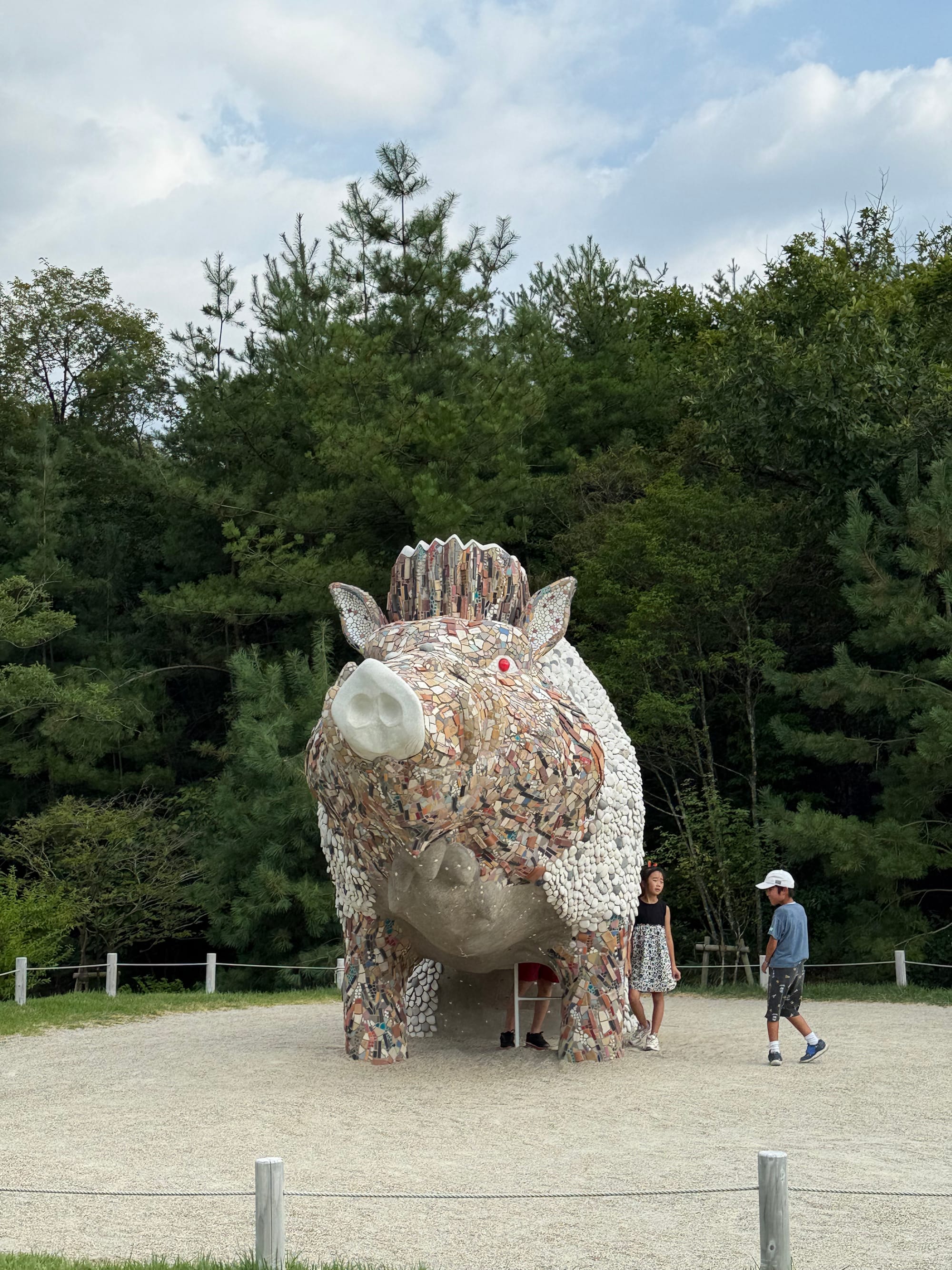
They also have a statue of the Demon that Nago turned into and a statue of Lord Hokoto from the movie as well, which you can climb on the back of.
A striking sculpture of the demon Nago from Princess Mononoke at Ghibli Park depicts the cursed boar god whose transformation sets the events of Studio Ghibli's epicA striking sculpture of Okkoto, the ancient boar god from Princess Mononoke, stands in Ghibli Park, celebrating one of the film's most powerful and memorable characters.
When I eventually got back to my hotel in the evening, it started to absolutely chuck it down and we had a bit of a thunderstorm. Just outside my room was an open interior walkway, which meant I could record it. I also got a quick recording from downstairs before I headed out for dinner, which was a nice Indian.
0:00
/0:26
Video of the rain from the open interior walkway, showing how intensely the rain is falling.
0:00
/0:19
A video of the heavy rain and storm from the ground floor, showing how intensely the rain in falling
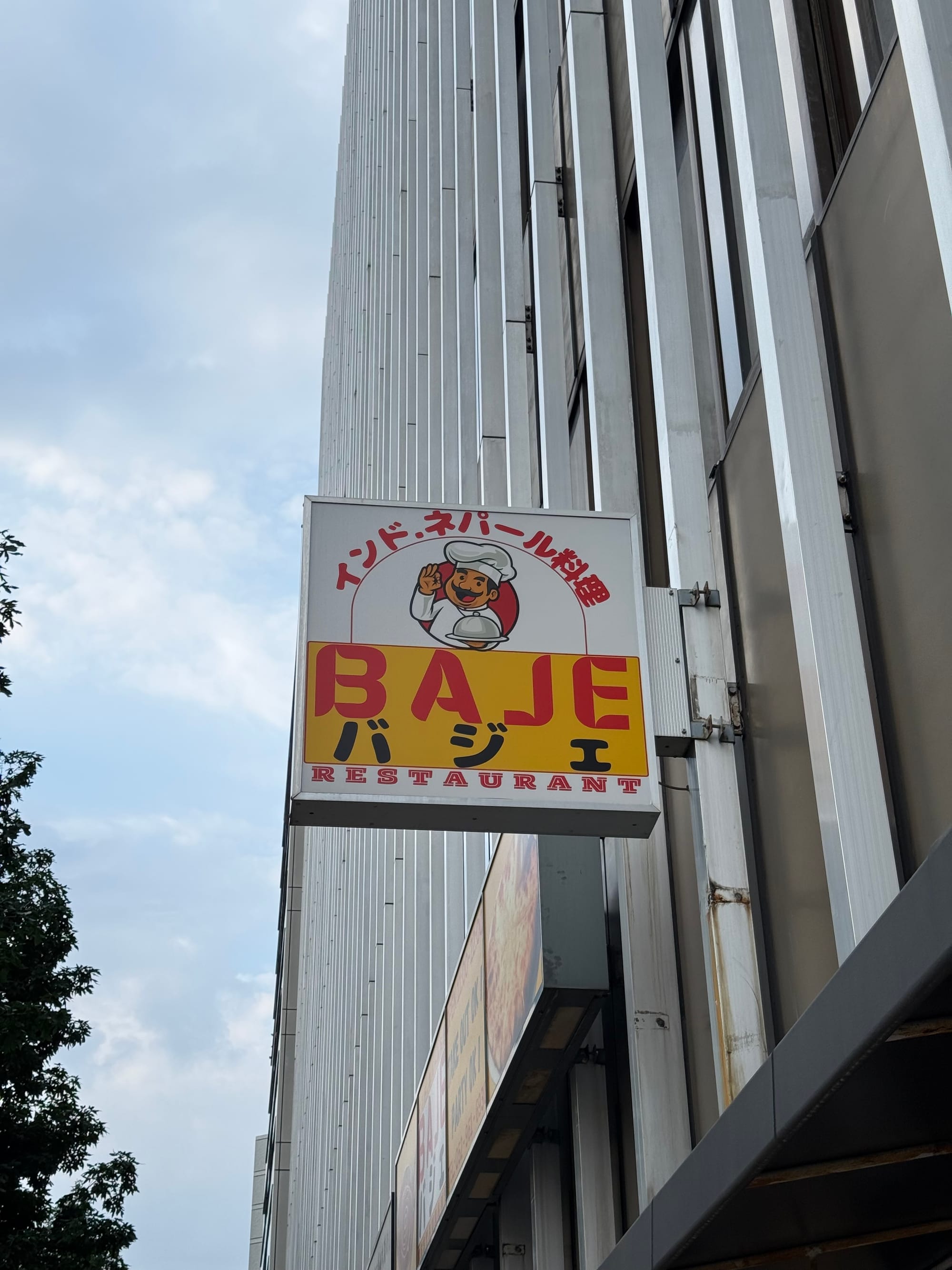
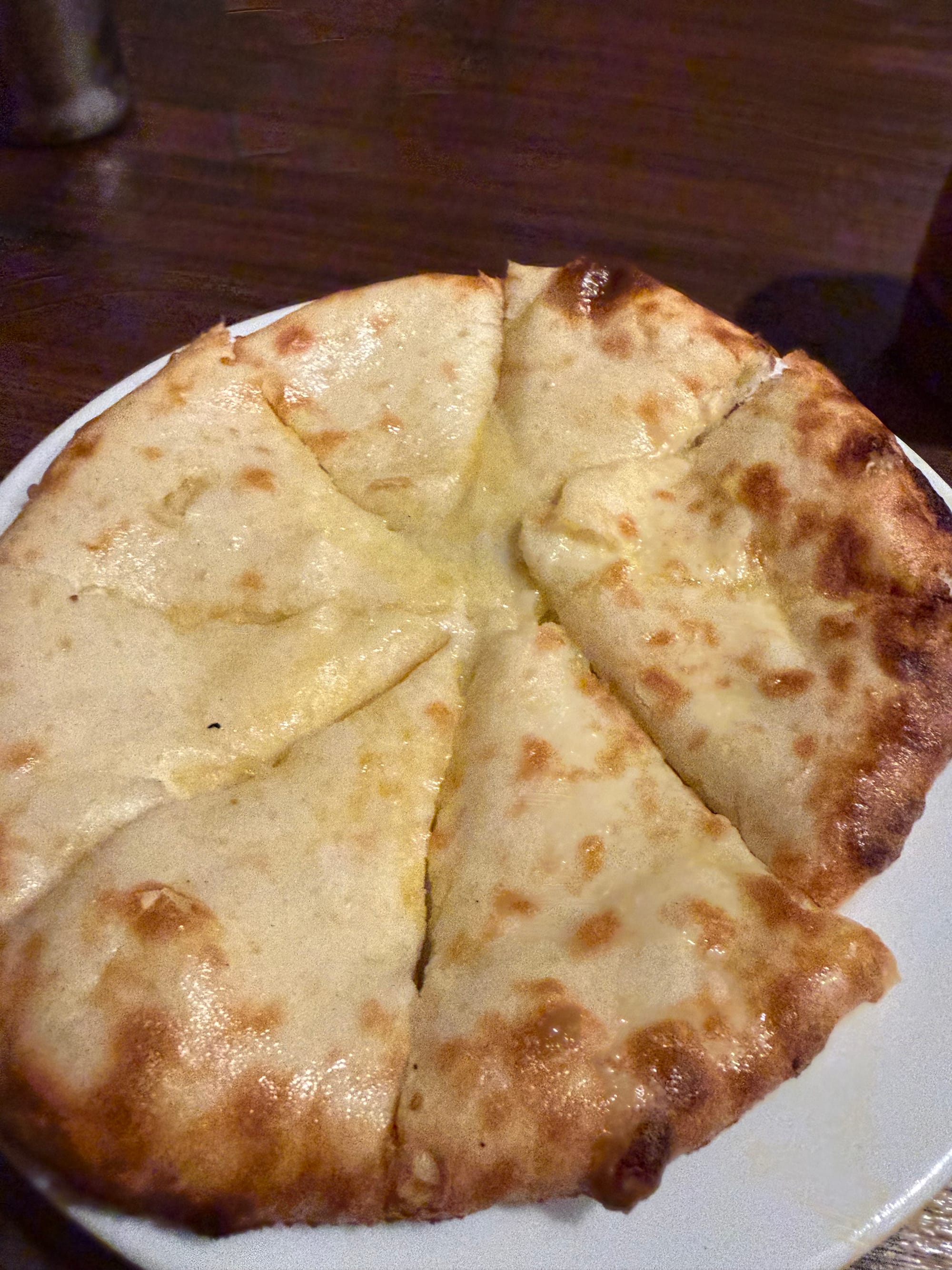
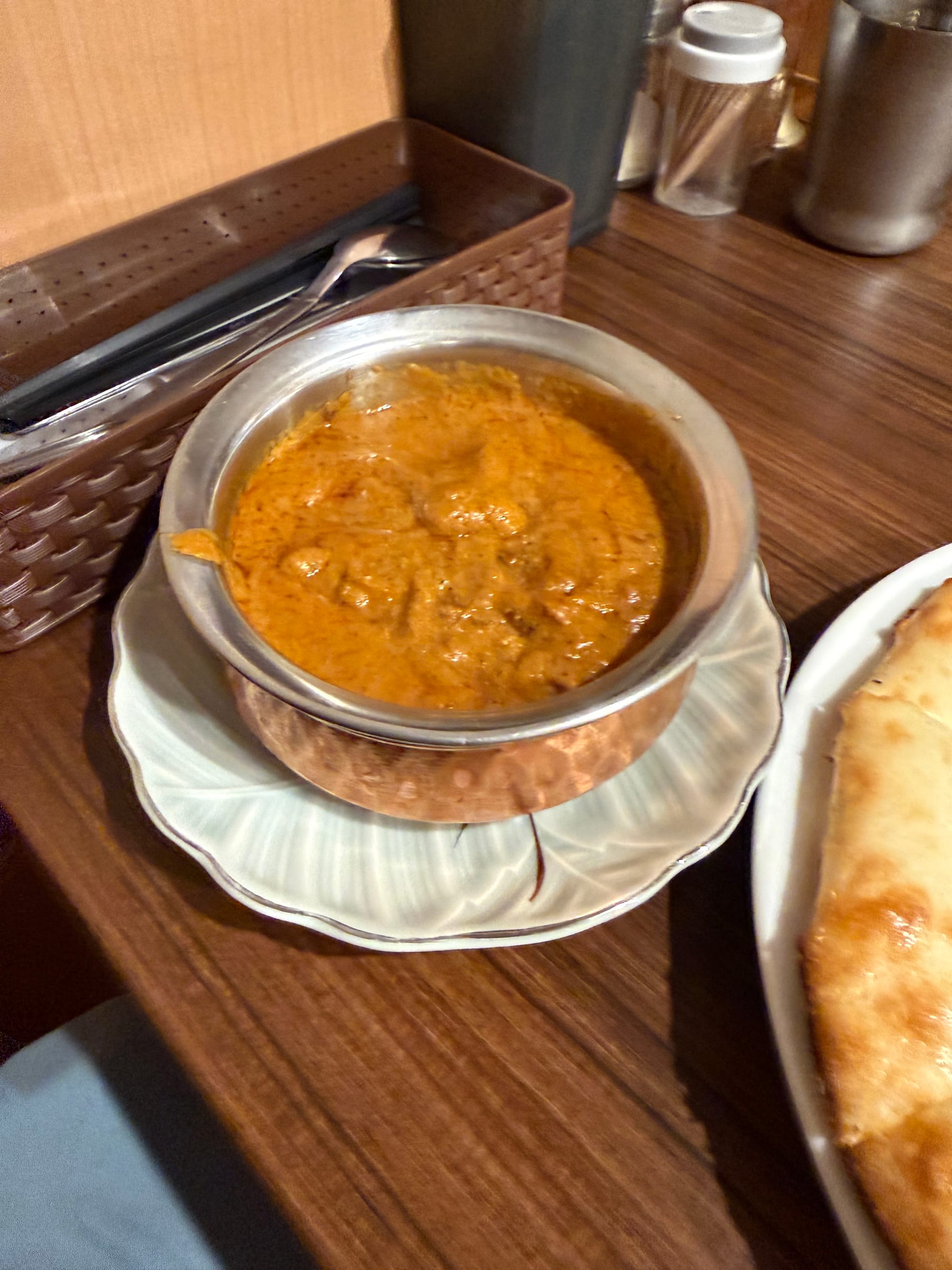
From the Indian, I ordered the Asian Set, which had vegetable spring roles, Cheese Nan (that looks a bit like a pizza), curry of my choice and chicken and seekh tikka. Now when they said, curry of your choice, I didn't realise they it was the full thing, a chicken tikka masala, which was more spicy then we get back in the UK, but it was absolutely delicious
The sign for Baje Restaurant in central Nagoya, a local Nepalese restaurant visited during an evening exploring the city's diverse international food scene.A freshly baked cheese naan served at Baje Restaurant in Nagoya, with melted cheese filling the soft bread and making the perfect accompaniment to a curry meal.A comforting chicken tikka masala at Baje Restaurant in Nagoya, with tender pieces of chicken in a rich, mildly spiced sauce, enjoyed alongside freshly baked cheese naan.
Suzuka Circuit
3rd August
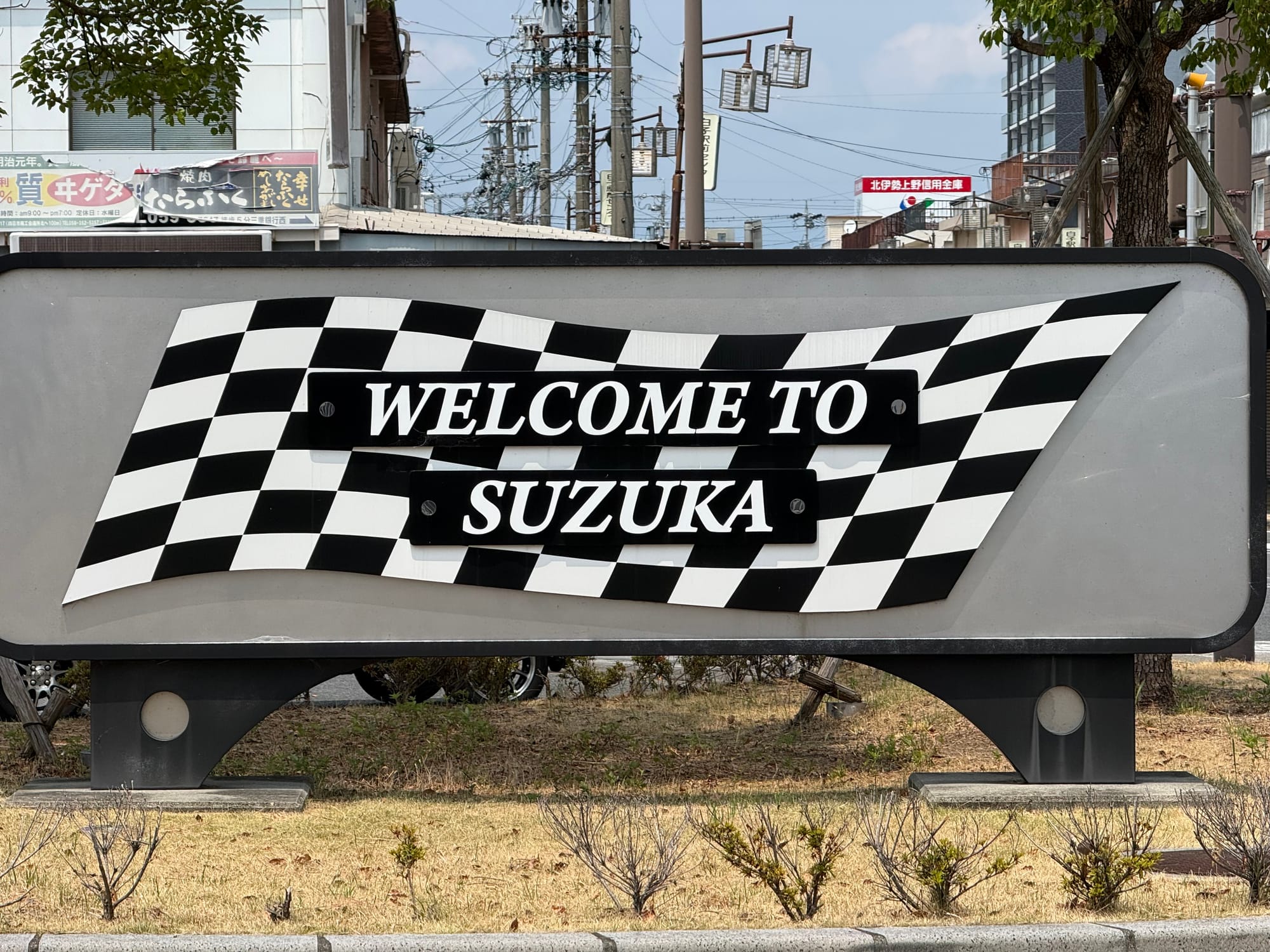
Today is the day I go to another theme park, but also is a racing circuit, which hosts the F1 Japan race. That theme park is Suzuka Circuit park.
Arriving in Suzuka, Japan's most famous motorsport city, where the chequered flag-themed welcome sign celebrates the city best known for the legendary Suzuka Circuit and the Japanese Grand Prix.
While the park there is more aims towards families, I still enjoyed myself and got to go on some amazing rides. There is also a bit called Pipira's Moto Field, where you child learn to ride a mini motorbike or drive mini car.
My favourite ride, was one called ene-1, where the aim is to finish the 400 metre circuit with only 100 metres worth of energy, I made it to 350, which I was quite happy with as having others with you is a bonus as they can help with replenishing energy. I wasn't able to get a photo of this ride, but it was good fun.
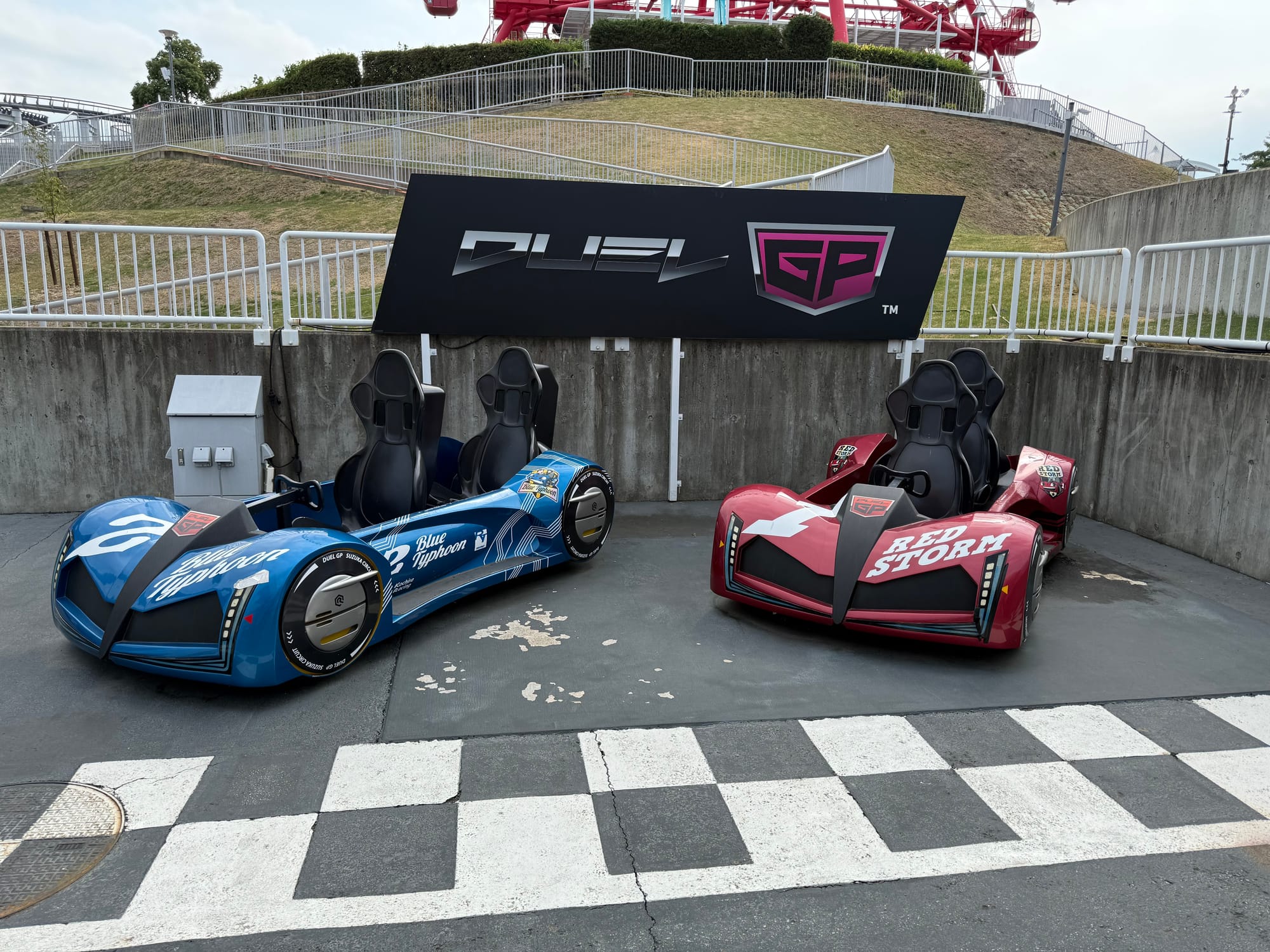
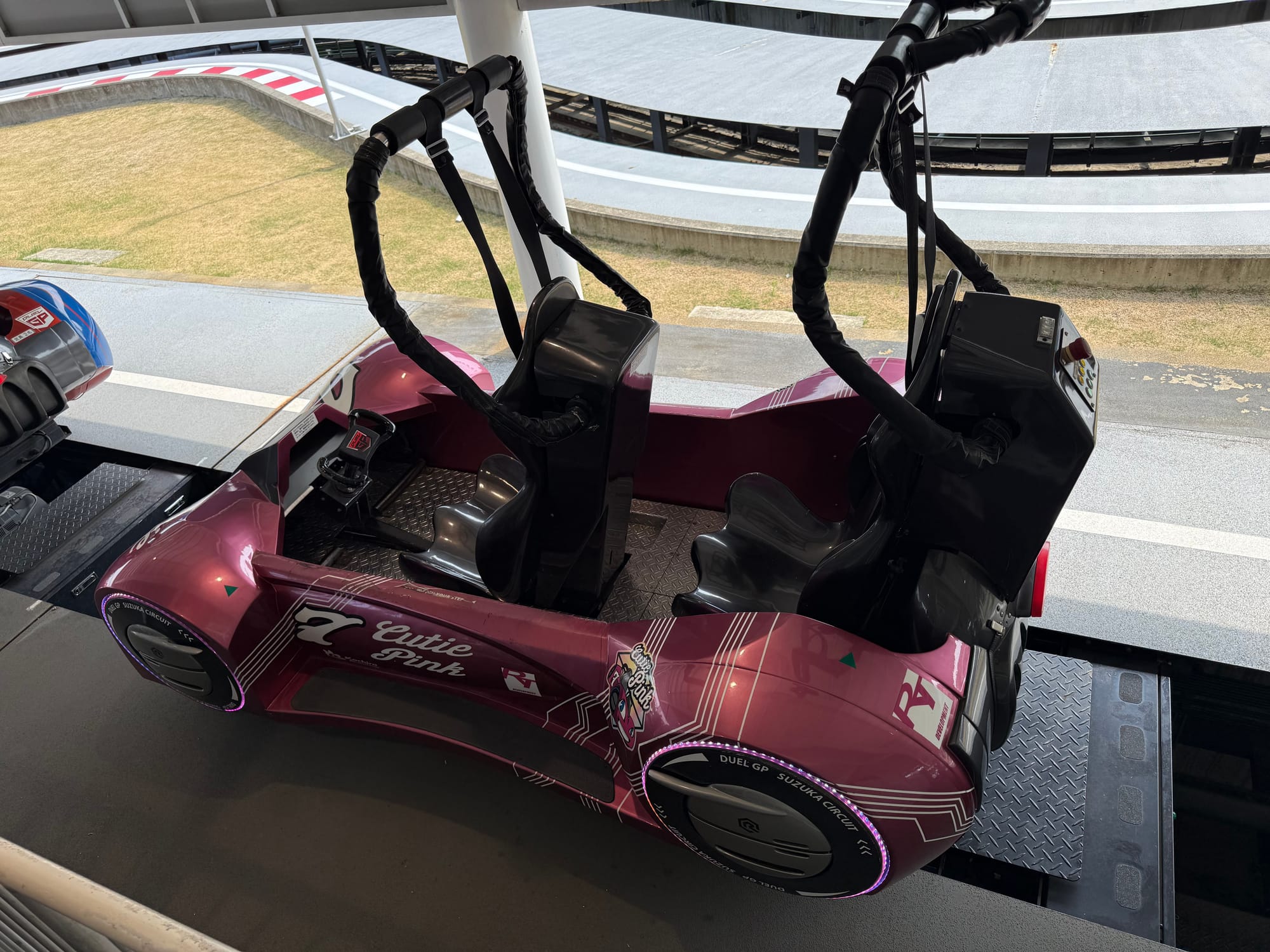
Another one I enjoyed was Duel GP, which is where you and another person race around a mock-up of Suzuka Circuit, but there are no accelerators or brakes in the car, so how do you race you might be wondering? Well, it is by drifting, you drift the cars on the track round the corner, but if you go too far, your car spins and you loose time.
Dual GP at Suzuka Circuit Park lets riders race head-to-head in futuristic electric vehicles, bringing a competitive motorsport experience to Japan's most famous racing destination.Cutie Pink, one of the themed vehicles used on the Dual GP attraction at Suzuka Circuit Park, combines interactive controls and racing action in a family-friendly motorsport experience.
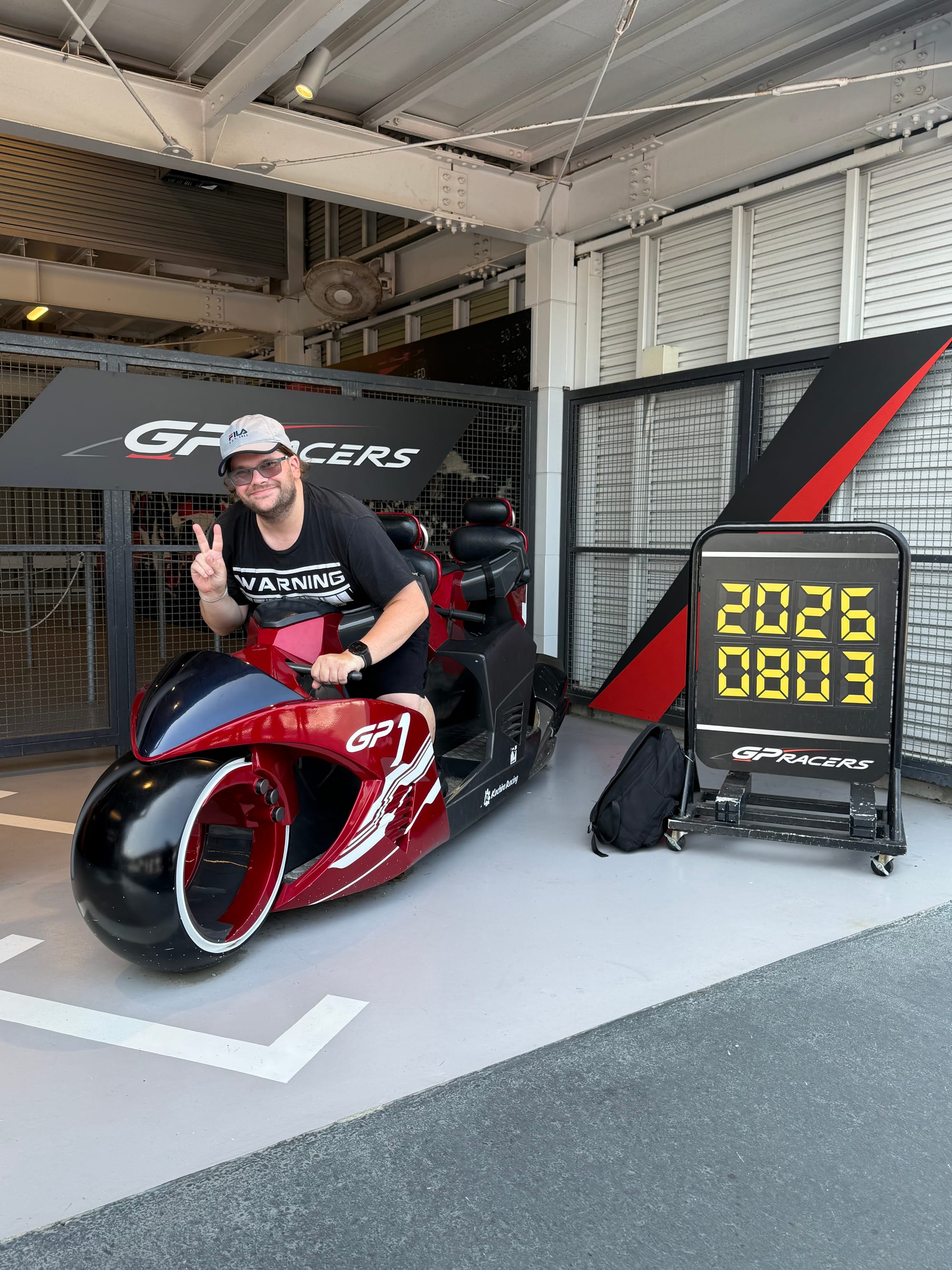
Another ride I went on was called GP Races, where you get on a motorbike and go round a track, which is trying to mimic the forces that a GP racer would experience, it was good to be honest, although it wasn't the most comfortable for me.
Trying the GP Racers attraction at Suzuka Circuit Park, competing on a motorcycle racing simulator at Japan's most famous motorsport venue.
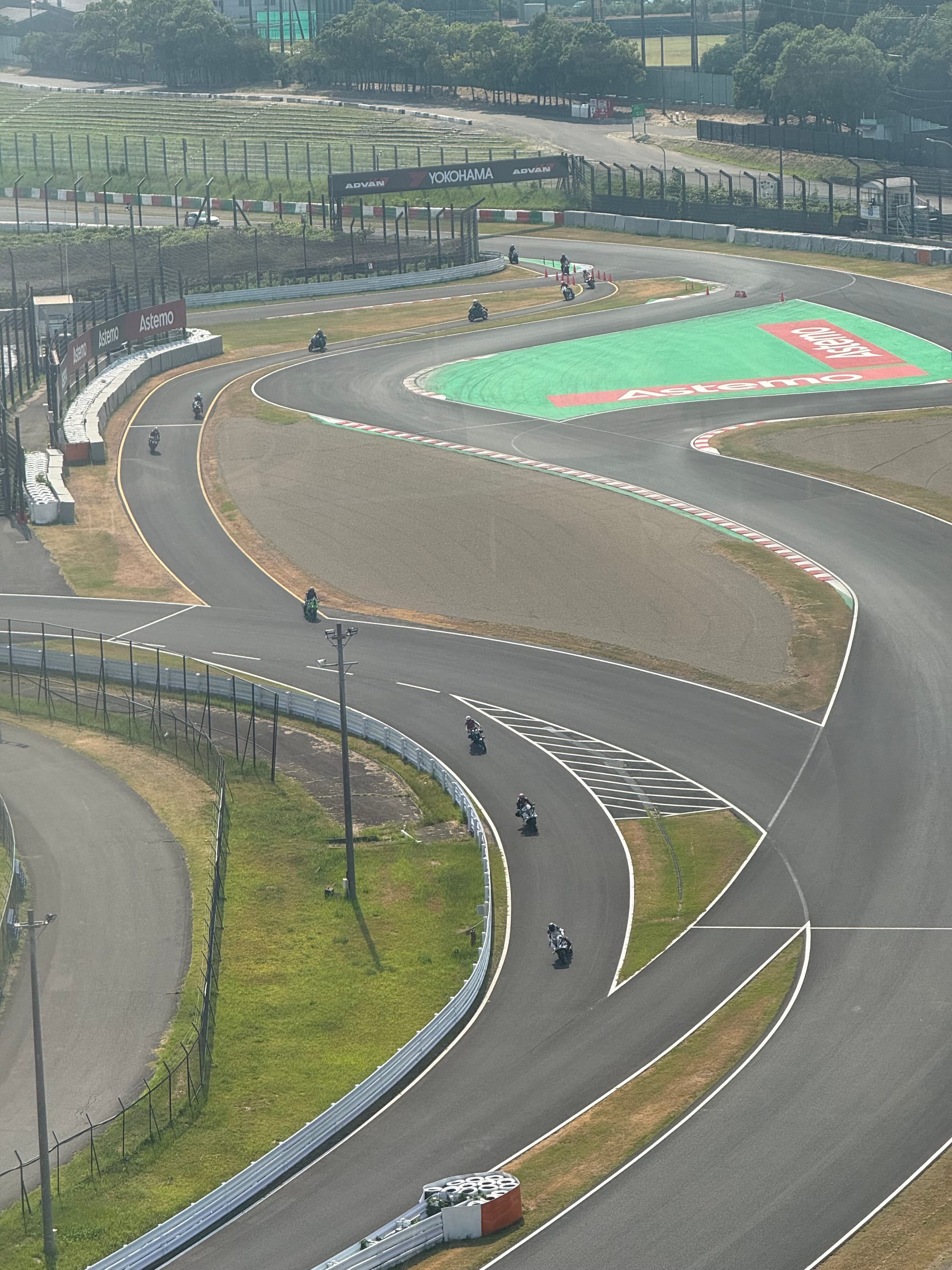
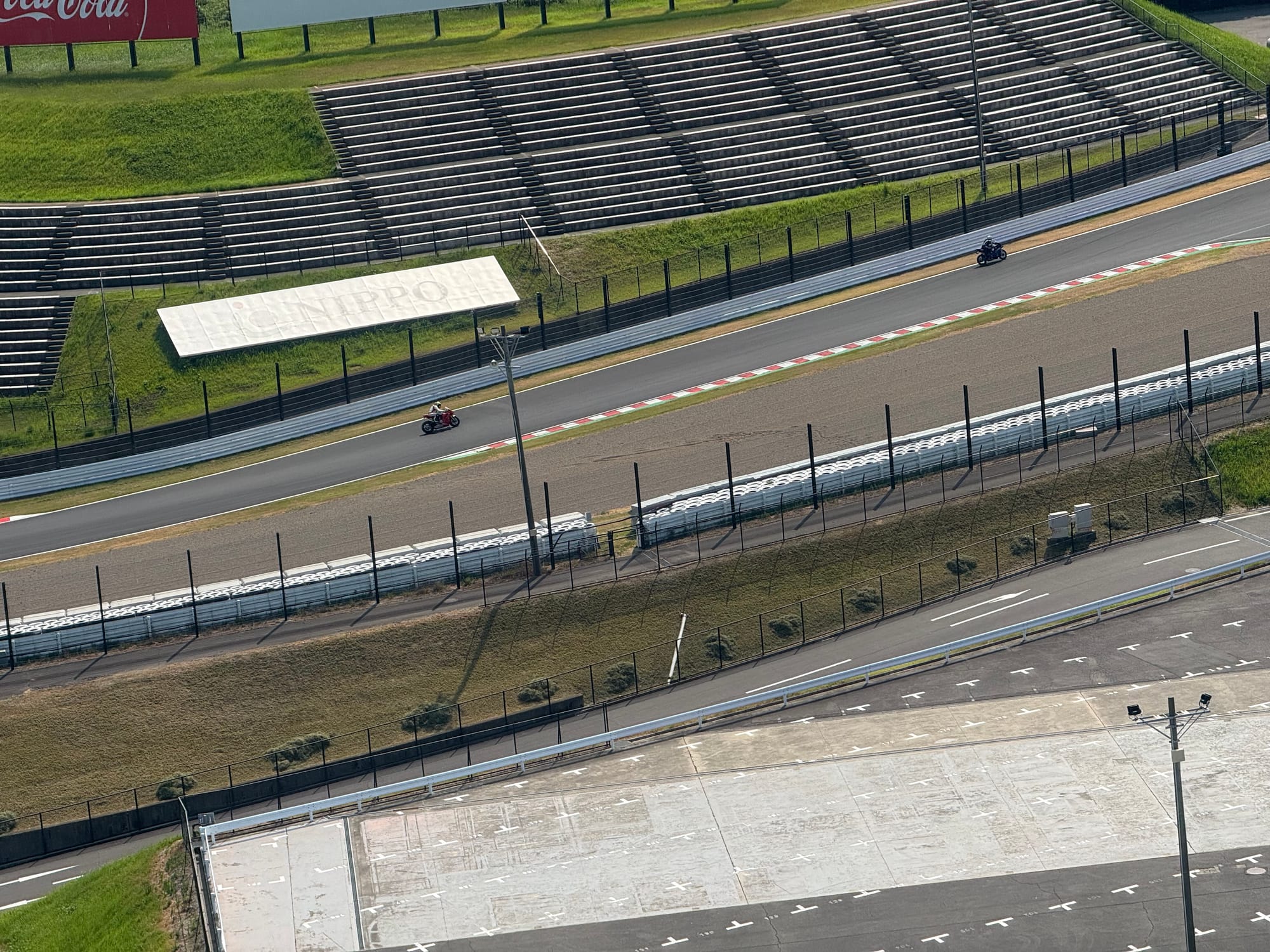
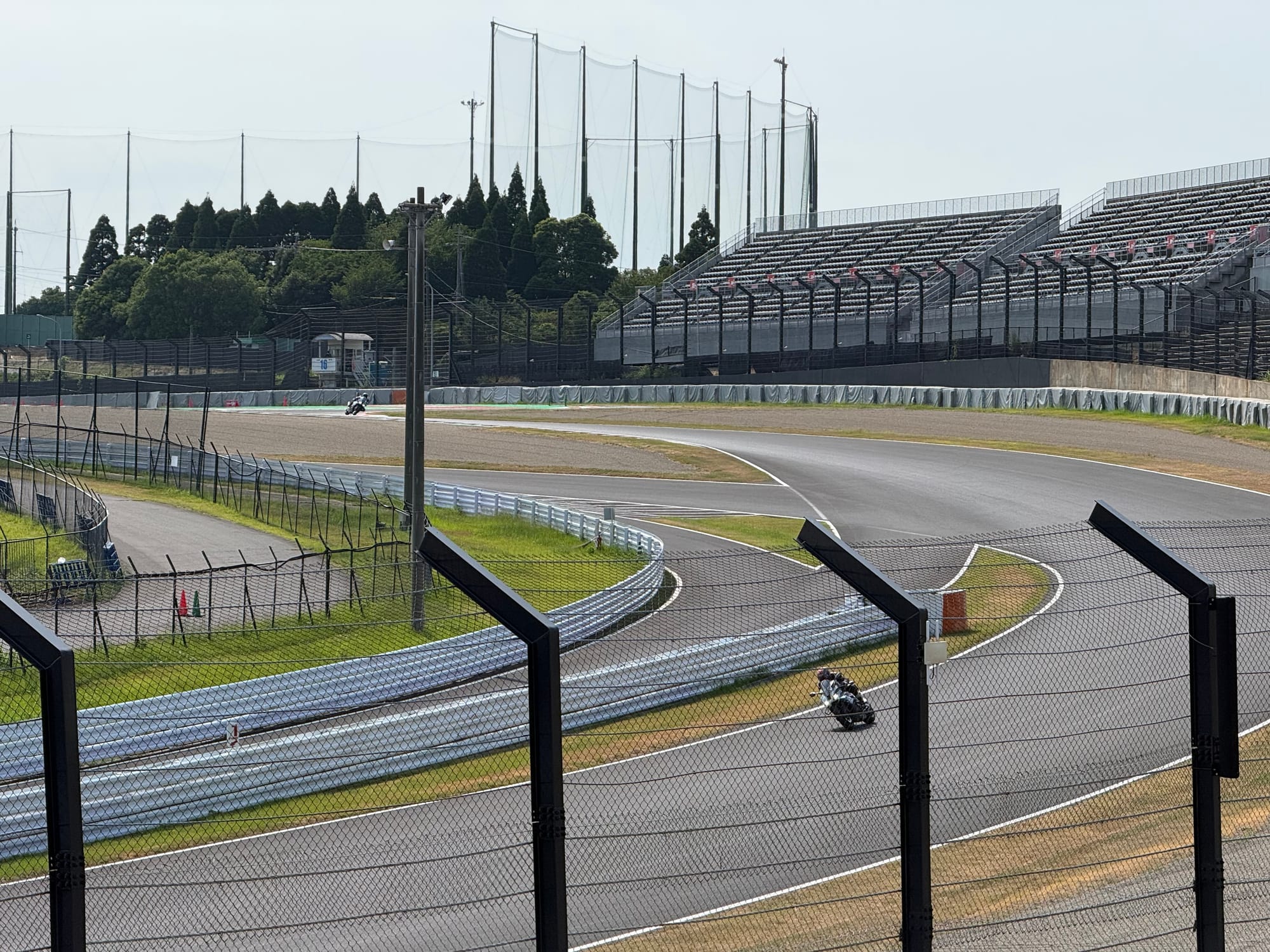
I wanted to also do another thing here called the circuit challenger, where you get to take a go kart on the actual track, but I was out of luck as there was a two wheeler practice session on today, but i did manage to get some photo's and a video of some of the bike from the ferris wheel and the stands.
A two-wheel practice session at Suzuka Circuit, with motorcyclists honing their skills on one of the world's most famous racing circuits and tackling its challenging sequence of corners.Motorcyclists take part in a two-wheel practice session at Suzuka Circuit, using one of the world's most famous racing venues to develop their skills and experience the legendary track.Motorcyclists take part in a two-wheel practice session at Suzuka Circuit, negotiating one of the track's sweeping corners while honing their skills at Japan's legendary motorsport venue.
0:00
/0:08
Video of a motorbike going past in the two-wheeler practice session at Suzuka Circuit
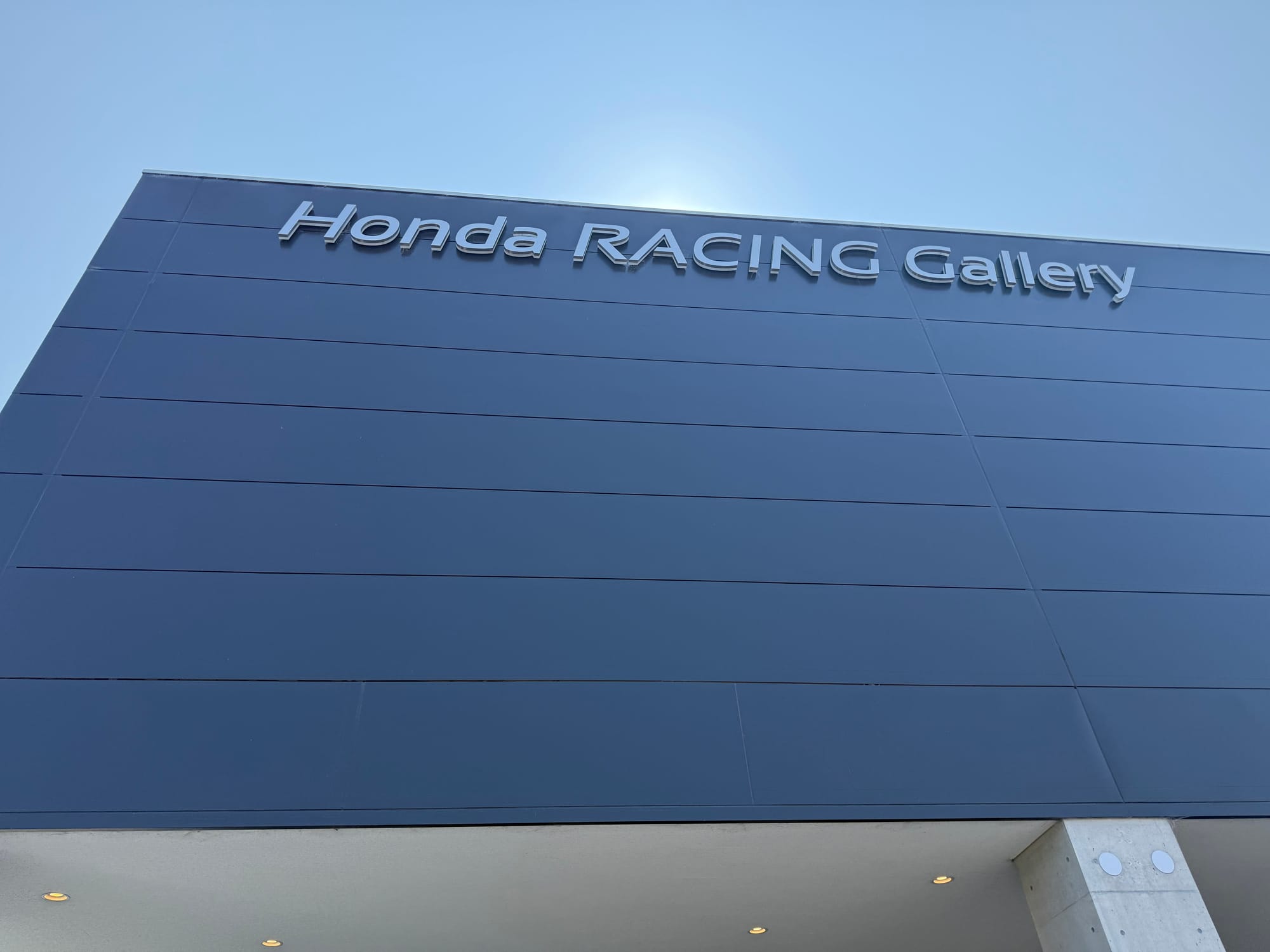
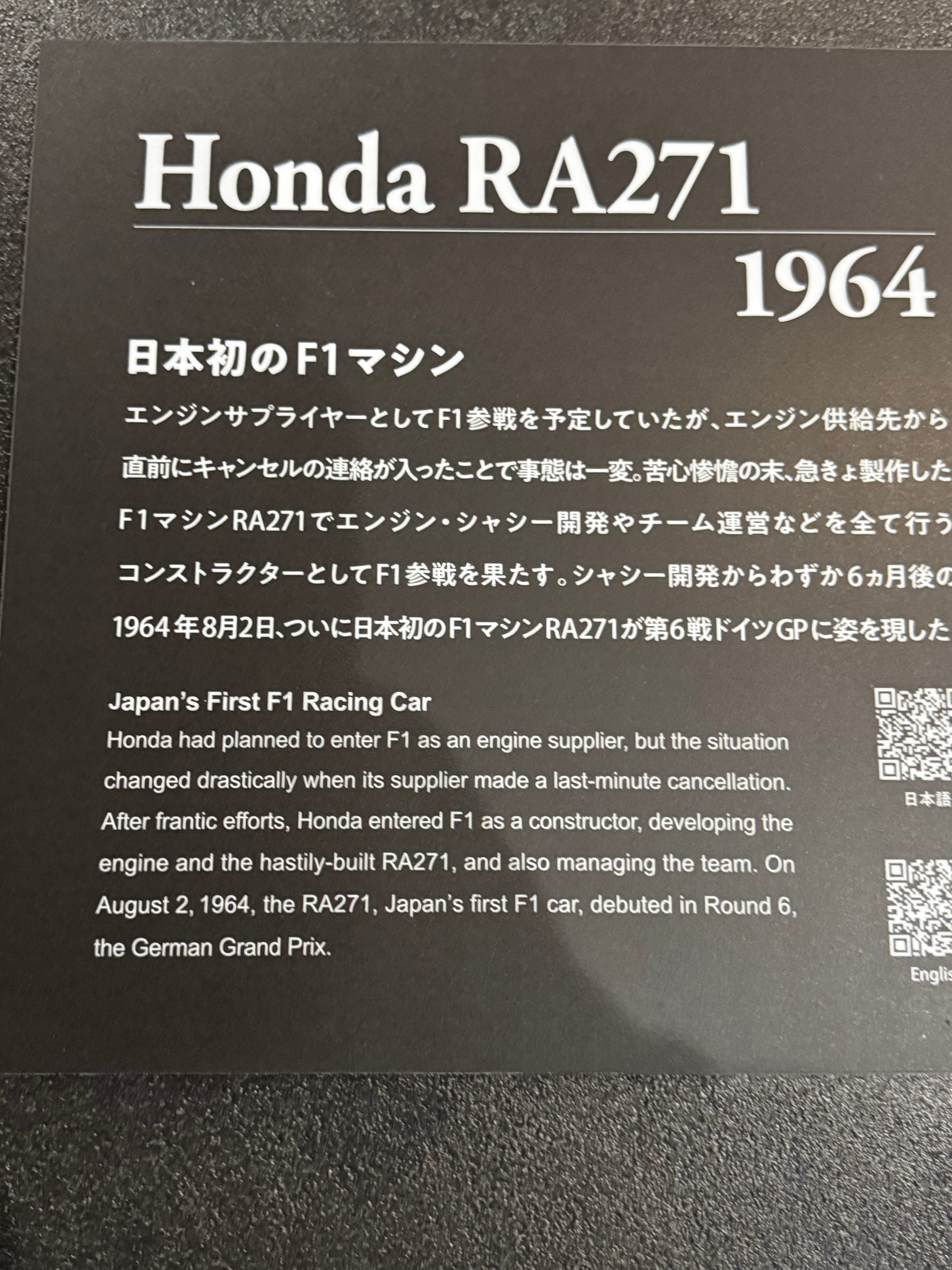
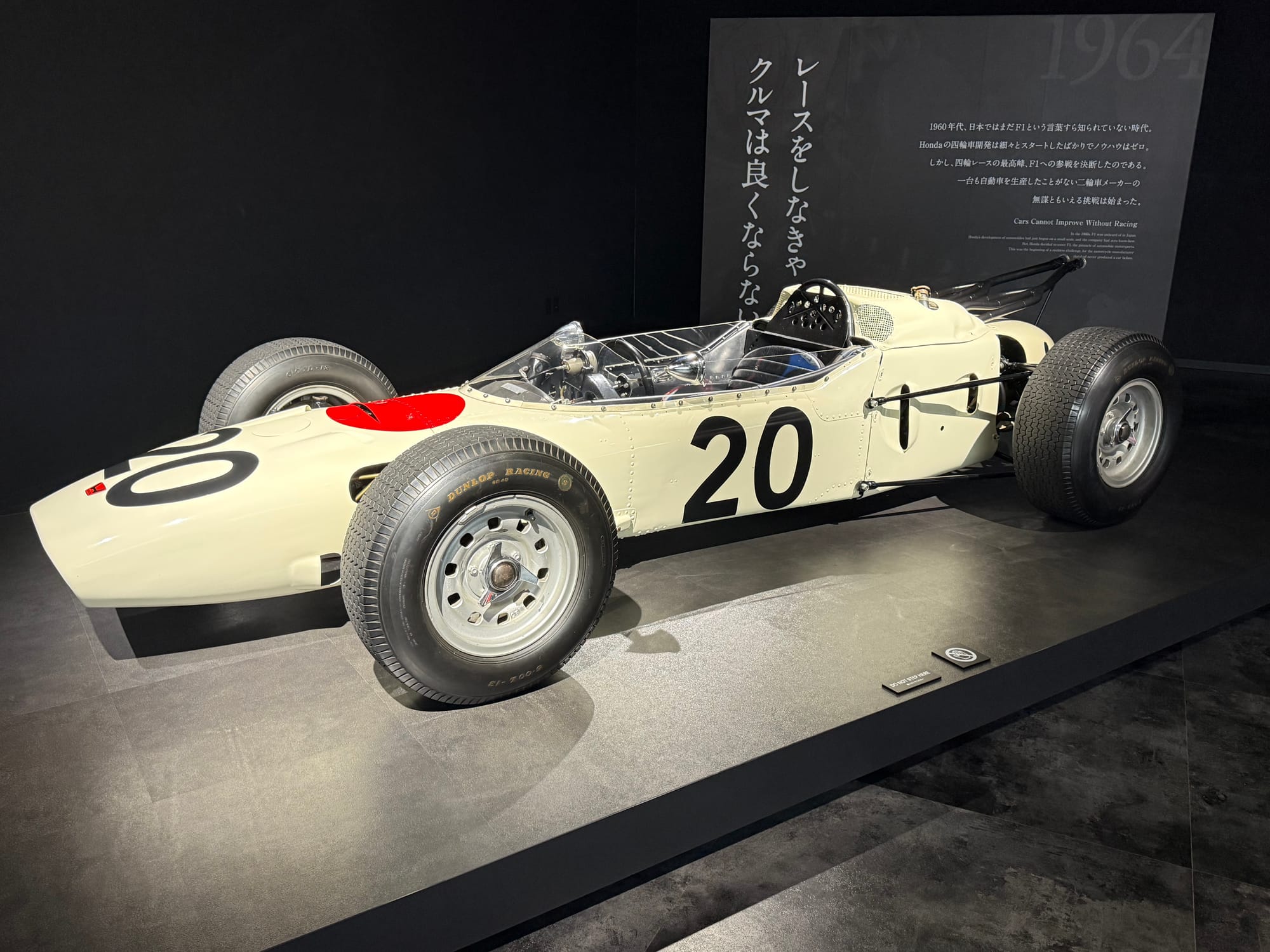
I also entered the Honda Racing Gallery, which was really good and interesting. Especially as i didn't know that when Honda entered the F1 in 1964, they were just supposed to be an engine supplier, but after the company they were supplied pulled out at the last minute, Honda decided to enter with their own car
The Honda Racing Gallery at Suzuka Circuit showcases Honda's rich motorsport heritage, displaying legendary racing motorcycles, Formula One cars and championship-winning machines from across the company's history.An exhibit on the Honda RA271 at the Honda Racing Gallery tells the story of Japan's first Formula One car, which made its Grand Prix debut in 1964 and marked Honda's entry into top-level motorsport as a constructor.The Honda RA271, displayed at the Honda Racing Gallery at Suzuka Circuit, was Japan's first Formula One car and marked Honda's debut as an F1 constructor when it entered the 1964 German Grand Prix.
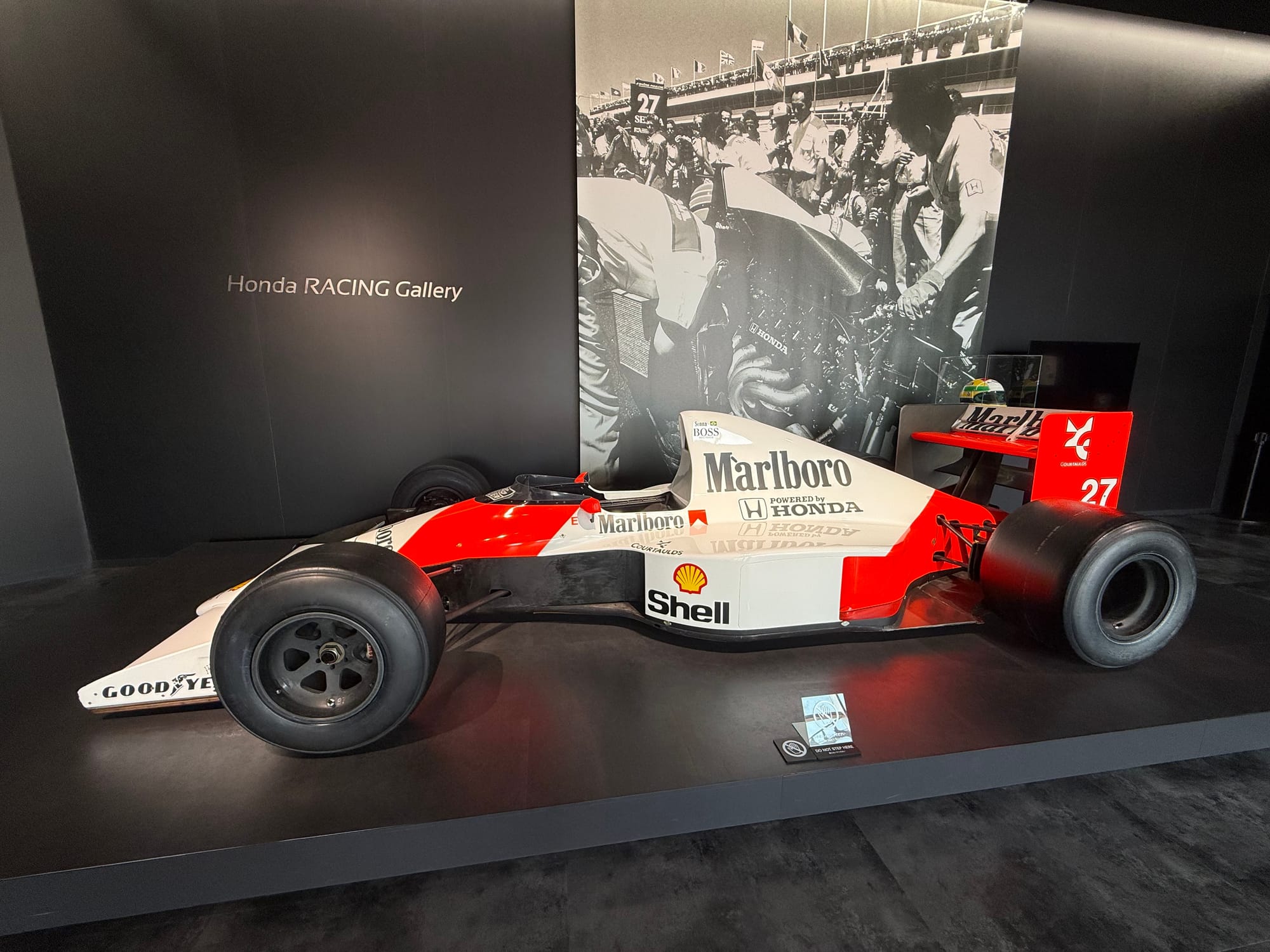
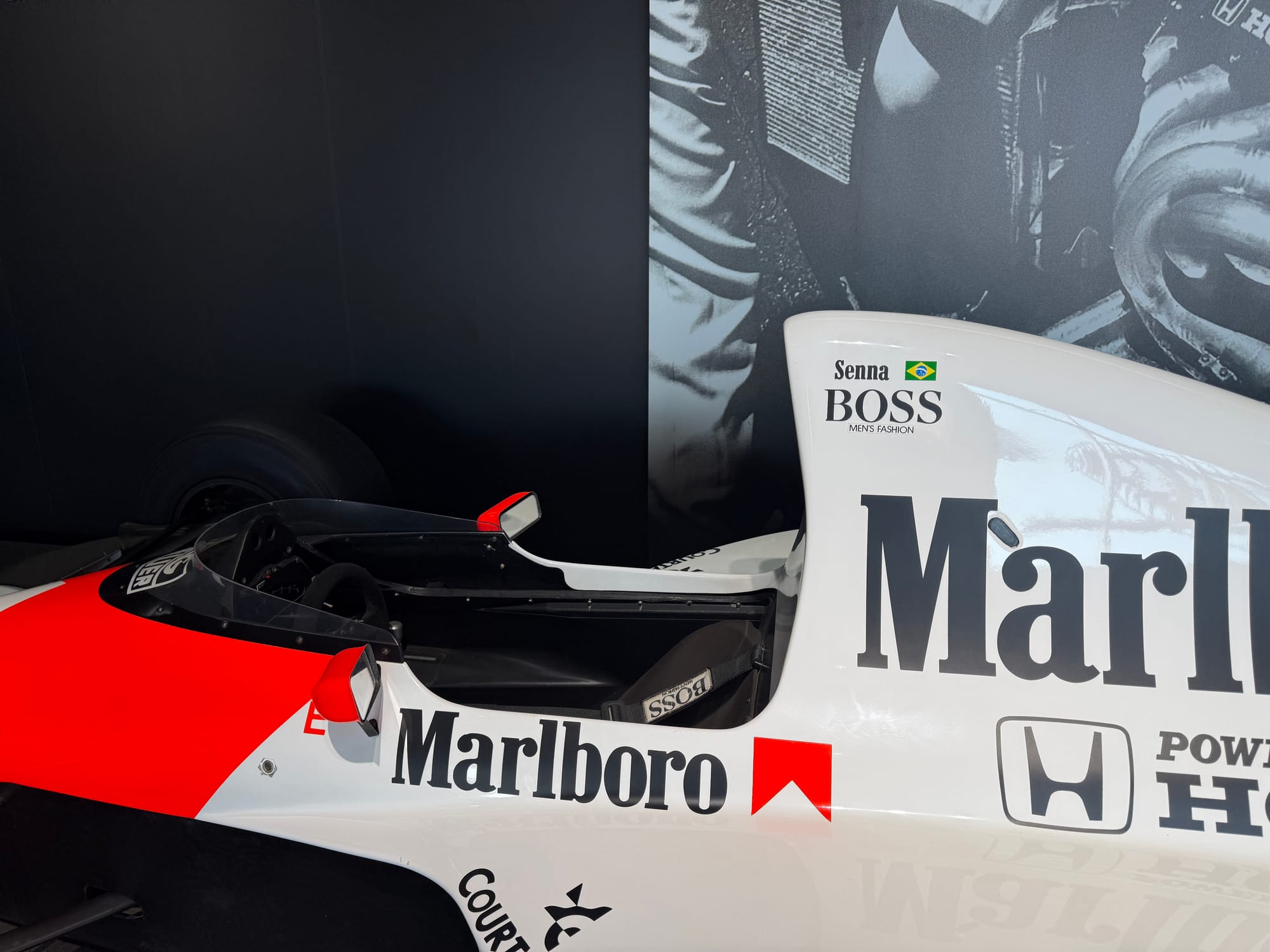
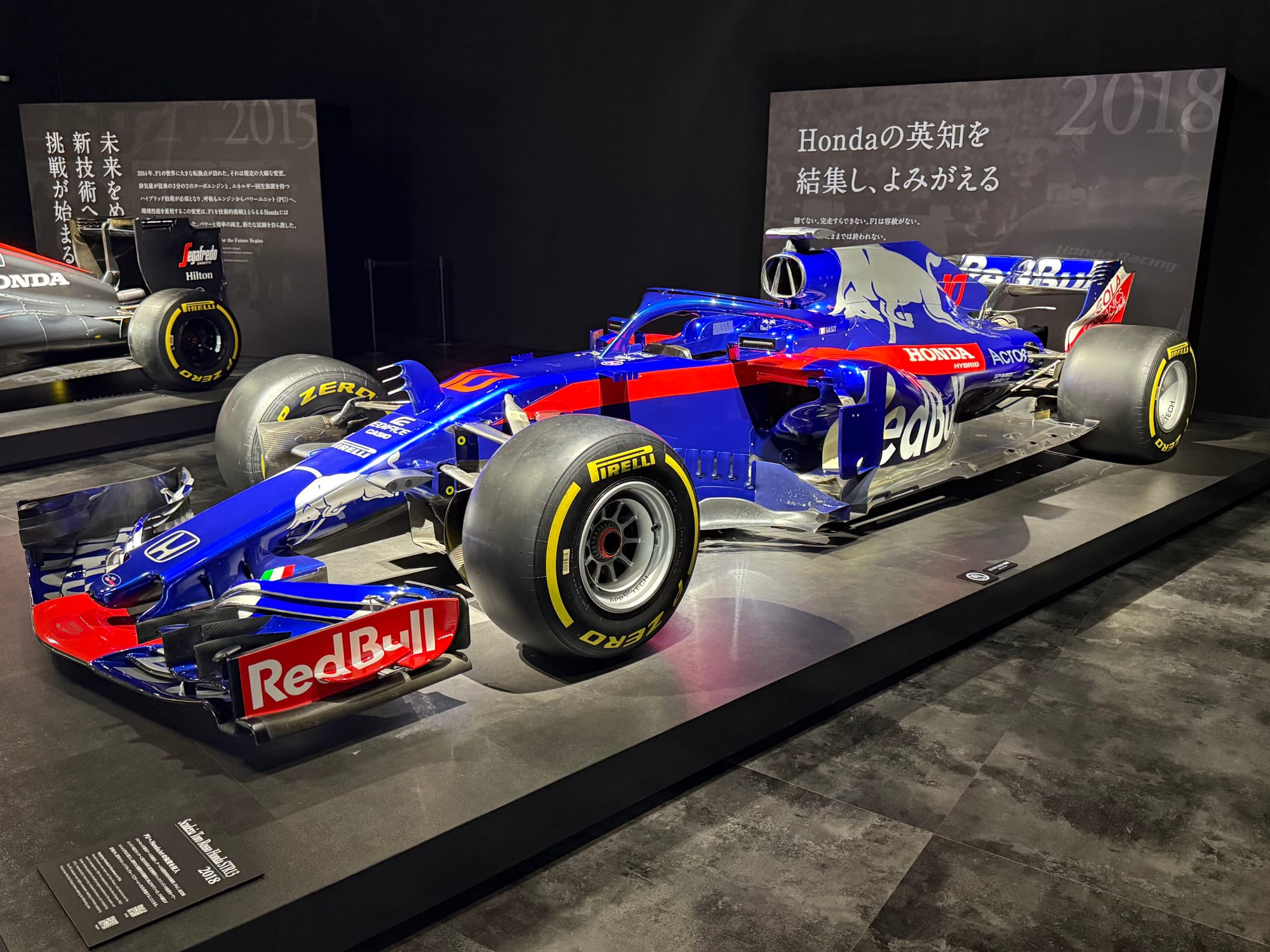
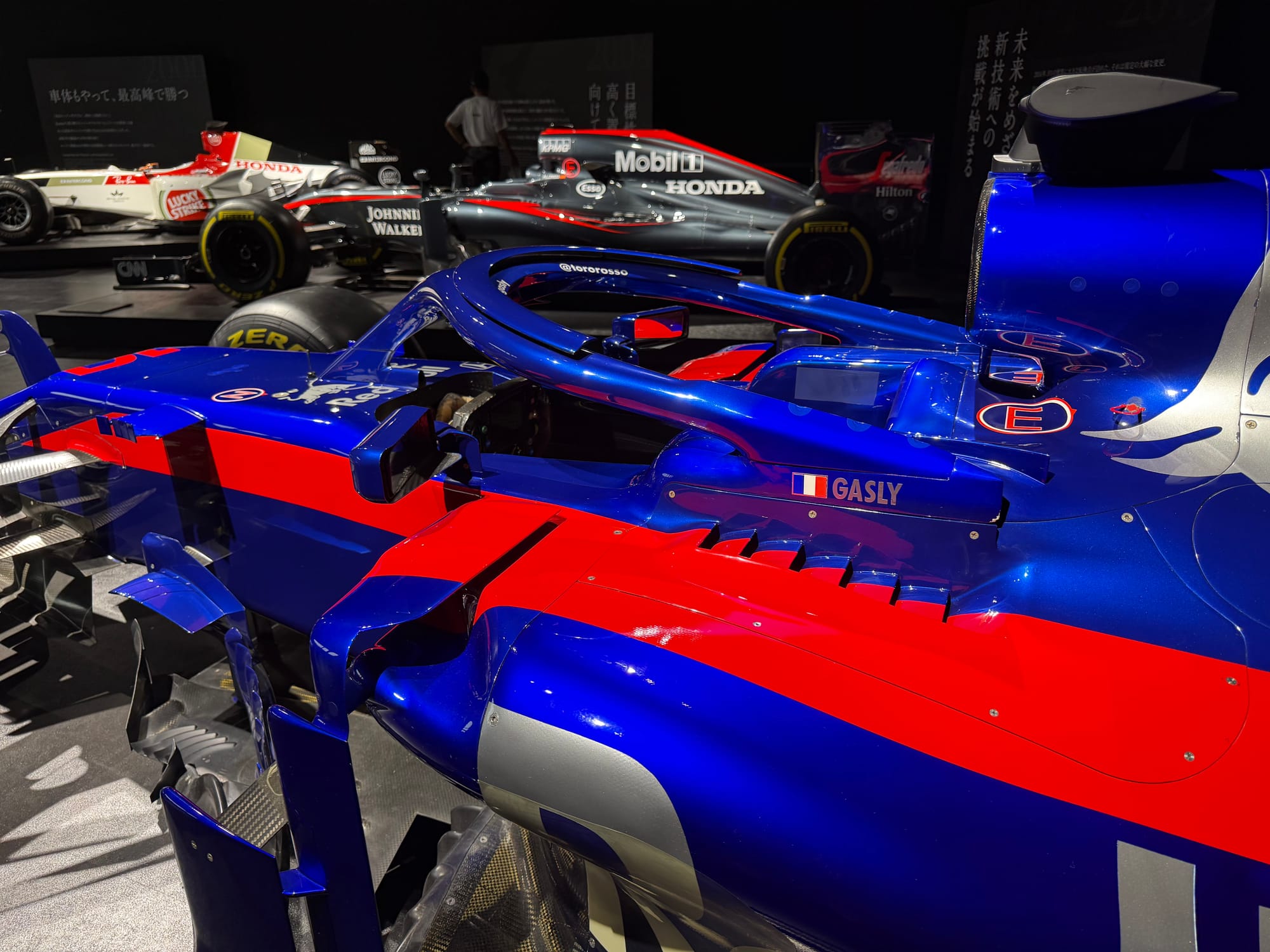
They had many cars in there from over the years, including ones that were driven by Pierre Gasly in 2018 and also Senna back in 1990s.
The McLaren-Honda MP4/6 on display at the Honda Racing Gallery represents the car driven by Ayrton Senna during the 1991 Formula One World Championship season, when he secured his third and final world title with Honda power.A close-up view of Ayrton Senna's McLaren-Honda MP4/6 at the Honda Racing Gallery, highlighting the cockpit of the car in which Senna secured his third Formula One World Championship in 1991.The Scuderia Toro Rosso STR13 marked Honda's return to competitiveness in Formula One during the 2018 season, laying the foundations for the successful Honda and Red Bull partnership that would follow in subsequent years.The Scuderia Toro Rosso STR13 represented the start of Honda's renewed Formula One partnership with Toro Rosso in 2018. Driven by Pierre Gasly and Brendon Hartley, it helped pave the way for Honda's later success with Red Bull Racing.
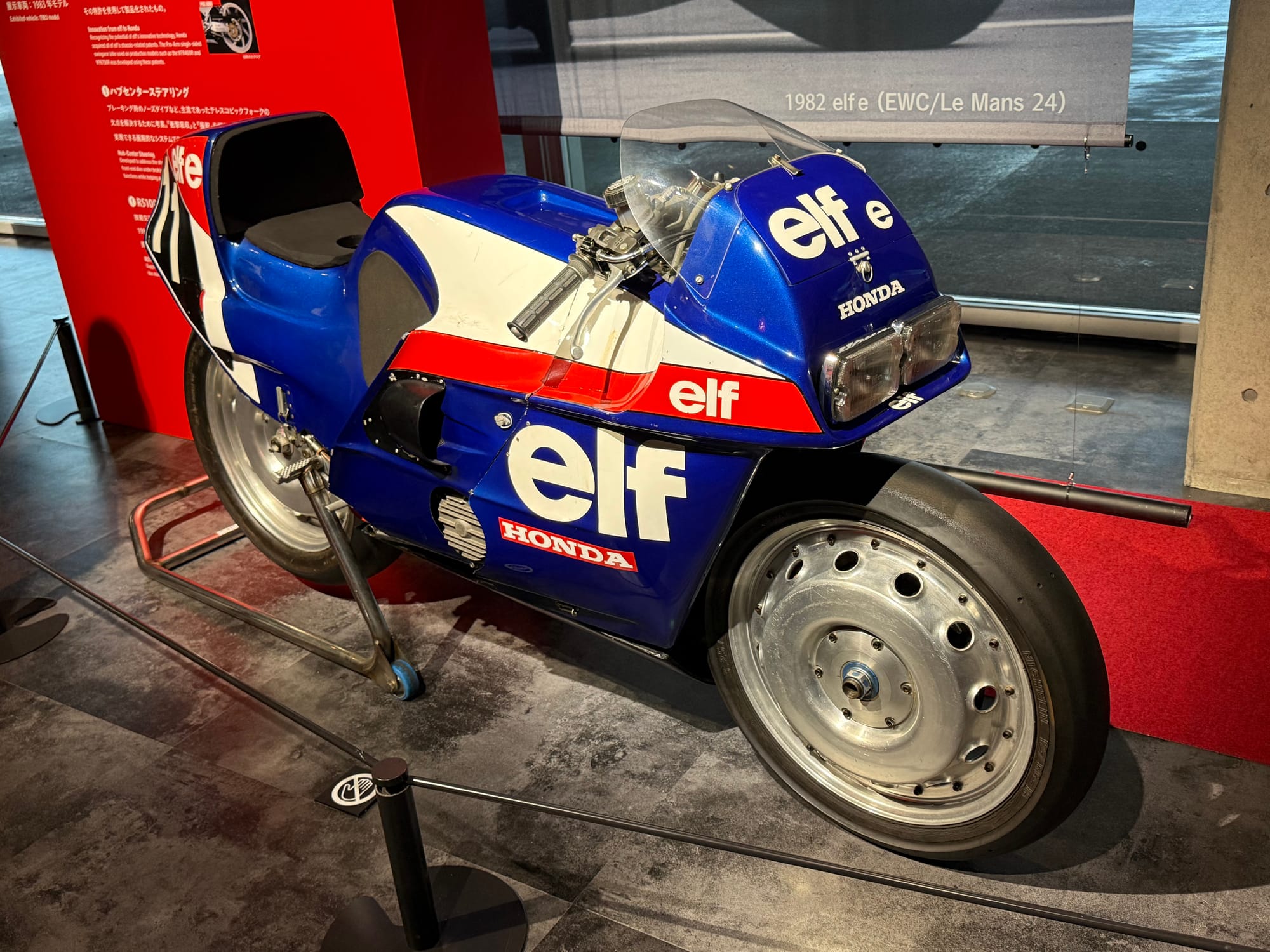
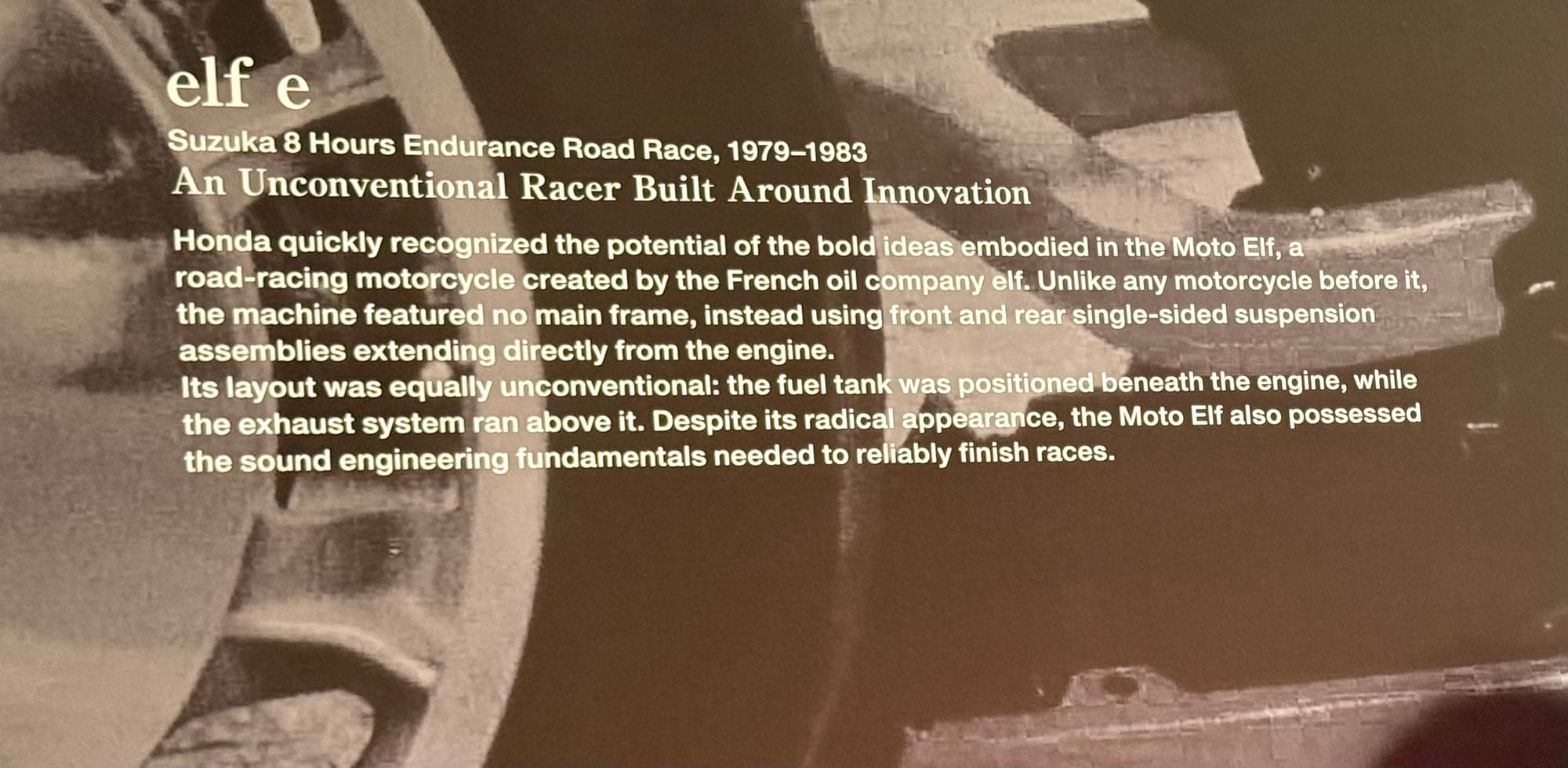
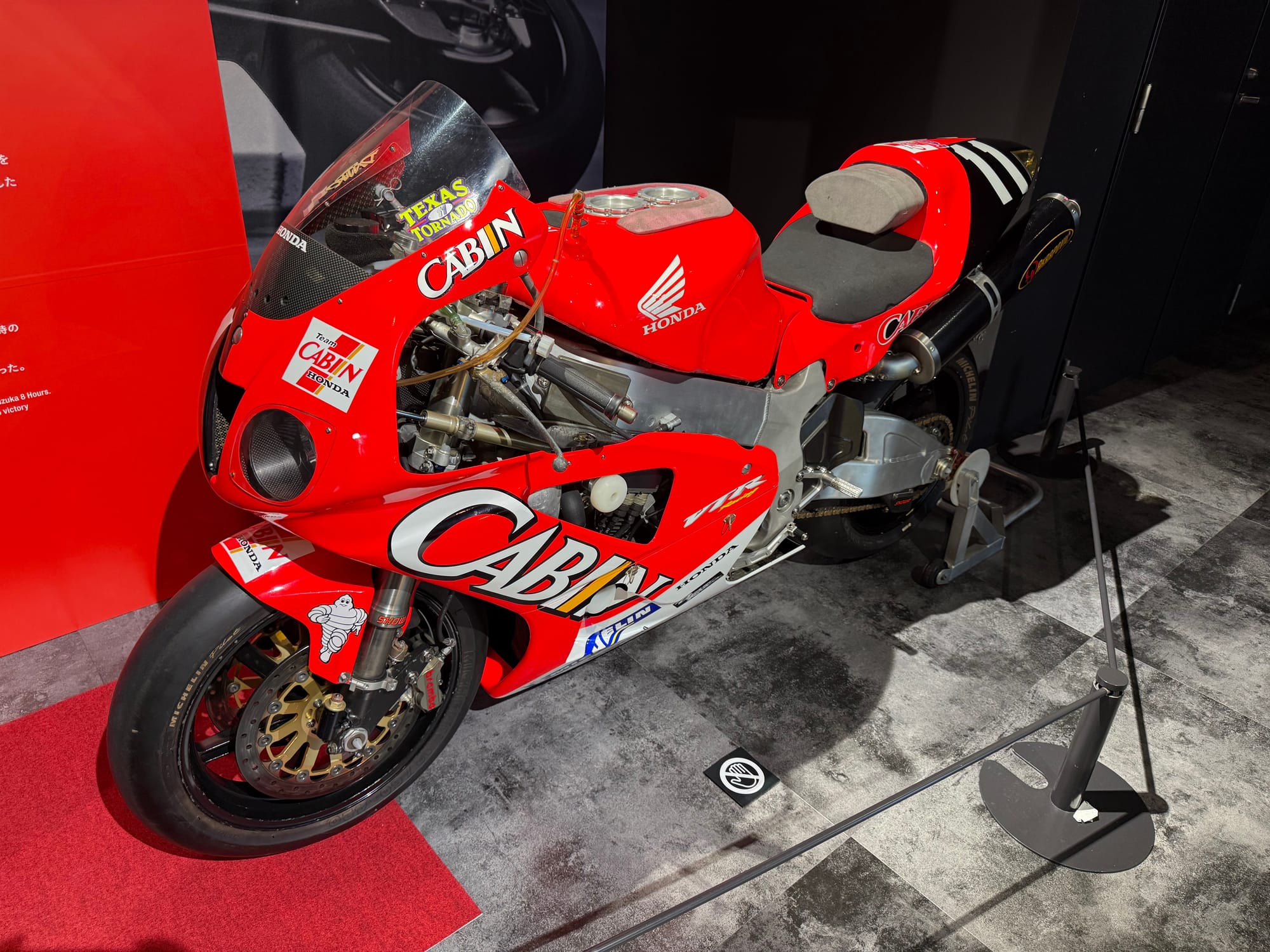
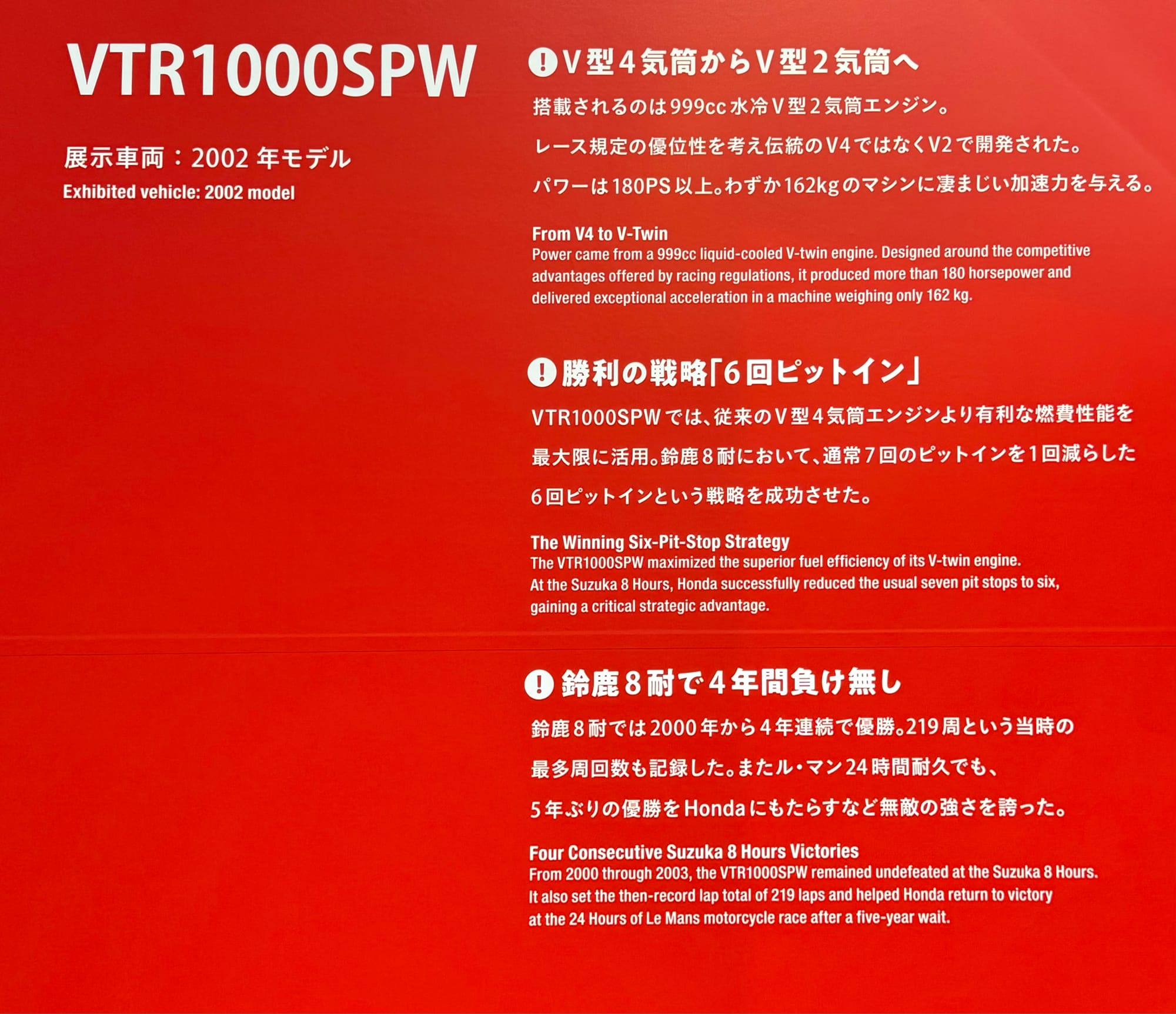
They also had a few of Honda's GP motobikes there including a very unconventional one at the time that won then the Suzuka 8 hours in 1981. This bike has no main frame, the front and rear suspension was connected directly the the engine, the fuel tank was below the engine and the exhaust sat above the engine.
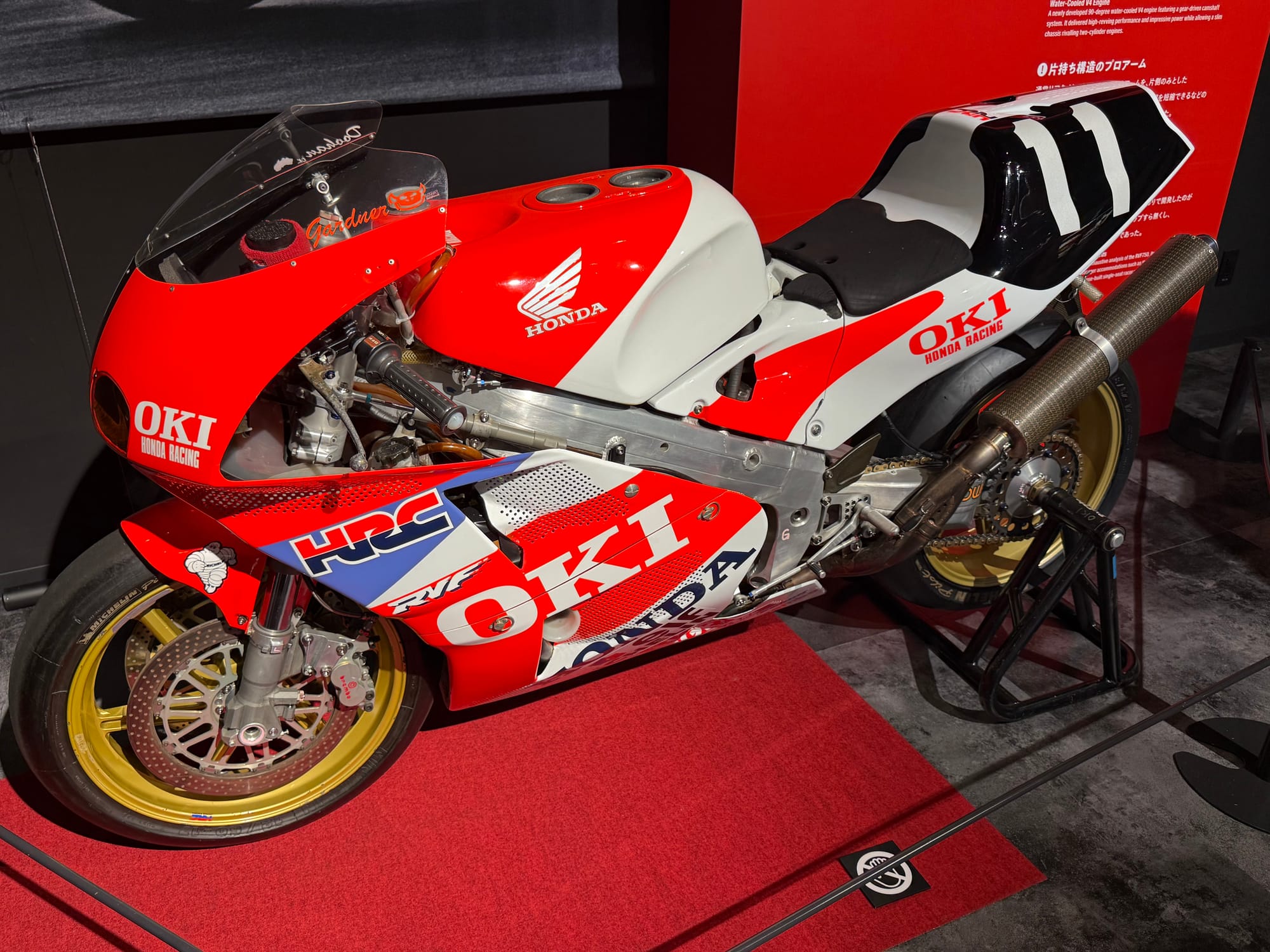
The 1982 Honda elf endurance racing motorcycle was an experimental machine developed for the Endurance World Championship and the 24 Hours of Le Mans. Its innovative chassis and aerodynamic design helped advance motorcycle engineering and racing technology.This exhibit panel describes the Honda elf e project, an experimental endurance racing motorcycle developed between 1979 and 1983. Created in partnership with the French oil company elf, the machine challenged conventional motorcycle design with a frameless chassis, hub-center steering and other pioneering engineering solutions.This Honda RVF endurance racer competed in long-distance motorcycle racing during the 1990s. Campaigned by OKI Honda Racing, it showcased Honda's engineering expertise and contributed to the company's success in endurance competition.The 2002 Honda VTR1000SPW endurance racer combined a powerful V-twin engine with fuel-efficient race strategy, helping Honda achieve four consecutive Suzuka 8 Hours victories from 2000 to 2003.The 2002 Honda VTR1000SPW endurance racer combined a powerful V-twin engine with fuel-efficient race strategy, helping Honda achieve four consecutive Suzuka 8 Hours victories from 2000 to 2003.
After this I decided it would be a good idea to go and chill in the waterpark. I learned my lesson from last time and took a light t-shirt with me so I wouldn't get sunburned, but I forgot my waterproof phone protector, so there are no photo's of this, but it was good just to chill. I even got to hear the closing time song, which is Auld Lang Syne, which if you even hear it when you are in a park or shop in Japan, it means it is closing time..
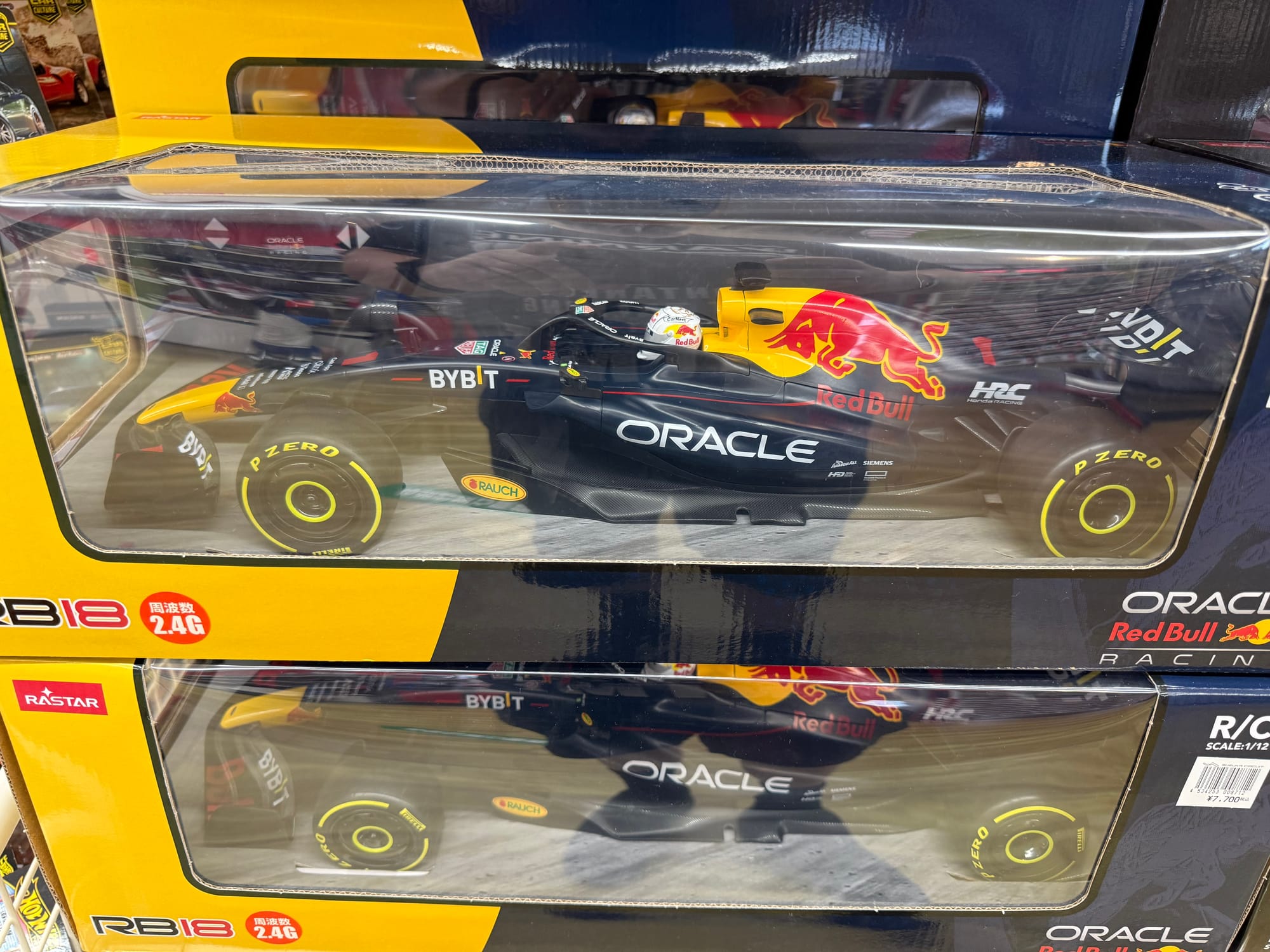
On the way out I saw this model car and thought about picking it up for my dad who is a fan of Mercedes 😅.
A scale model of the Oracle Red Bull Racing RB18, the Formula One car that powered Red Bull and Honda-backed Red Bull Powertrains to championship success during the 2022 season.
Rest Day
4th August
Today I had a rest day, especially as tomorrow is going to be a long day heading up into the Japanese Alps up to Suwa. Before that though, I have one more thing planned as I can't pickup the car till 13:30.
FUJI Nagoya Science Museum
5th August - Part 1
Before going to pickup the car, I had some time to kill, so I left my suitcases at the hotel and headed to the Nagoya Science Museum, which was really good and was also somewhere that was air conditioned!
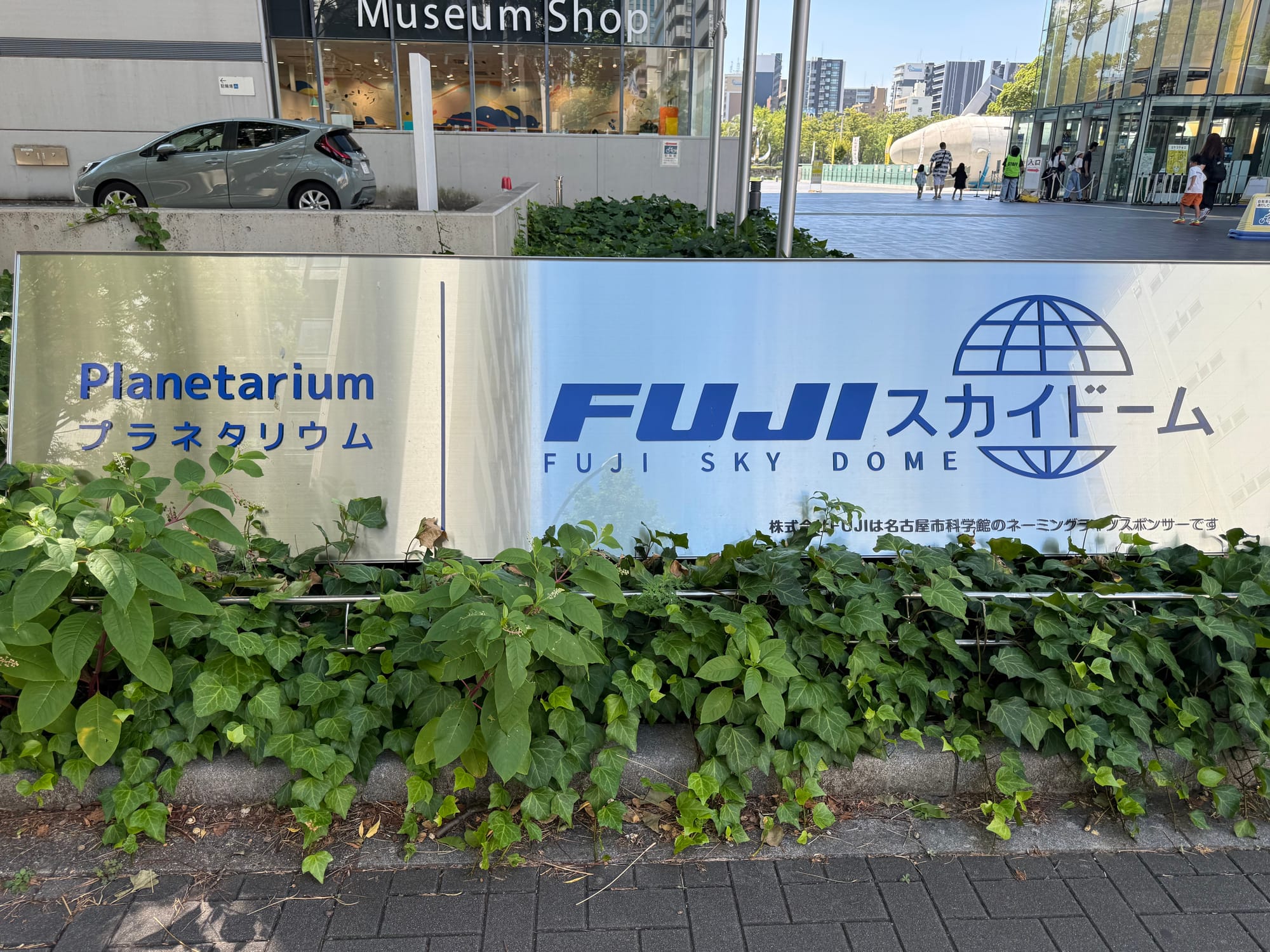
A sign for the Fuji Sky Dome planetarium at Nagoya City Science Museum, sponsored by FUJI and located beside the museum's main entrance.
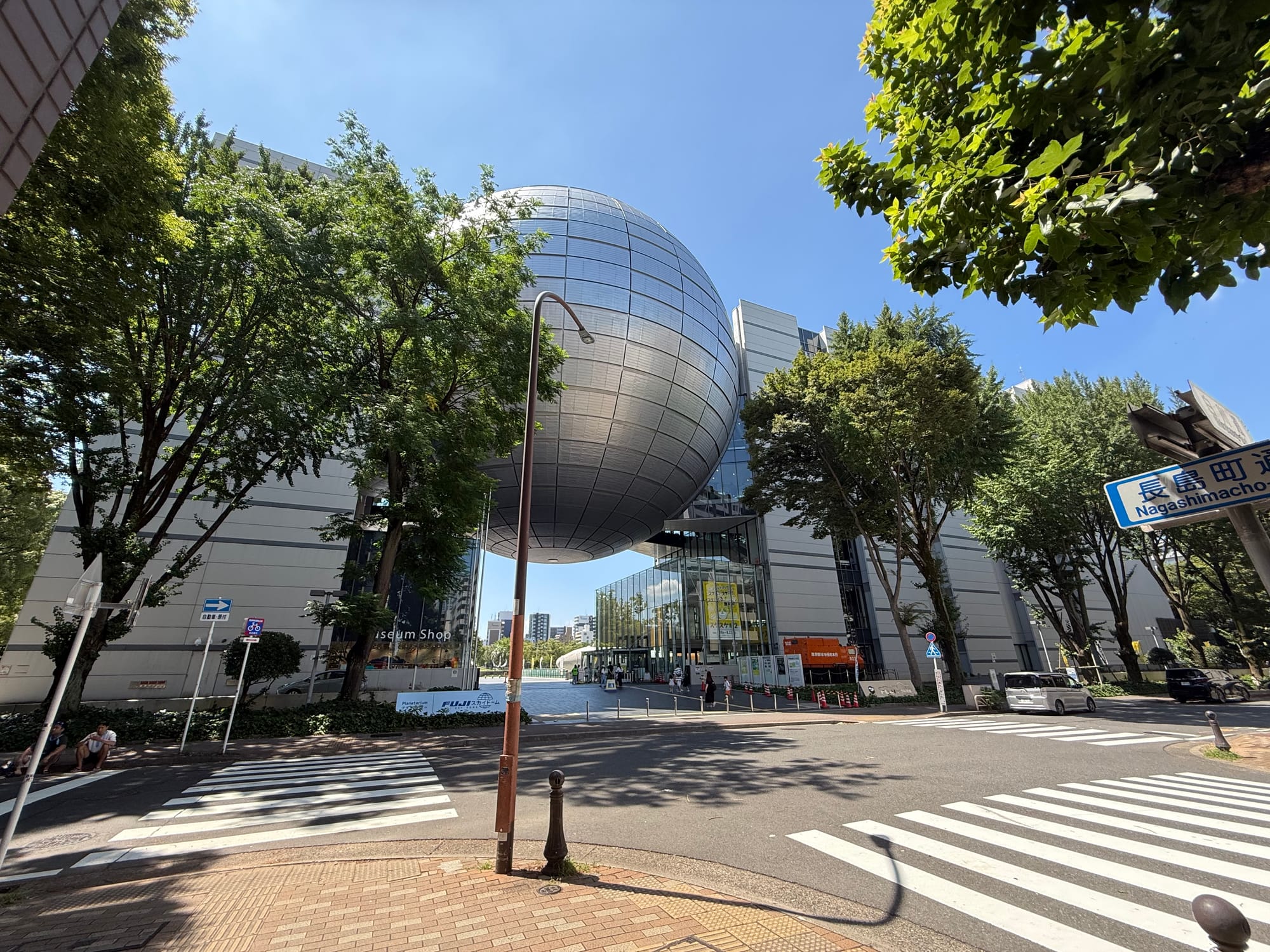
They have a big planetarium there, that you can seen in as the massive dome in the picture below, but unfortunately by the time I got there, there wasn't any shows left for the planetarium that I would be able to do in the time I had, maybe next time.
The Nagoya City Science Museum is home to the Fuji Sky Dome, one of the world's largest planetariums and the museum's most recognizable architectural feature.
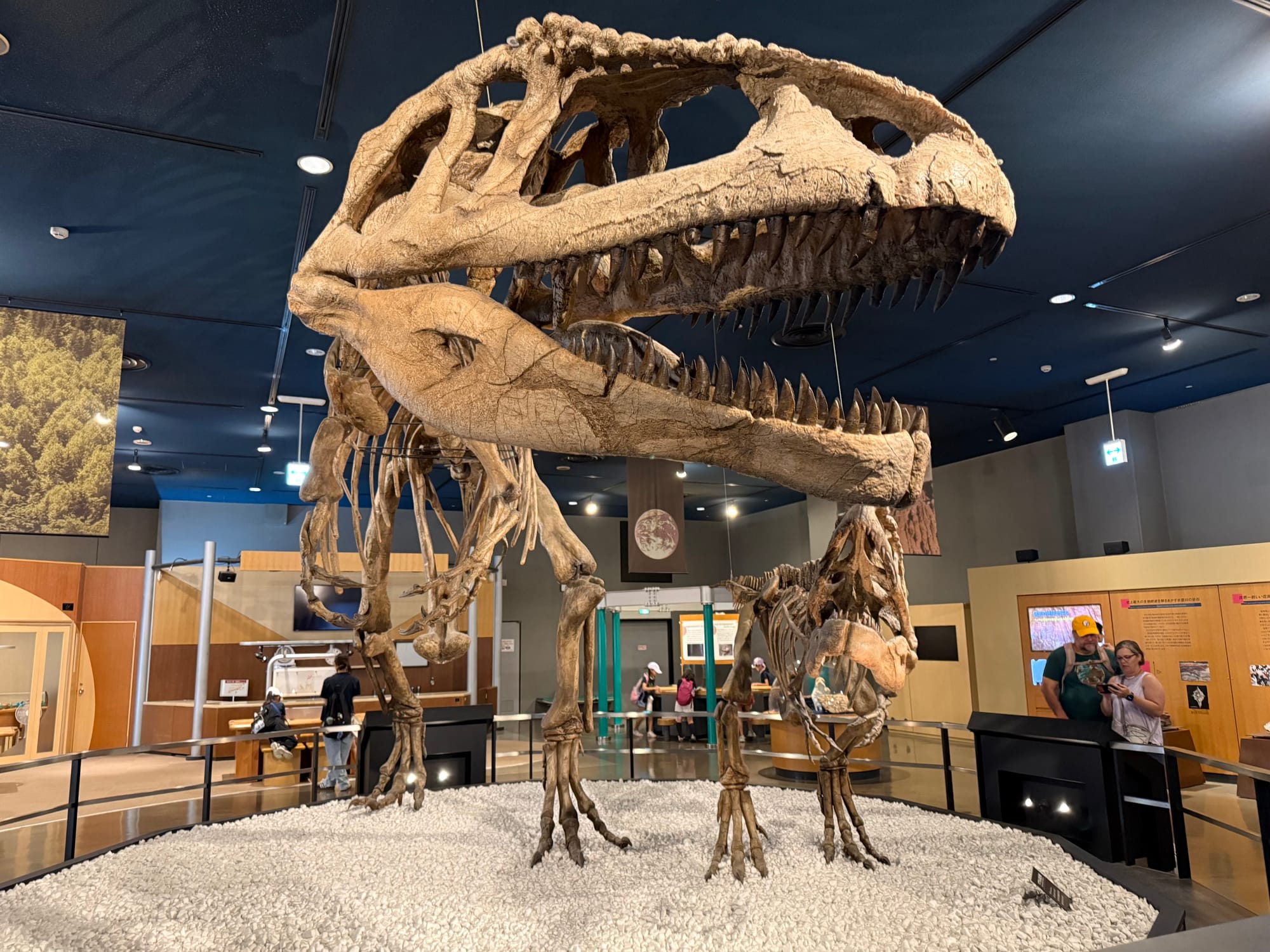
I only got to take a few photos and explore a bit due to time as well, but there were some really good exhibits there, including a skeleton of a T-rex.
A reconstructed Tyrannosaurus rex skeleton dominates the dinosaur gallery at the Nagoya City Science Museum, highlighting one of the largest and most recognizable predators of the Late Cretaceous period.
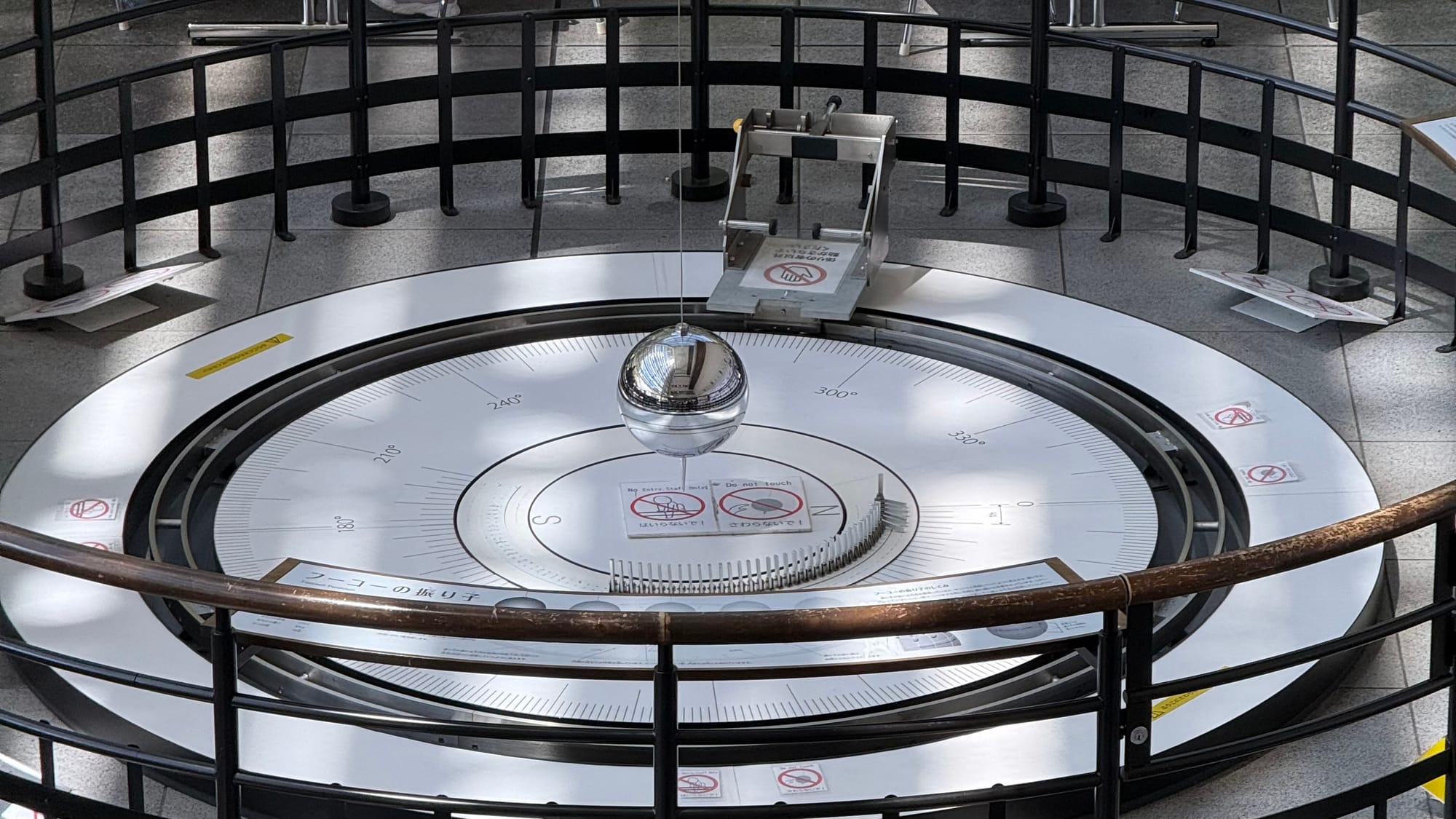
There was also a Faucault pendulum in the lounge area to help show the passage of time.
A Foucault pendulum at the Nagoya City Science Museum demonstrates the Earth's rotation through the slow, predictable change in its swing direction over time.
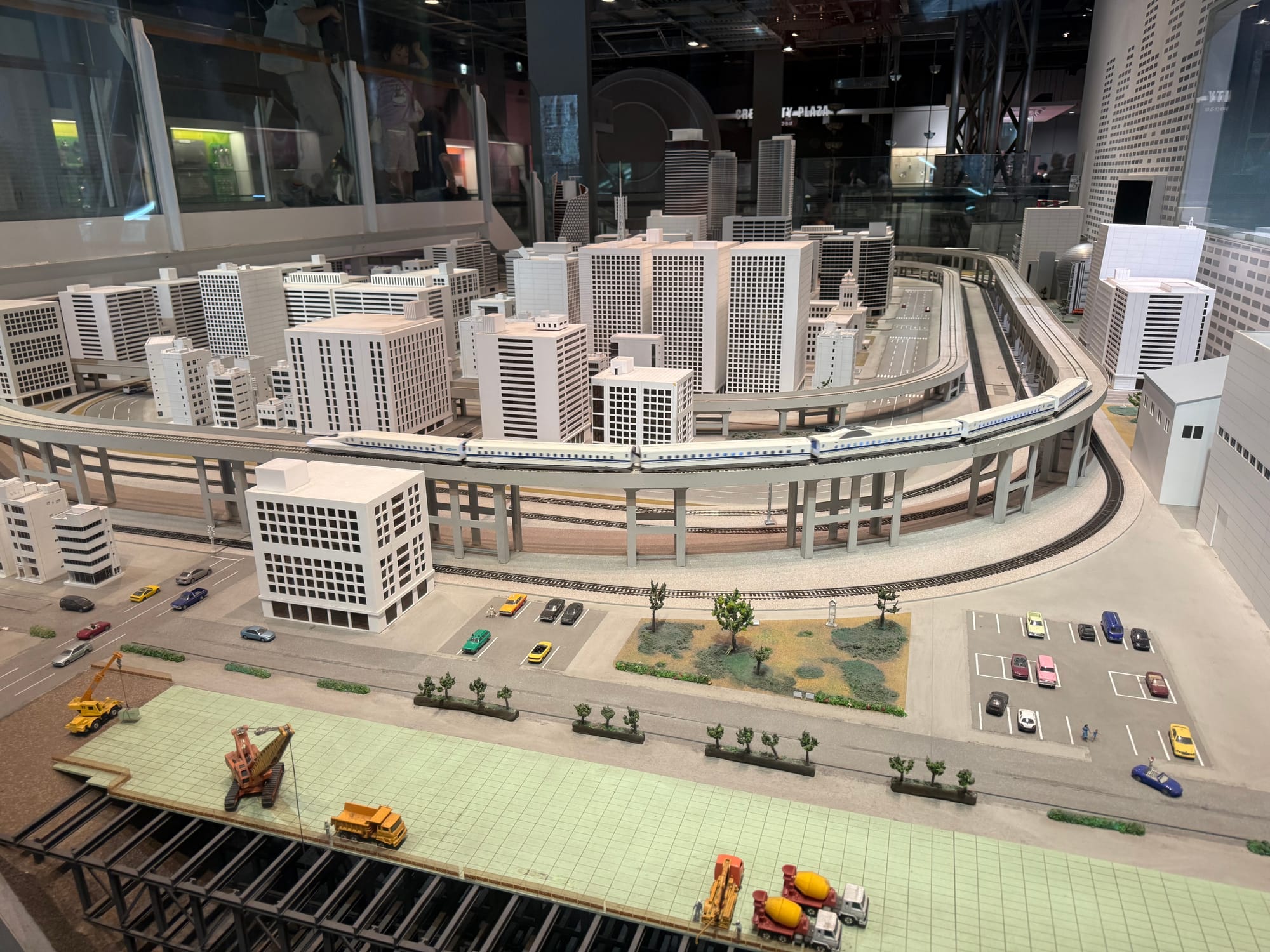
A miniature train set and a talk in Japanese about how convenient public transportation has made out lives today.
A detailed city model at the Nagoya City Science Museum demonstrates how rail networks, highways and urban development are integrated in modern Japanese cities.
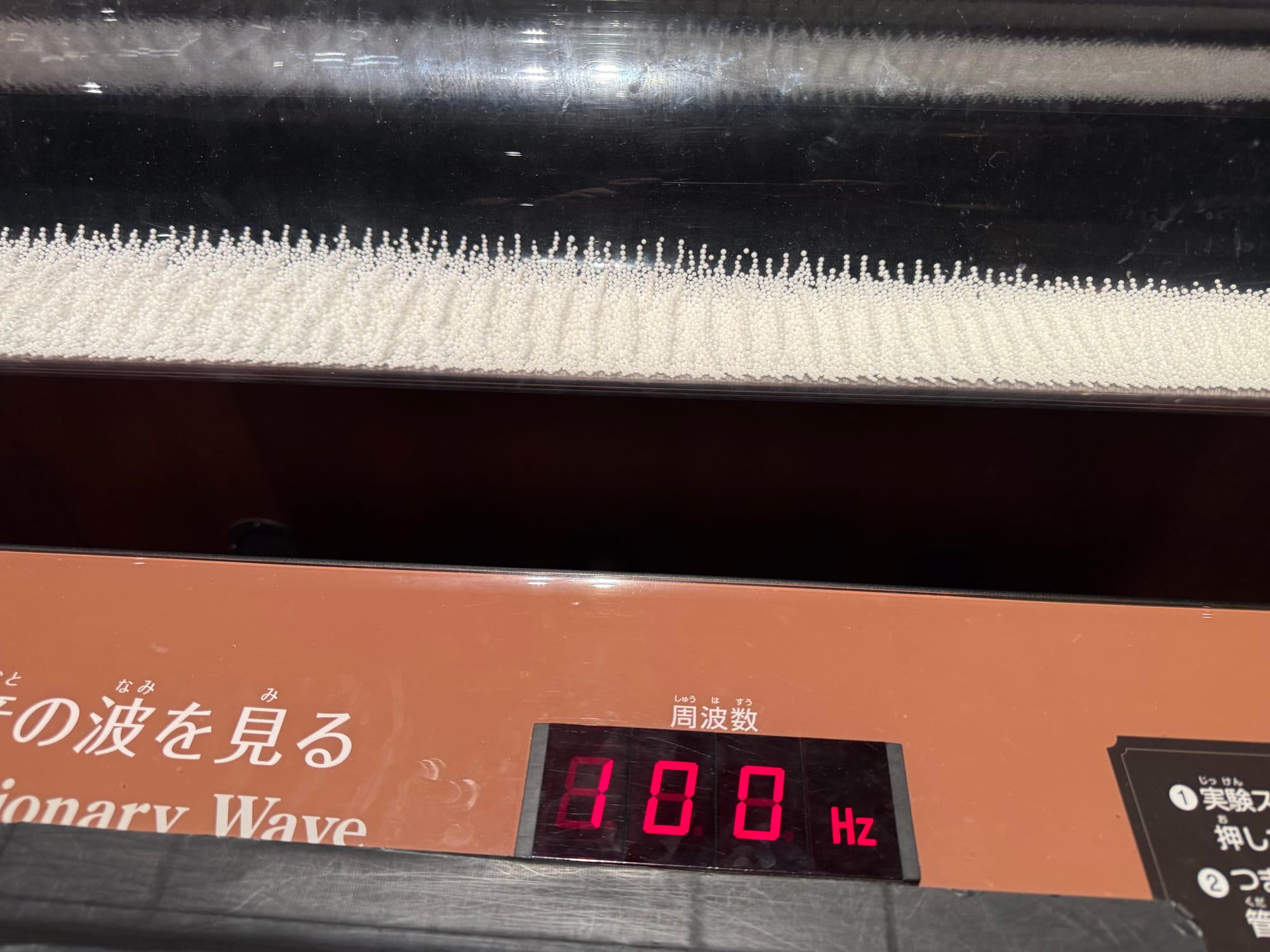
A sound wave machine which made these polystyrene balls stand up.
A standing wave demonstration visualizes how vibrations create repeating wave patterns, making the behavior of sound and resonance easier to observe.
A tornado machine, which was really awesome to watch.
0:00
/0:09
Video of the tornado machine at the Nagoya Science Museum.
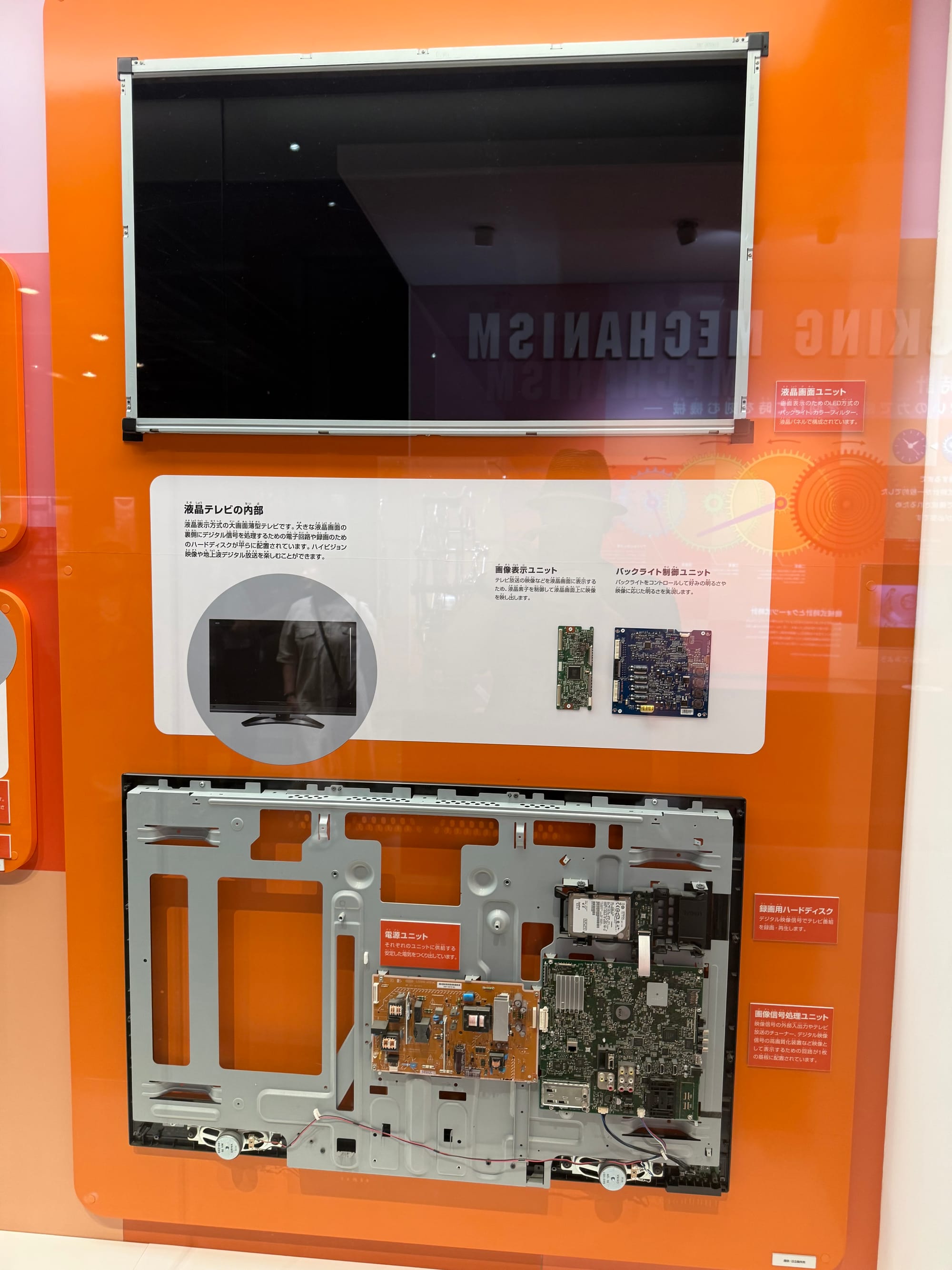
A section dissecting electronics to show you how they are made and work, like this TV.
A cutaway display reveals the internal structure of a liquid-crystal television, illustrating how screens, circuit boards and power systems work together to produce images.
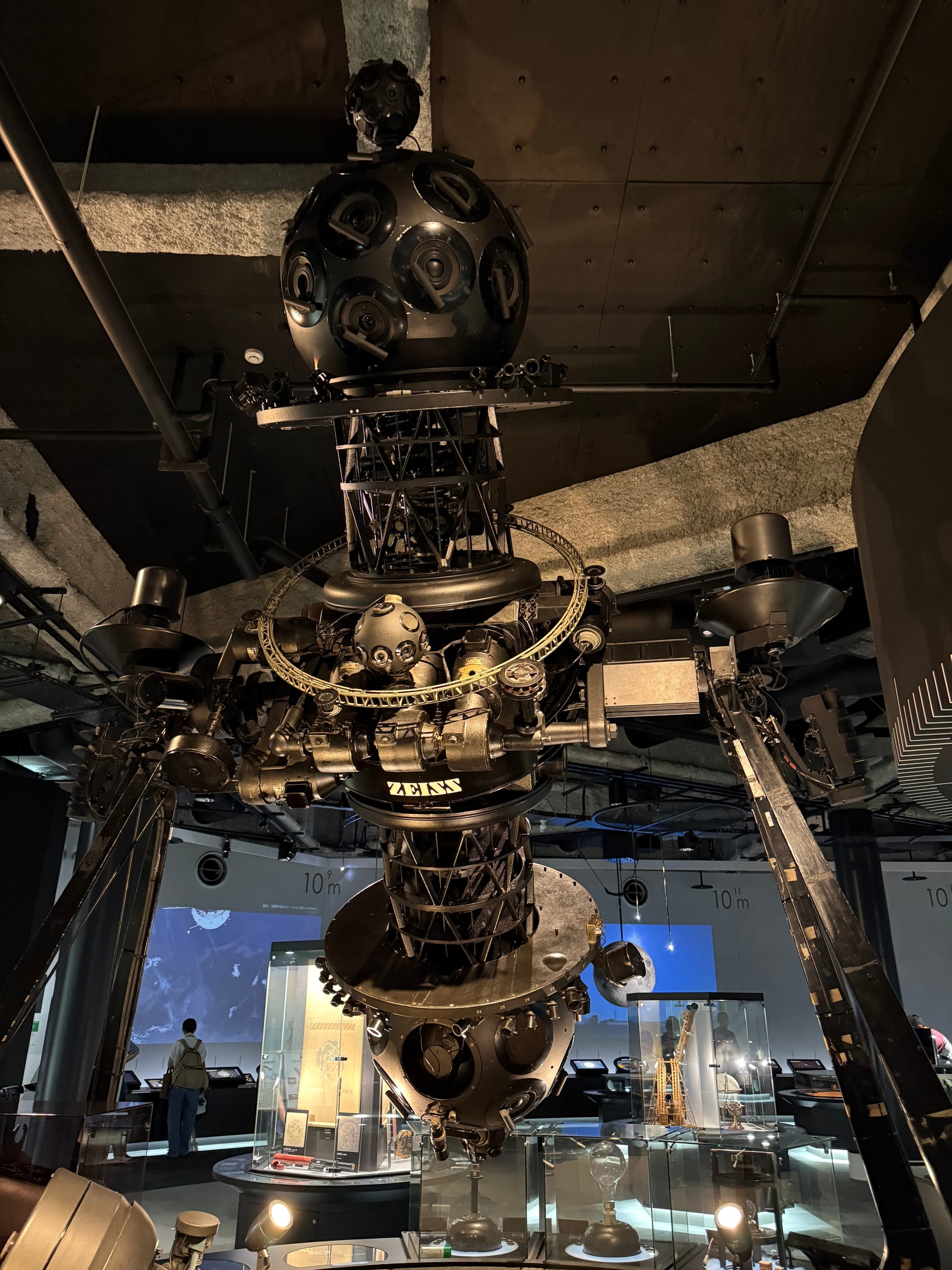
And there was a small bit that was free above the auditorium part of the planetarium. Showing parts of the solar system and galaxy.
A historic Zeiss planetarium projector, designed to reproduce the movements of stars and planets, demonstrates the technology that has brought astronomy to life for generations of museum visitors.
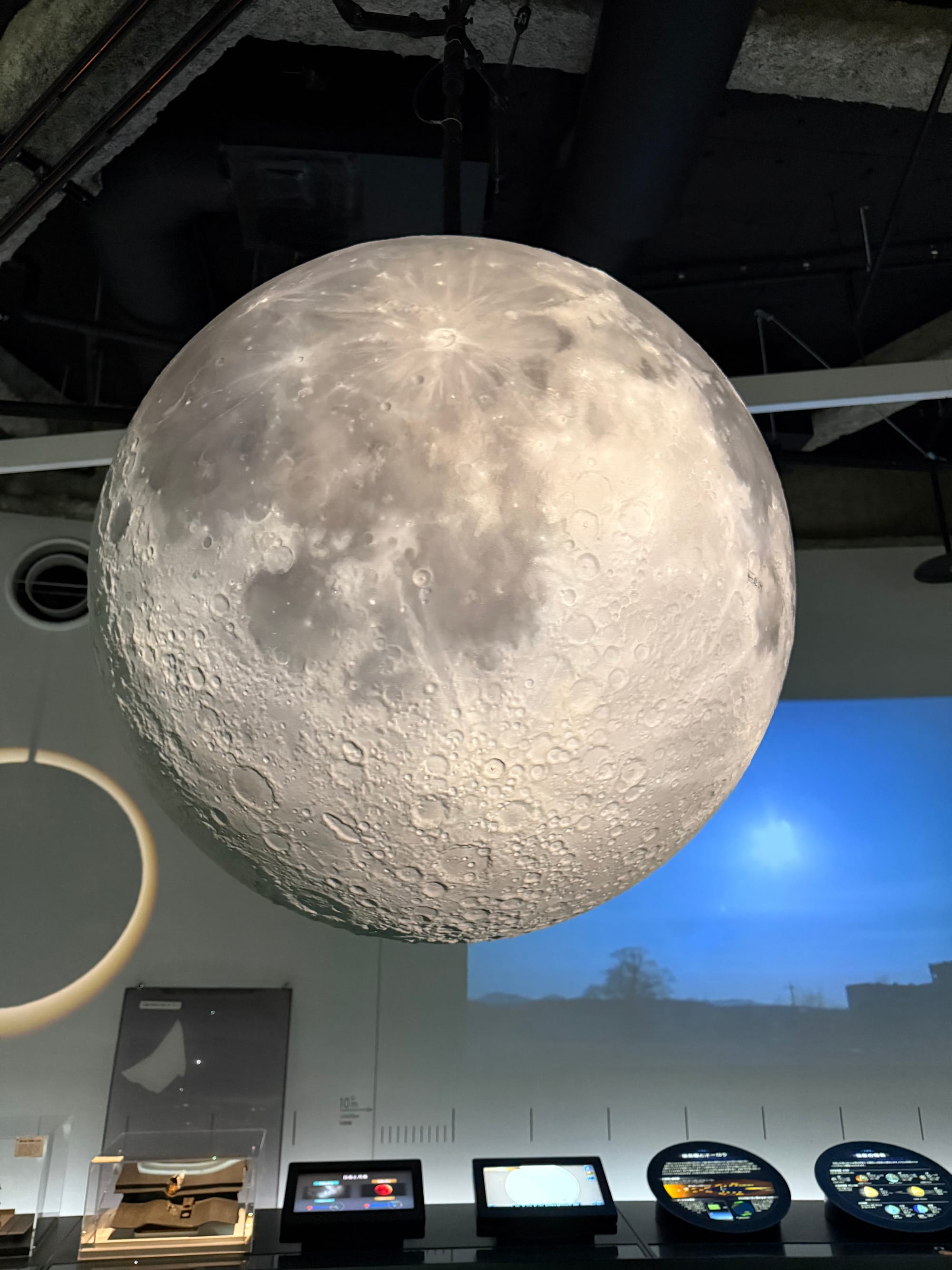
According to one of my friends, the place in the picture below should be my next trip where I will blog from, not sure how feasible it is though, but thanks for the suggestion Roy 🤣.
A detailed model of the Moon highlights the craters, highlands and dark lava plains that shape Earth's only natural satellite.
See you all next time when I check in from Suwa in the Japanese Alps and have a car again.